
Finding the right student chair in Singapore is not about chasing a single “best” brand, but rather matching a chair’s specific engineering to your body dimensions and study habits. For long study sessions, a chair must provide continuous physical support to prevent fatigue and maintain focus. The ideal choice depends on your height, weight, and how many hours you spend at your desk daily.
To make an informed decision, you must look past marketing buzzwords and evaluate chairs based on verifiable adjustability, material quality, and local warranty terms. A chair that fits a peer perfectly might cause discomfort for you if the seat depth or lumbar height does not align with your frame. Prioritizing adjustable components and certified weight capacities over generic brand prestige ensures your investment supports your academic journey comfortably and durably.
Key Dimensions to Compare for Comfort and Durability
When comparing student chairs, ergonomic adjustability is the most critical factor for long-term physical well-being. A high-quality chair should allow you to adjust the seat height so your feet rest flat on the floor with your knees at a 90-degree angle. Adjustable seat depth is equally important, as it ensures your thighs are fully supported without the front edge of the seat pressing against the back of your knees. Furthermore, look for adjustable lumbar support that can be shifted vertically and horizontally to fit the natural curve of your lower spine. Adjustable armrests help relieve strain on your shoulders and neck by allowing your elbows to rest comfortably while typing or writing.
Products mentioned in this guide
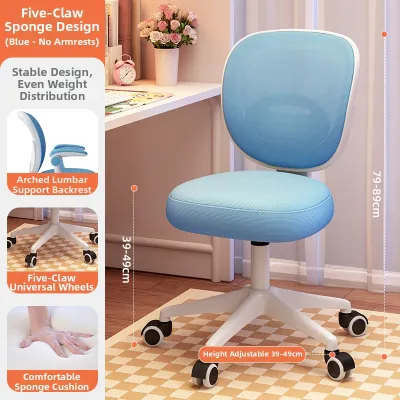
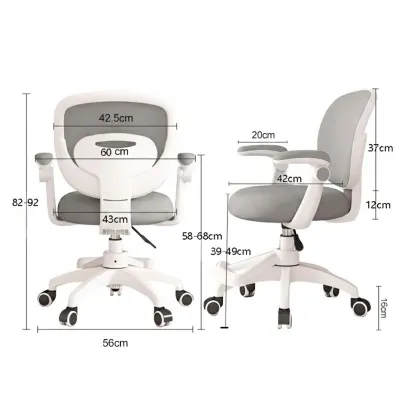
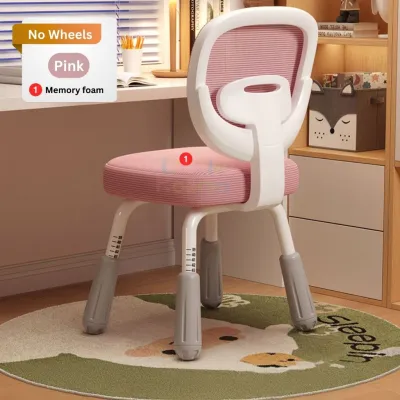
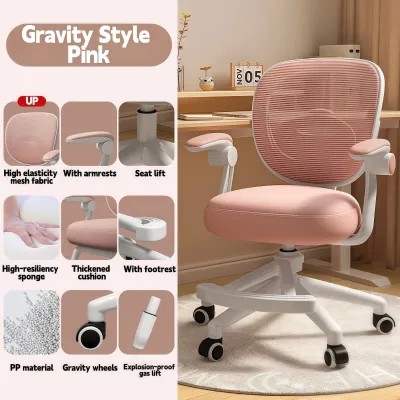
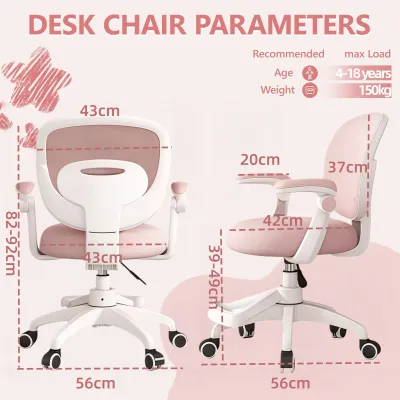
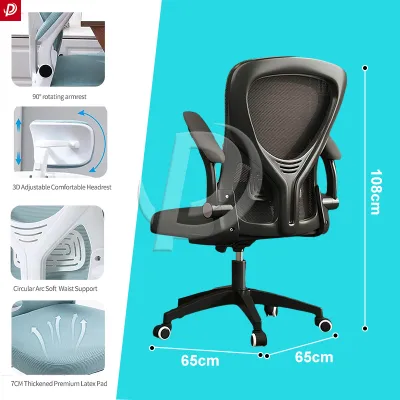
Prices are valid at publication and may change. Please refer to the product page for the latest price.
The choice of seat and backrest materials directly impacts both comfort and thermal regulation, which is particularly important in Singapore’s warm and humid climate. Mesh backrests offer excellent breathability, allowing air to circulate freely and keeping you cool during intense study sessions. However, the quality of the mesh matters; high-tension elastomeric mesh retains its shape and support over time, whereas cheaper mesh may sag. For the seat cushion, high-density molded foam is generally superior to cut foam, as it distributes weight evenly and resists flattening after years of daily use. Fabric seats offer a soft feel but may retain heat and require more effort to clean if spills occur.
A stable base and smooth casters are essential for safety and ease of movement around your study space. Look for a five-point base made of reinforced nylon or aluminum, which provides a stable foundation and prevents tipping when reclining. Check the manufacturer’s specified weight capacity to ensure the chair is built to handle your body weight safely. Additionally, the type of casters should match your flooring; hard nylon casters are ideal for carpets, while soft polyurethane casters prevent scratching on delicate parquet, vinyl, or tiled floors common in Singapore homes.
The recline and tilt mechanisms of a chair dictate how it responds to your body movements throughout the day. A synchro-tilt mechanism, where the backrest reclines at a greater ratio than the seat, is highly recommended for long study sessions because it keeps your feet flat on the floor while opening up your torso to improve circulation. Tension controls allow you to adjust the resistance of the recline to match your body weight, preventing the feeling of falling backward or having to push too hard to lean back. Lockable tilt positions enable you to secure the chair at a comfortable angle when transitioning from active typing to reading.
How to Verify Brand Claims and Build Quality
To avoid purchasing a chair that degrades quickly, you must learn to read specification labels and look for recognized industry standards. Reliable brands often test their products against rigorous standards such as those established by the Business and Institutional Furniture Manufacturers Association (BIFMA) or European standards like EN 1335. These certifications indicate that the chair has undergone extensive testing for structural integrity, durability, and safety. Be skeptical of brands that use vague terms like “premium quality” or “ergonomic design” without providing specific testing certifications or clear weight capacity ratings.

Inspecting the physical joints and moving parts of a chair is a practical way to assess its build quality before making a purchase. Pay close attention to the gas lift cylinder, which is responsible for height adjustment; a Class 3 or Class 4 gas lift is standard for durable office and student chairs, indicating thicker steel walls and better pressure resistance. Examine the connection points where the armrests and backrest attach to the seat frame. Metal-to-metal connections with heavy-duty bolts are far more durable than metal screws threaded directly into plastic frames, which can strip and loosen over time.
A brand’s warranty policy is often a direct reflection of its confidence in the product’s durability. When comparing warranties, look closely at the terms rather than just the headline number of years. A comprehensive warranty should cover structural components like the frame, base, and gas lift for several years. Be aware that moving parts, mesh, fabric, and foam cushions often have shorter warranty periods than the metal frame. Reading the fine print helps you understand what constitutes normal wear and tear versus a manufacturing defect, and whether the brand covers the cost of replacement parts and labor.
Identifying red flags early in your research can save you from a frustrating purchasing experience. Avoid brands that do not disclose their material specifications, weight limits, or country of origin. A lack of clear return policies or customer service contact information is another warning sign. If a retailer cannot provide detailed answers about the density of the seat foam or the source of their mesh, it is safer to look for a brand that prioritizes transparency and provides comprehensive product documentation.
Decision Framework: Matching Chair Features to Your Study Habits
Your daily study routine and physical environment should dictate the specific features you prioritize in a student chair. If your study sessions regularly exceed four hours of continuous desk work, you should prioritize chairs with advanced lumbar support and an adjustable headrest. These features help maintain spinal alignment and reduce neck strain when you are focused on reading or writing for extended periods. Active posture support is crucial for preventing the slouching that naturally occurs as muscles fatigue over the course of a long day.
For study spaces in Singapore that rely on natural ventilation or ceiling fans rather than continuous air conditioning, a fully mesh chair is highly advantageous. The open weave of a mesh backrest and seat allows body heat to dissipate quickly, preventing the uncomfortable stickiness associated with leather or dense fabric chairs in humid weather. If you prefer a cushioned feel but still want to stay cool, a hybrid design featuring a mesh backrest paired with a breathable fabric-covered molded foam seat offers an excellent balance of comfort and airflow.
If you have a compact study area or frequently rearrange your room layout, look for chairs with a streamlined profile and flip-up armrests. Flip-up armrests allow you to slide the chair completely under your desk when not in use, freeing up valuable floor space in cozy bedrooms.
It is important to note that while ergonomic chairs support healthy sitting habits, they are not medical devices. If you have pre-existing back pain, scoliosis, or other physical conditions, you should consult a qualified healthcare professional before purchasing a chair. A specialist can provide personalized recommendations on the specific support features your body requires, ensuring your study setup does not inadvertently exacerbate any underlying health issues.
Purchasing Checks and After-Sales Support in Singapore
Whenever possible, visit a physical showroom in Singapore to test a student chair before committing to a purchase. Sitting in a chair for a few seconds is rarely enough to evaluate its long-term comfort; try to spend at least 10 to 15 minutes adjusting the settings and sitting in your typical study postures. Pay attention to whether the lumbar support aligns with your lower back and if the seat cushion feels supportive rather than hard. Testing chairs in person also allows you to compare different models side-by-side and experience the build quality firsthand.
When purchasing online, carefully review the delivery and assembly options provided by the retailer. Some brands deliver chairs fully assembled, while others ship them flat-packed, requiring you to assemble the components yourself. If you choose self-assembly, ensure the package includes clear instructions and all necessary tools. Upon delivery, inspect the box for any signs of damage and verify that all parts, including the gas lift, casters, and adjustment levers, function smoothly before discarding the packaging.
Understanding the return policies and trial periods offered by local retailers or e-commerce platforms is essential for a risk-free purchase. Some brands offer home trial periods, allowing you to test the chair in your own study environment for a set number of days. If you decide to return the chair, check whether the retailer charges restocking fees, requires you to return the item in its original packaging, or expects you to arrange and pay for return transportation. Clear return terms protect your investment if the chair proves uncomfortable after a few days of use.
To ensure your warranty remains valid, keep your proof of purchase in a safe place and follow the manufacturer’s care and usage guidelines. Avoid exceeding the specified weight capacity of the chair, as doing so can damage the structural components and void your warranty coverage. Regularly check and tighten any loose bolts or screws to maintain the chair’s stability and prevent premature wear on the joints. If a component fails, contact the brand’s local customer support promptly with your receipt and photos of the issue to initiate a warranty claim.
Frequently Asked Questions (FAQ)
How often should I replace a student chair used for daily long study sessions?
The lifespan of a student chair depends on the quality of its materials and how heavily it is used, rather than a strict calendar timeline. You should consider replacing your chair when you observe significant physical degradation that compromises its support. Common signs of failure include a gas lift that slowly sinks during use, torn or sagging mesh that no longer supports your back, or seat foam that has flattened completely and no longer cushions your hips. Squeaking joints, loose armrests, or a wobbly base that cannot be tightened also indicate that the chair’s structural integrity has declined. Before purchasing an entirely new chair, check if the manufacturer sells individual replacement parts like casters, gas cylinders, or cushions, as replacing these components can extend the life of a high-quality frame.
Are gaming chairs a suitable alternative to ergonomic student chairs for studying?
While gaming chairs are popular, their design philosophy differs significantly from that of dedicated ergonomic student or office chairs. Gaming chairs often feature a bucket-seat design inspired by race cars, which includes raised side bolsters that can restrict your shoulder movement and force your legs into a fixed position. They frequently rely on removable strap-on pillows for lumbar and neck support, which may not align correctly with your spine and tend to shift out of place. In contrast, ergonomic student chairs are engineered with adjustable, built-in lumbar support, seat depth adjustments, and highly breathable materials designed to facilitate active movement and proper posture during long hours of desk work. For sustained study sessions, an ergonomic chair generally offers superior adjustability and thermal comfort compared to a standard gaming chair.

Community discussion
Share your experience or ask a question. Comments are reviewed before publication.