
Determining whether a storage container can double as a seat requires looking beyond surface appearance. While both storage stools and ordinary storage boxes offer a cavity to hide household clutter, their engineering paths diverge completely. Sitting on a container not designed for human weight can lead to sudden structural failure, resulting in falls, injuries, or damaged belongings.
To confirm whether a container is safe to sit on, you must evaluate its structural integrity, load-bearing components, and manufacturer specifications. A true storage stool is designed as a load-bearing piece of furniture first and a storage unit second. In contrast, an ordinary storage box is engineered solely to contain lateral pressure from lightweight items inside, offering little to no resistance to vertical downward forces. Understanding these differences allows you to make informed decisions for your home, ensuring both utility and safety.
Structural Differences: Lids, Bases, and Internal Frames
The primary differences between a storage stool and an ordinary box lie in three critical areas: lid reinforcement, base design, and internal framing. Each of these components must work together to distribute weight safely to the floor.
Products mentioned in this guide
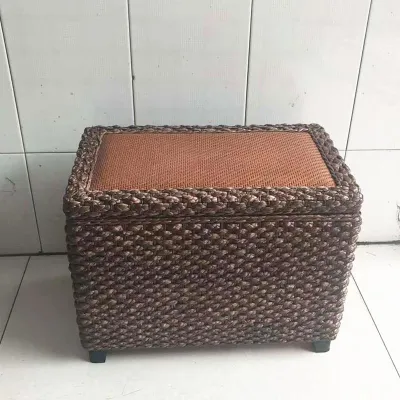
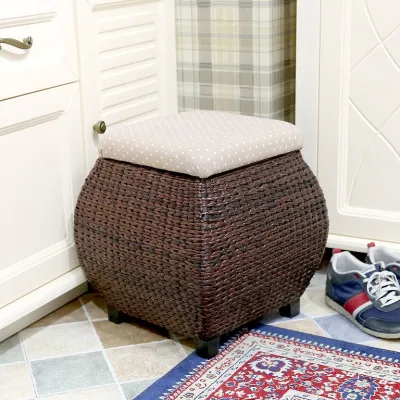
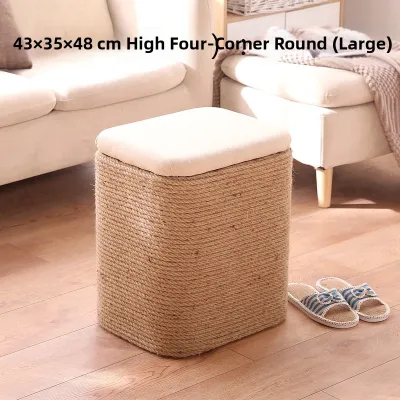
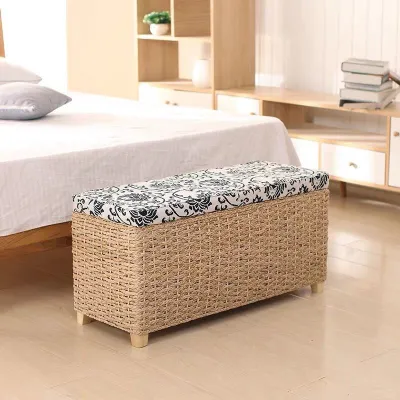
1 Lazada user ratings
Very very nice
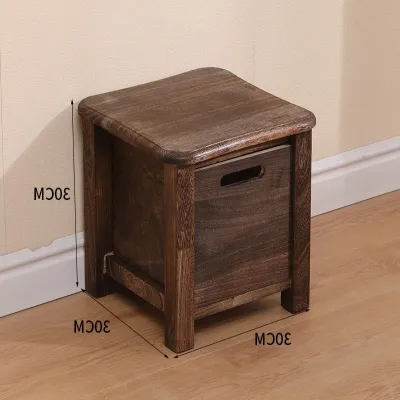
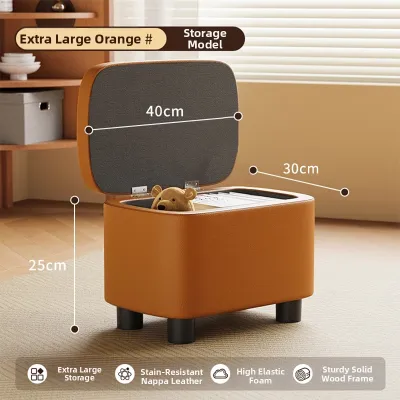
14 Lazada user ratings
Item received in good condition and well packed. Good built and nice sponge. As described and convenient storage space
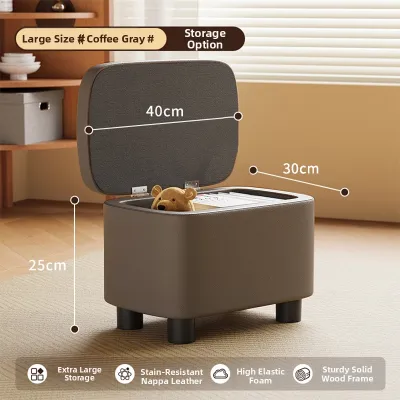
34 Lazada user ratings
I've been eagerly waiting, and I finally got my favorite thing. Thank you!
Received in good condition. Well built but quality is mediocre.
Wrong ordered a model without storage capacity
Looks good and not much of storage capacity
The wood board got damaged.
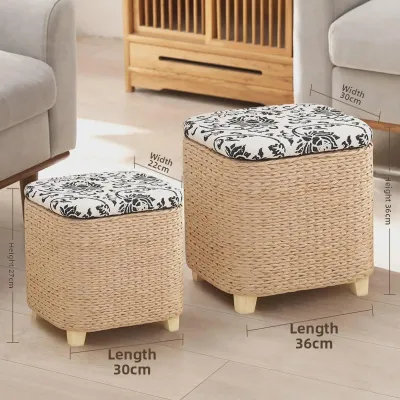
Prices are valid at publication and may change. Please refer to the product page for the latest price.
Lid reinforcement is the first line of defense against structural collapse. An ordinary storage box typically features a thin, flexible lid made of lightweight plastic, fabric, or thin cardboard. When a person sits on this type of lid, the center bows downward, creating immense outward pressure on the side walls. A dedicated storage stool, however, utilizes a reinforced lid. This lid is often constructed from thick engineered wood, solid timber, or heavy-duty molded plastic with integrated structural ribbing. These internal ribs or solid cores prevent the lid from flexing under dynamic loads. Additionally, the hinges on a storage stool are robust, often consisting of metal piano hinges or safety tension brackets that distribute weight evenly across the rear frame rather than concentrating stress on weak plastic tabs.
The base design determines how weight is transferred to the floor and how stable the unit remains during use. Ordinary storage boxes usually have flat, thin bottoms that rest directly on the floor. If heavy weight is applied from above, the bottom panel can sag, crack, or blow out entirely. Storage stools feature engineered bases designed to handle vertical compression. Many models incorporate solid wood feet, a recessed plinth, or internal cross-bracing. This structure lifts the storage cavity slightly off the ground and transfers the load directly to the outer load-bearing frame. Furthermore, a wider floor contact area prevents the stool from tipping over when a user leans forward or shifts their weight while seated.
Internal frames provide the essential shear strength needed to prevent lateral collapse. When you sit on an ordinary box, the downward force pushes the walls outward, a phenomenon known as buckling. Without an internal skeleton, thin plastic or fabric walls will fold under pressure. A true storage stool features a rigid internal frame made of solid wood, plywood, or tubular steel. Even folding storage stools, which are designed to pack flat, rely on dense medium-density fiberboard (MDF) panels in their walls. These panels lock together to form a rigid three-dimensional box that resists lateral deformation, ensuring the walls remain upright and stable under load.
Verifying Weight Capacity and Safety Specifications
Relying on visual guesswork is never sufficient when safety is on the line. To confirm whether an item is rated for seating, you must locate and interpret the manufacturer’s official specifications.

The most reliable way to verify weight capacity is to locate the product’s safety labels, assembly manuals, or official product listings. Manufacturers of legitimate furniture items test their products to meet specific safety standards and will clearly state the maximum weight limit. Look for a physical tag stitched into the underside of the lid, a sticker on the bottom of the base, or a dedicated safety section in the instruction manual. If the product was purchased online, refer to the manufacturer’s official product page, paying close attention to certified weight ratings rather than generic marketing descriptions.
It is crucial to understand the difference between storage capacity and seating capacity. Storage capacity refers to the volume of items the box can hold (often measured in liters) or the static weight of the contents inside. Seating capacity, on the other hand, refers to the dynamic load applied from above. A dynamic load is much more demanding than a static load; it accounts for the sudden impact of a person sitting down, shifting their weight, or standing up. For example, a plastic bin might safely hold 40 kilograms of winter clothes distributed evenly across its base, but it will fail instantly if a 40-kilogram child sits on the center of the lid, concentrating the force on a single unreinforced point.
A strict safety rule should guide your home organization: if an item lacks clear weight specifications, or if the documentation is missing, treat it as “not for seating.” Never assume a box is safe to sit on simply because it feels sturdy to the touch. If a label explicitly states “for storage only,” “do not sit,” or lacks any mention of a weight limit, restrict its use entirely to organization and keep it out of seating areas.
Visual and Physical Inspection Checklist for Safe Seating
If you are evaluating an existing piece of furniture in your home or inspecting a product in a retail store, you can perform a series of physical checks to assess its structural integrity.
Begin with the gradual pressure test. Place both hands flat on the center of the lid and apply gradual downward pressure, leaning your body weight into it slightly. Observe how the lid responds. A safe storage stool should feel firm and unyielding, with no noticeable bowing, flexing, or deep creaking sounds. If you feel the lid sinking or hear the material straining, the item is not built to support human weight. Repeat this test near the edges and corners to ensure the load is distributed evenly across the entire surface.
Next, inspect the joint integrity and corner construction. Open the lid and look closely at how the walls are joined together. In a high-quality storage stool, the corners are reinforced with wooden blocks, metal brackets, or heavy-duty stitching and dowels. The joints should be tight, with no visible gaps or movement when lateral pressure is applied. Examine the hinges as well; they should be securely fastened to the frame with screws, not staples or weak adhesive. If the hinges wiggle or appear misaligned, the lid may shift during use, leading to sudden instability.
Finally, look for common structural red flags that indicate an item is unsafe for seating. Avoid sitting on any container with thin, single-wall plastic construction, as these materials degrade over time and become brittle under sunlight or temperature changes. Wide, unsupported spans are another major risk; a long storage bench without a central vertical support divider is highly susceptible to sagging and collapse. Lastly, be cautious of completely detachable lids that simply rest on top of the box without a secure locking lip or recessed channel. If a user shifts their weight, a loose lid can slide off the base, causing a fall.
Decision Guide: When to Choose a Stool vs. a Standard Box
Selecting the right storage solution depends on your spatial constraints, functional needs, and the intended users in your household.
Choose a storage stool if your primary goal is dual-purpose utility in high-traffic areas. These units are ideal for entryways, where they provide a stable place to sit while putting on shoes, as well as hidden storage for umbrellas, bags, or footwear. They also excel in living rooms as multi-functional ottomans that can store blankets and serve as extra seating for guests. When selecting a storage stool for these areas, ensure the exterior material is durable and easy to clean, and verify that the unit’s height aligns with your existing seating for maximum comfort.
Choose an ordinary storage box if your main priority is maximizing storage volume at a lighter weight. Standard boxes are designed to be stacked, tucked under beds, or placed on high closet shelves. Because they lack heavy internal frames and reinforced lids, they are much lighter and easier to lift when full. They are perfect for seasonal clothing, holiday decorations, and extra bedding—items that need to be organized but do not require frequent access or a seating surface.
Before making your final choice, consider the specific needs of your household members. If the storage unit will be placed in a child’s playroom, safety is paramount. Children often climb on, jump off, or roughhouse around furniture. In these environments, choose a storage stool with rounded corners, soft upholstery, and safety hinges that prevent the lid from slamming shut on small fingers. For elderly individuals, prioritize stools with solid, non-slip feet and a firm, high-density foam seat that provides stable support when standing up. Always verify the stability of the unit on your specific flooring, whether carpet, tile, or hardwood, to prevent sliding during use.

Community discussion
Share your experience or ask a question. Comments are reviewed before publication.