
Quick Answer: Which Storage Mechanism Fits Your Routine?
Choosing the right storage coffee table depends on how you interact with your living room furniture daily. The ideal storage mechanism is not simply about holding items; it is about how those items are accessed, how the table functions during different activities, and how much visual space the piece occupies in your home. In compact living environments, such as Singapore’s HDB flats and condominiums, selecting the wrong mechanism can lead to cramped walkways, inaccessible storage, or underutilized furniture.
To find the right fit for your household, consider this straightforward decision framework:
- Choose a lift-top mechanism if you frequently work, study, or eat meals from your sofa. This design is ideal for those who want a temporary desk or dining surface and prefer to keep laptops, chargers, and board games completely hidden when they are not in use.
- Choose drawer storage if you want to conceal everyday clutter, such as remote controls, coasters, and reading glasses, while keeping the main tabletop surface completely stable, flat, and styled with decor.
- Choose open shelves if you prefer displaying curated books, magazines, or decorative baskets, and require instant, one-handed access to your items without operating any moving parts.
While hybrid coffee tables combining multiple mechanisms exist—such as a lift-top surface with side drawers—these designs often compromise on the depth of the individual storage compartments or require complex hardware that can make the table heavier and more difficult to assemble. Focusing on one primary storage mechanism that aligns with your dominant daily routine usually yields the most functional and durable result.
Products mentioned in this guide
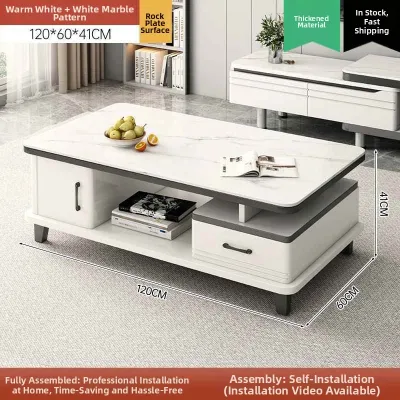
![[Cozy ]Slate Coffee Table with Storage Italian Light Luxury Oval Simple Living Room Household Creative Tea Table with SideTable](https://img.lazcdn.com/g/p/214c7652c2c669e1f0d40aa6ae36282e.jpg_webp_400x400q80.jpg_.webp)
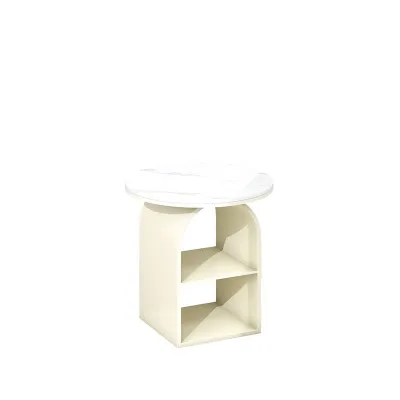
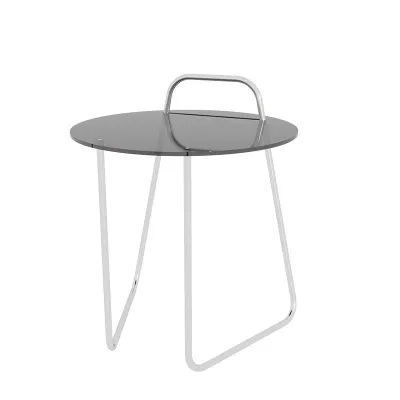
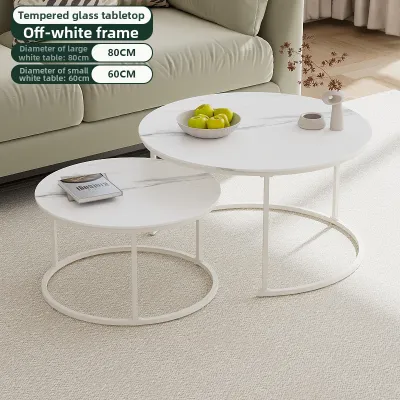
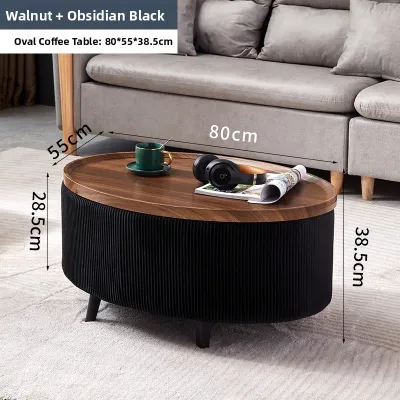
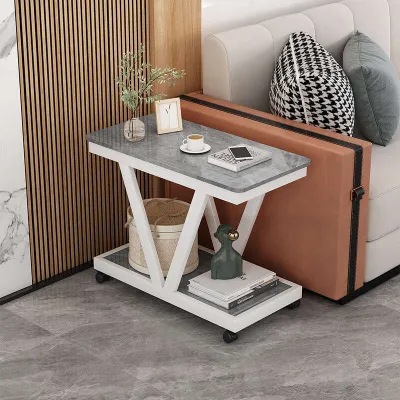
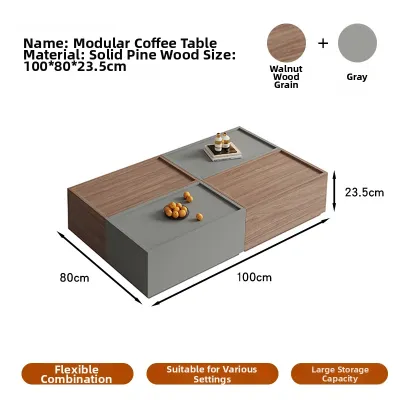
Prices are valid at publication and may change. Please refer to the product page for the latest price.
Lift-Top Mechanisms: Multi-Functionality and Hidden Storage
Lift-top coffee tables feature a mechanical tabletop that lifts upward and forward, shifting from a standard coffee table height of around 40 to 45 centimetres to an ergonomic working or dining height of approximately 60 to 65 centimetres. This transformation is driven by mechanical hardware hidden beneath the surface. High-quality models typically utilize pneumatic gas struts or spring-loaded mechanical hinges. Gas struts offer a smoother, more controlled glide, whereas basic spring hinges can sometimes feel stiff or snap shut quickly if not carefully managed.

The primary advantage of a lift-top table is its ability to maximize utility in small living rooms. When the top is extended, it reveals a deep, continuous internal compartment that can easily swallow bulky items like laptops, gaming controllers, tablets, and throw blankets. This makes it an excellent choice for remote workers or families who need their living room to pivot from an office or dining area during the day to a clean, clutter-free relaxation space in the evening.
However, lift-top tables come with distinct operational trade-offs. Because the mechanism requires the top panel to move, you cannot easily access the internal storage compartment without lifting the surface. If you have drinks, heavy vases, or loose items resting on the table, you must be cautious when operating the lift to prevent items from sliding or tipping over. Additionally, when the top is fully extended, the cantilevered design can become unstable if you lean heavily on the edge, making it less suitable for supporting significant downward force.
Before purchasing a lift-top model, verify the safety features of the lifting hardware. Look for units equipped with built-in soft-close dampeners or physical locking pins that prevent the heavy wooden or stone top from slamming down unexpectedly. This is particularly critical in households with young children or pets. Always consult the manufacturer’s specifications to confirm the maximum weight capacity of the tabletop when it is fully extended, as overloading the cantilevered surface can damage the hinges or tip the entire table forward.
Drawer Storage: Concealing Everyday Clutter
Drawer-based coffee tables offer a traditional, highly reliable storage solution that prioritizes quick, quiet access without disturbing the main tabletop. Because the drawers operate independently of the top surface, you can keep your coffee cups, decorative trays, and books permanently styled on the table while pulling out a drawer to grab a remote control or a pack of tissues.
This mechanism is highly effective at keeping visual clutter out of sight. Drawers provide designated, enclosed zones for small, mismatched household items that otherwise make a living room look untidy. However, drawers add substantial visual mass to the coffee table’s base. Unlike open-legged tables, drawer coffee tables often feature solid side panels and a lower clearance from the floor, which can make a small living room feel more crowded.
When evaluating a drawer coffee table, pay close attention to the structural details and clearance requirements:
- Clearance Space: Drawers require physical space to slide outward. If your coffee table is positioned close to your sofa or TV console, you must ensure there is enough clearance to pull the drawers fully open without hitting your shins or other furniture.
- Runner Quality: Check the drawer glides. High-quality ball-bearing metal slides offer smooth, silent operation and can support more weight than simple wooden grooves. In humid climates like Singapore, wooden runners without metal glides are prone to sticking as the timber naturally expands and contracts with moisture changes.
- Accessibility Direction: Determine if the drawers open from only one side or if they are double-sided. Double-sided drawers, or tables with drawers that pull out from opposite sides, are highly advantageous in tight seating arrangements because they allow access from both the sofa and the surrounding walkway.
- Internal Depth: Many coffee table drawers are surprisingly shallow, often measuring less than 10 centimetres in height. Verify that the internal dimensions are deep enough to accommodate your intended storage items, such as thick books or game controllers.
Open Shelves: Display and Instant Access
Open shelf coffee tables utilize a minimalist structure, typically consisting of a solid tabletop supported by legs with a secondary shelf suspended underneath. This design completely eliminates moving parts, making it a highly durable option with zero mechanical components to wear out, squeak, or misalign over time.
The aesthetic appeal of an open shelf lies in its visual lightness. Because air and light can pass through the open frame, these tables occupy less visual weight in a room, making them an excellent choice for narrow living areas or minimalist interiors. They also offer instant, one-handed access to items. You do not need to pull a handle, lift a lid, or slide a panel to grab what you need.
The primary trade-off of open shelving is exposure. Because everything stored on the shelf is fully visible, any disorganisation is immediately on display to guests. Furthermore, open shelves are prone to rapid dust accumulation, especially in urban homes where windows are frequently kept open. This requires regular dusting and maintenance to keep both the shelf and the stored items looking clean.
To make the most of an open shelf coffee table, use it to store larger, visually appealing items such as hardback art books, neatly stacked magazines, or flat board games. If you need to store smaller, miscellaneous items like charging cables or spare batteries, use decorative storage baskets or felt bins that fit neatly onto the shelf. This creates a modular drawer system that conceals clutter while maintaining the airy aesthetic of the open frame. Avoid placing loose papers, small toys, or valuable electronics directly on open shelves where they can easily collect dust, slide off, or be reached by toddlers and pets.
Hidden Compartments: A Niche Alternative for Valuables and Tech
For homeowners who want to hide specific items without sacrificing the main storage areas of their coffee table, hidden compartments offer a specialized, niche solution. These compartments are typically integrated into the sides, ends, or base of the table, often utilizing touch-latches, magnetic locks, or sliding panels that blend seamlessly into the wood grain or joinery.
These discrete spaces are highly practical for specific tech-focused or security-minded use cases:
- Tech Integration: Some modern tables feature hidden compartments designed to house Wi-Fi routers, power strips, and charging hubs, allowing you to run cables cleanly out of sight without cluttering the tabletop.
- Valuables Storage: Small, concealed cavities can be used to store personal documents, spare keys, or small electronics that you want to keep out of plain sight when guests are visiting.
- Sleek Aesthetics: Because these compartments lack visible handles or hardware, they preserve the clean, uninterrupted lines of modern and Scandinavian furniture designs.
Despite their clever design, hidden compartments have clear limitations. They generally offer very limited storage volume and are not designed to hold bulky, everyday items. Because they rely on precise alignment and specialized latching hardware, these mechanisms can wear out or become misaligned over time if used constantly. They should be viewed as a supplementary, specialized feature rather than the primary storage workhorse of your living room.
Direct Comparison: Capacity, Accessibility, and Visual Impact
To help you weigh the practical differences between these storage mechanisms, the table below compares their core performance characteristics based on general design standards.
| Storage Mechanism | Best For | Accessibility Level | Visual Clutter | Key Limitation |
|---|---|---|---|---|
| Lift-Top | Working, dining, and storing bulky items | Moderate (requires lifting the top surface) | Extremely Low (completely concealed) | Cantilevered top can be unstable if overloaded |
| Drawers | Small everyday items, remotes, and coasters | High (independent of the tabletop) | Low (hidden inside the base) | Requires physical clearance space to pull open |
| Open Shelves | Books, magazines, and decorative baskets | Very High (instant, open access) | High (items are fully visible) | Prone to dust accumulation; requires neat styling |
| Hidden Compartments | Small electronics, cables, and valuables | Low (designed to be discrete) | Extremely Low (seamlessly integrated) | Very limited storage capacity and specialized hardware |
When evaluating these options, consider how the trade-offs affect your household. For instance, if your living room is small but you frequently eat dinner while watching television, the multi-functional utility of a lift-top table will likely outweigh the minor inconvenience of having to clear the tabletop before opening the storage cavity. Conversely, if you have a busy household with children who constantly need access to toys or drawing supplies, a combination of open shelves with child-friendly storage baskets will provide safer, faster access than a heavy mechanical lift-top.
Pre-Purchase Checks: Space, Stability, and Clearance
Before finalizing your purchase of a storage coffee table, it is essential to perform several physical checks to ensure the piece will function safely and comfortably within your layout.
Measuring Dynamic Clearance
Do not measure only the static footprint of the coffee table. You must account for the dynamic space the table requires when its storage mechanisms are fully extended. For drawer coffee tables, measure the depth of the drawer and add that to the table’s width to ensure you still have a comfortable walking path when the drawer is open. For lift-top tables, note that the top does not just rise straight up; it projects forward toward the sofa, typically by 20 to 30 centimetres. Ensure that your seating is positioned far enough back to accommodate this forward projection without crowding your knees.
Verifying Base Stability and Weight
Storage coffee tables, particularly lift-top and drawer models, require a sturdy, well-balanced base. When a lift-top is extended and loaded with a laptop or a meal, the center of gravity shifts forward. If the base of the table is too light or narrow, the table can tip over. Look for tables constructed with a heavy, solid wood or metal base frame. If you are purchasing a drawer table, test whether pulling out a fully loaded drawer causes the table to slide or tilt forward. The table should remain firmly anchored to the floor during all normal operations.
Inspecting Hardware and Maintenance Requirements
Moving parts require ongoing care to ensure longevity. Metal hinges, gas struts, and drawer runners are subject to wear and tear, especially in humid environments where rust or friction can develop. Before buying, review the manufacturer’s assembly instructions to understand how the mechanical parts are installed. Opt for tables that use standard, replaceable hardware rather than highly proprietary systems, so you can easily tighten screws or replace worn parts over time. Always follow the manufacturer’s care instructions regarding lubrication, weight limits, and cleaning to keep the mechanisms operating smoothly for years to come.
Frequently Asked Questions (FAQ)
Can I add storage to an existing coffee table?
Yes, you can add aftermarket storage to a standard coffee table, though these solutions have clear limitations. Popular options include attaching adhesive plastic drawers or wire baskets to the underside of the tabletop, or placing low-profile storage bins directly beneath tables with high floor clearance. If you use adhesive-based storage, be aware that heavy items can cause the adhesive to fail, potentially damaging both your stored items and the table’s finish. For a more secure option, screw-in under-desk drawer slides can be installed, provided the tabletop material is thick enough to accept screws without splitting or puncturing the top surface. Always check your table’s material and consult the manufacturer’s care guidelines before drilling or applying strong adhesives.
Are lift-top coffee tables safe for homes with young children?
Lift-top coffee tables can pose safety risks in homes with young children due to the heavy moving parts and potential pinch points along the metal hinges. If a child attempts to climb on an extended lift-top, the table may tip over, or the top could slam down on small hands. To minimize these risks, look for models equipped with slow-closing hydraulic gas struts, physical safety locks that hold the top securely in the open position, and rounded corners to prevent impact injuries. It is highly recommended to supervise children in the living room and instruct them not to operate or play near the lifting mechanism. When not in active use by an adult, the lift-top should always be kept closed and locked if a mechanism is available.
Community discussion
Share your experience or ask a question. Comments are reviewed before publication.