
Selecting a premium office chair for a home office is a highly individual decision where brand reputation alone cannot guarantee comfort. Both Steelcase and Herman Miller are globally recognized industry leaders, yet they approach ergonomic support from fundamentally different design philosophies. Rather than one brand being universally superior, the ideal choice depends on your unique body proportions, daily sitting habits, and the physical constraints of your home workspace. By evaluating how each manufacturer designs for movement, material durability, and spatial integration, you can identify the chair that best supports your long-term productivity and physical well-being.
In a home office environment, where a single chair often serves multiple purposes—from focused deep work to casual browsing—the demands placed on seating are distinct from those in a corporate setting. Factors such as local climate, room dimensions, and aesthetic harmony with residential decor play a critical role in long-term satisfaction. This guide outlines a practical framework to help you evaluate both brands based on ergonomic design philosophies, verifiable build quality, spatial fit, and long-term value, ensuring you make an informed decision for your daily work setup.
Ergonomics and Adjustability: Matching the Chair to Your Body
To choose between these two industry giants, it is essential to understand their contrasting approaches to ergonomic support. Steelcase generally designs chairs that prioritize active movement and highly intuitive, manual adjustability. Their engineering philosophy focuses on a dynamic backrest concept, where the chair mimics the natural movement of your spine as you shift postures throughout the day. This approach is highly beneficial for users who frequently change positions, lean forward, or prefer a cushioned, traditional seat feel that moves with them.
Products mentioned in this guide
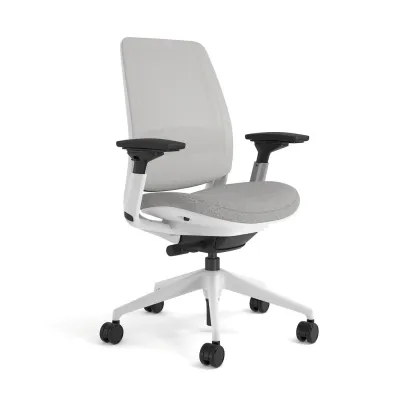
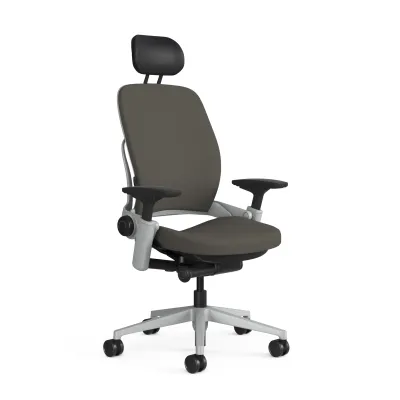
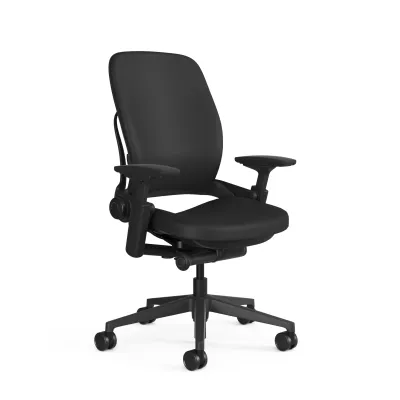
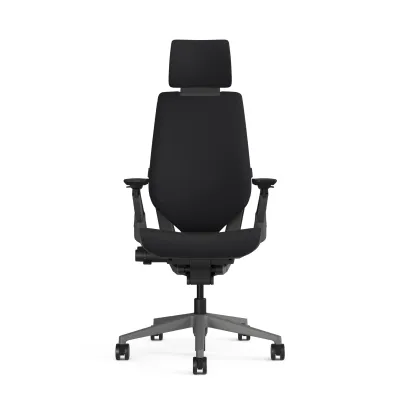
Prices are valid at publication and may change. Please refer to the product page for the latest price.
Conversely, Herman Miller often emphasizes structured suspension and balanced, neutral posture. Many of their iconic designs utilize advanced elastomeric mesh suspension that distributes body weight evenly across the seat and backrest. This design philosophy guides the body into an ergonomically optimal, upright alignment, reducing pressure points without requiring constant manual adjustments. For individuals who prefer a disciplined, weightless sitting sensation and tend to maintain a consistent posture while working, this structured approach can offer exceptional long-term comfort.
Beyond general design philosophies, you must check specific adjustment ranges on manufacturer specification sheets against your own body measurements. Key metrics to compare include seat height, seat depth, and armrest multidimensional movement. For instance, a seat depth adjustment is critical for ensuring proper thigh support without placing pressure on the back of your knees. If a chair lacks this adjustment, users with shorter or longer leg lengths may find themselves unable to sit fully back against the lumbar support. Similarly, look for armrests that adjust not just in height, but also in width, depth, and angle to ensure your shoulders remain relaxed and your elbows are supported at a comfortable 90-degree angle.
Because ergonomic comfort is highly subjective, brand reputation alone cannot guarantee a perfect fit. It is highly recommended to test these chairs in person at a local showroom or carefully verify the retailer’s return policy before committing to a purchase. A chair that looks ideal on paper may feel entirely different when experienced firsthand, making a flexible return or trial period an invaluable safeguard for your investment.
Build Quality and Materials: What to Inspect for Long-Term Use
A premium office chair is a significant financial commitment, making durability and material quality primary considerations. When evaluating models from either brand, start by verifying the official weight limits and base materials directly on the product specification sheets. High-quality models typically feature bases constructed from polished aluminum or heavy-duty, glass-reinforced polymers, which offer superior stability and resistance to wear compared to standard plastics.

Upholstery selection is another critical factor, particularly when configuring a chair for a home office in Singapore’s warm and humid climate. Mesh upholstery provides outstanding breathability by allowing continuous airflow, which helps regulate body temperature and prevents heat buildup during long working hours. On the other hand, fabric and leather options offer a plush, traditional feel, but they may retain more heat and require a climate-controlled room to maintain optimal comfort.
Maintenance routines also vary significantly by material. Mesh is generally easy to vacuum but can accumulate dust within the intricate frame joints over time. Fabric upholstery offers a wider range of textures and colors but requires prompt spot cleaning to prevent stains and may benefit from periodic professional cleaning. Leather provides a luxurious aesthetic and is easy to wipe down, but it demands regular conditioning to prevent cracking in humid environments.
Finally, always examine the mechanical warranty coverage in detail. While both brands are famous for offering extensive warranties, you must check the fine print to understand what is actually protected. A comprehensive warranty should cover the structural frame, tilt mechanism, and gas cylinder for the same duration. Be sure to identify any exclusions or shorter coverage periods for consumable components, such as armrest pads, casters, and upholstery fabrics, which naturally experience faster wear and tear.
Space and Aesthetics: Fitting Premium Chairs into a Home Office
Unlike corporate offices with standardized layouts, home offices require furniture that integrates seamlessly into residential spaces. Before purchasing, it is vital to measure your available floor space, desk clearance, and door widths. In compact residential layouts, such as Singapore’s HDB flats or condominiums, a bulky chair can easily obstruct walkways or fail to fit through narrow doorways and lift entrances during delivery.
Desk clearance is equally important; ensure the chair’s armrests can lower sufficiently to slide under your desk when not in use. This simple check prevents the chair from protruding into the room, saving valuable floor space in shared living areas or bedrooms. Additionally, you must verify the chair’s maximum height and full recline clearance. A chair with a deep recline mechanism requires a clear radius behind it to avoid colliding with walls, bookshelves, or nearby storage units.
Aesthetics play a major role in maintaining a cohesive home environment. Many premium office chairs feature highly industrial, office-centric designs that can look stark or out of place in a warm, residential setting. To mitigate this, look for customization options that allow you to match the chair’s silhouette and color palette with your existing decor. Choosing lighter frame colors, such as mineral, white, or light grey, combined with neutral fabric tones, can help a high-performance ergonomic chair blend gracefully into a living room or bedroom workspace without dominating the visual landscape.
Value and Investment: Evaluating Pricing and After-Sales Support
Evaluating the total cost of ownership requires looking beyond the initial retail price. When comparing models, strictly look at official retail prices and authorized dealer promotions in S$. Purchasing through authorized local distributors is crucial; while unauthorized third-party sellers or parallel importers on online marketplaces may offer lower upfront prices, these transactions often void the manufacturer’s warranty. If a complex mechanical component like the tilt tension or gas lift fails, you may face expensive, out-of-pocket repair costs that far outweigh any initial savings.
When reviewing the warranty terms, pay close attention to the local service availability. Confirm that the authorized dealer has a physical service center and qualified technicians in Singapore. Some warranties may cover parts but require you to pay for labor or transport, while others offer comprehensive on-site servicing. Knowing that a technician can visit your home to repair a squeaky mechanism or replace a worn caster provides immense peace of mind.
Additionally, consider the long-term availability of replacement parts. Premium chairs are engineered to last for over a decade, meaning you may eventually want to replace worn casters, upgrade to hard-floor wheels, or refresh the armrest pads. Choosing a brand with a strong, established local presence ensures that genuine replacement parts will remain accessible years down the road, protecting your investment and extending the lifespan of your chair.
Decision Framework: Choosing the Right Brand for Your Setup
To finalize your decision, use this conditional framework to align your specific needs with the strengths of each brand:
- Choose Steelcase if: You prefer a traditional, cushioned seat feel, value highly adjustable armrests and seat depth, and want a chair that dynamically conforms to your body as you shift between upright typing and relaxed reclining throughout the day.
- Choose Herman Miller if: You prioritize maximum breathability in a warm climate, prefer a suspended, weightless sitting sensation, and want a structured frame that actively encourages and maintains an ergonomically optimal, upright posture.
- Verify first if: Your desk height allows the chair to slide underneath, your floor surface requires specialized casters (such as soft polyurethane wheels for timber floors or hard nylon wheels for carpets), and the local retailer offers a clear, documented return policy.
Before making your final purchase, complete this quick pre-purchase checklist:
- Measure: Confirm desk clearance, doorway widths, and the recline radius in your home office.
- Verify Specs: Check the manufacturer's spec sheet for seat height ranges and weight capacities to ensure a safe match.
- Confirm Source: Ensure you are purchasing from an authorized local dealer in Singapore to secure full warranty protection and access to local repair services.
Frequently Asked Questions (FAQ)
Do premium office chairs require professional assembly?
While many premium office chairs from these brands arrive fully or partially assembled, assembly requirements can vary depending on the specific model and retailer. It is highly recommended to strictly follow the included manufacturer manual to avoid damaging sensitive mechanical components. Additionally, check if your authorized local retailer offers white-glove delivery and assembly services, which ensures the chair is set up correctly and safely in your home without any hassle.
How should I clean and maintain mesh or fabric upholstery?
To preserve the appearance and performance of your chair, always check the manufacturer’s specific care label before cleaning. For mesh upholstery, regular vacuuming with a soft brush attachment is usually sufficient to remove dust and debris. For fabric upholstery, address spills immediately by blotting with a clean, damp cloth, and use only recommended mild, water-based cleaners. Avoid harsh chemical solvents, bleach, or abrasive scrubbing tools, as these can degrade the fibers, damage the structural integrity of the mesh, and potentially void your warranty.
Community discussion
Share your experience or ask a question. Comments are reviewed before publication.