
Selecting a high-end ergonomic chair is one of the most significant investments you can make for a home office. When comparing the Steelcase Leap and the Herman Miller Aeron, there is no single option that suits every user. The ideal choice depends on your physical proportions, daily sitting habits, and thermal comfort preferences.
The Herman Miller Aeron is designed for structured, suspended support. It utilizes a specialized elastomeric mesh that distributes body weight evenly and promotes maximum airflow, making it highly effective for individuals who prefer a disciplined, upright posture and those who work in warm environments. Conversely, the Steelcase Leap features a flexible fabric-and-foam design. It uses a dynamic backrest that contours to the movement of your spine, accommodating frequent posture shifts and offering the familiar comfort of traditional cushioning.
For home offices in Singapore, where tropical humidity and varying study room layouts influence purchasing decisions, understanding these mechanical and material differences is essential. The following sections analyze how each chair performs across key ergonomic, structural, and practical categories to help you make an informed decision.
Products mentioned in this guide
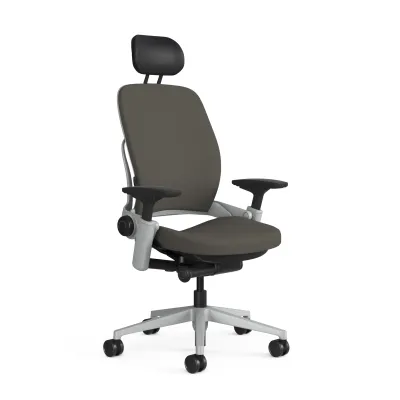
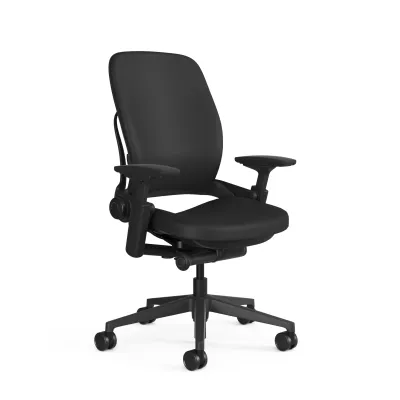
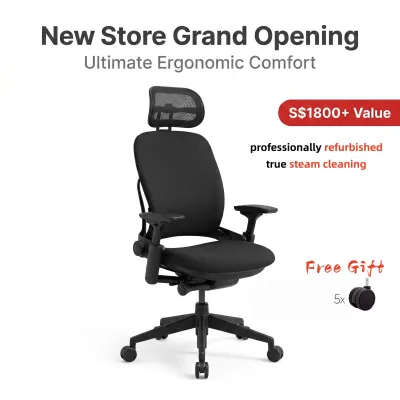
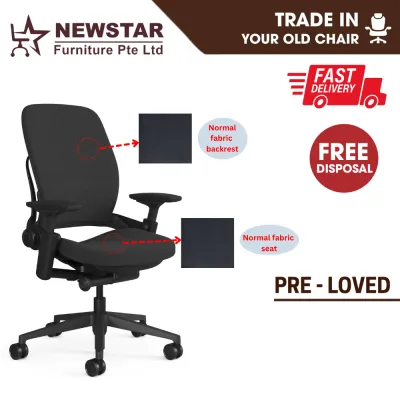
![[Pre-Loved] Steelcase Series 1 Sustainable Ergonomic Office Chair 6 Months Warranty - Newstar Furniture](https://img.lazcdn.com/g/p/ecceaab13c81bbb50612b84be270b3a1.png_400x400q80.png_.webp)
![[NEW LAUNCH] Hinomi Q2 Pro Ergonomic Office Chair Adjustable Lumbar Support Memory Foam Headrest Armrest Legrest](https://img.lazcdn.com/g/p/2511c0cbd726c874804f10dec73624a5.jpg_400x400q80.jpg_.webp)
Prices are valid at publication and may change. Please refer to the product page for the latest price.
Backrest and Lumbar Support: Mesh vs. Flexible Spine
Herman Miller Aeron: The Structured Mesh Experience
The backrest of the Herman Miller Aeron is defined by its proprietary 8Z Pellicle mesh material. This textile is suspended across a rigid composite frame, featuring eight distinct zones of varying tension. The mesh is tightest at the edges and more forgiving in the center, cradling the thoracic and sacral regions of the spine without the use of traditional foam.
To support the lower back, the Aeron utilizes the PostureFit SL system. This mechanism features two adjustable pads that stabilize the sacrum and support the lumbar region of the spine, mimicking a healthy standing posture. The support system is highly structured, meaning it actively discourages slouching by keeping the pelvis tilted slightly forward.
Because the mesh is suspended across a firm perimeter frame, the backrest does not twist or bend with lateral body movements. It requires the user to sit in a centered, forward-facing position to receive the full benefit of its ergonomic design.
Steelcase Leap: The Dynamic LiveBack System
The Steelcase Leap takes a highly active approach to spinal support through its patented LiveBack technology. Instead of relying on tensioned mesh, the Leap uses a flexible plastic spine integrated into a padded backrest. This design allows the backrest to change shape dynamically, mimicking the natural movement of your spine as you recline, stretch, or shift your weight.
For lumbar customization, the Leap features two distinct manual controls. A height-adjustable lumbar support slider allows you to target the exact curve of your lower back, while a lower back firmness knob adjusts the level of resistance the lower backrest provides when you lean back.
This flexible construction ensures constant contact with your back, even when you twist or lean to one side. The backrest absorbs and mirrors physical movement, making it highly accommodating for users who find rigid frames restrictive.
Backrest Comparison: Posture Correction vs. Natural Movement
- Posture Alignment: The Aeron acts as an active posture corrector, keeping you in an anatomically optimal, upright position. The Leap acts as a supportive shadow, adapting its shape to whatever posture you choose to adopt throughout the day.
- Lumbar Adjustability: The Aeron's PostureFit SL focuses on depth and sacral stabilization. The Leap provides independent control over both the height of the lumbar pad and the tension of the lower backrest, offering a wider range of manual customization.
- Physical Feedback: The Aeron's rigid frame can feel restrictive if you prefer to drape a leg over the side or lean sideways. The Leap's frame lacks hard outer edges, allowing for a broader range of motion.
Before purchasing, check whether the model you are looking at includes these lumbar adjustment options. Base configurations of both chairs sometimes omit these premium support systems, which can significantly alter the sitting experience.
Seat Comfort and Adjustability for Daily Work
Seat Pan Design and Pressure Distribution
The seat of the Herman Miller Aeron is a suspended mesh pan. This design eliminates pressure points on the sit bones by distributing weight across the elastic Pellicle material. However, the seat is bordered by a thick, rigid plastic frame. If the chair is too small for your frame, or if you prefer to sit cross-legged, your thighs may press against this hard outer rim, which can restrict blood circulation over long periods.

In contrast, the Steelcase Leap features a contoured polyurethane foam seat cushion wrapped in fabric. The front edge of the seat pan is designed with a flexible lip that bends downward when pressure is applied. This flexible edge reduces pressure behind the knees and accommodates various leg angles without restricting blood flow.
Sizing Strategy: Fixed Sizes vs. Universal Adjustability
- Herman Miller Aeron Sizing: The Aeron does not use an adjustable seat depth. Instead, it is sold in three distinct, fixed sizes: A (small), B (medium), and C (large). This means you must select the correct size for your height and weight from the outset. If multiple people of different sizes share the same home office chair, the Aeron may not accommodate everyone comfortably.
- Steelcase Leap Sizing: The Leap is designed as a one-size-fits-all chair. It features an adjustable seat depth slider that allows you to move the seat pan forward or backward relative to the backrest. This mechanical adjustability allows the chair to be customized for users of varying heights, making it highly versatile for shared household use.
Armrests and Recline Mechanisms
Both chairs offer highly adjustable armrests, but their movement patterns differ. The fully adjustable armrests on the Aeron adjust for height, depth, and pivot inward or outward. The Leap features 4D armrests that go a step further, allowing you to adjust height, depth, width (moving the armrests closer to or further from your body), and pivot angle. The Leap’s armrests are highly regarded for their wide range of motion, which is particularly beneficial for supporting your forearms while typing on compact desks.
The recline systems also follow different philosophies. The Aeron features a Harmonic Tilt mechanism that keeps the seat and backrest moving in a synchronized, balanced ratio. It also offers a forward-tilt option, which angles the seat slightly downward for intensive, task-focused work.
The Leap uses a Variable Back Stop system with five tilt-limit positions, paired with a Natural Glide system. As you recline in the Leap, the seat pan glides forward rather than tilting upward. This keeps your feet flat on the floor, your eyes aligned with your computer screen, and your hands within comfortable reach of your desk.
When ordering online, verify the exact armrest and tilt adjustments included in the specific configuration. Base models of both chairs often feature height-adjustable-only arms and standard tilt locks, which omit the advanced ergonomics that define these models.
Build Quality, Materials, and Home Environment Fit
Thermal Comfort and Maintenance
- The Aeron's Mesh Advantage: The Pellicle mesh of the Herman Miller Aeron allows air, body heat, and water vapor to pass freely through the seat and backrest. In Singapore's tropical climate, this open-weave design prevents heat buildup, allowing you to remain cool even in rooms without air conditioning. Maintenance is straightforward; the mesh resists spills and can be wiped down easily with a damp cloth.
- The Leap's Fabric Comfort: The Steelcase Leap relies on high-density foam and fabric upholstery. While modern ergonomic fabrics are designed to be breathable, they naturally retain more body heat than mesh. If your home office is not air-conditioned, you may experience heat buildup over long working sessions. Fabric also requires regular vacuuming and prompt spot-cleaning to prevent sweat stains and dust accumulation. Always consult the manufacturer's care label for approved cleaning agents.
Aesthetics and Spatial Footprint
The Aeron has a distinct, industrial aesthetic characterized by its exposed structural frame and metallic finishes. It presents a professional, corporate appearance that stands out in a residential setting. Because of its wide, flared backrest and broad base, it requires a clear spatial footprint to avoid hitting nearby furniture.
The Leap features softer, organic lines and a fully upholstered backrest, allowing it to blend more naturally into traditional home decor. It has a slightly narrower profile, making it easier to tuck under standard study desks when not in use.
Floor Compatibility and Weight Capacity
Before installing either chair in your home office, check the caster specifications. Standard hard nylon casters are designed for carpeted floors and can scratch or dent hardwood, engineered timber, vinyl, or tiled floors common in Singaporean homes. Ensure your configuration includes soft, polyurethane roll-control casters if you are placing the chair on hard flooring.
Additionally, verify the weight capacity of the specific model. The Steelcase Leap is rated to support up to 181 kg, while the Herman Miller Aeron’s weight capacity varies by size, with Size B and C supporting up to 159 kg. Check the manufacturer’s official specification sheet to confirm these limits before making your purchase.
Pricing, Warranties, and Buying in Singapore
Evaluating the Premium Investment
Both the Steelcase Leap and the Herman Miller Aeron represent a significant financial investment, typically ranging from S$1,500 to over S$2,500 depending on the materials, finishes, and adjustment packages selected. This premium price point is justified by their high-grade engineering, structural durability, and long-term ergonomic benefits, which help reduce physical strain over years of daily use.
Navigating Singapore's Authorized Channels
To protect your investment, purchase these chairs only through authorized local distributors, official brand showrooms, or verified corporate suppliers in Singapore. Buying from unauthorized third-party sellers or parallel importers on online marketplaces carries significant risks:
- Voided Warranties: Manufacturer warranties for both brands are typically non-transferable and apply only to products purchased through authorized channels.
- Refurbished Units: Some online listings advertise imported or refurbished chairs as brand new, using generic replacement parts that may not meet original safety standards.
- Lack of After-Sales Support: Authorized dealers provide local technicians to handle on-site repairs, whereas unauthorized sellers rarely offer reliable long-term support.
Warranty Terms and Configuration Audits
Herman Miller and Steelcase are known for their comprehensive warranties, which often cover up to 12 years of residential use. However, you must verify the exact terms with the seller before finalizing your purchase. Confirm which components are covered (such as the gas cylinder, tilt mechanism, and fabrics) and whether the warranty includes on-site labor and parts replacement in Singapore.
When requesting a quote or placing an order, ask the dealer for a detailed breakdown of the chair’s configuration. Ensure that premium features—such as fully adjustable armrests, advanced lumbar support systems, and hard-floor casters—are explicitly listed on your invoice so you do not receive a base-spec model by mistake.
Decision Framework: How to Make Your Final Choice
To determine which chair best fits your home office, evaluate your sitting habits, physical space, and comfort priorities against the structured profiles below.
Choose the Herman Miller Aeron if:
- You prefer a disciplined posture: You want a chair that actively encourages an upright, ergonomically correct position and discourages slouching.
- Thermal comfort is your priority: You work in a warm or non-air-conditioned room and need maximum breathability to prevent heat buildup.
- You prefer a suspended feel: You enjoy the sensation of floating on a tensioned surface rather than sitting on a traditional foam cushion.
- You are the sole user: You can select the exact size (A, B, or C) that matches your body dimensions, and you do not need to share the chair with others of different heights.
Choose the Steelcase Leap if:
- You shift positions frequently: You like to recline, stretch, lean, or occasionally tuck a leg beneath you while working.
- You prefer traditional cushioning: You want a soft, contoured foam seat that flexes at the front edge to relieve thigh pressure.
- You need maximum adjustability: You want a single chair that can be adjusted in seat depth, back tension, and armrest width to fit different body types.
- You want a softer aesthetic: You prefer a chair with fully upholstered fabric and rounded lines that blends easily into home decor.
Pre-Purchase Checklist
If you are purchasing without testing the chairs in person, perform the following verification steps first:
- Check the Return Policy: Confirm that the seller offers a clear return or exchange window in case the chair's frame size or material does not suit your body.
- Verify the Trim Level: Double-check the specification sheet to ensure fully adjustable armrests and premium lumbar supports are included in your order.
- Confirm the Local Warranty: Ensure you receive an official invoice from an authorized Singapore dealer to guarantee long-term warranty coverage.
- Measure Your Workspace: Verify that the chair's base diameter, armrest height, and maximum recline depth fit comfortably within your study room and under your desk.
Community discussion
Share your experience or ask a question. Comments are reviewed before publication.