
Choosing between a steel and an aluminium metal storage box for your closet comes down to balancing structural strength against weight and moisture resistance. While steel provides exceptional rigidity and load-bearing capacity for heavy items, its weight can make high-shelf storage challenging, and it requires a high-quality protective finish to withstand humid environments. Aluminium offers a lightweight, naturally corrosion-resistant alternative that is easier to lift and maneuver, though its load capacity depends heavily on the thickness of the metal and specific structural reinforcements. By evaluating your closet’s humidity levels, shelf weight limits, and what you plan to store, you can select the material that keeps your belongings safe and accessible.
Understanding the Core Differences in Metal Storage Boxes
Steel and aluminium possess distinct physical properties that dictate how they perform as closet organizers. Steel is an alloy of iron and carbon, known for its high density and exceptional structural rigidity. This density gives a steel metal storage box a solid, heavy feel and makes it highly resistant to bending or warping under heavy loads. Aluminium, by contrast, is roughly one-third the density of steel, resulting in a lightweight container that is significantly easier to slide, lift, and carry, even when fully packed.
However, simply knowing the metal type is not enough to determine quality. You must check the product specifications for material thickness, often measured in millimeters or gauge, and specific alloy grades. Thin-gauge steel can warp under pressure just as easily as thin aluminium, while high-grade, thick-walled aluminium can rival the strength of standard steel boxes. Look for manufacturing details such as rolled edges, double-walled construction, or welded joints, which indicate how well the box will maintain its shape over years of use.
Products mentioned in this guide
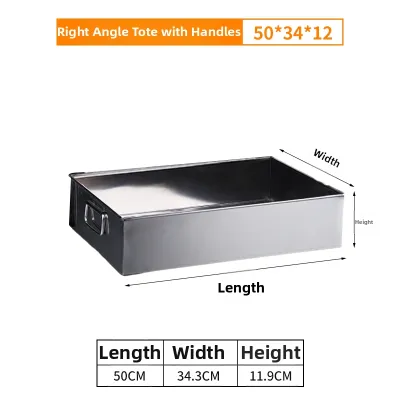
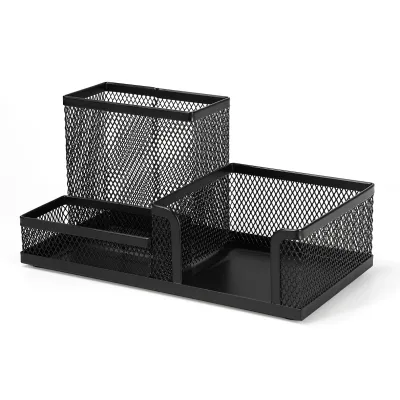
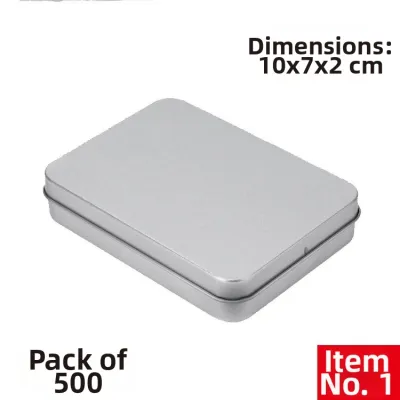
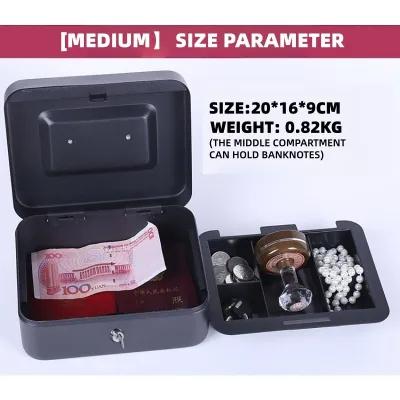
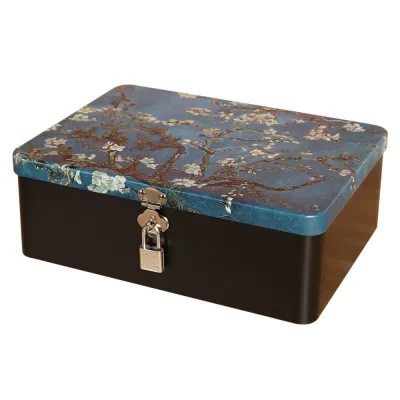
Prices are valid at publication and may change. Please refer to the product page for the latest price.
These baseline physical traits directly influence where the boxes should live in your closet. A heavy steel box is best suited for the closet floor or lower shelves, where its weight will not strain the closet structure or pose a safety hazard during retrieval. An aluminium box is highly versatile, making it the ideal candidate for overhead shelves or pull-out organizers that you need to access frequently.
Evaluating Rust Resistance and Closet Environment
Closets are often enclosed spaces with limited airflow, making them susceptible to moisture buildup. In humid climates, such as in Singapore, or in closets located adjacent to en-suite bathrooms, humidity can quickly settle on metal surfaces. If moisture is trapped against bare metal, oxidation occurs. For steel, this leads to rust, which can stain fabrics and eventually compromise the structural integrity of the box. Aluminium forms its own protective oxide layer, but it can still undergo pitting or white-rust corrosion under prolonged exposure to damp, stagnant air.

To prevent corrosion, you must look beyond the basic material name and inspect the surface treatment. High-quality steel boxes should feature a durable powder-coated finish or a galvanized layer that acts as a barrier against moisture. For aluminium, look for anodized finishes, which chemically harden the surface and increase resistance to wear and environmental moisture. Always verify these surface treatments on the product label or manufacturer’s specification sheet before purchasing.
If you already own metal storage boxes, perform regular inspections to ensure they remain safe for your clothes. Check the corners, edges, and joints for any signs of chipping, bubbling, or peeling in the powder coating. Run a dry cloth along the interior seams to check for orange rust residue on steel or white, powdery deposits on aluminium. Inspect the bottom of the box for scratches caused by sliding across closet shelves, as these exposed areas are highly vulnerable to moisture. If you detect any compromised coatings or active oxidation, remove the box from the closet immediately or line it with a protective barrier to prevent ruinous stains on your garments.
Matching Weight and Load Capacity to Your Storage Needs
The weight of the empty box itself plays a major role in closet safety and usability. A large, empty steel box can weigh several kilograms, and once filled with heavy items like books, winter coats, or spare bedding, it can become incredibly difficult to lift safely. If you plan to store items on high shelves, an aluminium metal storage box is generally the safer choice, reducing the physical strain of lifting items overhead and minimizing the risk of accidental drops.
Before loading any metal storage box, verify the manufacturer’s stated maximum load capacity. Do not assume a metal box can hold unlimited weight. Look for structural reinforcements that enhance load-bearing capabilities without adding excessive weight. These include ribbed bases, reinforced corner brackets, and rolled top rims. A box with a flat, unreinforced bottom is far more likely to sag or warp when filled with heavy items.
To maintain the shape of your storage boxes and ensure safe handling, always distribute weight evenly. Place the heaviest items at the bottom of the box and lighter items on top. Avoid overloading the box past its designated capacity, as structural warping can prevent the lid from sealing correctly, leaving your clothes vulnerable to dust and pests. When lifting heavy boxes, always use proper lifting techniques, keeping the load close to your body, or seek assistance if the box is positioned above shoulder height.
Space, Dimensions, and Closet Compatibility
Before purchasing any metal storage box, precise measurements of your closet space are essential. Measure the depth, width, and height of your shelves, keeping in mind any obstructions such as door hinges, sliding door tracks, or hanging rods. Ensure there is sufficient clearance not just for the box to slide in, but also for you to open the lid or pull out drawers comfortably without hitting the shelf above.
You must also consider the load capacity of your closet shelving itself. Built-in wardrobes and wire shelving units have strict weight limits. Placing multiple heavy steel boxes on a single shelf can cause the shelf to bow or collapse, potentially damaging your wardrobe structure. Calculate the combined weight of the empty metal boxes and the items you plan to store inside them, and compare this total against your shelving manufacturer’s weight guidelines.
For larger, pre-assembled metal storage chests or multi-drawer units, plan the delivery path carefully. Measure the width of your doorways, hallways, and stairwells to ensure the unit can be transported to your bedroom without damaging walls or the unit itself. If you live in a high-rise apartment, verify that the dimensions of the unit fit comfortably within the building’s lift.
Maintenance and Care for Metal Closet Organizers
Proper maintenance ensures your metal storage boxes remain clean and rust-free for years. To clean the boxes, use a soft microfiber cloth dampened with a mild, pH-neutral detergent and warm water. Gently wipe down both the interior and exterior surfaces to remove dust, lint, and closet odors.
Never use abrasive scrubbers, steel wool, or harsh chemical cleaners like bleach or ammonia. These abrasive materials can scratch powder coatings or strip away anodized layers, exposing the raw metal underneath to moisture and accelerating corrosion.
After cleaning, it is critical to dry the box completely. Wipe all surfaces with a dry towel and leave the box open in a well-ventilated room for several hours before returning it to the closet. Trapping even a small amount of moisture inside a sealed metal box can lead to musty odors, mold growth on your clothes, or localized corrosion on the metal itself.
Frequently Asked Questions (FAQ)
Can I use steel storage boxes in a humid closet?
Yes, but their performance depends entirely on the quality and integrity of their protective coating. A steel box with an intact, high-quality powder coating or galvanized finish will resist rust even in humid conditions. However, if the finish becomes scratched or chipped, moisture in the air will quickly reach the raw steel and cause rust. To protect your items, regularly inspect the coating for damage and consider using desiccant packs or improving closet ventilation to manage humidity levels.
Are aluminium storage boxes strong enough for heavy winter clothes?
Aluminium storage boxes are highly capable of storing heavy winter clothes, provided you choose a model with the appropriate structural design. While aluminium is lighter than steel, manufacturers often compensate by using thicker sheets or adding structural reinforcements like ribbed walls and reinforced corners. Always check the manufacturer’s specified load rating to ensure the box can handle the weight of dense fabrics without warping or bending.
Community discussion
Share your experience or ask a question. Comments are reviewed before publication.