
Choosing the right small storage box for your closet accessories comes down to a balance between the physical characteristics of your items and your personal daily habits. There is no single option that works for everyone. While a standard small bin offers open, unstructured flexibility for quick drop-in storage, a compartmentalized storage box provides dedicated slots that keep delicate items separated, visible, and protected from tangling. To build an organized closet that actually stays tidy, you must evaluate how you interact with your accessories every morning and how much physical space you have on your shelves.
Core Differences: Standard Bins vs. Compartmentalized Boxes
To make an informed decision, it is essential to understand how these two storage styles differ in their construction, material composition, and intended function.
Defining Standard Small Bins
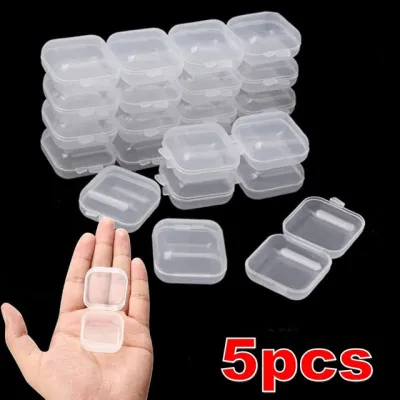
Standard small bins are open-format containers characterized by a single, undivided interior cavity. They are typically constructed from materials such as fabric, plastic, felt, or woven natural fibers. Because they lack internal walls, these bins maximize the total usable volume of the container, allowing you to store items of various shapes and sizes together. They are highly forgiving of irregular shapes and permit rapid, single-handed retrieval and storage. However, this lack of structure means items can easily shift, pile up, or become tangled if the bin is moved or overfilled.
Products mentioned in this guide
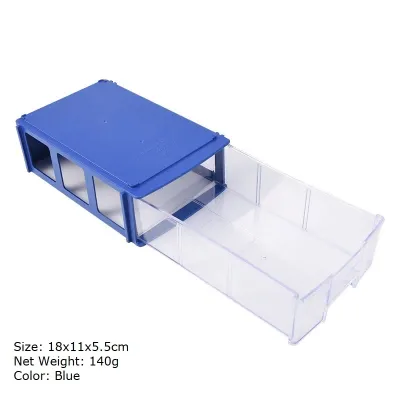
2 Lazada user ratings
I'm very satisfied with my purchase. The quality is great, especially compared to similar products I've used before. It's a must-buy item th…Read full reviewShow less
I'm very satisfied with my purchase. The quality is great, especially compared to similar products I've used before. It's a must-buy item that I highly recommend.
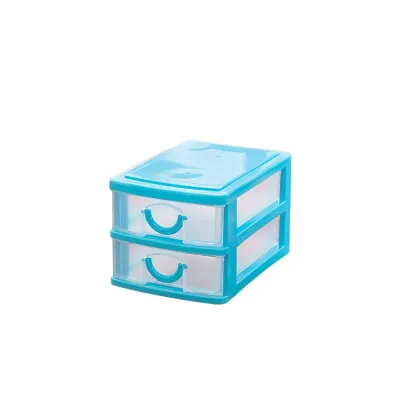
5 Lazada user ratings
Safety: Peace of mind, Kid-friendly, Design: Attractive designs, Eye-catching, Durability: High-quality materials, Lasts for years,
Design:As per advertisement 🛠️Durability:Normal plastic 📏Size:As per advertisement Size is ABIT small.
Item is really small. Suitable for eraser, beads type only
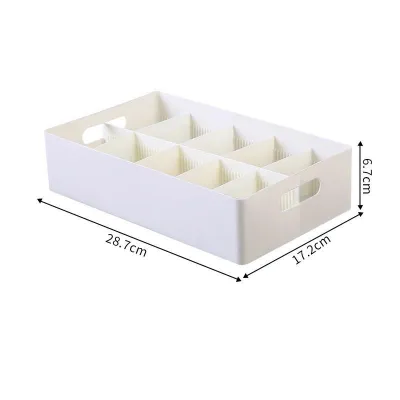
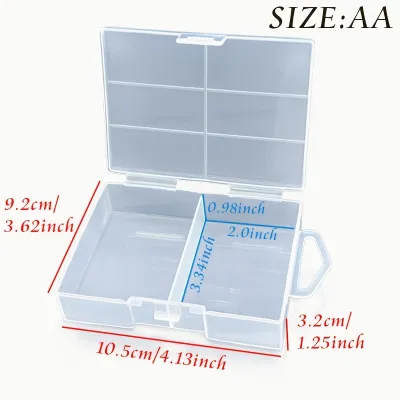
153 Lazada user ratings
Just as I ordered, everything was great. Thank you to the seller, satisfied with this purchase.
Exactly as described. Fast delivery, excellent communication - highly recommend this seller.
Got it quick, thanks to the seller. Great for organizing all sorts of small fishing gear.
98 Lazada user ratings
5out of 10 po ay sira hindi syq naglalock.so hindi sya magagamit. sayang angvmoney na ibinayad ko. paano po mapapalitan . shame on you selle…Read full reviewShow less
5out of 10 po ay sira hindi syq naglalock.so hindi sya magagamit. sayang angvmoney na ibinayad ko. paano po mapapalitan . shame on you seller. kapag naman po sira na wag nyo na ididiliver. kahit po mura lang ang item...nakakahiya naman po ang ginagawa nyo!
Very good product, reasonable price, exactly as shown. the shop was packed well. delivery is fast. good transportation. good manners. cute.
Well received. Functional but locking part a bit flimsy. Size just nice to put pills for medical emergency.
To store 10 earrings, there is 1 that cannot be used. the lid cannot be closed at all ...................:
Very tiny & cute. looks exactly as advertised. received fast
Prices are valid at publication and may change. Please refer to the product page for the latest price.
When selecting standard bins, pay close attention to the structural integrity of the walls. Fabric bins with thin cardboard inserts may bow or sag over time if filled with heavy items like metal-buckled leather belts. For heavier accessories, molded plastic or woven wood baskets offer greater rigidity and longevity. Additionally, consider the texture of the interior; rough woven baskets can snag delicate silk or lace accessories, so look for lined options if you plan to store fragile fabrics.
Defining Compartmentalized Storage Boxes
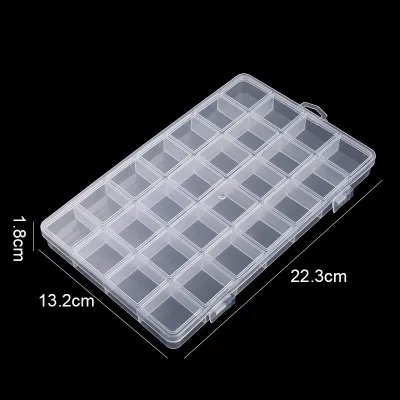
Compartmentalized storage boxes feature built-in dividers that partition the interior space into smaller, individual cells or rows. These dividers may be rigid and fixed in place, or semi-flexible and adjustable depending on the design. The primary purpose of these boxes is to enforce order by assigning a dedicated home to every single item, such as a rolled belt, a folded tie, or a specific piece of jewelry. This structure prevents items from touching, rubbing, or tangling, but it also imposes strict limits on the size and shape of what can be stored inside each compartment.
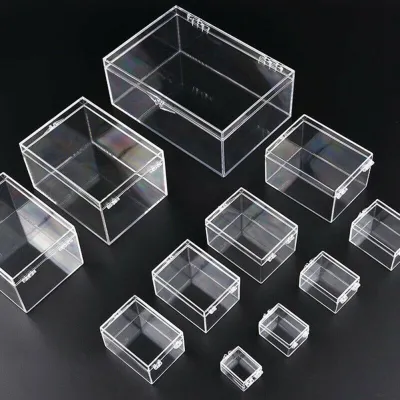
These boxes are often made from rigid materials like acrylic, molded plastic, or fabric-covered cardboard to ensure the dividers remain upright and functional. Acrylic options offer high visibility, allowing you to see the contents from the side as well as the top, which is highly beneficial when the box is placed on an eye-level shelf. Fabric-covered options often feature soft linings, such as velvet or microfiber, which provide a gentle surface for delicate items like watches and jewelry, preventing scratches and minor abrasions.
The height of the internal dividers is also a critical factor. In some low-cost models, the dividers do not reach the full height of the box, which can allow thin items like necklaces or silk scarves to slip underneath the partitions and migrate into adjacent cells. For optimal organization, look for boxes where the dividers are securely stitched or molded to the bottom panel. If you plan to store watches, ensure the compartments are wide enough to accommodate the watch faces without them pressing against each other.
Key Comparison Dimensions for Closet Accessories
When organizing accessories like belts, ties, watches, scarves, and jewelry, evaluating how each storage type performs across specific practical dimensions will help you avoid common organization pitfalls.

Space Efficiency and Shelf Utilization
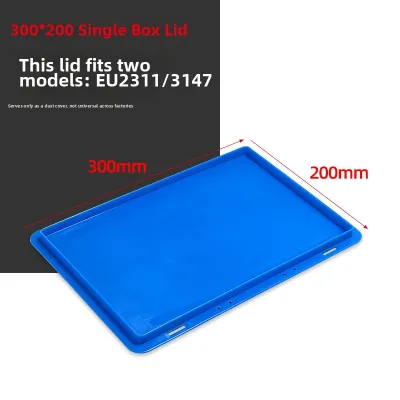
Maximizing the physical footprint of your closet shelves requires careful consideration of how storage boxes fit together. Standard small bins excel at utilizing deep or unusually tall shelves because they can hold bulkier items that fill the entire volume of the container. They can also be stacked easily if they feature flat, rigid lids, allowing you to make full use of vertical space that might otherwise go wasted.
In contrast, compartmentalized boxes often require more horizontal surface area relative to the volume of items they hold, as the internal dividers themselves occupy physical space. If you have shallow shelves, a wide, flat compartmentalized box might overhang the edge, whereas a compact standard bin might sit comfortably within the shelf depth. Before purchasing any container, always measure the depth, width, and height of your closet shelves to ensure a proper fit that allows the closet doors to close completely.
When measuring your closet shelves, do not just measure the open space. Take into account the door hinges, sliding door tracks, and any decorative trim that might narrow the actual opening. A box that matches your shelf dimensions exactly might not clear the door frame when you try to slide it out. It is generally wise to leave at least two to three centimeters of clearance on all sides to allow for easy handling and to prevent the boxes from scraping against the closet frame.
Item Protection and Visibility
For delicate accessories, physical protection is a major priority. Compartmentalized boxes offer excellent protection against friction, creasing, and tangling. When you roll a silk tie or a leather belt and place it in its own cell, it retains its shape and remains isolated from other items that might snag the fabric or scratch the leather. Furthermore, because every item is laid out in a grid, you can see your entire collection at a glance, which speeds up your morning routine.
Standard bins, while highly accessible, offer less protection for delicate items. If you store multiple belts or necklaces loose in a single bin, they will inevitably shift and rub against each other, potentially causing scratches, tangles, or creases. If dust protection is a priority, look for models of either type that include a fitted lid or a clear top cover, as open-top designs will expose your accessories to airborne dust over time.
In regions with high humidity, airflow is another critical consideration for accessory preservation. Closed plastic boxes can trap moisture, which may lead to mildew growth on leather belts or musty odors on fabric ties. If your closet is prone to humidity, fabric bins made of breathable materials like canvas or non-woven polyester are preferable. Alternatively, you can place small silica gel packets inside closed plastic or acrylic boxes to absorb excess moisture and protect your valuable leather goods.
Flexibility and Adaptability
Your accessory collection is likely to change over time, making adaptability a key factor in long-term satisfaction. Standard small bins are highly adaptable. If you decide to stop wearing ties and start collecting larger winter scarves or hats, a standard bin can easily accommodate this shift in inventory without requiring you to buy new storage containers.
Compartmentalized boxes are far less forgiving of changes in your collection. A box designed specifically for thin rolled belts may not accommodate wide statement belts or bulky watches. If your accessories vary widely in size, a fixed-divider box can lead to wasted space in some compartments and an inability to fit larger items in others. Some compartmentalized models offer removable or adjustable dividers, which provides a middle ground, but they still lack the total spatial freedom of an open bin.
Comparison Table
To help visualize how these two options compare across key user-checked features, refer to the table below:
| Feature / Dimension | Standard Small Bins | Compartmentalized Storage Boxes |
|---|---|---|
| Ideal Items | Bulky scarves, winter gloves, hats, irregular items | Rolled ties, leather belts, watches, delicate jewelry |
| Retrieval Speed | Fast (quick grab or drop-in) | Moderate (requires precise placement) |
| Tangle Prevention | Low (items can mix and shift) | High (individual cells isolate items) |
| Space Adaptability | High (accommodates changing item sizes) | Low to Moderate (constrained by cell dimensions) |
| Dust Protection | Depends on lid availability | High (often features lids or clear covers) |
| Shelf Footprint | Typically compact and stackable | Often wider and flatter; requires clear shelf depth |
Decision Framework: Which Option Fits Your Routine?
To determine which storage style will serve you most effectively, you must analyze your daily habits, the specific items you own, and the physical constraints of your closet.
Choose Standard Bins If:
You should opt for standard small bins if your daily routine prioritizes speed and convenience over meticulous order. If you prefer a “drop-and-go” system where you can toss your everyday carry items, winter accessories, or casual fabric belts into a container at the end of the day without folding or rolling them precisely, an open bin is ideal. This style is also the correct choice if you are storing bulky, non-delicate items like knit beanies, thick leather gloves, or oversized sunglasses cases that simply will not fit into standard-sized compartments.
Standard bins are also highly practical if you share a closet space and need a system that everyone can easily maintain. The low barrier to entry—simply dropping an item into a bin—ensures that accessories are put away rather than left on countertops or dressers.
Choose Compartmentalized Boxes If:
A compartmentalized storage box is the better choice if you own high-value, delicate, or structured accessories that require careful preservation. If your collection consists of silk ties, delicate pocket squares, fine jewelry, or structured leather belts that crease easily when bent, the physical separation of a divided box is necessary. This option is also highly suited for individuals who find visual clutter stressful; seeing your accessories neatly arranged in a uniform grid can make your morning routine feel more organized and serene.
Additionally, if you have a specific, unchanging collection of accessories—such as a set of twelve watches or a curated selection of formal ties—a compartmentalized box provides a satisfying sense of completion and order that an open bin can never replicate.
Neither May Fit If:
It is important to recognize that neither option will work if you do not measure your physical closet space first. If your shelves are exceptionally shallow (less than 25 centimeters deep) or have very low vertical clearance, many standard off-the-shelf bins and boxes will not fit. In such cases, placing large containers on these shelves may cause them to overhang, block sliding doors, or become difficult to slide out safely. Always measure your shelf dimensions and compare them against the external dimensions of the storage boxes before making a purchase. If space is extremely limited, you may need to consider alternative solutions like hanging organizers or drawer inserts instead.
The Hybrid Approach
For most people, a combination of both storage styles yields the most functional closet. You can implement a hybrid system by using compartmentalized boxes on eye-level shelves for your delicate, daily-wear accessories like watches, ties, and jewelry, where visibility is highly beneficial. Meanwhile, you can place standard small bins on higher or lower shelves to hold seasonal, bulky, or less frequently used items like winter scarves, gloves, or travel accessories. This approach maximizes both space efficiency and daily convenience.
Practical Setup and Maintenance Tips
Once you have selected and purchased your storage containers, proper setup and ongoing maintenance are key to keeping your closet organized over time.
Grouping and Placement
When arranging your new storage boxes, place your most frequently used items on shelves that fall between your waist and eye level. This “active zone” allows for quick access without bending down or reaching high. Group items by category or frequency of use; for example, keep everyday watches and belts in an easily accessible compartmentalized box, while storing formal wear accessories or seasonal items further out of reach.
Adding Temporary Structure
If you choose standard bins but later find that your items are shifting too much, you do not necessarily need to replace the entire container. You can add temporary structure by inserting small, modular cardboard dividers, fabric cups, or plastic organizers inside the standard bin. This allows you to customize the interior layout as your collection evolves, giving you the flexibility of a standard bin with some of the organizational benefits of a compartmentalized box.
Routine Upkeep
No organization system is entirely maintenance-free. Every few months, take a few minutes to inspect your storage boxes for dust accumulation, especially if you opted for open-top models. Wipe down plastic containers with a damp cloth, or vacuum fabric bins using an upholstery attachment. As you acquire new accessories, assess whether they fit comfortably within your existing system without overcrowding. If a compartmentalized box becomes full, resist the urge to squeeze multiple items into a single cell, as this defeats the purpose of the dividers and can damage your delicate accessories. Instead, use this as an opportunity to declutter items you no longer wear.

Community discussion
Share your experience or ask a question. Comments are reviewed before publication.