
Maximizing square footage is a constant priority in Singapore’s modern residential landscape, where HDB flats and condominiums require smart, adaptable furniture solutions. When hosting guests or managing a multi-functional dining area, the humble stackable stool serves as an indispensable asset. Finding the ideal balance between design quality and price requires analyzing how different brand tiers construct their seating, the materials they employ, and how well their products withstand daily wear.
The optimal choice depends entirely on your specific household budget, spatial constraints, and long-term design expectations. Mass-market global retailers offer functional affordability, making them ideal for occasional hosting or tight budgets. Local and regional brands provide a compelling middle ground, offering curated aesthetics and durable materials tailored specifically for compact homes. Premium designer labels deliver high-end materials, superior ergonomic engineering, and distinct visual signatures that serve as permanent design statements. By aligning your selection with your primary usage patterns, you can secure a seating solution that looks excellent and lasts for years.
Core Comparison Dimensions: Evaluating the Stackable Stool
To make an informed purchasing decision, you must look beyond surface aesthetics and evaluate the objective structural elements of a stackable stool. Understanding these core comparison dimensions allows you to assess whether a stool’s price point genuinely reflects its build quality and long-term durability.
Products mentioned in this guide
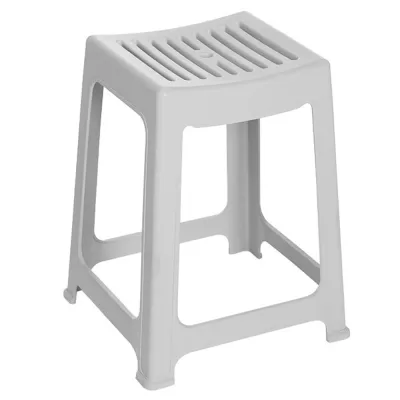
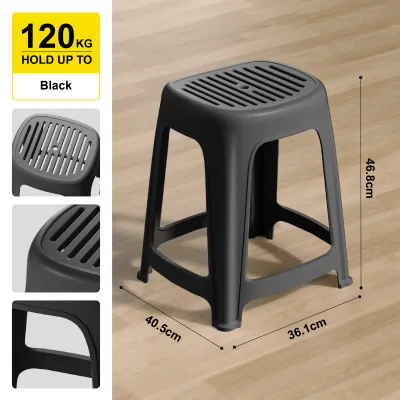
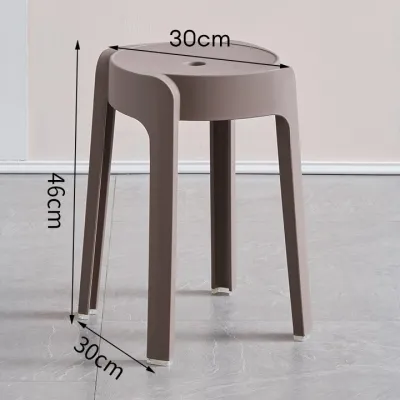
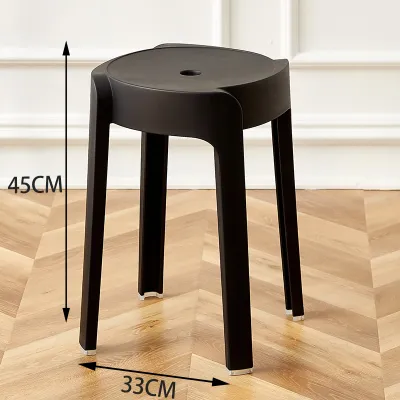
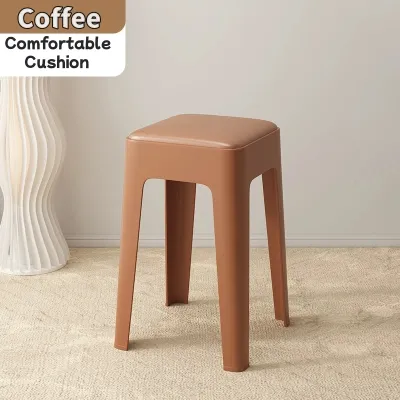
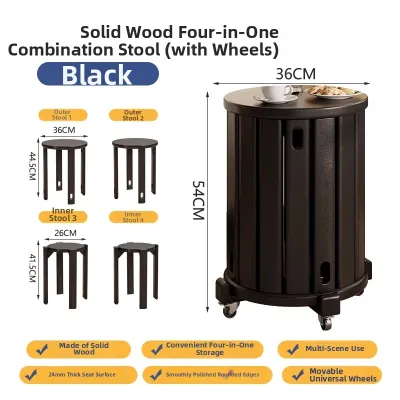
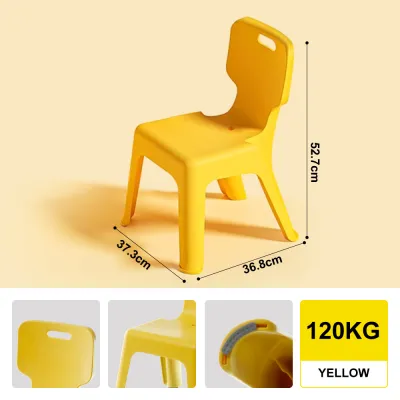
Prices are valid at publication and may change. Please refer to the product page for the latest price.
Material Integrity and Climate Resilience
The choice of material directly dictates a stool’s longevity, weight, and resistance to environmental factors. In Singapore’s tropical, high-humidity climate, materials react differently to moisture and temperature fluctuations, especially when homes transition between humid outdoor air and dry, air-conditioned interiors.
- Solid Hardwoods: Woods like teak, oak, and ash offer exceptional durability and natural grain beauty. High-quality wooden stools are kiln-dried to specific moisture levels to prevent warping, cracking, or splitting in humid conditions.
- Engineered Wood and Plywood: High-pressure laminates and molded birch plywood provide excellent structural stability and resistance to warping. Molded plywood allows for elegant, curved seat designs that conform to the body while remaining lightweight.
- Metals: Powder-coated steel and aluminum are highly durable and easy to clean. Ensure metal frames feature rust-resistant coatings to prevent corrosion from humidity or wet mopping.
- Plastics and Polymers: High-grade polypropylene is lightweight, highly resilient, and moisture-proof. It is an excellent choice for indoor-outdoor transition spaces, such as balconies or patios, though it can lack the premium feel of wood or metal.
Joint Construction and Structural Stability
A stackable stool must withstand downward vertical pressure as well as lateral shear forces when users shift their weight. The method used to join the seat to the legs determines whether the stool will remain stable or develop a wobble over time.
- Wood Joinery: Look for traditional wood joints such as mortise-and-tenon, dowels, or finger joints reinforced with high-quality wood glue. Avoid stools that rely solely on basic wood screws driven directly into particleboard, as these joints loosen rapidly under pressure.
- Metal Welds: Inspect metal stools for continuous, smooth welds at the joints rather than small spot welds. Spot welds are prone to cracking under heavy loads or sudden impacts.
- Fasteners and Bolts: If a stool requires manual assembly, check if it uses steel machine bolts threading into metal inserts rather than screws biting directly into wood. Machine bolts can be tightened periodically to restore structural rigidity.
Stacking Mechanism and Surface Protection
The primary benefit of a stackable stool is its space-saving capability, but poor design can lead to scratched finishes and unstable stacks. A well-engineered stacking mechanism ensures that stools nest securely without damaging each other.
- Scratch Prevention: High-quality stackable stools feature rubber buffers, felt pads, or plastic glides on the underside of the seat or frame. These bumpers prevent the legs of the upper stool from scraping the finished surface of the stool below it.
- Stacking Alignment: Evaluate whether the stools stack vertically straight up or progressively forward at an angle. Vertically stacking stools maintain a minimal floor footprint, whereas angled stacks require more storage depth as the stack grows.
- Nesting Clearance: There should be sufficient clearance between the nested frames so that the legs do not rub against each other during stacking and unstacking, which can chip paint or wear down wood finishes.
Ergonomic Profile and Seating Comfort
While stackability often requires a more streamlined profile, a stool must still provide reasonable comfort for its intended duration of use.
- Seat Contouring: Flat, rigid seats can cause discomfort during extended sitting. Look for seats with subtle contouring, dished centers, or waterfall front edges that reduce pressure on the thighs.
- Footrest Integration: Stools with built-in footrests or cross-bracing at comfortable heights reduce leg fatigue by allowing users to rest their feet rather than letting them dangle.
- Backrest Support: Some stackable stools feature low-profile backrests. While these limit the maximum stacking height, they offer significantly better lumbar support for daily dining.
Brand Tiers in Singapore: Design and Price Expectations
Navigating the furniture market in Singapore is easier when you understand how brands are categorized by price, material quality, and design intent. Each tier serves a distinct consumer need and offers a specific balance of value and aesthetics.

Mass-Market and Global Retailers
Mass-market retailers focus heavily on high-volume production, flat-pack convenience, and highly accessible price points, typically ranging from S$15 to S$50 per stool. These brands prioritize utilitarian, minimalist, or highly trend-driven designs that appeal to a broad audience.
To maintain low prices, manufacturers in this tier often use lightweight plastics, thin-walled steel tubing, or engineered wood composites. While these stools are highly functional and excellent for occasional use, their long-term durability is limited. The finishes on metal frames may chip more easily, and plastic seats can flex or degrade under heavy daily use. When shopping in this tier, carefully inspect the stability of the legs and check the manufacturer’s specified weight limits to ensure safety.
Local and Regional Furniture Brands
Local Singaporean and regional Southeast Asian brands occupy a highly competitive middle ground, with prices generally ranging from S$60 to S$200. These brands design furniture specifically with local housing constraints in mind, tailoring their dimensions to fit comfortably within HDB flats and condominiums.
Aesthetics in this tier are highly curated, often focusing on popular interior styles such as Japandi, mid-century modern, or contemporary Scandinavian. These brands offer a significant step up in material quality, frequently incorporating solid rubberwood, oak veneers, and high-performance powder-coated metals. They also pay closer attention to localized details, such as equipping stool legs with high-density felt pads or soft rubber glides designed to protect common local flooring materials like vinyl, parquet, and homogenous tiles.
Premium and Designer Labels
For design enthusiasts and homeowners looking for long-term investment pieces, premium and designer labels offer exceptional craftsmanship, iconic silhouettes, and top-tier materials, with prices starting at S$250 and easily exceeding S$800 per stool.
This segment emphasizes signature aesthetics created by renowned furniture designers and architects. Materials are of the highest caliber, including solid American walnut, molded birch plywood, marine-grade aluminum, and premium top-grain leather upholstery. The construction quality is impeccable, featuring seamless joints, hidden fasteners, and flawless finishes that resist scratching over decades. These stools are engineered for superior ergonomic comfort and flawless vertical stacking, making them perfect for highly visible, open-concept dining areas or kitchen islands where they double as functional pieces of art.
Decision Framework: Choosing the Right Brand for Your Needs
Selecting the right stackable stool brand requires balancing your household’s daily routines with your interior design goals. Use this conditional framework to identify the tier that aligns with your lifestyle.
- Choose Mass-Market Brands If:
- You require extra seating exclusively for occasional hosting, such as during festive periods, family gatherings, or weekend dinner parties.
- You have strict budget constraints and prefer to allocate your furniture budget to primary pieces like sofas or master beds.
- The stools will be stored away in a bomb shelter, storeroom, or utility closet for the majority of the year, making high-end aesthetics secondary to compact nesting.
- Choose Local and Regional Brands If:
- The stools will serve as your primary or secondary daily dining seats in a compact dining nook or eat-in kitchen.
- You want your seating to seamlessly complement popular local interior themes like Japandi or modern minimalist without paying a premium.
- You seek a reliable, sturdy build that can withstand daily use by active family members, including children or elderly relatives.
- Choose Premium and Designer Labels If:
- The stools will be placed in a permanent, highly visible location, such as a dry kitchen island or a breakfast bar in an open-plan layout.
- You view furniture as a long-term investment and prioritize timeless design, exceptional material tactile quality, and high resale value.
- You require maximum ergonomic comfort for extended sitting sessions, such as working from home or hosting long, multi-course dinner parties.
Before finalizing any purchase, always verify your specific spatial constraints. Measure the clear walkway behind your dining table or kitchen counter; you should maintain at least 90 cm of clearance to allow family members to walk past comfortably when someone is seated on the stool. Additionally, check the weight capacity of the stools if you expect them to accommodate diverse guests or heavy daily loads.
Pre-Purchase Checklist for Stackable Stools
To ensure your chosen stackable stools fit your home perfectly and perform safely, execute these essential verification steps before making a purchase, especially when buying online.
- Measure Spatial Clearance: Measure the exact height of your dining table or kitchen counter. Standard dining tables (75 cm high) pair best with stool seat heights of 45 cm. Kitchen counters (90 cm high) require seat heights of 60 to 65 cm. Ensure there is a gap of 25 to 30 cm between the top of the stool seat and the underside of the table apron to provide comfortable legroom.
- Verify the Stacking Footprint: Check the manufacturer's specifications for the stacked dimensions. Measure your designated storage closet, alcove, or corner to confirm the stacked stools will fit without blocking walkways or doors. Remember to account for any progressive forward drift if the stools do not stack perfectly vertically.
- Evaluate Weight and Stability: Heavier stools made of solid wood or thick steel offer excellent stability and are less likely to tip over, but they require more physical effort to stack and move. Lighter stools made of plastic or aluminum are highly portable but must feature a wide, splayed leg base to maintain stability when a user sits down or stands up.
- Inspect Floor Protection: Check the bottom of the stool legs for built-in floor glides. Hard plastic or bare metal feet can easily scratch delicate parquet, vinyl, or polished marble flooring. If the stools do not come with adequate floor protection, plan to purchase aftermarket felt pads or silicone leg caps that match the leg diameter.
- Review Assembly and Return Policies: Determine if the stools are delivered fully assembled or flat-packed. Flat-pack stools require your time and tools to assemble, and you must ensure all bolts are tightened securely to prevent wobbling. Always review the merchant's return policy, particularly when shopping online, so you can return or exchange the stools if the physical color, seat height, or comfort level does not meet your expectations.
Frequently Asked Questions (FAQ)
How many stackable stools can be safely stacked at home?
The safe stacking limit depends entirely on the manufacturer’s structural specifications, the weight of the individual stools, and your physical ability to lift them safely. Generally, lightweight plastic or metal utility stools can be safely stacked 4 to 6 units high. Heavier solid wood dining stools are typically limited to 3 or 4 units to prevent excessive weight on the bottom joints and to avoid creating a top-heavy tipping hazard. Always refer to the product manual for the maximum safe stacking height and avoid stacking them to a point where the stack becomes unstable.
Are stackable stools comfortable enough for everyday dining?
Stackable stools involve an inherent design trade-off: to stack cleanly, they must minimize bulk, which often means flatter seats, straight legs, and no armrests. While highly convenient, they may not offer the same level of comfort as a fully upholstered dining chair for long meals. To optimize comfort for everyday dining, look for stools with subtly contoured saddle seats, integrated footrests, or low backrests. Alternatively, you can pair minimalist wood or plastic stools with removable, non-slip seat cushions that can be stored separately when the stools are stacked away.
Community discussion
Share your experience or ask a question. Comments are reviewed before publication.