
In Singapore’s compact HDB flats and private condominiums, maximizing floor space is a daily design challenge. Modern residential layouts often feature open-concept kitchens and kitchen islands that serve multiple purposes, acting as prep zones, dining tables, and temporary work-from-home desks. A foldable high stool chair provides a highly flexible seating solution that can be deployed instantly and tucked away completely when not in use. Unlike traditional, bulky bar stools that permanently block narrow walkways, foldable models allow you to reclaim valuable square footage, keeping your home open and airy. However, finding the ideal stool requires balancing this space-saving convenience with structural stability, safety, and comfort.
How to Measure Your Island Counter and Clearance Space
Before purchasing any seating, precise measurements are essential to ensure your new stools fit seamlessly into your layout. A stool that is too tall makes dining uncomfortable, while one that is too short ruins the ergonomics of your kitchen island. In compact Singapore apartments, even a few centimeters of miscalculation can block a high-traffic corridor or prevent kitchen drawers from opening. Taking the time to measure your space accurately prevents the hassle of returns and ensures your dining area remains fully functional.
Matching Seat Height to Counter Height
To determine the correct seat height, measure from the floor to the underside of your counter overhang. Do not measure to the top surface of the counter, as the thickness of the countertop material can vary significantly and affect your legroom. For comfortable dining and working, you generally need a clearance gap of 25 to 30 centimeters between the top of the stool seat and the underside of the counter.
Products mentioned in this guide
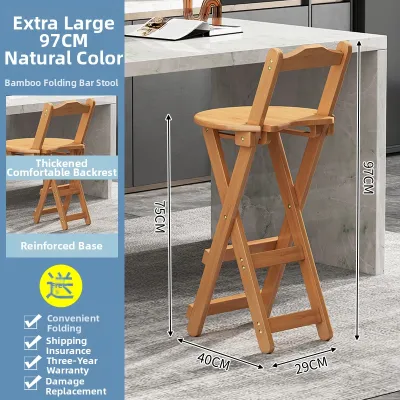
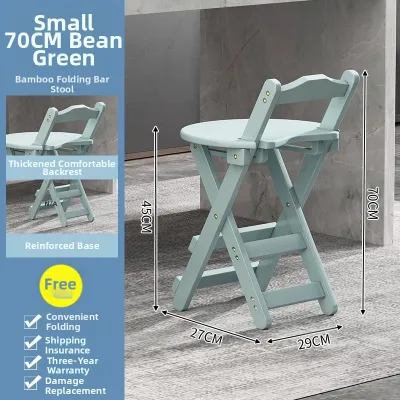
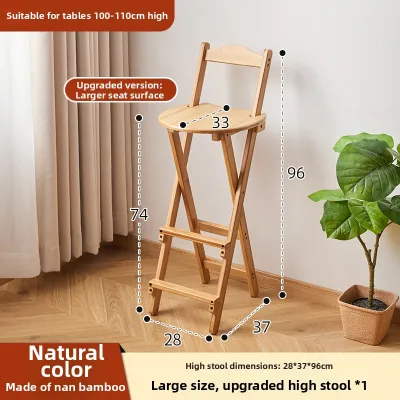
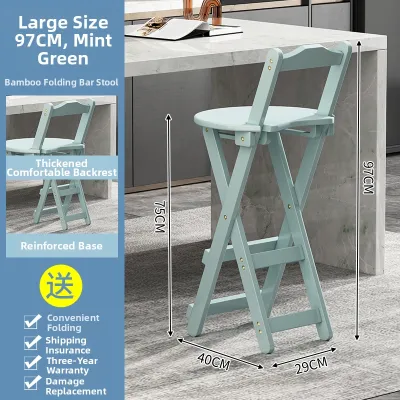
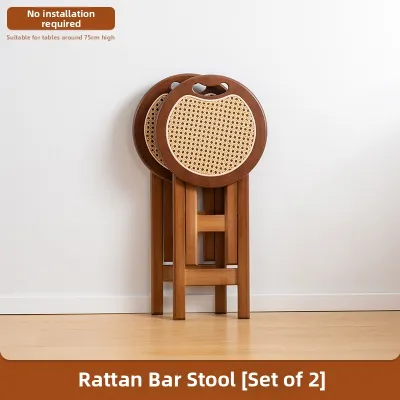
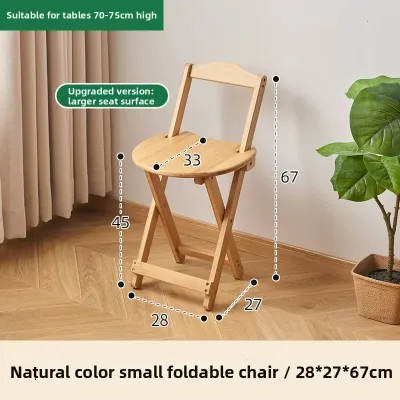
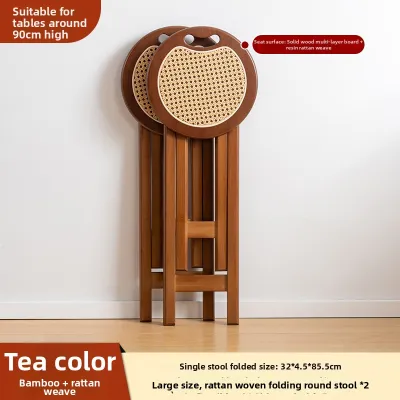
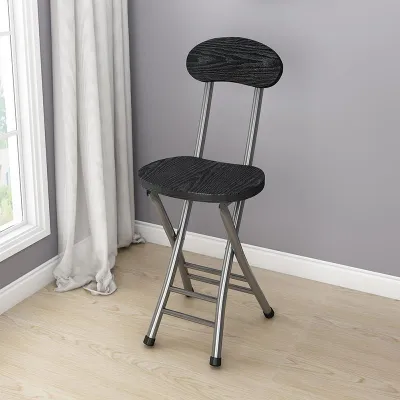
Prices are valid at publication and may change. Please refer to the product page for the latest price.
For instance, if your kitchen island underside measures 105 centimeters from the floor, you should look for a stool with a seat height of approximately 75 to 80 centimeters. If your counter is standard counter height (typically 90 centimeters to the top, with around 85 to 87 centimeters of clearance underneath), a stool height of 55 to 60 centimeters is more appropriate. Always check the manufacturer’s specified seat height, as some cushioned options may compress slightly under weight.
Additionally, consider the placement of footrests. Ensure the footrest height allows for natural leg positioning without forcing your knees to knock against the underside of the counter or any built-in under-counter cabinets, drawers, or appliances. If you have under-counter drawers, verify that the stool can be pushed far enough in without the footrest or seat frame obstructing the drawer path.
Checking Folded Dimensions and Walkway Clearance
The primary benefit of a foldable stool is its ability to disappear when folded, but this only works if you have a designated storage spot. Measure the exact width, depth, and height of your intended storage area, whether it is a narrow gap between your refrigerator and the wall, a dedicated utility closet, or the space directly beneath your counter overhang.
When reviewing product specifications, pay close attention to the folded thickness (often referred to as the folded depth). Many slim-profile stools fold down to a thickness of just 5 to 10 centimeters, making them easy to slide into tight gaps. If you plan to hang the stools on wall hooks inside a utility room or behind a door, ensure the wall structure can support the weight and that the folded height does not interfere with door handles or light switches.
Furthermore, you must maintain safe walkway clearances in your kitchen. In standard HDB layouts, walkways should ideally remain at least 90 to 100 centimeters wide to allow safe passage, especially when carrying hot dishes. Ensure that even when the stools are unfolded and in use, they do not entirely constrict these vital pathways or create tripping hazards for family members moving through the kitchen.
Crucial Features for Foldable High Stool Chairs
Selecting a high-quality foldable high stool chair involves looking beyond aesthetics. Because these chairs rely on moving parts to fold and unfold, their structural design, locking mechanisms, and material composition directly impact their safety, longevity, and performance in your home.

Folding Mechanisms and Safety Locks
Foldable stools generally utilize either a scissor-style frame or a collapsible leg mechanism. Regardless of the style, structural integrity is paramount. Look for models that feature dedicated safety locks, locking pins, or secure latching mechanisms that engage automatically when the stool is fully opened. These safety features prevent the chair from accidentally collapsing if someone shifts their weight or if the stool is bumped.
When evaluating a stool, check the hinges and joints for smooth operation, but remain highly cautious of potential pinch points where fingers could get caught during folding. A well-designed mechanism should glide smoothly without requiring excessive force.
Always verify the manufacturer’s stated weight capacity rather than assuming all metal or wooden frames are equally robust. A reliable foldable high stool chair should explicitly state its maximum load capacity, ensuring it can safely support daily use without compromising the joints over time. If a product lacks a clear weight rating, it is best to look for alternative options that provide verified specifications.
Materials and Humidity Resistance
Singapore’s tropical climate brings high relative humidity, which can accelerate wear on furniture materials, particularly in kitchens where cooking steam and moisture are common. When shopping, look for materials that can withstand these environmental conditions.
For metal frames, seek out powder-coated steel or rust-resistant aluminum, as unprotected steel can corrode over time in humid environments. Chrome-plated frames are also common, but they must be kept dry to prevent pitting and rust.
If you prefer the warmth of wood, opt for solid hardwoods treated with moisture-resistant sealants, or high-quality engineered wood explicitly rated for humid indoor spaces. Avoid untreated MDF or low-grade particle boards, which can swell, warp, or delaminate when exposed to moisture. Always check the product’s care instructions and warranty details to confirm its suitability for humid indoor settings, and remember that a material name alone does not guarantee durability without the proper surface treatments and finishes.
Common Sizing and Placement Mistakes to Avoid
One frequent mistake buyers make is selecting a foldable stool with a wide, non-folding footrest base. While a wide base can offer stability, if the footrest itself does not fold flat along with the frame, the stool will still occupy significant depth when stored, defeating the purpose of a space-saving design. Look for designs where the footrest is integrated into the folding legs so that the entire unit collapses into a single flat plane.
Another common oversight is ignoring the height and angle of the stool’s backrest. A tall, rigid backrest may prevent the stool from being tucked completely under the counter overhang when unfolded, forcing it to protrude into your kitchen walkway. If you require back support, look for low-profile backrests or models where the backrest folds down or aligns flat with the seat.
Additionally, do not prioritize ultra-lightweight designs at the complete expense of stability. Extremely light stools can feel flimsy and are prone to tipping, particularly on smooth kitchen floor tiles or vinyl flooring. Ensure the stool features non-slip rubber or plastic foot caps that provide grip and protect your floors from scratches. These caps also prevent the metal or wooden legs from sliding outward under pressure.
Finally, consider the visual weight of the stool. In a compact HDB kitchen, choosing stools with heavy, dark, or overly complex frames can make the space feel visually cluttered. Opt for clean lines, neutral colors, or slim metal frames that maintain visual openness even when the stools are set up around your island.
How to Evaluate and Purchase Foldable Stools in Singapore
When you are ready to buy, visiting local furniture showrooms in Singapore is highly recommended. Testing a stool in person allows you to physically feel its weight, assess the stiffness of the folding mechanism, and verify its overall stability when seated. It also gives you a realistic sense of how easy the chair is to carry and store.
If you prefer the convenience of online shopping, carefully review the retailer’s detailed dimension diagrams. Look specifically for the exact folded measurements and weight limits rather than relying solely on styled lifestyle photos.
Ensure you factor in delivery fees, which are typically quoted in Singapore Dollars (SGD), and check whether the stools arrive fully assembled. Some foldable models require initial assembly; if so, follow the manufacturer’s instructions closely to ensure all joints and locking bolts are tightened correctly, as loose hardware can compromise safety. If you live in an apartment without direct lift access, verify if the delivery service includes stair-carrying charges.
Lastly, always verify the retailer’s return and exchange policy. Even with precise measurements, you may find that the folded footprint does not fit your designated storage gap or that the style clashes with your kitchen decor. A flexible return policy provides peace of mind when making your final decision.
Frequently Asked Questions (FAQ)
These common queries can help you clarify the long-term performance and care of your space-saving seating.
Are foldable bar stools stable enough for daily use?
Yes, high-quality foldable bar stools are stable enough for daily use, provided they feature robust locking mechanisms and are used within the manufacturer’s specified weight limits. Look for stools with wide, slip-resistant foot caps and sturdy crossbraces that reinforce the legs. While they are safe and reliable for regular dining and working, keep in mind that their lightweight, mobile design means they may not offer the absolute rigidity and heavy mass of a solid, non-folding wooden or metal bar stool.
How should I maintain the folding joints in a humid climate?
To maintain your stools in Singapore’s humid climate, perform regular visual inspections of all hinges, screws, and moving joints to check for signs of rust or loosening. Wipe down metal frames and joints weekly with a clean, dry microfiber cloth to remove accumulated moisture, kitchen grease, and dust. If the folding mechanism becomes stiff or squeaky, refer to the manufacturer’s care instructions and apply a small amount of approved lubricant or silicone spray safe for the stool’s specific materials, taking care to wipe away any excess to prevent stains.
Community discussion
Share your experience or ask a question. Comments are reviewed before publication.