
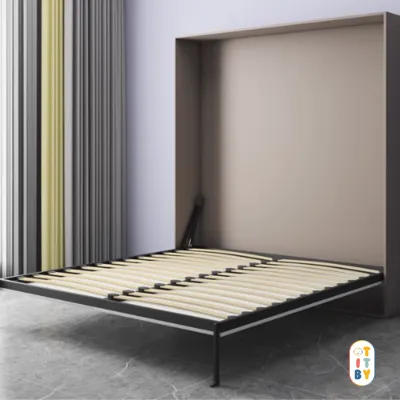
Maximizing floor area in Singapore’s residential properties requires a strategic approach to furniture selection. With the average size of Housing & Development Board (HDB) flats and modern condominiums becoming more compact, traditional bedroom layouts often leave little room for activities beyond sleeping. A murphy bed, also known as a wall bed, offers a practical solution by reclaiming valuable floor space during the day. By folding the bed vertically or horizontally into a cabinet, you can transform a dedicated sleeping quarters into a highly functional multi-purpose room.
Selecting the right wall bed configuration from Spaceman involves analyzing your specific room dimensions, structural constraints, and daily lifestyle needs. Because Singapore homes feature unique architectural elements—such as household shelters, structural concrete pillars, and low-hanging air-conditioning trunking—a one-size-fits-all approach to space-saving furniture rarely works. Evaluating how a wall bed integrates into your home ensures you achieve a seamless balance between comfort, safety, and spatial efficiency.
Assessing Your Bedroom Layout and Space Constraints
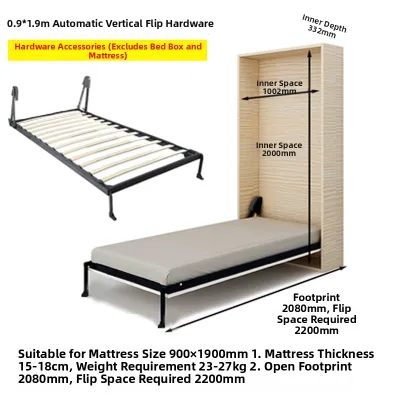
Before exploring different wall bed models, you must conduct a thorough spatial assessment of your bedroom. Start by measuring the total floor area and the exact height of the ceiling. Unlike standard beds, a wall bed requires two distinct sets of measurements: the closed footprint (the depth of the cabinet against the wall) and the open footprint (the total projection of the bed when fully lowered). You must ensure there is at least 60 to 80 centimeters of clearance around the perimeter of the lowered bed to allow for comfortable movement and easy bed-making.
Products mentioned in this guide

![[Showroom] Halfday - Rollover Folding Wall Bed | Invisible Murphy Bed Hidden Rollaway Bed](https://img.lazcdn.com/g/p/561a3a52b5e221b1fe5534dcf98e539c.jpg_400x400q80.jpg_.webp)
2 Lazada user ratings
Great quality Murphy bed! Smart space-saving design is exactly what I need for my small apartment. Sturdy structure, well-made and looks ver…Read full reviewShow less
Great quality Murphy bed! Smart space-saving design is exactly what I need for my small apartment. Sturdy structure, well-made and looks very stylish. Easy to install and very practical for daily use. 5 stars totally deserved!
It's really steady for a midday nap, doesn't shake at all. Plus, no weird smell. Pretty good!

Prices are valid at publication and may change. Please refer to the product page for the latest price.
Vertical clearance is equally critical, especially in Singapore homes where ceiling heights can vary significantly between older HDB estates, newer BTO flats, and loft-style condominiums. When planning a vertical wall bed, verify that the fully raised cabinet does not obstruct ceiling fans, light fixtures, or false ceilings. A ceiling fan positioned too close to a wall bed poses a significant safety hazard during deployment. Additionally, map out the location of wall-mounted air-conditioning units and their associated trunking, as these conduits often run along the upper sections of bedroom walls and can prevent a tall cabinet from sitting flush against the wall.
Identify the primary functional gaps you want to resolve in your room. If you work from home, your priority might be integrating a spacious desk that does not require clearing every evening. If you live in a studio condo, you may need a sofa setup that transitions into a sleeping area for guests or daily use. Take note of existing built-in wardrobes, window openings, and door swing paths. A bedroom door or wardrobe door that swings into the path of the bed deployment will create daily frustration and limit the usability of the space.
Finally, consider the logistics of delivery and assembly within your building. Singapore high-rise living requires transporting large, heavy furniture panels through passenger lifts, narrow corridors, and doorway frames. Before finalizing any purchase, measure the clearance of your estate’s lift cabin and your home’s main entryway. If the panels for a large queen or king-sized wall bed cannot fit into the lift, alternative transport methods or modular configurations must be discussed with the delivery team to avoid delivery failures.
Core Evaluation Criteria for Spaceman Murphy Beds
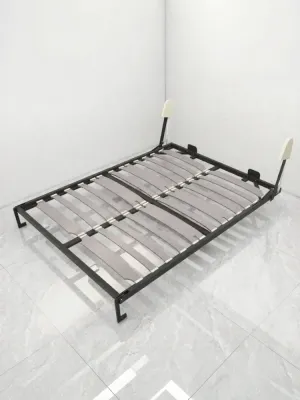
When comparing different wall bed options, the lifting mechanism is the most critical component governing daily usability and long-term reliability. High-quality wall beds typically utilize either gas-piston systems or spring-loaded mechanisms. Gas pistons provide a smooth, soft-opening experience, counterbalancing the weight of the mattress and frame so that the bed can be lowered or raised with minimal physical effort. When evaluating a mechanism, check if it features an auto-deploy leg system, which automatically extends the support legs as the bed descends, reducing the need to manually adjust the base.

Mattress compatibility is another essential factor that influences both sleep quality and mechanical safety. Wall beds are engineered to operate within strict mattress thickness and weight limits to ensure the lifting tension remains balanced. If a mattress is too light, the bed may try to lift itself; if it is too heavy, lowering and raising it becomes physically demanding and strains the pistons. Generally, standard pocket spring or memory foam mattresses can be used, but you must verify the maximum allowable thickness—typically ranging between 18 and 24 centimeters—to ensure the cabinet doors close completely without compressing the bedding.
Integrated storage options allow you to maximize the utility of the wall where the bed is anchored. Many configurations offer customizable side cabinets, open shelving, overhead cupboards, or integrated wardrobes. When planning these additions, consider whether you require closed storage to hide clutter or open shelving for decorative items. Ensure that any side cabinetry does not block access to electrical outlets, light switches, or data ports, which are vital for charging devices or setting up a home office.
Given Singapore’s tropical climate and high relative humidity, material finishes require careful inspection. High humidity can cause low-grade particle boards to absorb moisture, leading to warping, sagging, or laminate peeling over time. Look for wall beds constructed with high-density engineered wood or multi-layer boards finished with high-pressure laminates (HPL) or melamine. Check that all edges feature robust edge banding to seal out moisture, and inspect the joints and metal brackets for corrosion-resistant coatings to ensure the structure remains stable and visually appealing for years.
Matching Configurations to Specific Room Functions
To select the most effective wall bed configuration, match the mechanical design to the primary function of the room. For compact study rooms, guest rooms, or children’s bedrooms that double as study areas, desk-integrated wall beds are highly efficient. These designs feature a study desk attached to the front of the bed cabinet. Advanced desk mechanisms are engineered to remain perfectly horizontal as the bed is lowered, allowing you to leave laptops, papers, and desk accessories in place without needing to pack them away before sleeping.
For studio apartments, living rooms, or multi-purpose guest rooms, sofa-integrated wall beds offer a seamless transition between day and night zones. In these configurations, a comfortable sofa sits against the front of the cabinet. When it is time to sleep, the bed lowers directly over the sofa cushions, which either fold flat or slide underneath the bed frame. This eliminates the need to store loose sofa cushions elsewhere in the apartment, making the transition quick and effortless for daily users or visiting guests.
Choosing between a vertical and a horizontal orientation depends heavily on the shape of your room and the height of your ceiling. Vertical wall beds are the traditional choice, opening outwards from the wall like a standard bed. They are ideal for rooms with sufficient depth and high ceilings, as they allow access from both sides of the bed. Horizontal (or side-folding) wall beds open parallel to the wall, making them suitable for narrow rooms, long corridors, or spaces with low ceilings, structural beams, or overhead air-conditioning trunking that prevent the installation of a tall vertical cabinet.
To find the exact match for your home, cross-reference these functional categories with the current official Spaceman product catalog. The catalog provides detailed technical drawings, precise cabinet dimensions, and customizable finish options. Because pricing varies based on the size of the bed, the complexity of the integrated desk or sofa mechanism, and the choice of custom cabinetry, reviewing the official catalog will help you establish an accurate budget in S$ and identify the specific model names that align with your floor plan.
Pre-Purchase Verification and Installation Requirements
Installing a wall bed is a major structural addition to your home that requires careful technical verification before delivery. Because a wall bed exerts significant leverage and dynamic force on its mounting points when being lowered and raised, it must be securely anchored to a structurally sound wall. In Singapore, residential walls generally fall into three categories: solid concrete structural walls (common in HDB BTO flats and condo shear walls), internal brick or lightweight concrete block walls, and hollow drywall partitions.
Solid concrete and brick walls provide the most secure anchoring points for heavy wall bed mechanisms. If your target wall is a hollow drywall partition—often found in newer condo layouts or added during subsequent renovations—you cannot mount a standard wall bed directly to it without structural reinforcement. Drywall lacks the holding power to resist the pulling forces of the lifting pistons, creating a severe risk of the cabinet pulling away from the wall and tipping over. In such cases, a professional contractor must open the drywall to install heavy-duty timber or metal studs, or you must opt for a self-supporting, floor-anchored frame if available.
Another practical detail that requires attention is the presence of skirting boards or baseboards along the floor. To ensure maximum stability, the wall bed cabinet must sit completely flush against the wall surface. If your room has existing timber, PVC, or tiled skirting boards, they will create a gap between the back of the cabinet and the wall. You will need to have the skirting boards modified, cut, or removed at the installation site, or verify if the cabinet base can be customized with a matching plinth cutout to bypass the skirting board.
Due to the high tension of the lifting mechanisms and the critical safety risks associated with improper mounting, professional installation is highly recommended. Professional installers possess the specialized tools, heavy-duty wall anchors, and technical expertise required to level the cabinet, adjust the piston tension, and ensure the safety locks function correctly. If you encounter unexpected structural elements during planning—such as hidden electrical conduits, water pipes, or metal studs behind the plaster—stop your planning immediately and consult a qualified structural engineer or an official Spaceman representative to assess the site.
Daily Operation and Long-Term Maintenance
Preserving the mechanical lifespan of your wall bed requires establishing safe daily operating habits. When lowering the bed, always use the designated handle and guide the frame down smoothly until the support legs rest firmly on the floor. Never let the bed drop freely under its own weight, as the sudden impact can damage the hinges, strain the pistons, and crack the wooden cabinet frame. Similarly, when raising the bed, assist the mechanism throughout the entire upward arc until the safety latch engages securely, preventing the frame from rebounding or sitting partially open.
Conduct routine maintenance checks every six months to ensure all components remain secure and aligned. Inspect the mounting brackets where the cabinet connects to the wall, checking for any signs of movement, loose screws, or plaster cracking. Examine the pivot hinges and piston connections for wear, and tighten any bolts that may have loosened from daily vibrations. If you notice the bed becoming significantly heavier to lift or if it squeaks during operation, avoid applying generic lubricants; instead, consult the manufacturer’s care guide or contact a technician to inspect the tension settings.
Proper cleaning and ventilation are essential to protect both the furniture cabinet and your mattress from the challenges of Singapore’s humid climate. Wipe down the exterior laminate surfaces with a dry or slightly damp microfiber cloth, avoiding harsh chemical cleaners or excessive water that could seep into the joints. To prevent mold, mildew, and musty odors from developing in the enclosed cabinet, avoid folding the bed up immediately after waking. Leave the bed open for at least 15 to 30 minutes to allow body heat and moisture to dissipate, and run a dehumidifier or ceiling fan in the room regularly to maintain a dry environment.
Frequently Asked Questions (FAQ)
Can I install a Murphy bed on a hollow drywall partition?
No, you should not install a standard wall bed directly onto a standard hollow drywall partition without professional structural reinforcement. Wall beds exert immense dynamic pulling forces on their upper mounting brackets during daily operation. Hollow drywalls, which consist of thin plasterboard over lightweight metal or timber studs, do not possess the structural strength to hold the heavy-duty anchors securely. Attempting to mount a bed to unreinforced drywall can cause the anchors to pull out, leading to catastrophic structural failure and the risk of the cabinet tipping over. If you must use a drywall partition, you must hire a qualified contractor to reinforce the wall internally with solid timber blocking or steel studs before installation.
Do I need a special mattress for a Spaceman Murphy bed?
You do not necessarily need a highly specialized brand of mattress, but you must select one that strictly complies with the physical specifications of your specific wall bed model. The mattress must fit within the designated maximum thickness limit—usually between 18 and 24 centimeters—so that the bed frame can fold completely into the cabinet without compressing the bedding or straining the locking mechanism. Additionally, the mattress must fall within a specific weight range; a mattress that is too light will cause the bed to rise unexpectedly, while one that is too heavy will overload the gas pistons, making operation difficult and accelerating mechanical wear. Avoid extra-plush pillow-top mattresses, and verify the exact weight and depth limits in the official product manual before purchasing.

Community discussion
Share your experience or ask a question. Comments are reviewed before publication.