
Maximizing space in a compact HDB living room often requires rethinking traditional furniture layouts. Sofa armrest storage offers a practical way to keep daily essentials within reach without adding bulky side tables. This guide outlines how to evaluate, select, and safely install the right armrest organizers to maintain a clutter-free and functional living area.
In typical Singapore apartments, such as three-room or four-room Build-To-Order (BTO) flats, floor area is at a premium. Introducing standalone side tables or large coffee tables can quickly restrict movement, making the living room feel cramped and difficult to navigate. Utilizing the often-overlooked surface of your sofa’s armrest is an efficient way to reclaim valuable floor space while keeping your living room organized and highly functional.
By shifting storage off the floor and onto the furniture itself, you create clearer pathways and a more open visual flow. However, finding the right armrest organizer requires careful consideration of your sofa’s design, your household’s daily habits, and the specific layout of your room. The ideal solution should blend seamlessly with your existing decor while providing secure, stable storage for your most-used items.
Products mentioned in this guide
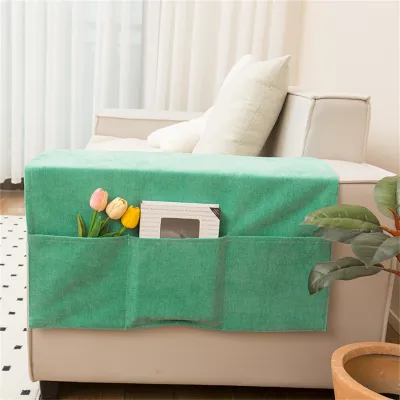
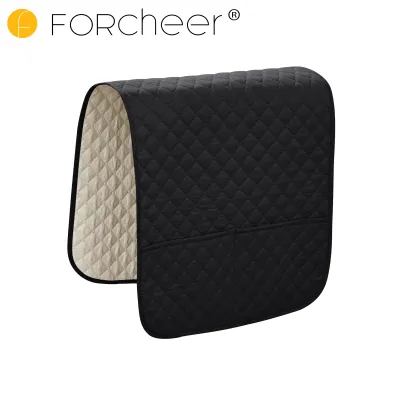
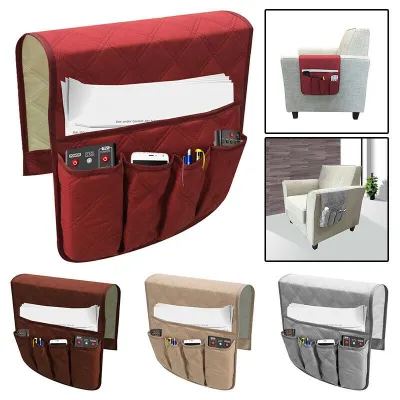
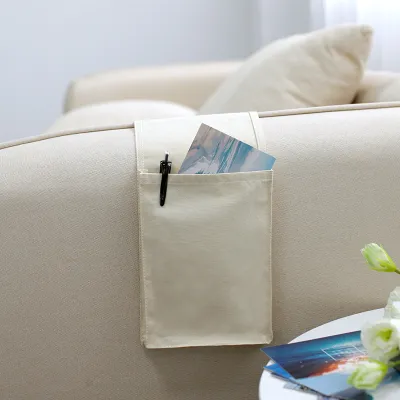
Prices are valid at publication and may change. Please refer to the product page for the latest price.
How to Evaluate Armrest Storage for Small Spaces
Selecting the right armrest storage for a compact HDB flat involves more than just picking an attractive design. Because space is limited, every accessory must justify its presence by offering high utility without adding visual clutter. The first step is to assess the proportions of the organizer relative to your sofa and the surrounding room layout. An oversized organizer can make a sleek, modern sofa look unbalanced, while an undersized one may not hold your essentials securely.
Another critical factor is the mounting mechanism and how it interacts with your sofa’s upholstery. Different materials require different stabilization methods to prevent slipping and protect the underlying fabric. For instance, smooth leather or synthetic leather sofas have very little natural friction, meaning a standard fabric organizer will easily slide off when loaded with items. In contrast, textured fabric sofas offer more grip but are susceptible to snagging if the organizer has rough backings or sharp wooden edges. You must verify that the organizer uses non-slip silicone grids, weighted counterweights, or gentle clamp mechanisms that secure the unit without causing permanent indentation or discoloration to your upholstery.
Material durability and ease of maintenance are equally important in a high-traffic living area. Sofa armrests are prone to spills, dust accumulation, and general wear from daily contact. If you choose a fabric or felt organizer, ensure it is made from tightly woven, stain-resistant fibers that can be spot-cleaned or machine-washed. For wooden or bamboo options, check that the surface is sealed with a moisture-resistant varnish to protect against condensation from cold drinks. In Singapore’s humid climate, unsealed wood can warp or develop mold over time, so verifying the quality of the finish is essential for long-term durability.
Top Sofa Armrest Storage Types for Compact Living Rooms
Sofa armrest organizers generally fall into three main design categories, each offering distinct advantages depending on your storage needs and sofa style. Understanding the differences between flexible fabric pockets, rigid tray tables, and structured wrap-around caddies will help you narrow down the best option for your specific living room layout. By matching the organizer type to your daily habits, you can eliminate the need for a traditional coffee table entirely, freeing up significant floor space for easier movement.

Over-the-Arm Storage Pockets
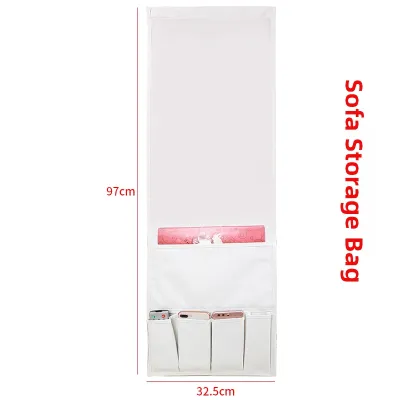
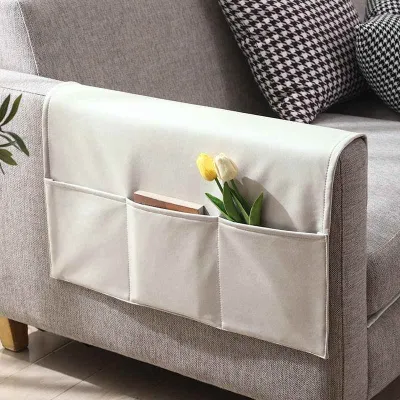
Over-the-Arm storage pockets are flexible organizers typically crafted from felt, canvas, linen, or heavy-duty polyester. These organizers drape over the armrest, utilizing the vertical side of the sofa to provide multiple pockets of varying sizes. They are highly effective for storing flat, lightweight items such as television remote controls, reading glasses, tablets, magazines, and charging cables. Because they hang flush against the side of the sofa, they add virtually no extra width to your furniture, making them an excellent choice for extremely narrow living rooms where walkway clearance is minimal.
However, these flexible pockets have specific limitations regarding weight distribution and stability. If you load one side with heavy items like a tablet while leaving the other side empty, the organizer may slowly slide off the armrest. This issue is particularly common on smooth leather sofas, where the lack of friction makes it difficult for fabric to stay in place. To mitigate this, look for designs that feature a long tuck-in flap that inserts deep between the seat cushion and the armrest, or models equipped with weighted metal bars or non-slip silicone backings on the underside. Additionally, fabric pockets are not suitable for holding open beverages or snacks, as they lack a rigid, flat surface to prevent tipping.
Anti-Slip Armrest Tray Tables
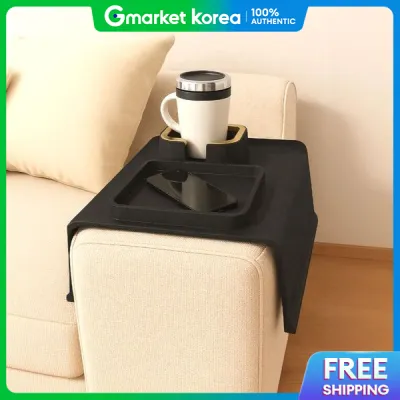
Anti-Slip armrest tray tables are rigid or semi-rigid platforms designed to sit securely on top of the armrest, providing a flat surface for drinks, snacks, and small electronics. These trays are often made from wood, bamboo, or durable plastics, and many feature spring-loaded clamp legs that grip the sides of the armrest to stay in place. By providing a stable surface right at your side, these tray tables can completely replace a traditional coffee table, which is a major advantage in narrow HDB layouts where a central table would block the path between the sofa and the television console.
Before choosing a tray table, it is crucial to evaluate the shape and width of your sofa’s armrest. Most clamp-on tray tables are designed for flat or slightly rounded armrests within a specific width range. If your sofa has highly sloped, heavily padded, or unusually wide armrests, the clamp legs may not be able to grip securely, leading to instability and potential spills. Look for models with adjustable tension springs or wide, rubberized grip pads that conform to the contours of your armrest. Additionally, opt for trays with raised edges or built-in cup holders to contain any accidental spills and protect your sofa upholstery from liquid damage.
Wrap-Around Wooden or Bamboo Caddies
Wrap-around wooden or bamboo caddies offer a hybrid solution, combining the flat surface of a tray table with the flexible draping action of fabric pockets. These caddies consist of narrow wooden or bamboo slats connected by a flexible fabric or rubber backing, allowing the organizer to drape smoothly over armrests of almost any shape, whether square, rounded, or sloped. The center section provides a rigid, flat platform for holding cups, plates, and phones, while the slatted sides conform to the curve of the armrest to keep the unit stable.
These structured caddies are highly valued for their aesthetic appeal, adding a warm, natural touch to modern HDB interiors. They provide a very stable surface for heavier items like books, mugs, and tablets. However, because they wrap tightly around the armrest, precise measurements are necessary to ensure a proper fit. If the caddy is too short, it may not drape far enough down the sides to remain stable; if it is too long, it may look bulky. It is also vital to inspect the underside of the caddy before purchasing. Ensure the backing is made of a soft, non-abrasive material like felt or microfiber to prevent the wooden slats from scratching leather or snagging delicate fabric threads when the caddy shifts during use.
Crucial Space and Fit Checks Before You Buy
To avoid the frustration of purchasing an incompatible or unstable organizer, you must perform several physical measurements and safety checks before making a decision. Start by measuring the exact dimensions of your sofa’s armrest. Use a firm measuring tape to record the width across the top, the depth from the front of the armrest to the back cushion, and the height from the top of the armrest to the seat cushion. Note the shape of the armrest profile—whether it is perfectly square, gently rounded, heavily sloped, or flared outward. Many rigid tray tables and wrap-around caddies specify a maximum and minimum armrest width, so matching your measurements to these specifications is critical for a secure fit.
Next, evaluate the remaining walkway clearance in your living room. In compact HDB flats, the space between the sofa and other furniture pieces, such as the TV console or dining table, is often narrow. Adding an armrest organizer can slightly increase the overall width of your sofa, especially if you choose a bulky wrap-around caddy or a wide tray table. Ensure that the organizer does not protrude into the main pathway, creating a tripping hazard or making it difficult for family members to walk past. A good rule of thumb is to maintain at least 60 to 70 centimeters of clear walkway space in high-traffic areas.
Finally, verify the manufacturer’s weight limits and structural guidelines for the organizer. Even the most stable armrest tray or pocket has a limited load capacity. Overloading an organizer can cause it to slip, tilt, or put excessive strain on your sofa’s frame and upholstery. Avoid placing fragile glassware, extremely hot liquids, or heavy laptops on unsupported organizers. If you plan to use the storage for drinks, prioritize models with deep, recessed cup holders and water-resistant finishes. By taking these precautions, you can ensure your armrest storage remains a safe, convenient, and durable addition to your home.
Frequently Asked Questions (FAQ)
Can I use armrest storage on a reclining sofa?
Using armrest storage on a reclining sofa requires careful consideration of the sofa’s moving parts and mechanical clearances. When a sofa reclines, the angle of the armrest relative to the seat often changes, and the internal metal mechanisms move beneath the upholstery. Flexible fabric pockets that drape over the side can easily become caught in the reclining mechanism, leading to torn fabric, jammed gears, or damage to the sofa’s motor. Rigid clamp-on trays are also highly likely to slide off or tilt as the sofa shifts angles, risking spills and damage to your items. If you have a reclining sofa, it is generally safest to avoid drape-over or clamp-on organizers entirely. Instead, look for compact, freestanding side tables designed specifically for recliners, or choose small, magnetic organizers if your recliner has compatible metal frame elements that do not move during operation.
How do I prevent an armrest tray from sliding off?
Preventing an armrest tray from sliding off is essential for protecting your belongings and your sofa upholstery. If you are using a tray on a smooth leather or synthetic leather sofa, the lack of natural friction can cause even weighted trays to shift when bumped. To improve grip without damaging your furniture, place a thin sheet of non-slip silicone drawer liner or a rubberized rug pad cut to size underneath the tray. This adds significant friction and holds the tray securely in place. For clamp-on models, ensure the tension springs are properly adjusted and that the rubber pads on the clamp legs are clean and free of dust, which can reduce grip. If your sofa has highly rounded or sloped armrests, avoid flat-bottomed trays and instead opt for wrap-around slatted caddies that naturally conform to the shape of the arm, or models with adjustable, weighted side flaps that drape low to lower the center of gravity.

Community discussion
Share your experience or ask a question. Comments are reviewed before publication.