
The best modular display shelf setup for a compact Singapore apartment is a highly customizable, vertically oriented system that balances storage utility with visual lightness. In space-constrained HDB flats and condominiums, choosing a configuration that adapts to your specific floor plan is essential. By selecting systems with adjustable heights, slim profiles, and modular components, you can tailor your display to fit architectural quirks without permanently altering your walls.
These adaptable setups allow you to reclaim underutilized zones, such as narrow corners or the empty space beneath windows, turning them into functional design features. Selecting the right configuration involves a careful balance of physical measurements, material selection, and structural safety to ensure your home remains both spacious and organized.
Assessing Your Space: HDB and Condo Layout Constraints
Before selecting a display shelf rack, precise measurement of your physical space is essential to prevent a cramped layout. Begin by measuring the exact footprint of your intended installation area, paying close attention to baseboard thickness and any wall protrusions like electrical outlets, light switches, or trunking. You must also measure the vertical clearance from floor to ceiling, as even a few millimeters of discrepancy can prevent a tall modular unit from standing upright.
Products mentioned in this guide
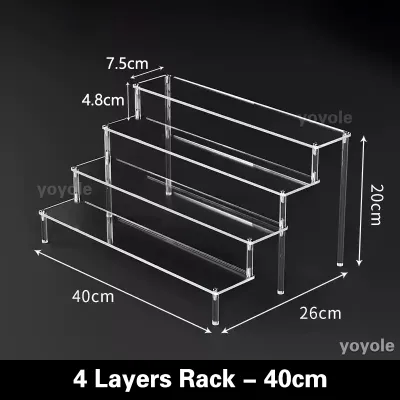
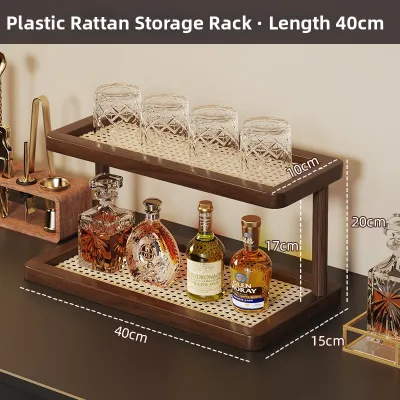
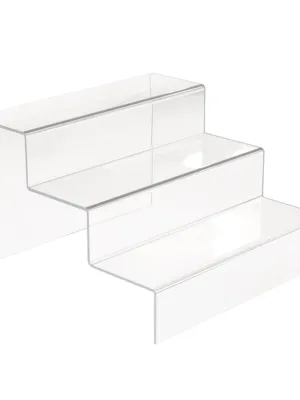
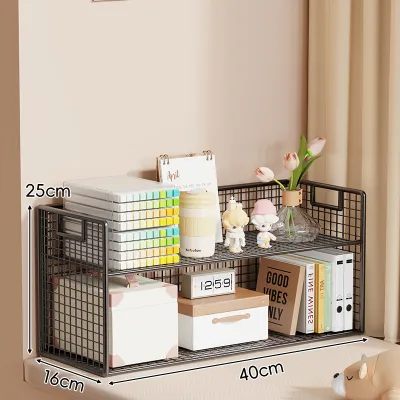
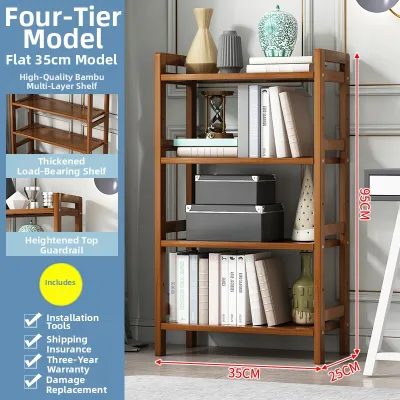
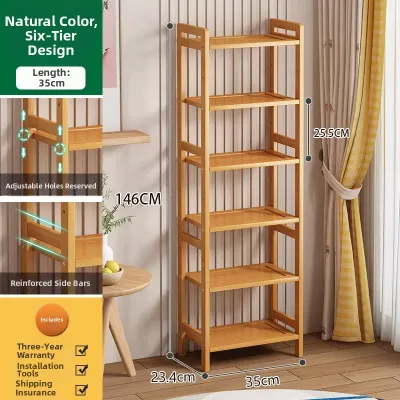
![[SG Stock] Bookcase Shelves Household Living Room Shelves Random Combination Of Storage /Complimentary Backplane](https://img.lazcdn.com/g/p/a63b6137d178423369e0951c109a7d58.jpg_webp_400x400q80.jpg_.webp)
Prices are valid at publication and may change. Please refer to the product page for the latest price.
Beyond the room itself, you must evaluate the entire delivery path to avoid logistical headaches. Standard HDB passenger lifts, narrow condominium corridors, and tight staircase turns can severely restrict the passage of pre-assembled modular frames or long shelving panels. Check the manufacturer’s packaging dimensions against your building’s lift door height and depth to ensure every component can safely reach your front door.
Environmental conditions unique to Singapore’s tropical climate also play a critical role in where you position your shelving. Placing a display rack directly in the path of air-conditioning units can expose materials to rapid temperature fluctuations, while placing it near windows exposes it to harsh, direct sunlight that can fade books, collectibles, or delicate finishes. High humidity levels can also affect certain materials, making it vital to choose finishes that resist moisture and to position your shelves in well-ventilated areas away from damp walls.
Space-Efficient Modular Configurations for Compact Layouts
Maximizing a small layout requires moving away from bulky, static furniture pieces and embracing configurations designed specifically for tight spaces. Different areas of your apartment demand distinct structural approaches to maintain a balanced, open feel while providing ample display capacity.

Vertical Tower Setups for Narrow Corners
Tall, narrow modular towers are highly effective for capturing underutilized vertical space in tight corners, corridor ends, or adjacent to balcony doors. By extending upward rather than outward, these configurations provide multiple tiers of display space while occupying a minimal floor footprint. This keeps your main walkways clear and prevents the room from feeling closed in.
When assembling a vertical tower, maintaining structural stability is paramount to prevent accidental tipping. Always place your heaviest items—such as large books, heavy ceramic planters, or storage boxes—on the absolute lowest shelves to establish a low center of gravity. This distribution of weight anchors the unit naturally, reducing the risk of top-heavy swaying.
For any tall modular unit, secure anti-tip anchoring is a critical safety step that should not be overlooked. Because different wall types require specific hardware, you must verify whether you are mounting into solid concrete or hollow partition walls before drilling. Always consult the manufacturer’s instructions for the recommended anchoring hardware, and if you are unsure of your wall’s load-bearing capacity, seek professional installation assistance.
Low-Profile Console Setups Under Windows
The space directly beneath windows is often left empty, but a horizontal, low-profile modular console can turn this awkward zone into a highly functional display area. These low-height configurations run parallel to the floor, allowing you to showcase items without blocking natural light or obstructing outdoor views. This approach preserves the airy, spacious feel that is so vital in compact living rooms.
These low setups are excellent platforms for arranging indoor potted plants, framed artwork, or curated design objects that benefit from natural illumination. The horizontal surface also doubles as a casual serving station or a neat resting place for daily essentials, making it a highly versatile addition to living rooms or study areas.
Before setting up a console beneath a window, carefully measure the height of your window sill and check the clearance required for window operation. Ensure that the top shelf of the modular unit does not block sliding mechanisms, crank handles, or ventilation paths. Additionally, verify that any materials used in this zone are resistant to direct sunlight and occasional moisture from open windows.
Open-Back Setups for Room Zoning
In open-plan HDB or condo layouts, defining distinct functional zones can be challenging without building permanent walls that block light. A double-sided, open-back modular display shelf rack serves as an elegant room divider that separates your living room from the dining area or creates a semi-private home office. Because these units lack a solid back panel, they allow natural light to filter through, keeping both zones bright and visually connected.
To maximize the utility of a room divider, consider a hybrid configuration that combines closed storage modules at the base with open shelves on top. The solid bottom modules hide everyday clutter and anchor the unit visually, while the open upper tiers maintain clear sightlines across the apartment. This combination prevents the divider from acting as a heavy visual barrier.
Freestanding room dividers require extra stability since they do not lean against a wall. Always check the manufacturer’s guidelines regarding freestanding installations, and use specialized floor or ceiling tension poles if recommended. Ensuring the unit is balanced and securely positioned prevents wobbling in high-traffic pathways.
What to Look for in a Space-Saving Display Shelf Rack
Selecting the right modular system involves evaluating more than just aesthetics; you must assess how the system’s design, materials, and load capacities align with your specific living situation.
- Modularity and adjustability: The primary advantage of a modular system is its ability to adapt as your storage needs and living arrangements change over time. Look for systems that feature easily adjustable shelf heights, interchangeable components, and the option to add extra units horizontally or vertically. This flexibility ensures that your display rack can transition from housing small decorative items to accommodating larger electronics or books without requiring a completely new furniture purchase.
- Visual weight and materials: In a compact room, heavy, dark, or solid furniture can make the space feel smaller and more enclosed. To maintain a light and airy atmosphere, prioritize modular racks constructed with slim metal frames, light-colored woods, or transparent materials like glass and acrylic. These materials allow light to pass through and around the unit, minimizing its visual footprint while still providing robust structural support.
- Renter and BTO-friendly design: If you are renting your apartment or planning to upgrade from a temporary BTO flat in the future, ease of disassembly is a crucial factor. Prioritize modular systems that offer tool-free assembly or utilize simple interlocking mechanisms that can be taken down and packed flat without damaging the components. This makes transportation simple and ensures you can reconfigure the shelves to fit the layout of your next home.
- Load capacity indicators: Never estimate a shelf's weight capacity based solely on its visual appearance or material thickness. Always refer to the manufacturer's official specifications for the maximum load limit per shelf tier. Distribute your items evenly across the surface rather than concentrating weight in the center, and strictly adhere to these limits to prevent sagging, structural joint strain, or sudden failure.
Safe Installation and Maintenance in Small Apartments
Proper installation and ongoing care are vital to ensure your modular display shelf rack remains safe and functional throughout its lifespan, especially in active, high-foot-traffic households.
- Wall anchoring: When installing wall-mounted or tall modular systems, you must adapt your anchoring method to your specific wall construction. Solid concrete walls, which are standard in most HDB flats, require heavy-duty masonry wall plugs and robust screws to hold weight securely. In contrast, many modern condominiums utilize drywall or hollow partition walls, which require specialized toggle bolts or plasterboard anchors to prevent the screws from pulling out under load. If you are uncertain about your wall material or structural integrity, always consult a qualified professional installer before proceeding.
- Weight distribution: Safe usage relies on a simple rule of gravity: always place your heaviest items on the lowest levels of your shelving unit. Books, heavy storage boxes, and electronics should occupy the bottom tiers, while lightweight decorative items, small plants, and frames should be reserved for the upper shelves. This deliberate weight distribution lowers the unit's center of gravity, drastically reducing the risk of accidental tipping if the shelf is bumped.
- Routine maintenance: Singapore's highly humid tropical climate can accelerate wear on furniture joints and metal components. Periodically inspect your modular display rack to check for any loosening of connecting hardware, screws, or wall brackets, tightening them as necessary to maintain structural rigidity. Dust hard-to-reach joints regularly to prevent moisture-trapping buildup, and check metal finishes for any early signs of surface oxidation, addressing them according to the manufacturer's care instructions.
Safety Note: Before applying any wall anchors, cleaning solutions, or structural modifications, always check the applied product’s label and the treated item’s manufacturer instructions. If instructions conflict, the item is unidentified, or the use is not covered, stop and consult the manufacturer or a qualified professional.
Frequently Asked Questions (FAQ)
Can I install a tall modular shelf in an HDB household shelter?
HDB regulations strictly prohibit any drilling, hacking, or modification of the reinforced concrete walls, floor, ceiling, or steel door of a household shelter (commonly referred to as the bomb shelter). Modifying these structural elements compromises their protective integrity during emergencies. If you need storage inside your shelter, you must use freestanding, self-supporting modular shelving units that do not require wall anchoring, ensuring they do not block the ventilation sleeve or door operation. Always consult the latest official HDB guidelines or your local town council for specific regulations before setting up storage in these zones.
How do I prevent a modular display rack from looking cluttered in a small room?
To maintain a clean, sophisticated aesthetic, avoid filling every square inch of your modular display rack. Embrace the concept of negative space by leaving approximately one-third of each shelf empty, which allows the eye to rest and highlights your displayed items. Group smaller objects in odd numbers, such as sets of three, and use uniform storage boxes or woven baskets on the lower shelves to conceal loose daily items. Keep eye-level shelves reserved for your most visually appealing, curated pieces to create an intentional, organized look.
Community discussion
Share your experience or ask a question. Comments are reviewed before publication.