
Effective space-saving marble table designs for HDB flats and condominiums leverage smart geometry, minimalist base structures, and flexible mechanisms. By opting for round silhouettes, pedestal bases, or durable extendable tracks, you can enjoy the luxurious aesthetic of natural stone without overcrowding your dining zone. Selecting the right design requires balancing the physical weight of the marble with the visual flow of your open-plan layout. With the right approach, even a compact dining alcove can accommodate a stunning stone centerpiece.
Assessing Your Dining Space for a Marble Table
Before choosing a table, measure your designated dining zone carefully to understand its physical limits. A standard dining setup requires at least 90 centimeters of clearance between the table edge and the nearest wall or furniture piece to allow chairs to pull out comfortably. If you have a high-traffic walkway adjacent to the dining area, increase this clearance to 100 or 120 centimeters so household members can walk past without squeezing.
Marble has a substantial visual weight and physical thickness, typically ranging from 15 to 30 millimeters. A thicker slab can make a small room feel cramped, so consider slimmer profiles or tapered edges to maintain an airy feel.
Products mentioned in this guide
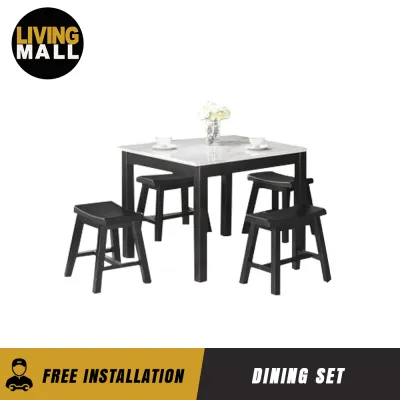
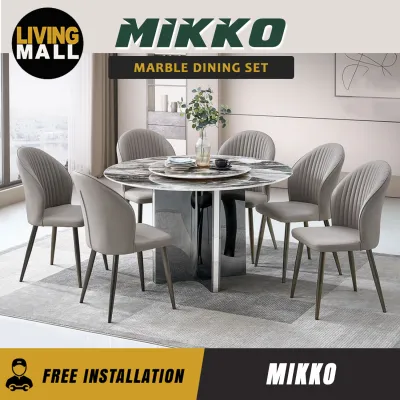
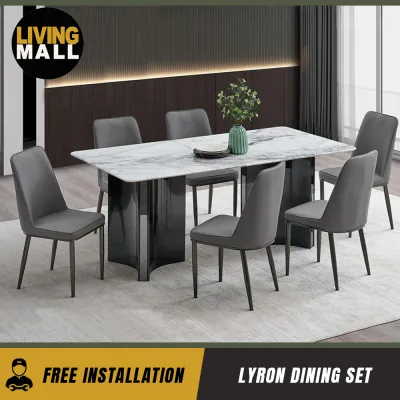
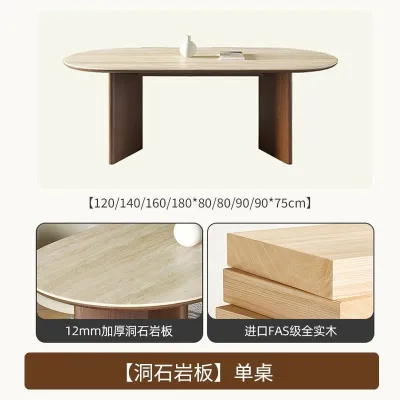
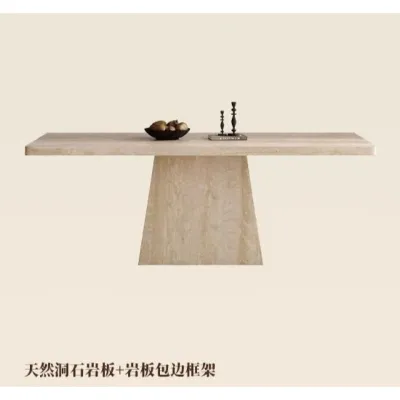
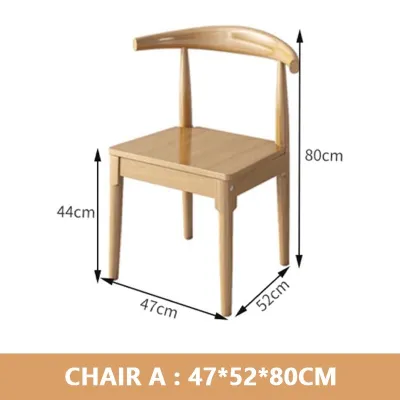
Prices are valid at publication and may change. Please refer to the product page for the latest price.
Additionally, logistics are a vital consideration for heavy stone furniture. Verify the weight capacity of your flooring and measure your building’s lift doors, cabin depth, and corridor corners to ensure the delivery team can safely transport the slab to your unit.
Space-Saving Marble Table Designs to Consider
The efficiency of a dining table in a tight space depends heavily on its structural footprint and silhouette. By choosing designs that minimize floor contact and eliminate sharp corners, you can maximize usable area while preserving the elegant presence of natural stone.

Pedestal and Single-Leg Bases
Traditional four-legged tables restrict where you can place chairs, often trapping legs at the corners. A central pedestal or single-leg base eliminates these obstacles, allowing you to tuck chairs completely under the table when not in use. This design also offers greater flexibility for seating arrangements, making it easier to squeeze in an extra guest during family gatherings.
Because marble is exceptionally heavy, a pedestal base must be highly stable to prevent tipping. Check that the base is constructed from robust materials like powder-coated steel, cast iron, or solid timber, and verify that the mounting plate is wide enough to support the stone top securely. To optimize the overall footprint, pair a pedestal table with slim-profile, armless dining chairs that slide fully beneath the tabletop when dinner is over.
Round and Oval Silhouettes
Curved edges are highly effective for improving traffic flow in narrow HDB or condo dining zones. Without sharp corners, family members can navigate tight walkways smoothly without the risk of painful bumps. Round tables naturally foster a more social dining experience and fit neatly into square dining alcoves or corner nooks.
For a small household of two to four diners, a round table diameter of 90 to 110 centimeters provides sufficient dining space without overwhelming the room. If your dining area is long and narrow, an oval silhouette offers the benefits of curved corners while accommodating more guests along its elongated sides. This shape allows you to maximize seating along a wall without blocking the main pathway.
Extendable and Drop-Leaf Mechanisms
For those who love to host but live in compact spaces, extendable marble tables offer a practical compromise. These designs allow you to maintain a compact footprint for daily use and expand the surface area only when guests arrive. Look for butterfly or slide-out extension mechanisms that store the extra leaves internally to save storage space.
Keep in mind that natural marble is heavy, which can make manual extension mechanisms difficult to operate. Some modern designs use engineered marble or slim marble laminates on glass to reduce the weight of the moving parts. Before purchasing, test the extension tracks in the showroom to ensure the glide is smooth, stable, and can be locked securely in both the open and closed positions.
Visual Tricks and Material Pairings for Compact Areas
A solid slab of marble can easily dominate a small room visually. To prevent this, opt for light-colored marble varieties, such as Carrara or Volakas, which reflect natural light and make the dining area feel more open and spacious. Darker marbles tend to absorb light and can make a tight corner feel even smaller.
The choice of support materials also influences visual weight. Pairing a heavy marble top with slender, tapered metal legs or transparent acrylic bases creates an illusion of floating, keeping the floor area visually clear. This contrast between the heavy stone and the light base prevents the furniture from overwhelming the room.
Instead of using bulky room dividers to separate your dining zone from the living room, use subtle design cues. A low-profile area rug can define the dining space without creating physical barriers that block light or movement. Positioning a pendant light directly above the center of the table draws the eye upward, emphasizing vertical space and making the entire dining alcove feel larger.
Selection and Installation Checklist for HDBs and Condos
To ensure a seamless delivery and installation process, use this checklist before finalizing your purchase:
Measure Entryways: Verify that the table slab can fit through your front door, hallway corners, and the building’s elevator. If the elevator is too small, check if the delivery team can use the staircase and confirm any additional fees.
Assess Floor Protection: Heavy marble bases can scratch or dent vinyl, laminate, or engineered wood flooring. Plan to use heavy-duty felt pads or rubber protectors under the table legs to distribute the weight safely.
Confirm Assembly Requirements: Determine whether the table is delivered fully assembled or requires on-site installation. Because of the weight and fragility of marble, professional assembly is highly recommended to ensure the top is securely anchored to the base.
Check Strata Guidelines: For condominium residents, review your building’s move-in policies and booking requirements for the service lift to avoid delivery delays.
Frequently Asked Questions (FAQ)
Can a heavy marble table damage HDB vinyl or laminate flooring?
Yes, the concentrated weight of a heavy marble table can cause indentations or scratches on softer flooring materials like vinyl or laminate. To prevent damage, place wide, high-density felt pads or silicone cups under the legs or pedestal base to distribute the weight evenly. If you are renting or live in a condo with strict flooring guidelines, check your tenancy agreement or estate rules regarding heavy furniture placement.
How do I maintain a marble dining table in a humid climate?
Marble is a porous natural stone that can absorb moisture and spills, leading to stains or etching. In a humid climate, ensure the table is treated with a penetrating sealer recommended by the manufacturer. Clean up spills immediately with a soft, damp cloth, and avoid using acidic cleaners, vinegar, or harsh chemicals. Always use placemats and coasters to protect the surface from hot dishes and condensation.
Community discussion
Share your experience or ask a question. Comments are reviewed before publication.