
Singapore’s residential landscape is defined by smart, compact living. Whether you reside in a newly built build-to-order (BTO) HDB flat or a modern condominium, maximizing every square centimeter of your entryway is essential for maintaining an organized home. The foyer is the first transition zone of your living space, making it highly prone to clutter from daily essentials like bags, umbrellas, hats, and light outerwear. A long hook coat rack offers an elegant, vertical storage solution that keeps these items accessible without encroaching on valuable floor space.
Selecting the right rack involves more than just picking an attractive design. Because entryways in local apartments are often narrow corridors or direct extensions of the living room, the physical dimensions, mounting style, and hook configuration of your storage solution must be carefully planned. By understanding how to evaluate your space and assess the structural limits of your walls, you can choose a long hook coat rack that enhances both the functionality and the aesthetic of your home’s entrance.
Assessing Your Entryway Space and Hanging Needs
Before purchasing any entryway furniture, it is crucial to measure your available wall and floor clearances. In typical HDB layouts, the main door or outer metal gate swings inward, which can easily collide with protruding wall fixtures. Measure the full swing path of your doors and note the maximum depth a coat rack can have without obstructing movement. A long hook rack that extends too far into a narrow walkway can become a safety hazard, especially at shoulder or head height for household members.
Products mentioned in this guide
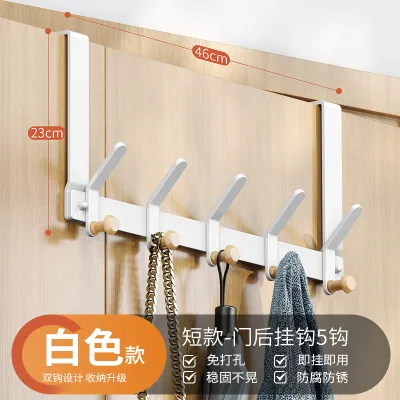
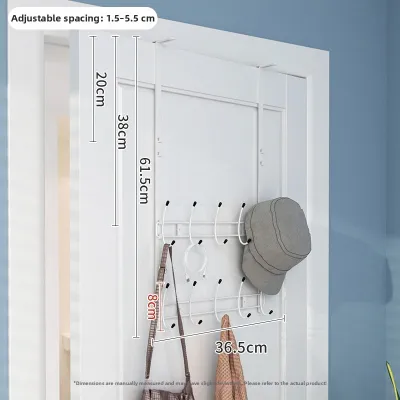
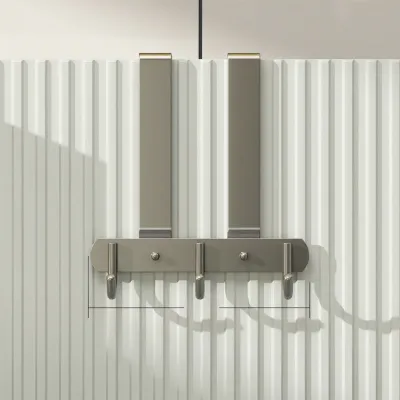
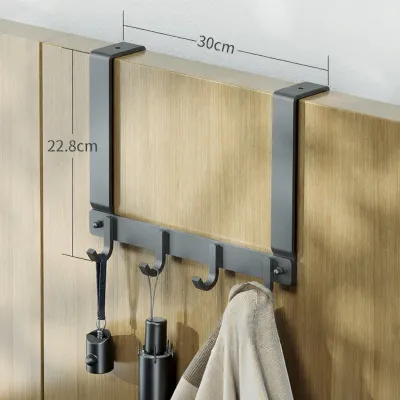
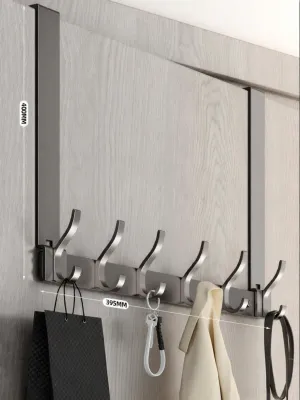
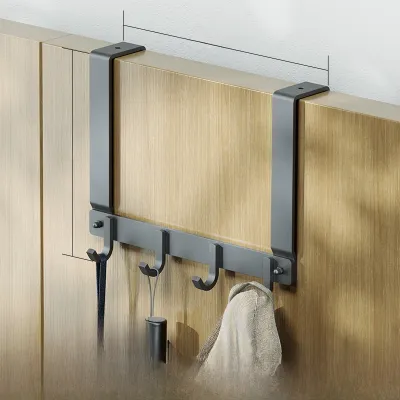
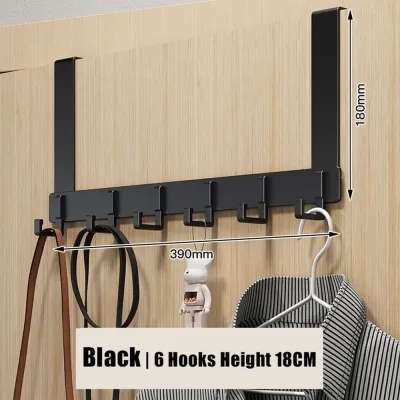
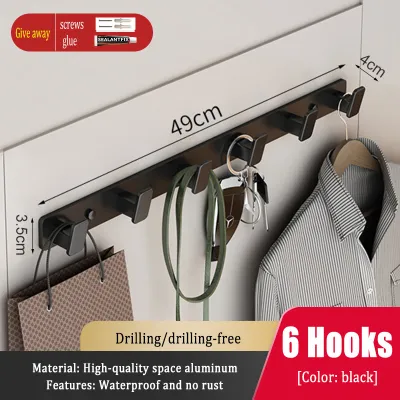
Prices are valid at publication and may change. Please refer to the product page for the latest price.
Next, estimate your household’s actual hanging capacity requirements. Take stock of the items you and your family members regularly carry and need to store immediately upon entering the home. If you have a household of three or four people, a simple four-hook rack may quickly become overloaded, leading to a messy pile of overlapping items. Long hooks are particularly useful because they allow you to layer multiple items on a single hook, but you still need to ensure the overall number of hooks matches your daily routine.
Finally, identify any physical obstructions on your foyer walls. Many Singapore apartments feature electrical distribution boards (DB boxes), fiber optic termination points, intercom units, or light switches right next to the main entrance. You must map out these fixtures to ensure your chosen coat rack does not block access to them. If you plan to place the rack above an existing shoe cabinet, measure the vertical clearance between the top of the cabinet and the ceiling to ensure there is enough room for hanging longer items like umbrellas or bags.
Wall-Mounted vs. Freestanding Long Hook Racks
When deciding between a wall-mounted and a freestanding long hook rack, your choice will largely depend on your floor space and housing tenure. Wall-mounted racks are the ultimate space-savers for compact entryways. By anchoring directly to the wall, they keep the floor completely clear, which makes cleaning easier and allows you to utilize the space underneath for shoe storage or a small stool. This configuration is ideal for narrow HDB corridors where every centimeter of floor width is needed for foot traffic.

Freestanding coat racks, on the other hand, offer excellent flexibility and require no drilling, making them a popular choice for tenants or those who prefer not to make permanent changes to their walls. However, in a small entryway, a freestanding rack must have a highly stable, slim-profile base. Look for models with heavy, flat metal disc bases or compact tripod legs that do not spread out too wide. A wide base can easily become a tripping hazard in a tight foyer, defeating the purpose of a space-saving solution.
The trade-offs between these two styles involve stability and visual weight. Wall-mounted racks generally offer superior weight distribution and stability, as they are anchored directly into the building’s structure. This makes them highly suitable for heavy backpacks or wet umbrellas. Freestanding racks can feel visually heavier in a small space because they occupy both floor and vertical space, and they carry a higher risk of tipping if weight is not distributed evenly across the hooks.
Key Design Features for Maximizing Capacity
To get the most out of a long hook coat rack, pay close attention to the design and spacing of the hooks. Long hooks are designed to hold multiple items simultaneously, such as a handbag behind a light jacket. To prevent items from slipping off or becoming a tangled mess, look for hooks that curve upward at a distinct angle or feature a dual-prong design. The spacing between each hook should be wide enough to accommodate bulky items without causing them to bunch up and look cluttered.
Vertical tiering is another highly effective design feature for compact spaces. Staggered hook arrangements or multi-level racks allow you to utilize the full height of your wall. You can hang longer, heavier items like adult coats and work bags on the upper hooks, while reserving the lower hooks for children’s school bags, keys, or short umbrellas. This organized division of space ensures that every family member can easily reach their belongings while keeping the overall display neat.
Material selection is critical when choosing a rack that will withstand Singapore’s warm and humid climate. Metal components should feature rust-resistant finishes, such as powder coating or electroplated finishes, to prevent corrosion over time. If you prefer wood or bamboo, ensure the material is treated with a moisture-resistant sealant. Additionally, check the manufacturer’s specifications to ensure the hook tips are completely smooth, rounded, or fitted with protective caps to prevent snagging or tearing delicate fabrics.
Installation and Safety Checks for HDB and Condo Walls
Installing a wall-mounted coat rack requires a clear understanding of your home’s wall construction. Most structural walls in Singapore’s HDB flats and condominiums are made of solid concrete or precast panels. Drilling into these walls requires a hammer drill and high-quality masonry wall plugs to ensure a secure hold. If you are mounting the rack on an internal partition wall, such as those separating a bedroom from the living area, it may be made of drywall or hollow concrete blocks, which require specialized toggle bolts.
Always check the manufacturer’s stated weight capacity for the rack and the individual hooks before installation. Even the sturdiest rack can pull loose from the wall if it is overloaded or installed with incorrect hardware. When hanging items, distribute the weight as evenly as possible across the entire length of the rack rather than concentrating heavy bags on a single hook, which can put excessive leverage on the wall anchors.
If you encounter resistance while drilling, or if you are unsure of what lies behind the wall surface, stop immediately. Entryway walls often house hidden electrical conduits running from the DB box, as well as water pipes if the foyer is adjacent to a kitchen or bathroom. If you have any doubts about the safety of drilling in a specific spot, or if you lack the necessary tools, it is highly recommended to consult a professional handyman or your building’s management office to avoid costly damage.
Frequently Asked Questions (FAQ)
How do I prevent long hooks from damaging my delicate clothing?
Before hanging delicate garments, inspect the hook tips for any rough edges, seams, or manufacturing burrs that could snag fabric. You can slide small silicone or rubber protective caps over the ends of the hooks to create a soft, non-slip surface. For highly delicate items like silk scarves or fine knits, avoid draping them directly over the hook; instead, hang them on a smooth hanger and loop the hanger over the long hook.
Can I install a heavy-duty coat rack on a hollow partition wall?
Yes, you can install a coat rack on a hollow partition wall, but you must use specialized hollow wall anchors or toggle bolts instead of standard plastic wall plugs. These anchors expand behind the wall board to distribute the load over a wider area. Always check the manufacturer’s weight limits specifically for hollow wall installations, and avoid hanging exceptionally heavy items like fully loaded backpacks on partition walls to prevent structural damage.

Community discussion
Share your experience or ask a question. Comments are reviewed before publication.