
Maximizing a compact living space in Singapore requires smart, multi-functional furniture choices, especially when managing laundry and daily wardrobe storage. In HDB flats and condominiums where floor area is at a premium, the ideal indoor clothes rack is one that balances a minimal footprint with reliable stability and ease of use. Rather than relying on bulky wardrobes that permanently crowd a room, selecting a specialized, space-saving rack allows you to adapt your home layout to your changing daily needs.
Finding the right indoor clothes rack involves evaluating how a design fits into your daily routine and physical environment. A well-chosen rack not only keeps your garments organized and wrinkle-free but also preserves the precious flow of movement through your hallways and bedrooms. By focusing on structural integrity, material suitability, and smart placement, you can find a practical solution that keeps your home clutter-free.
How to Measure Your Space and Define Your Needs
Before browsing online marketplaces or visiting local furniture showrooms, you must accurately assess the physical limits of your home. Begin by using a metal measuring tape to determine the maximum floor footprint you can allocate to a clothes rack. Mark this area on your floor using masking tape to visualize how much room remains for walking, opening nearby doors, or accessing storage drawers.
Products mentioned in this guide

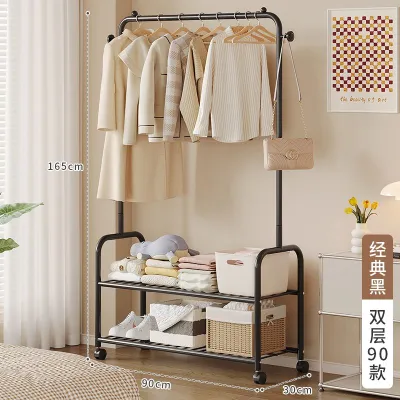
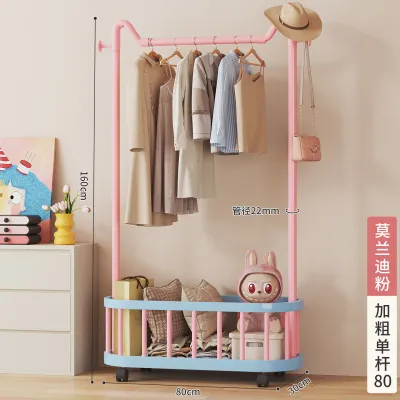
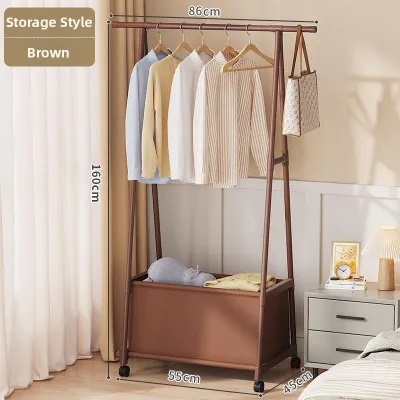


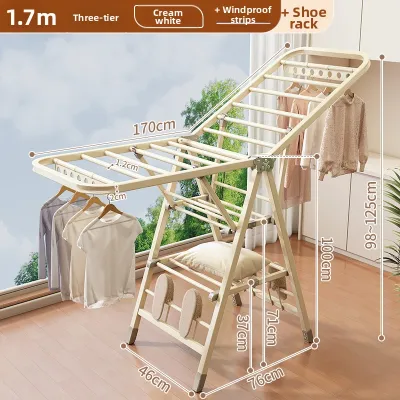
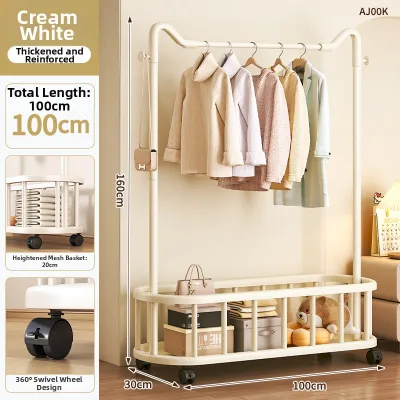
Prices are valid at publication and may change. Please refer to the product page for the latest price.
Vertical clearance is equally critical, especially if you plan to hang long dresses, trousers, or heavy coats. Measure the height from the floor to any low-hanging fixtures, ceiling fans, air conditioning units, or decorative beams that might obstruct the rack. If you are considering a tall or multi-tier rack, ensure there is enough overhead clearance to easily place and remove hangers without hitting the ceiling.
Walkway widths in compact Singapore bedrooms and entryways require careful planning to maintain a comfortable flow of movement. Standard residential design guidelines suggest leaving at least 60 to 70 centimeters of clear walkway space around furniture. If your clothes rack is placed in a high-traffic corridor or near a bedroom door, ensure that its depth does not force family members to squeeze past or bump into hanging garments.
Defining your primary use case will help you narrow down the structural design that best fits your lifestyle. If you need a dedicated spot to air out worn-but-clean clothes or prepare your outfits for the upcoming work week, a small, stationary rack is often sufficient. For those who need extra drying capacity on rainy days, a highly portable or collapsible model that can be stored away when dry is a more practical choice.
Finally, do not overlook the logistics of getting the clothes rack into your home. Measure your apartment’s entryway, lift doors, and any tight corners in your corridors to ensure that a fully assembled rack or its flat-packed packaging can pass through safely. If you live in a walk-up apartment or a condo with restrictive lift dimensions, checking these measurements beforehand prevents delivery day complications.
Best Types of Indoor Clothes Racks for Compact Layouts
Different structural designs offer distinct advantages depending on your spatial constraints and how often you plan to use the rack. Understanding these differences allows you to choose a model that integrates seamlessly into your home layout without causing visual or physical clutter.

Foldable and collapsible clothes racks are the ultimate space savers for homes that only require temporary hanging space. These racks can be fully expanded to accommodate large laundry loads and then folded flat to a thickness of just a few centimeters. This slim profile allows you to slide the rack under a bed, behind a wardrobe, or inside a utility closet when it is not in use, keeping your living areas completely open.
Rolling garment racks offer excellent flexibility for dynamic households. Equipped with swivel casters, these racks can be effortlessly rolled from the washing machine to a sunny window spot, and then tucked into a corner when guests arrive. To ensure safety and stability, look for models that feature lockable wheels on at least two of the casters to prevent the rack from drifting on slightly uneven floors.
Corner and L-shaped racks are specifically engineered to reclaim underutilized dead space in small rooms. By fitting snugly into a 90-degree corner, these racks provide a surprising amount of hanging capacity while leaving the main floor area entirely open. They are highly suited for small bedrooms or entryways where a standard rectangular rack would block natural walking paths.
Wall-mounted and over-door clothes racks completely eliminate the need for floor space, making them excellent options for tight entryways, bathrooms, or service yards. Wall-mounted models often feature retractable arms or folding rails that can be pushed flush against the wall when empty. Over-door hooks and racks leverage existing door frames to provide instant hanging space without requiring any drilling or permanent alterations to your walls.
| Rack Type | Footprint | Mobility | Weight Capacity | Ideal Use Case |
|---|---|---|---|---|
| Foldable / Collapsible | High when open, zero when stored | Manual carrying required | Light to moderate laundry loads | Temporary drying and guest use |
| Rolling Garment | Moderate, fixed footprint | High (smooth casters) | Moderate to heavy daily wear | Flexible bedroom storage and staging |
| Corner / L-Shaped | Low (utilizes dead corners) | Stationary | Moderate | Permanent wardrobe overflow |
| Wall-Mounted / Over-Door | Zero floor footprint | Stationary | Dependent on wall anchoring | Entryway coats and daily accessories |
Key Features and Safety Checks Before You Buy
Ensuring the safety and durability of an indoor clothes rack requires a close inspection of its technical specifications and physical construction. A flimsy rack not only risks damaging your garments but can also pose a tipping hazard in a busy household.
Always verify the manufacturer-stated weight capacity limits before making a purchase, keeping in mind that these ratings usually assume an evenly distributed load. Concentrating heavy items like wet jeans or winter coats in the center of a single rail can cause the metal to bow or the joints to fail. Look for racks that specify separate weight limits for individual rails and shelves to help you plan your storage safely.
Given Singapore’s high year-round humidity, selecting a rack with a highly durable, rust-resistant finish is essential for long-term use. Untreated metals can quickly corrode when exposed to damp laundry or humid air, leading to rust stains on your clean clothes. Prioritize materials such as powder-coated steel, high-grade stainless steel, or treated bamboo, and check the manufacturer’s care instructions to see if the frame requires periodic wiping.
Evaluate the physical stability of the rack by examining its base width, pole thickness, and overall center of gravity. A rack with a narrow base and thin, lightweight poles is highly susceptible to tipping over if it is bumped or loaded unevenly. For freestanding models, a wider base or a design that incorporates a heavy bottom shelf provides a lower center of gravity, significantly improving stability.
Review the assembly requirements and the quality of the joint connections before buying. Racks that rely solely on plastic friction-fit connectors can loosen over time under the weight of hanging clothes, leading to a wobbly frame. Opt for models that utilize metal screw-and-bolt connections, and check if the necessary assembly tools are included in the package or if you will need your own screwdriver and wrench.
Placement Tips for Stability and Space Optimization
Where you position your clothes rack plays a major role in both its structural stability and how spacious your room feels. Avoid placing freestanding racks in the middle of natural walking paths where they can easily be knocked over by passing family members. Instead, align the rack parallel to solid walls or place it adjacent to larger, stationary furniture pieces like wardrobes or bookshelves.
If you choose a tall, top-heavy, or wall-mounted rack, follow the manufacturer’s instructions regarding wall anchoring. In Singapore homes, wall construction varies between solid concrete structural walls and hollow drywall partition boards. Ensure you use the correct wall plugs, anchors, and screws suitable for your specific wall type to prevent the rack from pulling loose under a heavy load.
Keep your clothes rack away from direct environmental hazards to protect both the frame and your garments. Avoid placing racks directly under air conditioning vents, as the cold airflow can cause localized condensation and moisture buildup on metal joints. Similarly, keep the rack away from high-moisture zones like unventilated bathrooms or open cooking areas in the kitchen to prevent mold growth on your fabrics.
Frequently Asked Questions (FAQ)
Can a freestanding clothes rack hold heavy winter coats?
Yes, a freestanding clothes rack can hold heavy winter coats, provided you select a model with a verified heavy-duty weight rating and robust construction. Look for racks made from thick-gauge steel poles with reinforced metal joints rather than thin plastic connectors. To maintain stability, always distribute the weight of heavy coats evenly across the rail, placing the heaviest items closest to the vertical support pillars rather than clustering them in the middle.
How do I prevent a rolling clothes rack from scratching compact flat flooring?
To protect sensitive flooring materials like vinyl, laminate, or polished tiles from scratches, inspect the material of the rack’s wheels before assembly. Avoid hard, cheap plastic wheels, which can easily trap grit and scuff floors when rolled. Instead, opt for casters made from soft polyurethane or rubber, use protective caster cups when the rack is stationary, or place a low-profile area rug underneath the rack’s path to cushion the movement.
Community discussion
Share your experience or ask a question. Comments are reviewed before publication.