
Quick Answer: Which Headboard Style Fits Best?
The ideal headboard style for a small HDB bedroom depends on whether your priority is maximizing physical floor space, reducing visual clutter, or adding storage. For the tightest HDB common rooms (often measuring under 3 by 3 meters), slim upholstered panels and wall-mounted floating headboards are the top choices because they keep physical depth to an absolute minimum. Low-profile wooden, rattan, or cane designs are ideal for slightly larger master bedrooms where visual lightness and natural airflow are prioritized over pure space-saving. If you lack space for bedside tables, a storage headboard can replace them entirely, though it requires a room with sufficient length to accommodate the added depth without blocking wardrobe doors or walkways.
What to Measure Before Buying a Head Board for Bed
Before browsing furniture stores, accurate physical measurements are essential to ensure a head board for bed fits your layout. HDB bedrooms, especially in newer BTO flats, have tight dimensions where even a 5cm difference can impact walkway comfort.

First, measure the distance from the wall where the bed will sit to the opposite wall or wardrobe. A standard queen-size mattress in Singapore is 190cm long. In a typical 2.7-meter-wide room, this leaves only 80cm of clearance. If your headboard is 15cm deep, your remaining walkway shrinks to 65cm, which is the minimum required for comfortable daily movement.
Products mentioned in this guide
![[PRE-ORDER] Getha Diamond Square B-Wing Headboard](https://img.lazcdn.com/g/p/6ae08237b4455bdb7c80d60c5988b4f8.jpg_400x400q80.jpg_.webp)

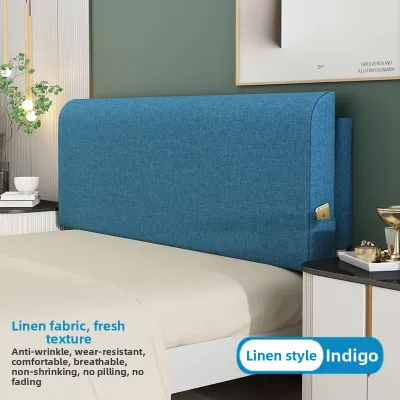
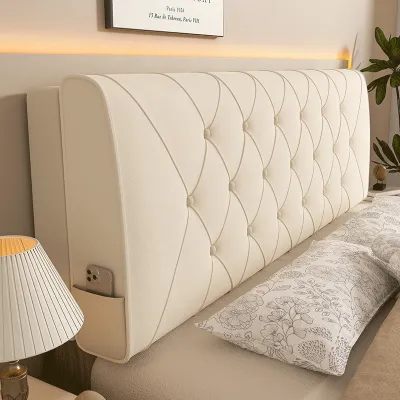
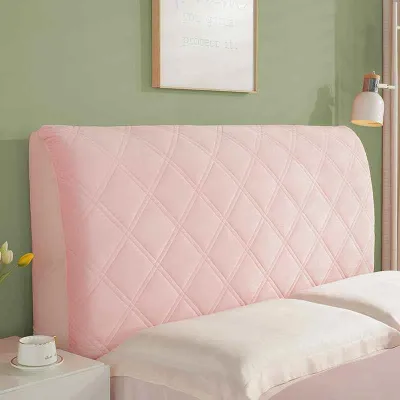
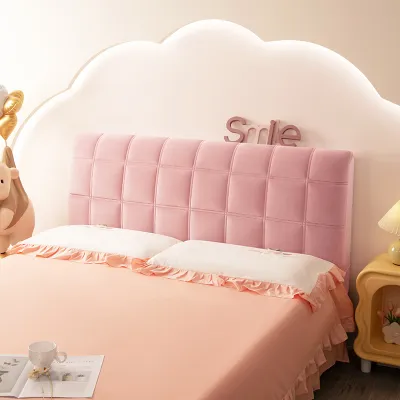
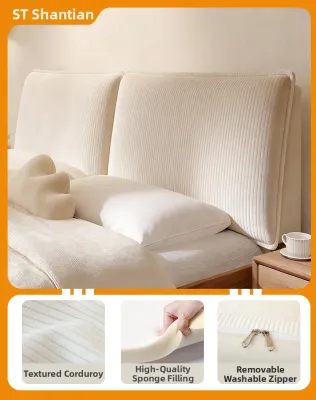
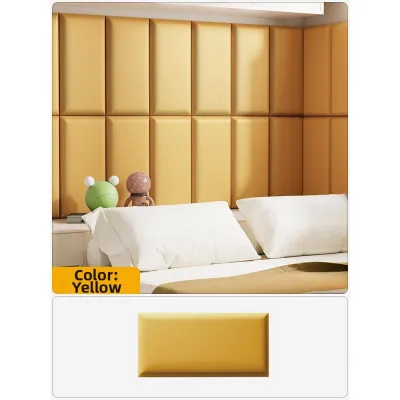
Prices are valid at publication and may change. Please refer to the product page for the latest price.
Next, check the swing radius of your wardrobe doors. If you have swing doors rather than space-saving sliding doors, they require at least 50cm to 60cm of clear space to open fully. A thick headboard pushes the bed forward, which can easily obstruct these doors.
You must also check ceiling fan clearance. In Singapore’s tropical climate, ceiling fans are highly common. A tall or thick headboard can force your bed into a position where the head of the bed sits directly beneath the fan blades, which can feel uncomfortable.
Finally, check the placement of electrical sockets. HDB flats often have power outlets located behind the bed at a height of 45cm to 60cm. A solid headboard can block access to these sockets, forcing you to pull the bed frame further away from the wall, which wastes valuable floor space.
Comparing Popular Headboard Styles for Compact Spaces
When selecting a head board for bed in a compact HDB layout, understanding the physical and visual characteristics of different styles is crucial. Each design offers distinct trade-offs between dimensions, comfort, visual weight, and installation complexity.
Slim Upholstered and Panel Headboards
Slim upholstered and panel headboards offer an excellent balance of comfort and space efficiency. These designs typically feature a thin frame wrapped in foam and fabric, resulting in a low profile that usually ranges between 5cm and 10cm in thickness. This slim depth ensures that the bed frame remains close to the wall, preserving walkway space at the foot of the bed.
The visual weight of an upholstered headboard depends heavily on fabric and color. Heavy, dark materials like charcoal velvet can dominate a small room, making it feel cramped. To maintain an airy atmosphere, opt for flat-panel designs upholstered in light neutral tones such as linen, beige, or soft grey. These colors reflect natural light, helping the bedroom feel larger.
These headboards are highly convenient because they are usually integrated directly into the bed frame or bolt onto a standard divan base. This setup requires no drilling into your walls, making it an ideal choice for renters or those who prefer straightforward assembly.
Wall-Mounted and Floating Headboards
Wall-mounted or floating headboards are specifically designed to maximize floor space and create a sleek, minimalist aesthetic. Because these headboards are secured directly to the wall and do not touch the floor, they expose the floor-to-wall junction. This visual trick makes a small room feel significantly larger by creating an illusion of uninterrupted space.
This floating design also offers practical benefits for daily maintenance. Without legs or a solid base touching the floor, there are no awkward crevices where dust can accumulate. This makes it easy to sweep, mop, or run a robotic vacuum beneath the bed, which is highly beneficial in Singapore’s humid climate.
However, floating headboards require secure mounting directly onto the wall, which means drilling into HDB walls. On the positive side, wall mounting allows for precise height customization. You can mount the headboard slightly higher or lower to avoid blocking electrical sockets, light switches, or window tracks.
Storage and Bookcase Headboards
Storage and bookcase headboards combine a headboard with built-in shelving, cubbies, or pull-out compartments. This dual-purpose design presents a major spatial trade-off. On one hand, it can completely eliminate the need for traditional bedside tables, freeing up valuable lateral space on either side of the bed.
This is incredibly useful in narrow HDB bedrooms where the bed must be placed flush against a wall or very close to a wardrobe. By moving your storage behind your head, you open up clear pathways around the bed. On the other hand, storage headboards add substantial depth to the bed’s footprint, typically adding 15cm to 30cm.
Because of this added depth, storage headboards are generally not recommended for bedrooms narrower than 3 meters. In an ultra-compact room, the extra thickness will severely restrict movement at the foot of the bed and may block wardrobe doors. They are best suited for layouts where you have ample length but zero width on the sides of the bed.
Wooden, Rattan, and Cane Headboards
Wooden, rattan, and cane headboards are excellent options for small HDB bedrooms, particularly for those who want to embrace a relaxed, tropical aesthetic. Rattan and cane are especially outstanding for compact spaces because of their open-weave patterns. These open weaves allow light and air to pass directly through, preventing the headboard from acting as a solid visual barrier.
By allowing the wall behind the bed to remain partially visible, rattan and cane headboards maintain a sense of openness and prevent the bedroom from feeling boxed in. Physically, these headboards are also incredibly thin, often measuring just 2cm to 5cm in thickness, meaning they occupy almost no physical floor space.
Solid wood headboards can also offer a very slim physical profile, but they carry a much heavier visual weight. If you prefer solid wood, choose lighter wood species or stains, such as oak, ash, or natural rubberwood, rather than dark walnut. To maintain these materials in Singapore’s humid climate, regular dusting with a soft brush attachment is recommended to keep the crevices clean.
Headboard Style Comparison Matrix
| Headboard Style | Typical Depth | Visual Weight | Installation Effort | Best HDB Room Type |
|---|---|---|---|---|
| Slim Upholstered | 5cm to 10cm | Moderate | Low (bolts to frame) | Small common rooms prioritizing comfort |
| Wall-Mounted / Floating | 2cm to 5cm | Very Light | High (requires wall drilling) | Ultra-compact rooms requiring maximum floor space |
| Storage / Bookcase | 15cm to 30cm | Heavy | Moderate to High | Rooms with zero side space but ample length |
| Wooden / Rattan / Cane | 2cm to 5cm | Light | Low to Moderate | Master bedrooms focusing on airy, tropical themes |
Decision Framework: Which Style Should You Choose?
To help you finalize your choice, use this condition-based framework to determine which headboard style aligns best with your HDB layout and daily habits:
- Choose Slim Upholstered if you enjoy sitting up in bed to read or watch television, and you have at least 60cm of clear walkway space at the foot of the bed after accounting for the length of the bed frame. This style provides excellent back support and a cozy feel without adding excessive physical depth.
- Choose Wall-Mounted if your bedroom floor space is extremely limited, you want to make daily cleaning as effortless as possible, and you are comfortable with drilling into your walls. This style is perfect for achieving a clean, floating aesthetic that visually expands the room by keeping the floor-to-wall junction completely unobstructed.
- Choose Storage Headboards if you have absolutely no room for bedside tables on either side of the bed but your bedroom length is at least 3 meters. This allows you to accommodate the extra 15cm to 30cm of headboard depth without blocking your wardrobe doors or bedroom entryway.
- Choose Rattan/Cane if you want to minimize visual clutter, maintain a light and breezy tropical aesthetic, and avoid the heavy, blocky look of solid furniture. This style is ideal for creating a relaxing atmosphere in a compact room while keeping physical depth to an absolute minimum of 2cm to 5cm.
- Verify first if you are renting your HDB flat or plan to move soon. Wall-mounted headboards require secure drilling into concrete or drywall, which will leave noticeable holes that must be patched, puttied, and repainted before you hand over the property. If you need a reversible, damage-free option, a frame-mounted slim upholstered panel or a freestanding lightweight wooden frame is a much safer choice.
Installation and Clearance Checks for HDB Flats
Before proceeding with the installation of any headboard in your HDB flat, there are several critical structural and physical checks you must perform to ensure safety.
First, identify the type of wall behind your bed. HDB flats feature a mix of structural concrete walls (which are load-bearing, extremely hard, and require a hammer drill with masonry bits) and non-structural partition walls (typically drywall or hollow concrete blocks used to divide bedrooms). If you plan to install a wall-mounted headboard, mounting it directly into structural concrete is highly secure.
However, if your bed is positioned against a non-structural partition wall, you must never use standard plastic wall plugs. Instead, use specialized toggle bolts or heavy-duty hollow-wall anchors that expand behind the drywall to distribute the weight safely. Attempting to mount a heavy wooden or storage-heavy headboard onto a partition wall without proper anchors can cause the hardware to pull out, leading to wall damage or personal injury.
Second, always scan the wall for concealed utilities before you begin drilling. HDB flats often have electrical conduits running vertically or horizontally from light switches and power outlets, and water pipes may run through walls shared with adjacent bathrooms. Use a high-quality stud finder equipped with a live wire and metal detector to map out the wall and ensure your drill path is completely clear of hidden hazards.
Finally, check for physical interference with window tracks, curtain rods, and ceiling fans. Ensure that the height of your headboard does not block the opening of casement windows or obstruct the smooth movement of floor-to-ceiling curtains. Additionally, verify that the top of the headboard maintains a safe distance from any wall-mounted air conditioning units to ensure adequate airflow.
Frequently Asked Questions (FAQ)
Can I mount a floating headboard on an HDB partition wall?
Yes, you can mount a floating headboard on an HDB partition wall, but you must use the correct hardware and take weight limits into account. Non-structural partition walls, such as drywall, do not have the same load-bearing capacity as solid concrete walls.
To install a headboard safely on drywall, you must use heavy-duty toggle bolts or hollow-wall anchors that expand behind the wall board to distribute the weight. For heavier headboards made of solid wood or those containing storage shelves, it is highly recommended to locate the vertical metal studs inside the partition wall and screw directly into them, or restrict these heavy styles to structural concrete walls to prevent damage or collapse.
Does a tall headboard make a small HDB room look bigger?
No, an excessively tall headboard generally does not make a small HDB room look bigger and can actually have the opposite effect. While vertical lines can draw the eye upward, a massive, tall headboard in a room with standard HDB ceiling heights (usually around 2.6 meters) will visually dominate the space.
This heavy visual focal point makes the rest of the bedroom feel disproportionately small, crowded, and low-ceilinged. For compact bedrooms, it is much better to choose a low-to-medium height headboard (around 90cm to 110cm from the floor) with clean, horizontal lines or a light, open-weave texture like cane or rattan. This maintains a balanced scale and keeps the room feeling open and airy.
Community discussion
Share your experience or ask a question. Comments are reviewed before publication.