
Selecting a practical hat storage rack for a compact apartment in Singapore requires balancing spatial efficiency with proper care for your headwear. In high-density residential layouts like HDB flats and condominiums, floor space is highly prized, making vertical storage solutions the most logical choice. By utilizing walls, doors, and unused corners, you can keep your caps, fedoras, and panama hats organized without cluttering your living areas.
The ideal storage setup not only keeps your entryway tidy but also protects your hats from the warping and crushing that often occurs when they are piled onto random shelves or hung on crowded coat pegs. Because Singapore’s tropical climate brings high humidity, selecting the right materials and placement is equally important to prevent mold and material degradation. Understanding your specific layout constraints and hat collection size will guide you toward a system that integrates seamlessly into your home.
Key Considerations for Compact Living Spaces
Before purchasing any storage system, a precise assessment of your physical space is essential. Start by measuring the exact dimensions of the area where you plan to install the rack, keeping in mind that narrow corridors and entryways require low-profile designs. You must account for door swing paths, nearby cabinet drawers, and the general flow of foot traffic to ensure the rack does not become a physical obstruction. A rack that protrudes too far into a high-traffic walkway can lead to accidental bumps, potentially damaging both the rack and your hats.
Products mentioned in this guide
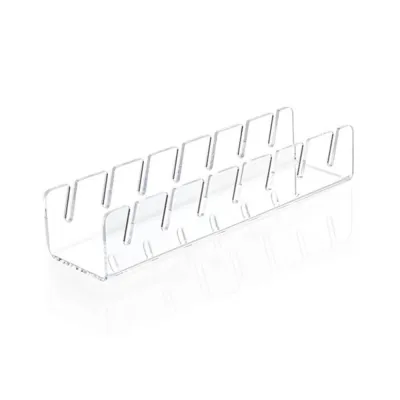
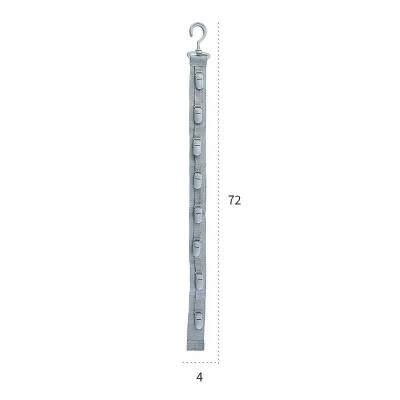
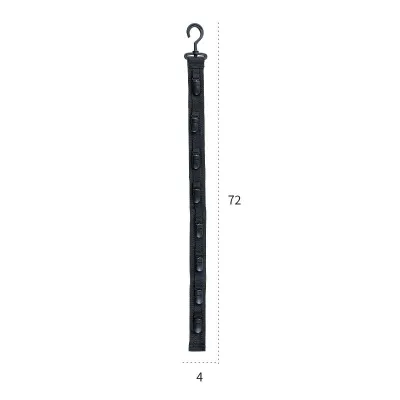
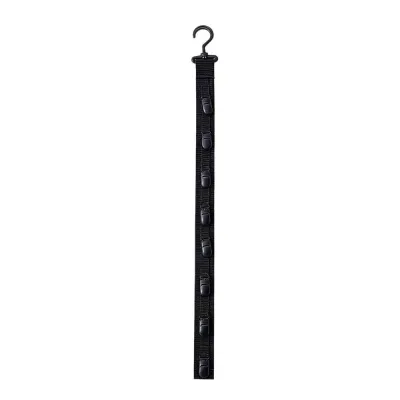

![[SG] Wardrobe Hat Hanger/ Closet Hanging Cap Organizer/ Adjustable Hooks Organizer Holder/Baseball Cap Rack/Wall Hanger](https://img.lazcdn.com/g/p/0f22762782458185ee6f59e156e4100f.jpg_400x400q80.jpg_.webp)

Prices are valid at publication and may change. Please refer to the product page for the latest price.
Next, evaluate the composition of your hat collection, as different styles demand distinct storage methods. Baseball caps are relatively resilient and can be nested or hung on simple hooks, whereas structured hats like fedoras, trilbies, or wide-brimmed straw hats require flat shelves or wide, rounded supports to maintain their shape. Count your hats and categorize them by weight and structure to determine the total weight capacity and physical dimensions your new rack must support.
Finally, consider your housing situation and any structural or legal limitations. If you are renting an HDB flat or a condominium, your tenancy agreement likely contains clauses regarding wall damage, drilling, or the use of heavy-duty adhesives. Standard concrete walls common in Singaporean homes require masonry drills and wall plugs for permanent fixtures, which can leave substantial holes. If drilling is restricted, you will need to focus on non-invasive options like over-the-door hangers or freestanding tension rods.
Hat Storage Rack Types Suited for Small Layouts
To help you navigate the various options available on online marketplaces and home organization stores, it is helpful to compare the primary design categories. Each type of rack offers distinct advantages depending on your apartment’s layout, your DIY capabilities, and whether you own or rent your home.

| Rack Type | Footprint | Installation Effort | Maximum Capacity | Best Suited For |
|---|---|---|---|---|
| Wall-Mounted / Adhesive | Zero floor space | Low to Medium | Medium | Entryways, narrow hallways, bedroom walls |
| Over-the-Door / Hanging | Zero floor space | Very Low | High | Bedrooms, walk-in closets, utility doors |
| Compact Freestanding | Minimal floor space | Low | Medium to High | Empty corners, walk-in closets, rental units |
Choosing between these types involves balancing permanent stability against temporary flexibility. While permanent wall-mounted fixtures offer the highest weight capacity and a highly integrated look, temporary solutions allow you to reconfigure your space as your collection or living arrangements change.
Wall-Mounted and Adhesive Options
Wall-mounted racks are an excellent way to transform empty wall surfaces into functional storage zones. Traditional screw-mounted racks offer exceptional stability and can support heavier, multi-hat configurations without the risk of falling. However, they require drilling into your walls, which demands proper tools and wall anchors suitable for either solid concrete or drywall partitions.
For renters or those who prefer a tool-free setup, heavy-duty adhesive hooks and modular adhesive tracks are popular alternatives. These systems rely on specialized adhesive strips that bond to smooth surfaces without leaving permanent marks. To ensure a secure hold, you must clean the wall surface thoroughly with rubbing alcohol, apply the adhesive firmly, and allow it to cure for the manufacturer-recommended time—typically 24 hours—before hanging any items. Be aware that high humidity can affect adhesive performance over time, so checking the weight limits and adhesive specifications is crucial.
These wall-based solutions are best suited for entryways, narrow hallways, and the space above desks or dressers. By keeping your hats elevated, you preserve valuable floor space while creating an attractive, accessible display of your favorite headwear.
Over-the-Door and Hanging Organizers
Over-the-door and hanging organizers utilize the often-ignored vertical space behind bedroom, closet, or bathroom doors. These systems typically feature metal brackets that hook over the top edge of the door, supporting a vertical strap or fabric organizer equipped with clips or pockets. They require absolutely no drilling or adhesives, making them one of the most renter-friendly options available.
Before choosing an over-the-door model, you must measure your door’s thickness and check the clearance gap between the top of the door and the frame. Most standard doors in Singapore are between 35mm and 40mm thick, but clearance gaps can vary. If the top gap is too narrow, the metal brackets may rub against the frame, causing scratches or preventing the door from closing smoothly. Additionally, consider adding small felt pads or adhesive foam to the back of the brackets to protect the door’s paint finish.
Stability is another factor to evaluate, as loose hanging organizers can sway or clatter whenever the door is opened or closed. Look for designs that feature bottom tension straps that hook under the bottom of the door, or those that include suction cups or adhesive pads to keep the lower section firmly in place. These organizers are highly practical for bedrooms and walk-in closets where you want to keep your collection organized but out of sight.
Compact Freestanding and Multi-Tier Racks
If wall and door space are limited, a compact freestanding hat tree or a multi-tier vertical stand can provide high-capacity storage within a very small footprint. These stands can be placed in empty corners, beside entryways, or inside walk-in wardrobes, offering excellent accessibility and the flexibility to move the rack whenever you rearrange your furniture.
When selecting a freestanding rack, base stability is the most critical safety and performance factor. Because hats are hung at various heights, an unevenly loaded rack can easily become top-heavy and tip over. This risk is particularly high in households with active pets or young children who might accidentally pull on the rack or the hanging hats. Look for models with heavy, wide bases made of solid metal or weighted stone, and ensure the base diameter is sufficient to support the height of the stand.
Compare vertical tiered designs, which stack hats directly above one another in a slim column, against wider umbrella-style stands. Vertical tiered designs are far more space-efficient for tight corners, whereas wider stands may require more clearance around them to prevent hats from brushing against adjacent walls or furniture. Freestanding racks are highly suitable for empty corners and homes where wall mounting is not an option.
Evaluating Capacity, Materials, and Hat Protection
Beyond finding a rack that fits your space, you must ensure the design protects your hats from damage and suits the local environment. Structured hats can easily lose their shape if they are hung incorrectly or subjected to harsh storage conditions. Look for racks that feature wide, rounded hooks or pegs rather than sharp, narrow points, as narrow pegs can leave permanent dimples or stretch marks in the crown of a hat. If you use clip-based organizers, ensure the clips have protective silicone, foam, or felt padding to avoid leaving indentations on delicate fabrics or straw.
The material composition of the rack is another vital consideration due to Singapore’s high relative humidity. Metal racks should feature rust-resistant surface treatments, such as powder coating, chrome plating, or anodized aluminum finishes, to prevent corrosion over time. Wooden racks should be fully sealed with a smooth, moisture-resistant varnish or lacquer to prevent the wood from absorbing atmospheric moisture, which can lead to warping, splitting, or mold growth.
Do not assume that a material will perform well under humid conditions based on its name alone. Always verify the manufacturer’s specifications, surface treatments, and care instructions. Regularly inspect your storage rack and hats for any signs of moisture buildup or dust accumulation, and clean them according to the manufacturer’s guidelines to maintain both the rack and your collection in pristine condition.
Installation and Space Planning Checklist
To ensure a successful and safe installation, follow a structured verification process before finalizing your setup. Begin by holding the rack against the intended wall or door and physically testing all clearances. Open and close adjacent doors, pull out nearby drawers, and walk past the area to confirm that the rack does not interfere with daily movements or create a safety hazard.
For wall-mounted installations, determine the composition of your wall. Solid concrete walls, common in HDB flats, require a masonry drill bit, plastic wall plugs, and matching screws to ensure a secure hold. If you are mounting onto a drywall partition, you must use specialized toggle bolts or drywall anchors, as standard screws will pull out under load. For adhesive installations, ensure the surface is completely flat, non-textured, and clean. Avoid applying adhesives to freshly painted walls or delicate wallpaper, as removal will almost certainly cause surface damage.
Establish clear stopping conditions during the installation process. If you encounter unexpected resistance while drilling—which could indicate an electrical conduit or water pipe—stop immediately and consult a professional technician. If you notice the wall material crumbling or cracking, or if an adhesive strip fails to hold a lightweight test load, halt the installation and re-evaluate your mounting method or choice of rack. Consulting your landlord or a qualified handyman can prevent costly damage to your home’s infrastructure.
Frequently Asked Questions (FAQ)
How do I store wide-brimmed hats without losing their shape?
Wide-brimmed hats, such as sun hats, fedoras, and panamas, require careful handling to preserve their structural integrity. The most effective way to store them is flat on a shelf-style rack or inside individual, breathable storage boxes that protect them from dust while allowing air circulation. If you must hang them, avoid hanging them by the crown on narrow pegs, as the weight of the brim will cause the crown to stretch and distort over time. Instead, use wide, curved wall hooks that support the hat from the under-brim, or hang them upside down by the brim using padded clips that distribute the weight evenly without pinching the material.
Are adhesive hat racks safe for HDB and condo walls?
Adhesive hat racks can be safe for HDB and condominium walls, but their success depends heavily on the paint finish and wall texture. Most local apartments are finished with matte emulsion paint, which can bond strongly to adhesives; consequently, removing the adhesive can sometimes peel away the paint layer or damage the plaster underneath. To minimize this risk, always use high-quality, damage-free removable mounting strips designed specifically for clean removal. When it is time to remove the rack, follow the manufacturer’s instructions precisely by pulling the adhesive tab slowly and straight down parallel to the wall, rather than pulling it outward, which can tear the paint.
Community discussion
Share your experience or ask a question. Comments are reviewed before publication.