
Maximizing a small HDB dorm room in Singapore requires a smart combination of dual-purpose furniture and drill-free dormitory accessories. When your living space is limited to a single compact bedroom, floor area is your most valuable asset. Standard bulky furniture can quickly make a room feel cramped, restricting your movement and reducing comfort. By selecting items that fold flat or serve multiple functions, you can easily reclaim floor space during the day.
The key to a successful layout is balancing flexibility with structural stability. From freestanding fold-down desks to versatile tension-rod organizers, the right setup allows you to study, sleep, and relax without clutter. This guide covers how to assess your space, choose reliable multi-functional furniture, and implement damage-free storage solutions that respect your tenancy agreement.
Measure Your HDB Dorm Space and Tenancy Limits Before Buying
Before purchasing any space-saving furniture, you must accurately assess your room’s physical dimensions and rental restrictions. Relying on visual estimates often leads to costly returns or furniture that blocks essential pathways. Start by using a steel tape measure to record the exact length, width, and height of your room, and sketch a basic floor plan.
Products mentioned in this guide
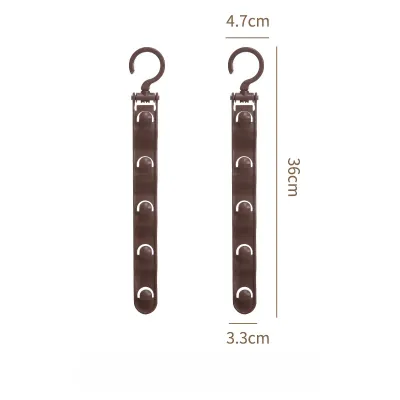
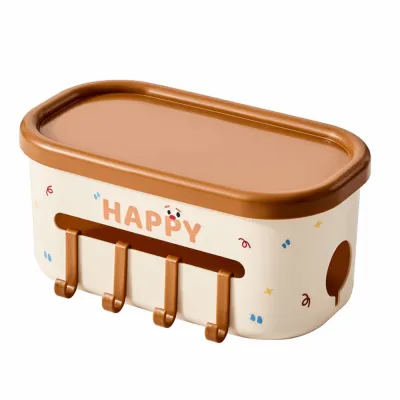
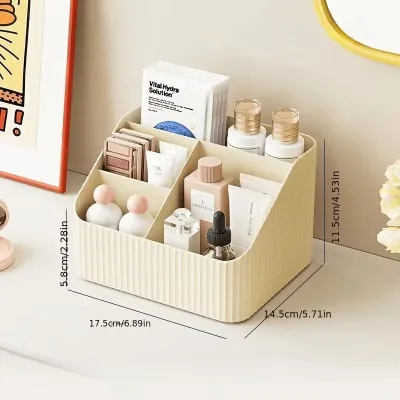
Prices are valid at publication and may change. Please refer to the product page for the latest price.
When planning your layout, you must account for the swing radius of all doors, wardrobes, and windows. Use masking tape on the floor to mark the path of the main door and wardrobe doors as they open. Any folding furniture placed within these zones will cause daily frustration and potential damage to your walls or the furniture itself.
Tenancy agreements for HDB dormitories and shared flats usually have strict rules regarding property modifications. Most agreements explicitly prohibit drilling holes into masonry or drywall. This restriction rules out wall-mounted drop-leaf tables or floating shelves. Instead, you must focus on freestanding folding furniture or drill-free hanging accessories that can be removed easily when your lease ends.
Additionally, map out all fixed obstacles in the room. Take note of the positions of wall-mounted power sockets, light switches, air-conditioning trunking, and the sweep of any ceiling fans. A tall folding shelving unit must not block access to electrical outlets or stand close enough to interfere with a spinning ceiling fan.
Finally, remember that folded dimensions are only half of the equation. You must check both the collapsed and the fully deployed dimensions of any item you buy. Ensure that when a desk or bed is fully extended, you still have at least 60 to 70 centimeters of clearance space to walk and move around comfortably.
Best Multi-Functional Folding Furniture for Tight Floor Plans
Selecting the right folding furniture involves finding pieces that serve multiple purposes without compromising on comfort or safety. Because these items will be opened and closed daily, paying attention to their materials, joints, and locking mechanisms is essential for long-term durability.

Fold-Down Desks and Mobile Workstations
For students and remote workers, a dedicated workspace is essential, but a permanent desk can dominate a small room. A freestanding folding desk with built-in shelving offers an excellent compromise. These units feature a desktop that flips down and locks into place for work, then folds completely flat against the integrated shelving unit when you are finished. This design provides storage and a workspace within a single, drill-free footprint.
Alternatively, a mobile workstation equipped with lockable casters offers great flexibility. These compact desks can be rolled smoothly across the room and tucked under a loft bed or into a narrow alcove when not in use. When choosing a mobile desk, ensure the casters are made of soft polyurethane or rubber to protect HDB flooring materials like vinyl, laminate, or parquet from scratches.
Before buying, always verify the manufacturer’s stated weight capacity for the desk surface. Most lightweight folding desks are rated for 15 to 30 kilograms, which is more than enough for a laptop and books, but they are not designed to support heavy loads or body weight. Ensure the deployed depth of the desk leaves enough space behind your chair so you do not feel trapped against the wall.
Convertible Sofa Beds and Folding Mattresses
In a compact dorm room, a bed takes up the most floor space. A convertible sofa bed or a folding mattress allows you to transform your sleeping area into a social or study space during the day. Tri-fold mattresses made of high-density polyurethane foam are highly practical; they can be folded into a neat cube to serve as low floor seating and laid flat on the floor at night.
While tri-fold mattresses are lightweight and easy to store, structured convertible sofa beds offer a more formal seating option with better back support. However, sofa beds are significantly heavier, more expensive, and have a larger permanent footprint. Consider your daily routine and whether you are willing to fold and unfold your bed every morning and evening.
When evaluating these items, inspect the structural frame material and the locking hinges. Look for powder-coated steel frames or reinforced solid wood joints rather than cheap particleboard, which can warp under Singapore’s high humidity. Ensure you measure the fully extended length of the bed—typically 190 to 200 centimeters for a single size—to guarantee it does not block your room’s main entrance or wardrobe doors.
Collapsible Tables for Dining and Studying
If you occasionally need extra surface space for dining or projects, collapsible tables are an ideal solution. Drop-leaf tables feature side panels that can be lowered when not in use, transforming a functional dining table into a narrow console table that sits flat against the wall. Lightweight folding tray tables can also be tucked away behind a wardrobe or under a bed.
The stability of folding legs is critical for safety. Look for tables with secure manual locking rings or cross-braces that prevent the legs from folding accidentally if the table is bumped. Additionally, ensure the legs are fitted with non-slip rubber or silicone foot pads to prevent sliding and protect your flooring from scuffs.
Keep in mind the trade-off between material weight and stability. Aluminum and hollow-core engineered wood tables are incredibly easy to move, but they are more susceptible to tipping if unevenly loaded. Heavier solid wood or steel-framed tables offer superior stability but require more physical effort to set up and store away.
Drill-Free Space-Saving Accessories for HDB Dormitories
When you cannot drill into the walls, maximizing your vertical and hidden spaces is the best way to keep your room organized. Utilizing damage-free dormitory accessories allows you to create extra storage out of thin air.
Over-Door Hooks and Tension-Rod Organizers
The back of your bedroom or wardrobe door is highly valuable vertical real estate. Over-door hooks and hanging organizer racks allow you to store jackets, bags, and daily essentials without damaging the door’s surface. Before buying, measure your door’s thickness (standard HDB doors are typically 35 to 40 millimeters thick) and ensure there is at least a 2-millimeter gap at the top so the door can close smoothly. Choose hooks with soft foam backing to protect the door’s paint or veneer.
Tension rods are incredibly versatile tools for small spaces. These adjustable metal rods use internal springs or screw mechanisms to grip opposing walls tightly without screws. You can install a tension rod inside a narrow closet alcove, between two wardrobes, or within a window frame to hang clothes, shoe organizers, or lightweight storage baskets.
However, you must be careful not to overload these accessories. Standard tension rods and over-door hooks have strict weight limits, often ranging from 2 to 5 kilograms. Overloading a tension rod can cause it to slip and fall, potentially damaging your belongings or the wall. Distribute weight evenly across the rod and choose models with wide, textured rubber end-caps for the best grip.
Under-Bed Storage Bins and Bed Risers
The empty space beneath your bed frame is ideal for storing seasonal clothing, extra bed linens, or travel luggage. To make the most of this space, measure the exact vertical clearance from the floor to the lowest rail of your bed frame. When shopping for under-bed bins, remember to factor in the height of the bin’s wheels, handles, and lid latches to ensure a smooth fit.
If your bed sits too low to the ground, heavy-duty bed risers can elevate the frame by 5 to 15 centimeters. Before installing risers, verify that your bed’s legs fit securely inside the riser’s top recessed cup. Check the manufacturer’s load-bearing specifications carefully, ensuring the risers can support the combined weight of the bed frame, the mattress, your stored items, and your own body weight.
Because dust and moisture can accumulate quickly under beds in Singapore’s tropical climate, material selection is crucial. Avoid open cardboard boxes, which attract moisture and pests. Instead, opt for clear plastic storage bins with airtight latching lids, or breathable fabric organizer bags with zippered plastic tops to keep your items clean, dry, and dust-free.
Safety, Clearance, and Installation Checks for Folding Items
Using folding furniture in a confined space requires regular safety checks to prevent accidents. Because these items have moving parts, they are subject to wear and tear that can compromise their stability over time.
Tall, freestanding folding shelves or wardrobes can easily become top-heavy. To prevent tip-over accidents, always place your heaviest items on the bottom shelves to lower the center of gravity. If you cannot anchor the unit to the wall due to rental restrictions, avoid placing it in high-traffic pathways where it could easily be bumped or knocked over.
Regularly inspect all folding hinges, locking pins, and tension mechanisms on your furniture. Look for loose screws, bent metal brackets, or signs of material fatigue. If a hinge begins to squeak or feel stiff, consult the manufacturer’s care instructions before applying a small drop of silicone-based lubricant to keep the mechanism operating smoothly.
Fire safety and proper ventilation must also be prioritized. Never position folding furniture where it blocks air-conditioning vents, wall-mounted fans, or electrical wall sockets. Pinched electrical cords behind heavy folding beds or desks can damage the insulation and create a fire hazard. Always ensure that your furniture layout leaves a completely unobstructed path to the room’s primary exit door.
Common Sizing and Layout Mistakes in Compact Dorms
One of the most common mistakes when furnishing a small HDB dorm room is purchasing items based solely on their folded footprint. While a chair that folds down to a thickness of 5 centimeters sounds perfect, you must consider the volume it occupies when deployed. Always map out the fully extended dimensions of your furniture on your floor plan before making a purchase.
Another frequent error is ignoring the thickness of folded items when planning storage. A “flat-folding” table or chair still takes up 5 to 10 centimeters of depth. If you plan to slide three folded chairs into the gap between your wardrobe and the wall, ensure that gap is actually wide enough to accommodate them without scratching your furniture.
Finally, avoid placing folding furniture too close to swinging doors, windows, or low-hanging fixtures. A sudden deployment of a desk or bed could collide with these architectural elements, causing scratches, dents, or broken glass. By planning your layout carefully and checking your measurements twice, you can create a highly functional, safe, and comfortable living space.
Community discussion
Share your experience or ask a question. Comments are reviewed before publication.