
Selecting the right storage cabinet cupboard for a compact Singapore home requires balancing functional storage with visual lightness. In HDB flats and condominiums where floor area is at a premium, the most effective display cabinets leverage vertical space, incorporate transparent materials like glass, and serve multiple purposes without crowding the room. By choosing configurations that draw the eye upward and keep the floor visible, you can showcase your favorite items while maintaining an airy, spacious feel in your living area.
To find the perfect fit, you must evaluate both the physical dimensions of your room and the visual impact of the furniture. A cabinet that looks beautiful in a spacious showroom can easily overwhelm a cozy living room if its scale, material, or placement is not carefully planned. Understanding how to measure your space, select appropriate configurations, and organize your display will help you create a harmonious and functional home.
Measuring Your Space for a New Display Cabinet
Before browsing designs, you must accurately measure your available wall and floor space to ensure the new furniture fits comfortably. Start by measuring the exact floor footprint where the cabinet will stand, noting any architectural features that could interfere with installation. Skirting boards along the base of your walls can prevent a cabinet from sitting completely flush, so factor in an extra one to two centimeters of clearance. Additionally, locate all power outlets, light switches, and media ports to ensure they remain accessible or are not awkwardly blocked by the unit.
Products mentioned in this guide
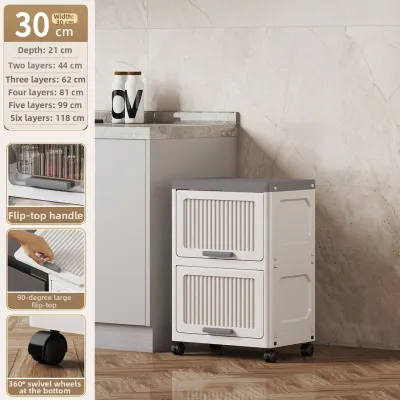
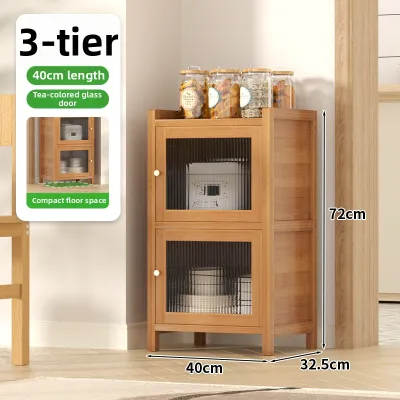
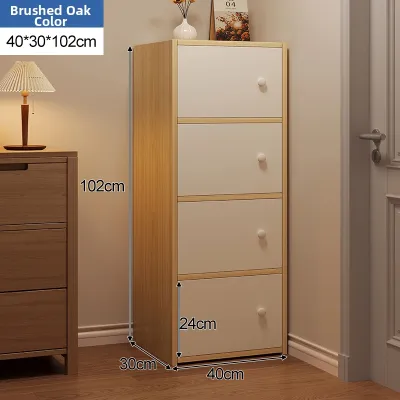
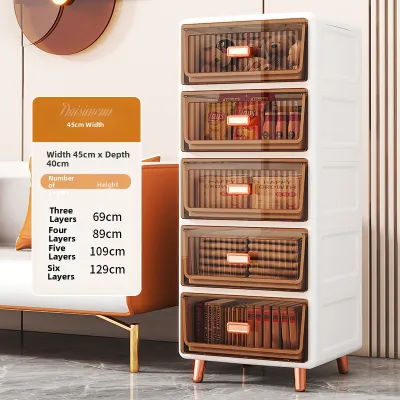
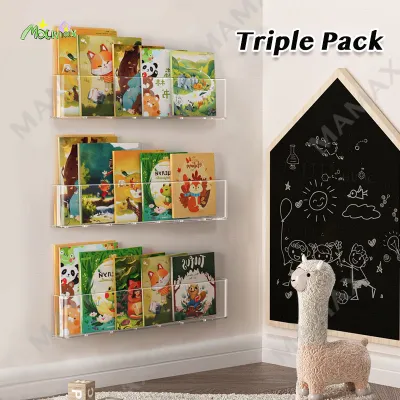
Prices are valid at publication and may change. Please refer to the product page for the latest price.
Next, measure your ceiling height carefully. While tall cabinets are excellent for maximizing vertical storage, you must ensure there is enough clearance to assemble and upright the unit, especially if you are purchasing flat-packed furniture that requires assembly on the floor. If your home has false ceilings or low-hanging beams, verify these heights at the exact spot where the cabinet will be placed.
Beyond the cabinet’s static footprint, you must evaluate the surrounding pathway widths to maintain a safe and comfortable flow of movement. In compact HDB layouts, walkways should ideally remain at least 90 centimeters wide to allow residents to pass without squeezing. Open the doors of nearby rooms, wardrobes, or main entryways to confirm they will not collide with the new cabinet.
Finally, account for the cabinet’s own moving parts. Measure the door swing radius for hinged glass doors and the full extension depth of any pull-out drawers. If your walkway is narrow, a cabinet with sliding glass doors or open shelving may be a more practical choice, as these designs do not require extra clearance to access your stored items.
Space-Saving Display Cabinet Configurations for Compact Layouts
When floor space is limited, the structural design of your storage cabinet cupboard plays a crucial role in how spacious your room feels. Tall and narrow vertical cabinets are highly effective for small layouts because they maximize storage capacity by utilizing unused wall height. By keeping the footprint narrow—typically between 40 to 60 centimeters wide—you can tuck these units into tight corners or alcoves, drawing the eye upward and making the ceiling appear higher.

For an even lighter footprint, consider wall-mounted or floating display shelves. By lifting the storage unit off the ground, you keep the floor surface fully visible. This continuous line of flooring tricks the brain into perceiving the room as larger and more open. Floating units also make cleaning and vacuuming much easier, eliminating awkward dust traps underneath heavy furniture legs.
If you prefer a freestanding unit, look for glass-fronted or open-frame designs. Cabinets with glass panels on the front and sides allow light to pass through them, reducing their visual weight. Unlike solid wooden cupboards that act as visual roadblocks, glass and open-frame structures maintain clear sightlines across the room, helping the space feel connected and bright.
Multi-functional furniture is another excellent strategy for compact Singapore apartments. A double-sided open bookshelf or display cabinet can serve as a stylish room divider, separating your living area from the dining space without blocking natural light. Alternatively, a console-storage hybrid offers a low-profile display surface on top while providing concealed storage below, keeping your daily essentials organized and out of sight.
Choosing Materials and Finishes to Enhance Small Rooms
The materials and finishes you select have a direct impact on how light moves through your home. To make a small room feel brighter and more open, prioritize light-colored woods such as oak, ash, or rubberwood, or opt for high-gloss laminate finishes. These lighter surfaces reflect both natural sunlight and indoor lighting, bouncing brightness around the room rather than absorbing it.
Incorporating mirrored backs inside your display cabinet is another effective design technique. A mirrored interior reflects the items on display, adds depth, and creates the illusion of a window, making the cabinet itself feel like an extension of the room. Conversely, dark, matte, or heavy materials like solid walnut, dark wenge, or thick black metal frames tend to absorb light and can make a small living area feel enclosed and heavy. If you prefer darker tones, use them sparingly as accent frames rather than solid surfaces.
Because Singapore experiences high humidity year-round, it is essential to check the manufacturer’s care and maintenance instructions for your chosen materials. High-gloss laminates and glass surfaces can easily show fingerprints, dust, and moisture smudges in humid conditions. Ensure you use appropriate non-abrasive cleaning cloths and mild glass cleaners to maintain clarity and shine without scratching the surfaces or damaging the underlying wood joints.
Organizing Your Storage Cabinet Cupboard to Maximize Visual Space
How you arrange the items inside your display cabinet is just as important as the cabinet’s external design. A cluttered, overstuffed cabinet will instantly make a small room feel chaotic and cramped. To prevent this, apply the rule of negative space by leaving approximately 30% to 40% of each shelf empty. This intentional empty space gives the eyes a place to rest and allows your displayed items to stand out as curated features rather than clutter.
To create visual harmony, group your displayed items by a cohesive color palette, material, or height. For example, placing taller vases or books at the back and shorter decorative pieces at the front creates a sense of depth. Avoid mixing too many contrasting colors or textures on a single shelf; instead, stick to a consistent theme that complements your overall living room decor.
For practical daily living, utilize a cabinet that features a combination of open display shelves and concealed lower storage. Use the upper glass-fronted shelves to showcase your curated glassware, books, or collectibles. Meanwhile, use the solid doors or drawers at the bottom to hide everyday clutter, electronic cables, and household documents. This division keeps your home looking tidy while still allowing you to personalize your space.
Common Sizing and Placement Mistakes to Avoid
One of the most common mistakes homeowners make is ignoring the delivery route before purchasing a large display cabinet. Even if a cabinet fits perfectly in your living room, it must first travel through your building’s lift, navigate narrow HDB corridors, turn tight corners, and pass through your main door frame. Always measure these entry points and compare them with the packaged dimensions of the furniture. If access is tight, look for flat-packed options or modular designs that can be assembled directly inside your home.
Another frequent error is placing tall display units where they block natural light sources or obstruct air-conditioning airflow. Positioning a tall cabinet directly next to a window can cast large shadows across the room, making the space feel dim and small. Similarly, placing a unit directly beneath or in front of an air-conditioning unit can block the cool air from circulating efficiently and expose the cabinet’s wood or laminate to rapid temperature changes, which may cause warping over time.
Finally, avoid placing deep cabinets in narrow walkways without verifying the remaining clearance. A cabinet that juts out too far into a high-traffic path will cause constant frustration and accidental bumps. Always prioritize physical comfort and safe passage over maximizing storage volume, ensuring your home remains a relaxing and easy place to navigate.
Frequently Asked Questions (FAQ)
Can I install a wall-mounted display cabinet on HDB hollow block walls?
Yes, but you must take specific safety precautions and verify your wall type before installation. HDB flats often feature a mix of structural concrete walls and non-structural internal partition walls, which may be made of hollow concrete blocks or drywall. Hollow block walls have lower load-bearing capacities than solid concrete. Always check the manufacturer’s weight limits for the cabinet and use specialized wall plugs designed for hollow masonry. For heavy storage units, it is highly recommended to consult a qualified professional installer or check relevant housing guidelines to ensure the wall can safely support the combined weight of the cabinet and your displayed items.
How do I prevent a tall display cabinet from tipping over?
To prevent a tall, narrow display cabinet from tipping over, you must secure it directly to the wall. Most manufacturers include anti-tip kits, brackets, or safety straps with tall furniture units; these must be installed strictly according to the provided instructions. Ensure you anchor the brackets into solid wall studs or concrete masonry rather than relying on drywall-only anchors, which can pull out under heavy loads. Additionally, place heavier items on the bottom shelves to lower the cabinet’s center of gravity, and avoid placing tempting items on top shelves where children or pets might try to climb up to reach them.

Community discussion
Share your experience or ask a question. Comments are reviewed before publication.