
Selecting the right dining chairs for a compact HDB flat requires balancing daily comfort with physical and visual space. In Singapore’s high-density housing, the dining area often serves multiple purposes, doubling as a home office, a preparation zone, or a social hub. Finding seating that optimizes this limited footprint prevents your home from feeling cramped while ensuring you can host guests comfortably.
The most effective dining chairs for small apartments are those that minimize visual clutter while offering physical flexibility. Styles such as transparent acrylic chairs, stackable or foldable models, low-profile armless designs, and tucked-away dining benches allow you to maximize available space without sacrificing style. By focusing on slim frames, clever proportions, and multi-functional designs, you can create an inviting dining setup that keeps your walkways clear and your home feeling open.
What to Look for in Space-Saving Dining Chairs
When evaluating dining chairs for a compact layout, physical volume and visual volume are both critical. Heavy, solid-wood high-back chairs block light and sightlines, making a small room feel even smaller. Instead, look for chairs with slim metal legs, open spindle backs, or transparent materials. These design elements allow light to pass through and keep the floor plane visible, which tricks the eye into perceiving a larger, more open room.
Products mentioned in this guide
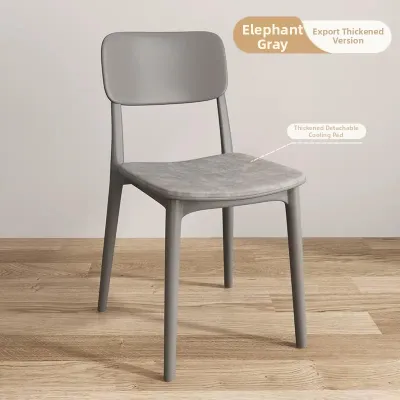
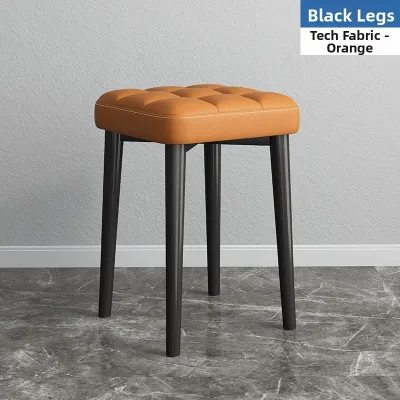
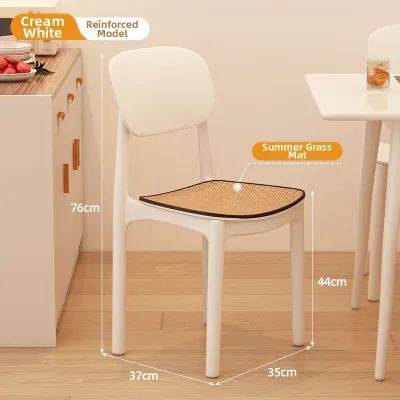
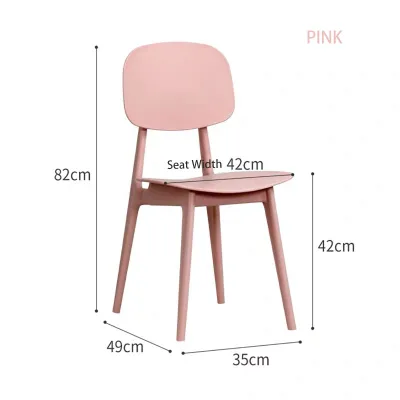
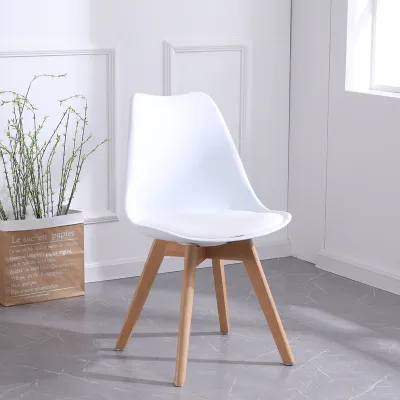
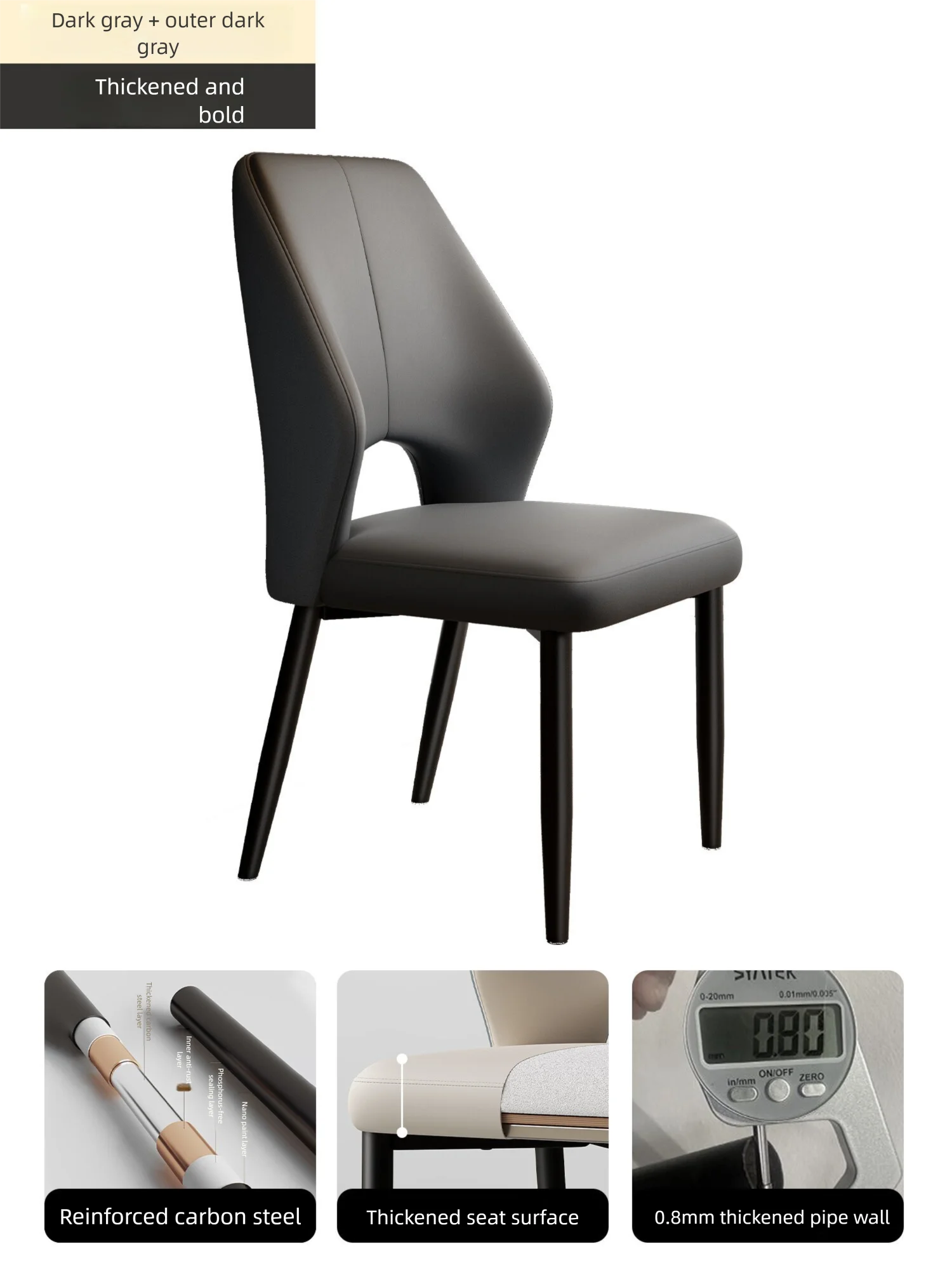
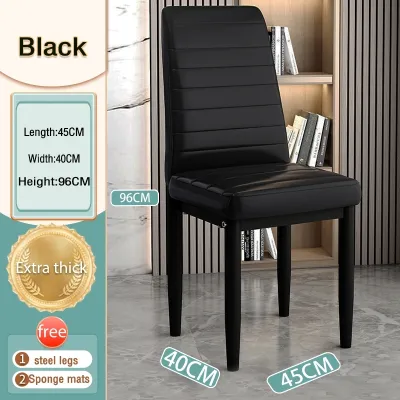
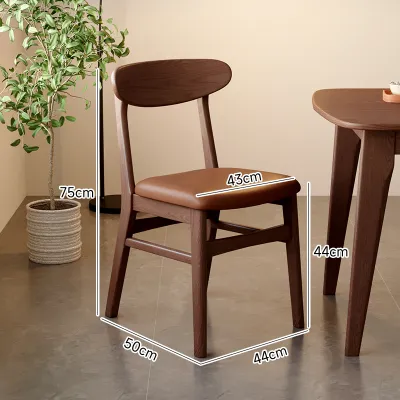
Prices are valid at publication and may change. Please refer to the product page for the latest price.
Walkways in HDB flats are often narrow, especially in open-plan living-dining layouts. To maintain clear traffic paths, prioritize dining chairs with a compact physical footprint. Armless designs are highly recommended because they can be pushed fully under the table when not in use, saving up to 15 to 20 centimeters of space per chair. Additionally, choose chairs with a shallower seat depth (around 40 to 45 centimeters) and low-to-mid-height backrests to prevent them from dominating the room’s vertical space.
In a small flat, furniture must often adapt to changing daily needs. Multi-functional seating solutions, such as chairs that fold flat or stack neatly, are invaluable. They allow you to keep only the necessary number of chairs out for daily use, while extra seating can be stored away in a household shelter or utility closet until guests arrive. This keeps your daily living environment uncluttered while maintaining hosting capacity.
Because dining chairs in compact spaces experience frequent movement and multi-purpose use, material durability is critical. Before buying, check the manufacturer’s specifications for structural stability and maximum weight capacities. Look for materials that are easy to wipe clean, such as powder-coated steel, high-density polypropylene, or treated wood. In Singapore’s humid climate, avoid untreated materials that may warp or harbor mold, and always check the care labels to ensure the upholstery or finish can withstand daily wear and tear.
Top Dining Chair Styles for Compact HDB Flats
Acrylic and Ghost Chairs
Transparent dining chairs, often referred to as ghost chairs, are exceptionally suited for dark, narrow, or windowless dining nooks. Because they are completely see-through, they virtually disappear into the room, allowing light from nearby windows to flow unobstructed. This visual trick keeps the dining area feeling airy and spacious, even if the physical footprint is identical to a standard chair.

While visually stunning, acrylic chairs have distinct practical trade-offs. The smooth plastic surface is highly susceptible to fine scratches from clothing rivets, keys, or abrasive cleaning cloths over time. Additionally, because they are molded from polycarbonate or acrylic, they may have lower weight capacities compared to solid wood or metal frames. Always check the manufacturer’s load ratings. It is also important to position these chairs away from direct heat sources or intense, prolonged sunlight to prevent the material from warping or discoloring.
To maintain the pristine clarity of acrylic dining chairs and prevent clouding, avoid using standard glass cleaners or ammonia-based chemical sprays. Instead, clean them using a soft, clean microfiber cloth dampened with lukewarm water and a drop of mild, pH-neutral dish soap. Wipe gently in straight lines rather than circular motions to minimize micro-scratches, and dry immediately with a separate dry microfiber cloth.
Stackable and Folding Chairs
If your dining table frequently transitions from a breakfast spot to a work-from-home desk or a crafting area, stackable or folding dining chairs offer unmatched flexibility. They allow you to quickly clear the floor area for cleaning, exercise, or other activities, and make it easy to scale your seating up or down depending on whether you are dining alone or hosting a weekend gathering.
When evaluating temporary seating, structural integrity is paramount. Inspect the folding mechanisms or hinge joints to ensure they operate smoothly without catching or wobbling. For stackable designs, verify the manufacturer’s recommended maximum stacking height to prevent tipping hazards. Additionally, check that the legs are fitted with high-quality rubber or felt floor protectors (glides or caps) to prevent scratching your vinyl, laminate, or tiled flooring when chairs are repeatedly moved or stacked.
Before purchasing, measure your available storage zones, such as the household shelter, a utility closet, or the gap behind a wardrobe. Folding chairs should fold as flat as possible—ideally under 10 centimeters in thickness—to allow for easy slotting into narrow spaces. If you choose stackable chairs, ensure the stacked column height fits comfortably beneath your shelving or within your designated storage alcove.
Dining Benches
Dining benches are an excellent high-density seating solution, particularly for rectangular tables positioned against a wall or nestled into tight alcoves. Because a bench can accommodate two or three people in the space normally occupied by two individual chairs, it maximizes seating capacity. Most importantly, a bench without a backrest can be slid completely underneath the dining table when not in use, keeping the surrounding walkway entirely clear.
While highly space-efficient, benches come with clear ergonomic trade-offs. The lack of back support makes them less comfortable for long, lingering dinners or extended work sessions. Additionally, sliding in and out of a bench requires coordination, especially for those sitting in the middle, as they must wait for others to move. This physical effort can make benches less suitable for households with elderly family members or individuals with mobility challenges.
To ensure your dining bench tucks away seamlessly, you must measure the distance between the inside of the dining table’s legs. The total length of the bench must be at least 5 to 10 centimeters shorter than this interior clearance to avoid scraping the table legs. Furthermore, check the height of the bench seat against the underside of the table apron to ensure there is enough vertical clearance for the bench to slide fully underneath without catching.
Slim-Profile and Armless Chairs
For everyday dining comfort without the bulk, slim-profile, armless dining chairs are the gold standard. Armrests add physical width and prevent chairs from being pushed fully under the table, forcing them to protrude into the room’s walkways. Choosing armless designs saves precious centimeters of clearance on either side of the chair, allowing you to fit more seats along the table edge without overcrowding.
Look for designs featuring low-to-mid-back heights and slender, tapered legs. A lower backrest keeps the sightline across the room open, which visually raises the ceiling height and makes the entire flat feel larger. Tapered metal or wooden legs reduce the visual weight at the floor level, contributing to a clean, minimalist aesthetic that complements modern HDB interiors.
A minimal frame does not have to mean uncomfortable seating. When evaluating slim dining chairs, pay close attention to the ergonomic curvature of the seat and backrest. A subtly contoured seat pan that mimics the natural shape of the body can provide excellent support even with minimal padding. If you prefer upholstered options, look for high-density foam filling, which offers firm, long-lasting support without requiring a thick, bulky cushion.
How to Measure and Fit Chairs to Your Dining Area
To ensure comfortable dining, you must maintain the correct vertical relationship between your dining chairs and the table. Standard dining tables typically stand between 73 and 76 centimeters high, while standard dining chair seats are usually 43 to 46 centimeters from the floor. This leaves a vertical gap of approximately 25 to 30 centimeters. Always measure from the top of the chair seat to the lowest point of the table’s underside (such as the support apron) to ensure diners have ample legroom to cross their legs comfortably without hitting the table structure.
A common mistake in small HDB layouts is failing to account for the space required to actually use the chairs. To pull a chair out and sit down comfortably, you need a minimum clearance of 60 to 75 centimeters from the edge of the table to the nearest wall or piece of furniture. If the dining area sits directly along a major household walkway, such as the corridor leading to the bedrooms or the kitchen entrance, increase this clearance to 90 to 100 centimeters. This ensures that someone can walk past safely even when the dining chairs are fully occupied.
The shape of your dining table dictates how many chairs you can comfortably fit. For round tables, which are highly popular in compact HDB flats due to their lack of sharp corners, choose chairs with tapered seats that are narrower at the back than the front. This wedge-like shape allows the chairs to tuck neatly under the curved perimeter without colliding. For square or rectangular tables, ensure that the combined width of the chairs placed side-by-side is at least 15 centimeters less than the distance between the table legs, preventing the chairs from bumping into each other or the table frame.
Beyond physical dimensions, pay attention to the visual balance between your table and chairs. A heavy, solid-slab wooden dining table paired with ultra-thin, wire-framed chairs can look top-heavy and unstable. Conversely, a delicate glass-topped table paired with chunky, fully upholstered chairs will look bottom-heavy and cramped. Aim for visual harmony: pair a light, slim-profile table with equally sleek chairs, or balance a sturdier wooden table with clean-lined, armless wooden chairs that share a similar design language and finish.
Where to Shop and What to Verify Before Buying
Singapore offers a wide array of shopping avenues for space-saving dining chairs. Large international home furnishing chains are excellent for finding budget-friendly, flat-pack folding and stackable designs. Local online furniture brands frequently specialize in compact designs tailored specifically for modern HDB floor plans. If you are opting for a dining bench, consider engaging a custom carpentry service to create a built-in bench along a wall; this can incorporate hidden under-seat storage drawers, maximizing every inch of utility.
Before finalizing your purchase, verify the delivery logistics. Standard HDB passenger lifts have specific door and cabin dimensions that can restrict the transport of large, fully assembled furniture. While single dining chairs usually fit easily, buying them in sets or purchasing a long dining bench requires careful measurement. Check the packaged dimensions of the items and compare them against your flat’s entrance door width, gate clearance, and the lift cabin height and depth. If the items cannot fit into the lift, you may face additional staircase delivery charges, or worse, be unable to bring the furniture into your home.
Always review the retailer’s return and exchange policies, especially if buying online without testing the chairs in person. Comfort is highly subjective, and a chair that looks perfect on screen may not suit your posture. Furthermore, verify the assembly requirements; flat-pack chairs require self-assembly, so ensure you have the necessary tools or check if the retailer offers professional assembly services. Finally, review the manufacturer’s care instructions to confirm that the materials, glues, and finishes are rated for indoor use in Singapore’s humid climate, ensuring your investment remains durable and beautiful for years to come.
Frequently Asked Questions (FAQ)
Can I use outdoor or balcony chairs for my indoor dining table?
Yes, you can use outdoor or balcony chairs indoors, provided they meet specific criteria. First, verify that the seat height matches standard indoor dining tables (around 43 to 46 centimeters), as some outdoor lounge chairs sit much lower. Second, check the feet of the chairs; outdoor furniture often has hard plastic or metal feet designed for concrete or decking, which can easily scratch indoor vinyl, laminate, or parquet floors. Fit them with appropriate felt pads or rubber glides. Finally, ensure the materials are comfortable for indoor dining and do not snag indoor clothing.
Is it better to buy a matching dining set or mix and match chairs for a small space?
For small HDB flats, a matching dining set is often the safer choice because visual consistency creates a sense of order and makes a compact space feel less cluttered. When chairs share the same material, color, and height, they blend into a single cohesive unit. However, if you prefer a mix-and-match look, maintain visual continuity by keeping at least one design element constant—such as using different chair shapes but in the exact same color, or choosing different colors of the exact same chair model. This prevents the dining area from looking chaotic and visually cramped.
Community discussion
Share your experience or ask a question. Comments are reviewed before publication.