
Selecting the right dining chair is one of the most critical decisions when furnishing a compact Singapore Housing & Development Board (HDB) flat. Because modern BTO (Build-To-Order) and resale layouts often feature open-concept living-dining areas or narrow transitional corridors, standard bulky furniture can quickly obstruct walkways and make the home feel cramped. The ideal seating solutions must balance physical dimensions, ergonomics, and visual weight to preserve precious floor space while maintaining daily comfort.
To optimize a small dining nook, you must look beyond basic aesthetics. The best dining chair styles for compact HDB spaces are those that minimize physical footprint, slide completely under the table, or offer optical transparency. By understanding how to measure your space and select appropriate materials, you can create a highly functional dining zone that feels open, airy, and welcoming.
How to Evaluate Dining Chairs for Compact HDB Layouts
To find the perfect dining chair for your home, you must first establish clear spatial and functional metrics. This prevents the common mistake of purchasing furniture that looks beautiful in a spacious showroom but overwhelms your actual living area.
Products mentioned in this guide
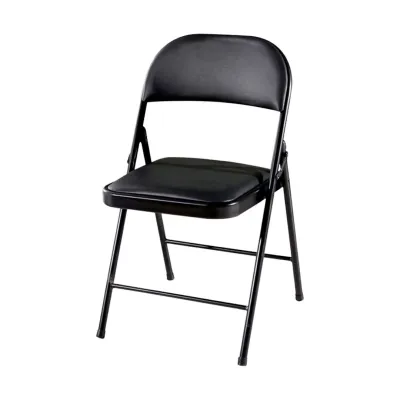
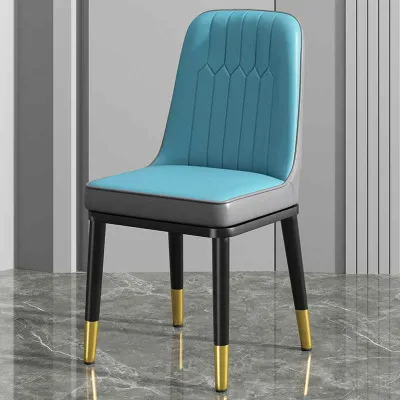
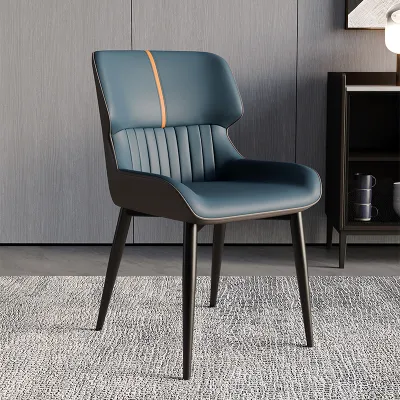
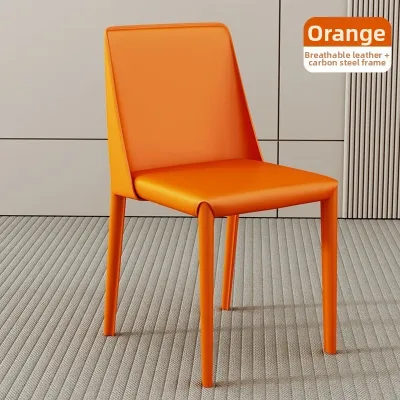
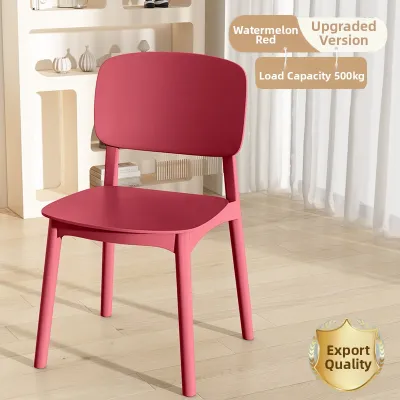
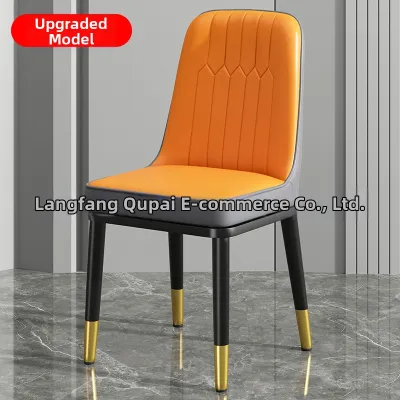
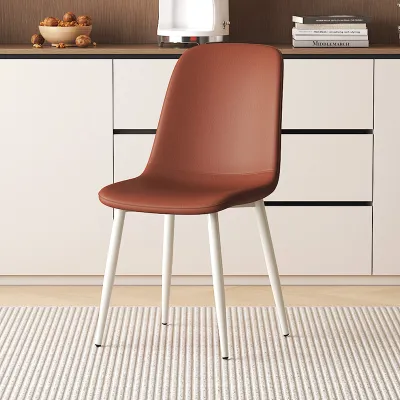
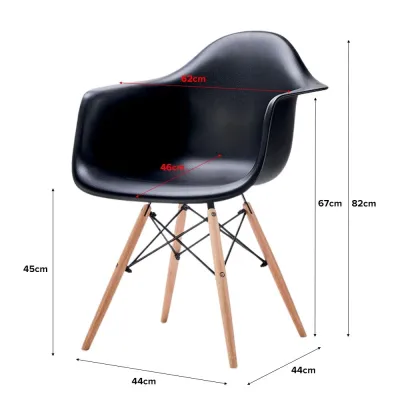
Prices are valid at publication and may change. Please refer to the product page for the latest price.
Physical Footprint and Clearance
Before browsing designs, measure your dining nook with high precision. A standard dining table stands about 75 centimeters tall, which requires chairs with a seat height of 43 to 48 centimeters to ensure comfortable legroom.
- Width and Depth: Standard chairs are typically 45 to 55 centimeters wide. In a tight HDB layout, every centimeter matters. Opt for chairs on the narrower end of this spectrum to fit more seating along the table's edge.
- Pull-Out Clearance: A person needs approximately 60 centimeters of clearance behind the table to pull out a chair and sit down comfortably. If the space behind the chair serves as a primary walkway—such as the path between your living room and kitchen—increase this clearance to 90 or 100 centimeters to prevent traffic bottlenecks.
- Table Base Compatibility: Always check the distance between your dining table legs. If the legs are angled or have a central pedestal design, the usable space underneath changes, which affects how far your chairs can be tucked in.
Visual Weight Reduction
Visual weight refers to how heavy an object looks within a space. A solid, dark, fully upholstered armchair has high visual weight and can make a small room feel boxed in.
- Leg Design: Look for chairs with slim, tapered metal or wooden legs. These elevated designs expose more floor area, which tricks the eye into perceiving the room as larger than it is.
- Backrest Style: Chairs with open-slat backrests, low backs, or spindle designs allow light and sightlines to pass through. This openness prevents the dining set from acting as a solid visual barrier in your living room.
- Material Choice: Light-colored woods, pale plastics, and transparent materials reflect light rather than absorbing it, keeping the dining nook bright and visually uncluttered.
Multifunctionality Assessment
Modern HDB dining areas are rarely used solely for meals. They frequently double as home offices, study zones for children, or food preparation areas.
- Dual-Purpose Comfort: If you plan to work from your dining table for several hours a day, prioritize ergonomic seat support and cushion density over pure space-saving features.
- On-Demand Seating: Assess how often you host guests. If you only entertain on weekends or holidays, it is highly inefficient to keep six permanent chairs around your table. A combination of two comfortable daily chairs and four stackable or foldable chairs stored elsewhere is often the most practical solution.
- Ease of Movement: Lightweight chairs are easier to move around the home, allowing you to quickly repurpose them as extra seating in the living room when hosting larger groups.
Top Space-Saving Dining Chair Styles for Small Dining Nooks
Different layouts require different space-saving strategies. By matching your specific spatial constraints with the right chair style, you can maximize both the utility and the visual appeal of your dining area.

Transparent Acrylic Chairs (Ghost Chairs)
Transparent acrylic or polycarbonate chairs, often referred to as ghost chairs, are a favorite among interior designers working with compact urban apartments. Their completely clear construction offers unique spatial benefits that traditional materials cannot match.
- Spatial Benefit: Because these chairs are transparent, they allow light to pass through completely. They do not block sightlines, making them virtually invisible in the room. This optical illusion makes your dining nook feel significantly larger and less cluttered, even if the physical footprint of the chairs is standard.
- Best Scenarios: These chairs are ideal for darker dining areas that lack direct natural light, or spaces where the dining table itself is a beautiful statement piece that you want to showcase. They also blend seamlessly into modern, minimalist, or industrial HDB interior designs.
- Limitations and Care: Acrylic is highly susceptible to surface scratches from keys, metal rivets on clothing, or abrasive cleaning tools. To maintain their pristine clarity, always clean them with a soft microfiber cloth and mild, soapy water. Avoid using harsh chemical glass cleaners, which can cause the material to cloud or develop micro-cracks over time. Additionally, verify the manufacturer's specified weight limits and check the structural stability of the joints regularly.
Backless Stools and Tuck-Away Benches
For the ultimate low-profile seating solution, backless stools and benches are unmatched in their ability to reclaim physical floor space.
- Spatial Benefit: The primary advantage of backless designs is their ability to slide completely underneath the dining table when not in use. This keeps your walkways entirely clear, allowing you to maintain an open floor plan during non-meal times.
- Best Scenarios: This style is perfectly suited for very narrow dining corridors or open-concept kitchens where the dining table is positioned directly in a high-traffic pathway. It is also an excellent option for quick breakfast setups or casual households that prioritize open floor space over long, formal dining sessions.
- Limitations and Care: The obvious trade-off is the lack of back support, which limits comfort during extended meals or long work sessions. Before purchasing a bench or stools, carefully measure your table's apron height (the wooden panel directly beneath the tabletop) and the distance between the table legs. This ensures the seating can slide underneath smoothly without scraping the underside of the table or getting stuck.
Stackable and Foldable Chairs
If your household routine fluctuates between quiet daily living and frequent weekend hosting, flexible seating is essential.
- Spatial Benefit: Stackable and foldable chairs can be easily stored in a household shelter, utility closet, or balcony corner when they are not needed. This allows you to reclaim your dining area's floor space for daily activities, setting up extra seats only when guests arrive.
- Best Scenarios: These are ideal for multi-purpose dining zones and households that love to host family gatherings but want to maintain a clean, spacious home during the week.
- Limitations and Care: Folding mechanisms contain moving parts, hinges, and joints that require periodic safety checks to ensure they remain stable and secure. For stackable chairs, make sure you have adequate vertical storage space and check that the stacking action does not scratch or dent the frames of the chairs underneath. Always look for designs with protective rubber pads on the contact points to prevent wear.
Slim-Profile Armless Chairs
For those who prefer a traditional dining experience but still need to conserve space, slim-profile armless chairs offer the perfect compromise.
- Spatial Benefit: By removing the armrests, these chairs reduce their overall width by 10 to 15 centimeters compared to standard armchairs. This allows them to sit closer together along the table edge and tuck in much tighter, maximizing your seating capacity around a smaller dining table.
- Best Scenarios: This is the most versatile option for standard HDB dining setups where a balance of everyday comfort, back support, and space efficiency is required.
- Limitations and Care: Armless chairs offer less lounging comfort compared to armchairs, as you cannot rest your elbows while sitting. When selecting armless designs, verify the seat depth, cushion density, and upholstery durability. For daily use in Singapore's warm and humid climate, opt for breathable fabrics or easy-to-clean materials like treated wood, molded plastic, or performance leather.
Quick Comparison: Space-Saving Chair Styles
To help you quickly identify the best option for your household, this table summarizes the key characteristics and ideal use cases for each recommended style.
| Chair Style | Visual Weight | Primary Space-Saving Feature | Comfort Level | Best HDB Scenario |
|---|---|---|---|---|
| Transparent Acrylic | Very Low | Visually invisible; lets light pass through | Moderate | Darker dining nooks or statement tables |
| Backless Stools & Benches | Low | Slides completely under the table | Low to Moderate | Narrow corridors and quick, casual meals |
| Stackable & Foldable | Moderate | Can be stored away when not in use | Moderate | Multi-purpose rooms and frequent hosting |
| Slim-Profile Armless | Moderate to Low | Narrow footprint; tucks close to table | High | Standard daily dining and home office use |
What to Verify Before Buying Dining Chairs Online
Purchasing furniture online in Singapore offers incredible variety and convenience, but it also requires careful verification to avoid common sizing and delivery issues.
Dimension Cross-Referencing
Never rely on photos alone to judge the scale of a dining chair. Always cross-reference the detailed product dimensions with your existing furniture.
- Seat Height vs. Table Height: Ensure there is a gap of 25 to 30 centimeters between the top of the chair seat and the underside of the table apron to allow comfortable leg movement.
- Overall Depth: Check how far the chair's legs extend backward. Some mid-century modern designs have splayed legs that take up significantly more floor space than the seat itself.
- Clearance Mapping: Use masking tape to outline the chair's footprint on your dining room floor. This physical representation helps you visualize how much walkway space remains when the chairs are in use.
Delivery Access Checks
One of the most overlooked aspects of buying furniture online is the delivery process. Large, pre-assembled chairs can be difficult to transport into your apartment.
- Lift Dimensions: Measure the height, width, and depth of your HDB block's passenger lift doors. Ensure the delivery boxes can fit inside comfortably.
- Corridor and Entryway Widths: Check the width of your common corridor and your main apartment entrance. If your entryway has a tight turn or a security gate, verify that the chairs can clear these obstacles without damage.
- Assembly Conditions: Check whether the chairs are delivered fully assembled or flat-packed. Flat-packed chairs are easier to bring into the home but require time and tools to assemble. If you prefer professional assembly, check if the retailer offers this service and if any additional fees apply.
Material and Maintenance Review
Singapore’s tropical climate, characterized by high humidity and warmth, can take a toll on furniture materials.
- Wood and Metal Care: Ensure wooden chairs have a protective sealant to prevent moisture absorption and warping. For metal frames, check for rust-resistant powder coatings.
- Upholstery Selection: If you choose upholstered chairs, look for stain-resistant performance fabrics or synthetic leathers that can be easily wiped down. This is especially important for households with young children or pets.
- Manufacturer Instructions: Always review the manufacturer's specific care and cleaning instructions before purchase. If the instructions conflict with your lifestyle or if the material requires high-maintenance care that you cannot provide, consider a more durable material like molded plastic or treated hardwood.
Frequently Asked Questions (FAQ)
How many dining chairs typically fit in a 4-room HDB dining area?
In a standard 4-room HDB flat, the dining area can comfortably accommodate 4 to 6 chairs, depending on your table’s shape and size. A rectangular table measuring 1.2 to 1.4 meters long can easily fit four chairs (two on each side). If you use a round table with a diameter of 90 to 110 centimeters, you can typically fit four chairs, though round tables require a more open, square floor plan. To ensure safety and comfort, prioritize maintaining a 60-centimeter pull-out clearance behind each chair rather than trying to squeeze in the maximum number of seats.
Are dining benches better than individual chairs for small HDB spaces?
Dining benches are excellent for saving physical floor space because they can be tucked completely under the table when not in use, keeping your walkways clear. They also offer flexible seating capacity, allowing you to squeeze in an extra person or several children during family gatherings. However, they lack back support, making them less comfortable for long periods, and sliding in and out of a bench requires more physical coordination than moving an individual chair. A popular compromise for small HDB spaces is to place a bench on the wall-facing side of the table and two individual armless chairs on the open side.
Community discussion
Share your experience or ask a question. Comments are reviewed before publication.