
Quick Answer: Maximizing Vertical Space in Compact Foyers
Managing a compact entryway in a Singapore home requires a strategic approach to vertical space. When floor area is at a premium, leaving bags on the floor or draping them over dining chairs quickly creates visual clutter and physical hazards. The most effective strategy is to shift your storage focus upward, utilizing underused vertical zones such as the back of doors, high wall sections, and narrow corners.
To maintain an organized foyer, you must balance daily accessibility with long-term storage. Frequently used items like work totes, school backpacks, or daily handbags should reside in highly accessible drop zones near the entrance. Conversely, seasonal bags, formal clutches, or travel gear should be stored away in deep closets or high shelving.
When selecting a storage solution, avoid bulky, wide-profile freestanding units. These pieces often block primary walkways, interfere with door swings, or make a narrow corridor feel claustrophobic. Instead, look for streamlined, low-profile alternatives that keep your pathways clear and your home’s entrance welcoming.
Products mentioned in this guide
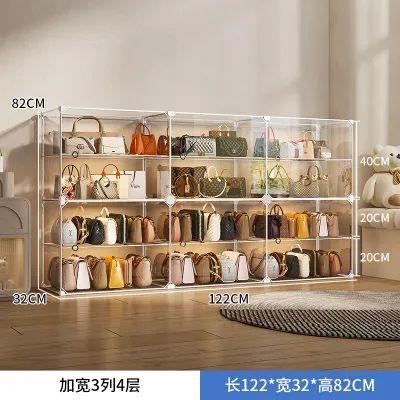
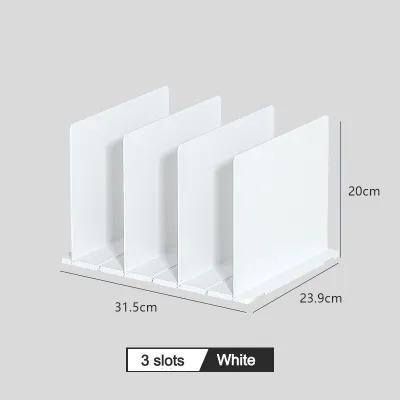
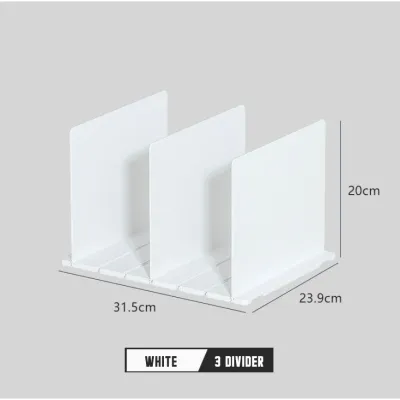
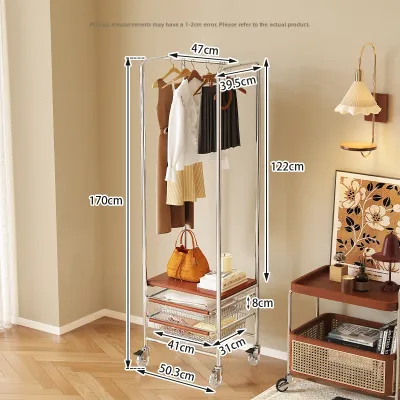

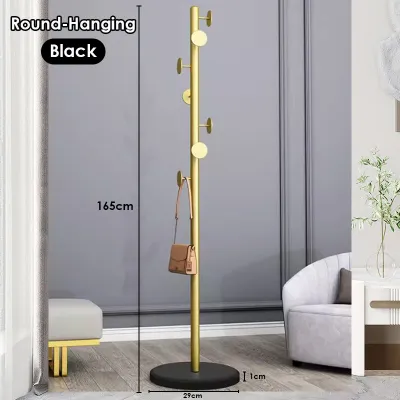
Prices are valid at publication and may change. Please refer to the product page for the latest price.
Best Bag Rack Types for Small Entryways
Finding the right bag storage rack involves matching your specific entryway layout with a structural design that minimizes floor obstruction. In compact HDB flats and condominiums, entryways vary from narrow corridors to open-concept spaces that transition immediately into the living room.

To address these diverse layouts, three primary space-saving categories offer distinct structural advantages. By understanding the spatial footprint and ideal use case of each type, you can select a solution that integrates seamlessly into your daily routine without compromising your home’s flow.
Over-the-Door and Wall-Mounted Hooks
Over-the-door and wall-mounted hooks are highly efficient space-savers because they require zero floor space. By utilizing the vertical plane of an entry door or an empty wall, these solutions keep your bags elevated and your walkways completely clear. They are particularly suited for lightweight everyday bags, reusable grocery totes, and umbrellas.
Before purchasing an over-the-door rack, it is essential to measure your door’s thickness and check the clearance at the top of the door frame. Most standard doors require a gap of at least two to three millimeters to close smoothly with a bracket installed. For wall-mounted options, identify the wall construction; mounting into a solid concrete wall (common in HDB structural walls) requires a hammer drill and appropriate wall plugs, while partition walls require locating studs or using specialized drywall anchors.
Keep in mind that these systems have strict weight limits. Hanging excessively heavy backpacks on a hollow-core door can strain the hinges or damage the door surface over time. Always distribute weight evenly across the hooks and reserve the highest, most secure points for your heaviest items.
Slim Freestanding and Corner Racks
For renters who cannot drill into walls, or for homeowners with structured, heavy leather bags, a slim freestanding or corner rack is an excellent alternative. These units can be tucked into tight corners, alcoves, or the small gap between a shoe cabinet and the wall. They provide a stable hanging point without requiring permanent installation.
When evaluating a freestanding rack, the base footprint is the most critical dimension. Measure the floor area carefully to ensure the base does not protrude into the main walking path or block the swing of your front door. A rack that forces you to squeeze past it every time you enter the home will quickly become a source of frustration.
To ensure safety and prevent tipping, look for freestanding racks that feature a heavily weighted base, a wide low-profile stand, or integrated anti-tip hardware. A low center of gravity is crucial, especially if you plan to hang heavy laptop bags or structured totes that can easily pull a lightweight, top-heavy rack off balance.
Foldable and Multi-Functional Entryway Benches
In highly compact entryways, furniture must often perform double duty. Multi-functional entryway benches combine bag storage with seating, shoe shelves, or drawer space, making them a highly efficient use of a single footprint. These units allow you to sit comfortably while putting on shoes, while keeping your daily bags neatly tucked underneath or hung on an integrated backboard.
If you choose a foldable or modular bench, pay close attention to the durability of the folding mechanisms and hinges. Ensure that the unit operates smoothly and that you have sufficient clearance in front of the bench when it is fully extended or opened.
Ergonomics also play a key role in the usability of multi-functional furniture. Verify that the seating height is comfortable for household members and that any integrated bag hooks are positioned high enough to prevent long bag straps from dragging on the floor or bunching up on the seat.
How to Measure and Plan Your Entryway Space
A successful entryway storage setup begins with precise physical measurements and spatial planning. Buying a bag storage rack based on visual estimation often leads to returned items, blocked doorways, or a cramped foyer.
Start by measuring the exact width, depth, and height of the designated installation zone. Use a metal measuring tape for accuracy, and note any architectural features that could restrict placement, such as light switches, electrical distribution boards (DB boxes), intercom units, or skirting boards.
Next, map the door swing radius of every door in the immediate vicinity. This includes your main entrance door, the metal gate, and any nearby room or closet doors. Mark the path of these doors on the floor using masking tape to create a clear visual boundary. Your chosen bag rack must sit entirely outside these swing zones to prevent accidental collisions and damage.
Do not forget to account for the depth of the bags themselves when they are fully loaded. A slim wall hook may only protrude five centimeters from the wall, but a stuffed backpack hung on that hook can easily extend thirty to forty centimeters into the room. Measure your bulkiest daily bags and add this dimension to the rack’s depth to ensure your walkway remains wide enough for comfortable passage.
Finally, consider the visual weight and lighting of your foyer. Many HDB and condo entryways lack natural light, making them feel small and dark. Choosing a bulky, dark-colored rack can exacerbate this feeling. Opt for open wireframes, light-colored woods, or slender metal profiles that allow light to pass through, maintaining an airy and spacious feel.
Key Features to Check Before Buying
To ensure your bag storage rack is safe, durable, and practical for daily use, evaluate the product specifications against a clear set of quality standards before making a purchase.
Weight Capacity and Stability: Always verify the manufacturer’s stated load limit for both individual hooks and the entire unit. If you carry a heavy laptop, books, or water bottles daily, your bag can easily weigh five to eight kilograms. Ensure the rack can support this weight without bending or wobbling. For freestanding units, test the stability by applying lateral pressure to see if it tips easily.
Mounting and Assembly Requirements: Check what hardware is included in the package. Standard plastic wall plugs are often insufficient for heavy-duty hanging on concrete walls. If you are mounting to drywall, you will need to purchase specialized toggle bolts or plasterboard anchors separately. Ensure you have the necessary tools, such as a spirit level, drill, and the correct drill bit sizes, before starting installation.
Surface Finish and Material Care: Singapore’s tropical climate brings high relative humidity, which can cause mold on untreated wood or rust on low-grade metals. Look for metal racks with powder-coated, anodized, or stainless steel finishes that resist moisture. For wooden components, ensure they are sealed with a water-resistant varnish. Additionally, inspect the hooks themselves; they should have smooth, rounded, or padded tips to prevent creasing, scratching, or tearing delicate bag straps.
Adjustability and Modularity: A rigid rack with fixed hooks may not accommodate bags of varying shapes and sizes. Modular systems, such as pegboards or racks with sliding, adjustable hooks, allow you to reconfigure the layout as your collection changes. This flexibility is particularly useful for accommodating bulky winter coats or larger travel bags when needed.
Frequently Asked Questions (FAQ)
Can I install a wall-mounted bag rack on a rented HDB or condo wall?
Yes, but you must consider the wall type and your tenancy agreement. Drilling into structural concrete walls (such as bomb shelter walls) requires heavy-duty tools and leaves permanent holes that must be patched and painted before you move out. If drilling is prohibited, opt for damage-free alternatives like high-quality adhesive hooks or over-the-door organizers. Keep in mind that adhesive options have strict weight limits and may peel paint if overloaded or exposed to high humidity.
How do I prevent my freestanding bag storage rack from tipping over?
To maximize stability, always distribute weight evenly around the rack rather than hanging all your bags on one side. Place your heaviest bags on the lowest hooks to keep the center of gravity as low as possible. For added safety, especially in high-traffic entryways or homes with active pets, secure the freestanding rack to the wall using an anti-tip strap or anchor bracket.
What is the best way to store leather bags on a rack to prevent damage?
Leather is a natural material that can easily stretch, crease, or lose its shape under constant tension. When hanging leather bags, use wide, curved, or padded hooks that distribute the weight of the bag evenly across the strap. Avoid hanging heavily loaded leather bags for extended periods; empty the contents first, or store structured leather bags upright on a shelf or inside a cabinet instead of hanging them by their handles.
Community discussion
Share your experience or ask a question. Comments are reviewed before publication.