
Finding the right storage solutions for a compact home requires a careful balance of functionality and spatial awareness. In Singapore apartments, where entryway space is often limited to a narrow foyer or a short corridor, managing daily clutter is a common challenge. Bags, backpacks, and purses left on dining tables or floor corners quickly disrupt the visual flow of your home.
To keep your entryway organized without restricting movement, a dedicated bag stand is an excellent addition. The most effective options for tight spaces utilize vertical height, fit snugly into corners, or mount directly to the wall. By choosing a design that matches your specific entryway layout, door clearances, and wall types, you can create an organized, welcoming entrance that remains highly functional.
Core Selection Criteria for Compact Entryways
When selecting a bag stand for a small entryway, the primary objective is to maximize storage capacity while minimizing the physical footprint on the floor. A bulky, wide-base organizer can quickly turn a narrow corridor into an obstacle course. To avoid this, look for designs that prioritize vertical storage, stacking hooks or shelves upward rather than outward. A slim profile ensures that the stand remains flush against the wall or tucked into a corner, leaving the main walking path completely unobstructed.
Products mentioned in this guide
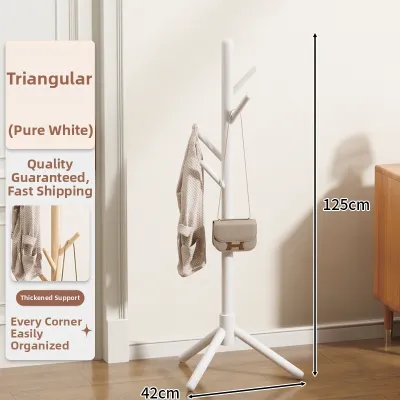

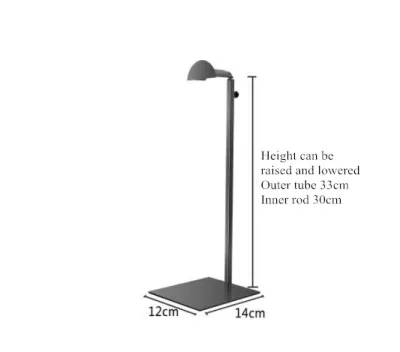
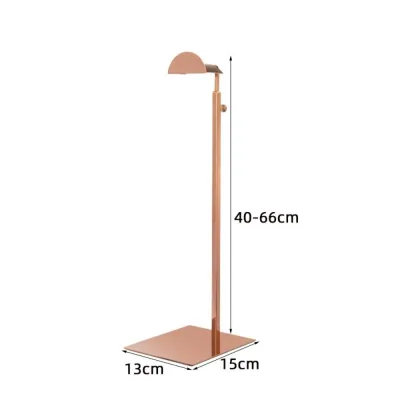
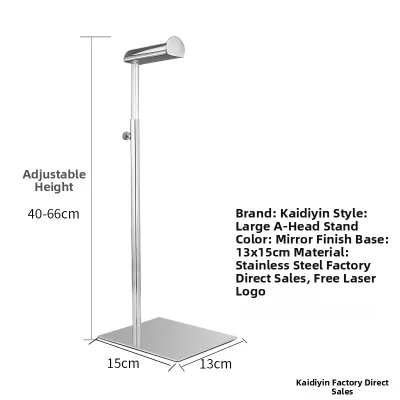

![[✅SG Ready Stock] 100% solid wood Wooden Clothes Hanger Rack Nordic Style Clothes Hanger Hook Bedroom Coat Stand Rack](https://img.lazcdn.com/g/p/f4e39069115cbc3402d9b2bbb638ae5a.png_400x400q80.png_.webp)
Prices are valid at publication and may change. Please refer to the product page for the latest price.
Visual clutter is another critical factor in small spaces. Because the entryway is the first area guests see, an overloaded or messy stand can make the entire apartment feel disorganized. Opt for minimalist frames with clean lines and integrated hooks that encourage neat hanging. Stands that feature a mix of hooks at varying heights allow you to distribute bags evenly, preventing a single bulky cluster from protruding into the walkway.
Lighting and finishes also play a significant role in how spacious your entryway feels. Many apartment foyers lack direct natural light, making them feel dark and enclosed. Selecting a bag stand with a light wood finish, a powder-coated white frame, or reflective metallic accents can help bounce light around the space. Avoid heavy, dark, or overly ornate designs that absorb light and visually crowd the room.
Finally, because Singapore experiences high humidity levels throughout the year, the durability of the stand’s finish is a key consideration. Damp umbrellas, wet raincoats, or moisture carried in from outdoors can damage unprotected materials. When shopping, verify that metal components feature a rust-resistant coating and that wooden elements are treated with a moisture-resistant sealant to prevent warping or mold growth over time.
Space-Saving Bag Stand Types Compared
Space-saving bag stands generally fall into three structural categories: wall-mounted designs, freestanding slim poles, and corner-fitting units. Each configuration offers distinct advantages depending on whether you own or rent your home, the layout of your foyer, and your storage needs. Understanding these differences helps you narrow down the options to the most practical setup for your household.

Fixed wall-mounted designs are ideal for maximizing floor space, while freestanding units offer excellent flexibility and drill-free installation. Hybrid options, such as leaning ladder racks, combine a small floor footprint with wall support. Evaluating how each type interacts with your entryway’s physical boundaries is the first step toward an organized space.
Wall-Mounted and Floating Designs
Wall-mounted bag racks and floating peg rails are highly efficient for extremely tight entryways because they completely clear the floor area. By elevating your storage, you keep the ground level open, which makes cleaning much easier and allows space for a robot vacuum to navigate without obstruction. Visually, keeping the floor clear creates an illusion of a larger, more open foyer.
Before choosing a wall-mounted option, you must verify the material and condition of your entryway walls. In Singapore, internal apartment walls can vary significantly; some are solid concrete structural walls, while others are hollow drywall or partition walls. Mounting a heavy bag stand on drywall requires specialized anchors to prevent the screws from pulling out under the weight of loaded backpacks. If you are mounting onto concrete, you will need a hammer drill and appropriate masonry plugs to ensure a secure hold.
While wall-fixed designs offer unmatched space savings, they do come with limitations. Once installed, the placement is permanent, meaning you cannot easily rearrange your entryway layout. If you decide to move the stand or transition to a different storage system, you will need to patch, sand, and repaint the drill holes. This makes wall-mounted units less ideal for tenants who face strict reinstatement clauses in their tenancy agreements.
Slim-Profile and Corner Freestanding Stands
For renters or those who prefer a drill-free setup, slim-profile freestanding stands and corner units are excellent alternatives. Corner bag stands are specifically engineered with a 90-degree rear profile, allowing them to slide flush into unused corners. This utilizes what is typically dead space in square or L-shaped entryways, turning an awkward nook into a highly functional storage hub.
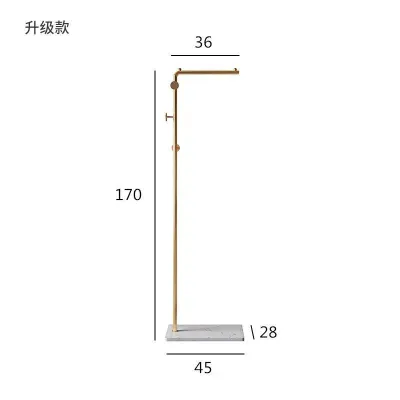
Slim-profile freestanding stands, often designed as single poles with staggered hooks, have a very small footprint but require careful stability checks. Because these stands rely on a single vertical column, they are susceptible to tipping if they are top-heavy or unevenly loaded. When evaluating these models, look for options that feature a heavy, weighted base made of solid steel, cast iron, or natural stone to lower the center of gravity and improve overall stability.
The primary benefit of a freestanding stand is its mobility. You can easily reposition the unit to accommodate seasonal changes, deep cleaning, or a complete layout redesign. If you move to a new apartment, the stand can transition with you immediately without leaving any damage behind, making it a highly versatile and low-risk investment for temporary living spaces.
Measuring Your Entryway and Checking Clearances
Before purchasing any bag stand, taking precise physical measurements of your entryway is essential to ensure a comfortable fit. Start by measuring the total width and depth of your foyer or corridor. To maintain a safe and comfortable walking path, a standard residential walkway should ideally maintain a clear width of at least 90 cm to 100 cm. Subtract this required clearance from your total corridor width to determine the maximum allowable depth for your bag stand.
Next, analyze the swing radius of your main entrance door and any adjacent security gates. The bag stand must be positioned entirely outside this arc to prevent the door from striking the stand or any hanging bags when opened. Additionally, check the clearance of nearby built-in furniture, such as shoe cabinet doors or drawer units. Ensure that these doors can open fully without colliding with the stand, which could cause scratches or restrict access to your footwear.
If your apartment entryway extends outside your main door into a shared common corridor, you must also consider local housing and safety guidelines. In Singapore, public housing estates managed by HDB, as well as private condominiums, have strict regulations regarding common property. To comply with fire safety guidelines, a minimum clear escape passage of 1.2 meters must be maintained along the common corridor at all times. Placing a bag stand outside your unit that obstructs this path is a safety hazard and can result in fines or requests for removal. Keeping your storage solutions strictly within your unit’s interior boundary is always the safest and most compliant approach.
Verifying Weight Capacity and Structural Stability
To ensure your bag stand remains safe and functional over years of daily use, you must verify its weight capacity and structural integrity before buying. Daily bags, especially those containing laptops, water bottles, books, or heavy winter coats, can accumulate significant weight. Hanging multiple heavy items on an under-rated stand can lead to structural failure, bent hooks, or dangerous tipping incidents.
Start by locating the manufacturer’s official weight capacity rating, which is typically listed on the product packaging, assembly manual, or specification sheet. This rating is often broken down into a maximum weight limit per hook as well as a total weight limit for the entire unit. Never assume a stand can support heavy loads based on its appearance alone; always verify the official specifications to ensure they align with your household’s typical usage.
Next, inspect the structural connections and joints of the stand. For metal stands, look for solid welded joints or high-quality threaded screw connections rather than push-fit plastic connectors, which can degrade and crack under constant tension. For wooden or bamboo stands, check that the joints are reinforced with sturdy metal hardware rather than simple wood glue. If the stand requires assembly, ensure that all screws can be tightened securely without stripping the threads.
Finally, evaluate the stand’s built-in safety and stability features. Tall, slim freestanding units should ideally come with wall-anchoring kits, which allow you to secure the top of the stand to the wall to prevent tipping, even if the base is bumped. If your entryway features smooth floor tiles, such as polished porcelain, ceramic, or marble, check that the bottom of the stand is equipped with non-slip rubber or silicone pads. These pads prevent the stand from sliding when you hang or retrieve heavy bags, protecting both your flooring from scratches and your household from accidental tip-overs.
Frequently Asked Questions (FAQ)
Do I need permission to drill into HDB or condo walls for a mounted bag stand?
For HDB flats, minor drilling for mounting decorative items, shelves, or bag racks does not require a formal permit from the Housing & Development Board. However, you must avoid drilling into structural columns, beams, or the reinforced concrete walls of your household shelter (bomb shelter), as damaging these structural elements is strictly prohibited. For private condominiums, you should consult your building’s Management Corporation Strata Title (MCST) by-laws. Some condominiums have specific guidelines regarding drilling into shared partition walls or walls that contain embedded utility lines. If you are renting your apartment, you must obtain written permission from your landlord before drilling any holes to avoid disputes and potential deductions from your security deposit.
Can a standard coat rack double as a bag stand in a small entryway?
While a standard coat rack can function as a temporary bag stand, it is often not the most efficient solution for heavy or bulky bags. Coat racks are typically designed with shallow, upward-pointing hooks intended for lightweight jackets, hats, or scarves. These hooks may not accommodate the thick straps of backpacks, tote bags, or briefcases, causing them to slip off easily. Furthermore, standard coat racks often have a higher center of gravity and a lighter base. If you hang a heavy work bag or laptop backpack on one side of a lightweight coat rack, the uneven weight distribution can easily cause the entire unit to topple over. If you choose to use a coat rack, ensure it has a heavily weighted base, deep hooks, and that you distribute the weight of your bags evenly around the frame.
Community discussion
Share your experience or ask a question. Comments are reviewed before publication.