
Finding the right bag rack stand for a compact entryway in a Singapore home requires balancing vertical storage capacity with a minimal physical footprint. In tight HDB flats and condominium units, the entryway must remain clear for daily foot traffic while serving as the primary drop zone for work bags, school backpacks, and daily accessories. The most effective solution is a highly stable, slim-profile vertical stand, a wall-mounted fold-down rack, or a dual-purpose storage bench. These designs maximize vertical space and keep walkways clear, ensuring your home remains organized and safe from tripping hazards.
Selecting the right furniture piece involves understanding the spatial constraints of local layouts, evaluating structural stability, and choosing materials that can withstand Singapore’s humid climate. By planning your space and selecting a design tailored to your specific entryway configuration, you can create an organized, welcoming entrance that functions seamlessly.
Why Standard Racks Fail in Compact HDB and Condo Entryways
Typical HDB and condominium entryways are highly constrained zones where space is at a premium. Modern BTO flats and compact condo layouts often feature narrow foyer corridors, some measuring less than 1.2 meters in width. These transitional spaces must accommodate multiple functions, frequently housing built-in shoe cabinets, distribution board (DB) boxes, and the main entrance door. When you introduce a standard, wide-legged coat or bag rack into this environment, it quickly becomes an obstacle rather than an organizational aid.
Products mentioned in this guide
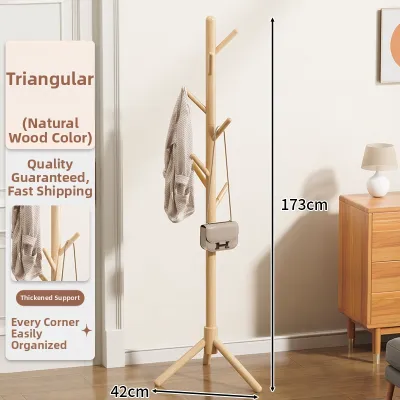



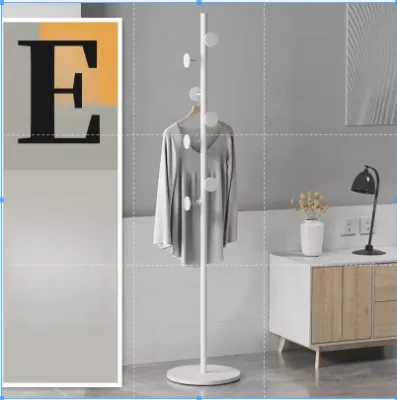
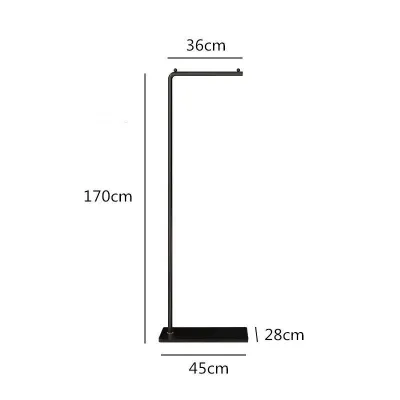

Prices are valid at publication and may change. Please refer to the product page for the latest price.
Standard freestanding racks often feature wide, sprawling tripod bases designed for spacious entryways. In a narrow corridor, these legs protrude into the walking path, creating immediate tripping hazards and obstructing the natural flow of movement. Furthermore, the swing clearance of your main entrance door, metal gate, or adjacent shoe cabinet doors can easily collide with a poorly positioned, bulky stand. This constant friction leads to scuffed walls, damaged furniture, and daily frustration.
Beyond physical obstruction, bulky racks contribute significantly to visual clutter in small spaces. A massive stand loaded with multiple layers of bags, umbrellas, and hats can make a small foyer feel incredibly claustrophobic. This visual congestion is particularly noticeable in homes where the entryway opens directly into the living room or kitchen without a formal transition zone.
Additionally, entryways are high-traffic areas where family members constantly move in and out, often carrying groceries, strollers, or heavy parcels. A poorly designed rack that juts into this bottleneck increases the risk of accidental bumps. To prevent these issues, Singapore homeowners require specialized, high-utility storage solutions that respect the physical boundaries of tight entryway layouts.
Key Features to Look for in a Space-Saving Bag Rack
Footprint vs. Capacity
When space is limited, the ratio between a rack’s physical footprint and its actual storage capacity is the most critical factor to analyze. A space-saving bag rack stand should occupy minimal floor space—ideally a base diameter or width of 30 centimeters or less—while utilizing vertical height to provide multiple hanging points. Look for staggered hook configurations that allow bags of different sizes to hang at varying heights without overlapping excessively, which helps keep the overall profile slim.

Stability and Base Design
Because bags containing laptops, books, and daily essentials can be remarkably heavy, a narrow rack is highly susceptible to tipping if the base is not engineered correctly. Prioritize stands that feature heavy, solid bases made from materials like cast iron, solid steel, or weighted natural stone. A low center of gravity is essential for maintaining stability when heavy items are hung on the upper hooks. Avoid lightweight plastic or hollow metal bases, as they easily destabilize when loaded unevenly.
Material and Climate Suitability
Singapore’s year-round high humidity and warmth require careful material selection to prevent premature wear and deterioration. When shopping, check the manufacturer’s specifications to ensure metal components feature rust-resistant powder coatings or are made of high-grade stainless steel. If you prefer wooden designs, verify that the wood is treated with a moisture-resistant sealant or lacquer to prevent warping, mold growth, or rot. Engineered wood products like standard, unsealed MDF should be avoided in entryways, as they can swell when exposed to wet umbrellas or damp raincoats.
Weight Limits and Loading Capacity
Never assume a rack’s load capacity based solely on the appearance of its materials. Heavy work bags and school backpacks can easily weigh 5 to 10 kilograms each, placing immense stress on individual hooks and joints. Always verify the manufacturer’s stated weight limit per hook and the maximum weight capacity for the entire unit. High-quality stands will explicitly state these limits in their product documentation, helping you avoid structural failure, bent hooks, or sudden tip-overs.
Top Bag Rack Designs for Tight Entryways
Slim Freestanding Tiered Racks
Slim freestanding tiered racks are highly effective vertical storage units designed specifically for tight corners or the narrow gaps alongside built-in shoe cabinets. These stands typically feature a single vertical pole supported by a heavy, compact circular or rectangular base. Staggered hooks branch out at different heights, allowing you to hang daily handbags, keys, and light jackets without expanding the unit’s physical boundary into the walkway.
- Pros: They require zero wall installation, making them highly renter-friendly, and can be easily relocated if you decide to rearrange your entryway layout.
- Limitations: These units can become top-heavy if you place heavy backpacks or laptop bags on the highest hooks, creating a tipping hazard if bumped.
- Selection Advice: Always verify the base-to-height ratio before purchasing. Look for models where the base weight constitutes a significant portion of the overall product weight, and prioritize designs with slip-resistant pads on the bottom to protect your flooring.
Over-the-Door and Wall-Mounted Fold-Down Options
When floor space is virtually non-existent, utilizing vertical wall space or the back of a door is the most practical strategy. Wall-mounted fold-down racks feature hooks that lie flat against the wall when not in use and can be pulled down when needed. Over-the-door hanging racks hook directly over the top edge of standard room doors or household shelter doors, turning unused vertical surfaces into instant storage zones.
- Pros: These options occupy absolutely zero floor space, completely eliminating tripping hazards and keeping your entryway floor entirely clear.
- Limitations: Over-the-door models can scratch door paint or interfere with door closure if the bracket thickness is incorrect. Wall-mounted units require permanent drilling and cannot be easily moved.
- Selection Advice: For over-the-door options, measure your door thickness and check the clearance space between the top of the door and the frame. For wall-mounted models, identify your wall type; concrete or brick walls require heavy-duty masonry anchors, while drywall partitions require specialized hollow-wall anchors to support the weight of heavy bags.
Multi-Functional Entryway Benches with Integrated Storage
If your entryway has slightly more horizontal clearance, a multi-functional entryway bench with integrated storage offers excellent utility. These units combine a low bench seat—perfect for sitting down while putting on or removing shoes—with storage shelves underneath and integrated side hooks or a small vertical rack extension. This dual-purpose design consolidates multiple entryway needs into a single, cohesive furniture piece.
- Pros: They provide a highly stable structure that is virtually impossible to tip over, while offering a comfortable seating area and hidden storage for shoes and larger bags.
- Limitations: They have a significantly larger physical footprint than slim vertical stands, which can restrict narrow walkways if not planned carefully.
- Selection Advice: Measure your entryway's width carefully to ensure the bench's depth does not block the main door swing or obstruct your home's primary escape route. Look for models with open slatted shelves underneath to promote air circulation, which helps dry damp shoes and bags quickly in Singapore's humid environment.
How to Measure and Plan Your Entryway Space Before Buying
Clearance Mapping
Before purchasing any bag rack stand, you must map out the exact dimensions of your entryway to ensure a proper fit. Use a metal measuring tape to record the width, depth, and height of the available space. Mark the swing arc of your main entrance door and any adjacent cabinet doors using painter’s tape on the floor. This visual guide will help you identify the “dead zones” where a rack can safely sit without interfering with door operations.
Walkway Verification
To maintain a safe and comfortable home environment, you must ensure that your chosen rack does not create a bottleneck in your primary walkway. As a general rule, maintain a clear, unobstructed path of at least 90 to 100 centimeters in your entryway. This clearance is essential not only for comfortable daily movement but also for compliance with safety standards, ensuring a clear evacuation route in the event of an emergency. If a freestanding rack reduces your walkway below this threshold, pivot toward a wall-mounted or over-the-door solution.
Delivery and Assembly Access
When ordering furniture in Singapore, always consider the logistics of getting the item into your home. Measure the height and width of your lift doors, common corridors, and main entrance frame to ensure the packaged item can pass through easily. If you are purchasing a pre-assembled entryway bench, these measurements are critical. For flat-packed items, ensure you have sufficient floor space in your living room to unbox and assemble the unit safely according to the manufacturer’s instructions.
Placement and Safety Tips for Daily Use
Strategic Placement
Position your bag rack stand in a location that maximizes convenience while minimizing physical risk. Avoid placing the stand directly behind a door swing path, where a sudden opening could knock the rack over or damage the wall. Keep the unit clear of light switches, intercom panels, and DB box doors so that these essential home features remain easily accessible at all times.
Load Distribution
To maintain the structural integrity of your freestanding rack and prevent accidental tipping, practice proper load distribution. Always place your heaviest items—such as laptop bags, heavy backpacks, or wet umbrellas—on the lowest hooks or shelves. This lowers the unit’s overall center of gravity, making it significantly more stable. Reserve the upper hooks for lighter items like keys, hats, lanyards, and empty reusable shopping bags.
Routine Maintenance
Regular maintenance ensures your bag rack remains safe and functional for years to come. Once a month, inspect all joints, screws, and connection points, tightening any hardware that has loosened from daily use. Wipe down the surfaces of the rack with a soft, slightly damp microfiber cloth to remove dust and sweat residue, avoiding harsh chemical cleaners that could strip protective coatings. Periodically inspect the hooks for any sharp edges, splinters, or peeling paint that could snag and damage the delicate fabric or leather of your bags.
Frequently Asked Questions (FAQ)
Can I use a standard coat rack for my bags in a small entryway?
While a standard coat rack can physically hold bags, it is generally not recommended for small, high-traffic entryways. Standard coat racks are typically designed with long, upper hooks meant for lightweight coats and hats, which shifts the center of gravity upward when loaded with heavy bags. This design increases the risk of the rack tipping over in tight spaces. Dedicated bag racks feature lower, reinforced hooks or integrated shelves specifically engineered to support heavier loads closer to the ground, providing superior stability and safety.
How do I prevent a freestanding bag rack from tipping over?
To prevent a freestanding bag rack stand from tipping, always distribute weight evenly around the stand rather than hanging all your bags on one side. Place the heaviest bags on the lowest hooks to keep the center of gravity low. If the manufacturer provides anti-tip hardware or wall-anchoring straps, install them immediately according to the provided instructions. For homes with active pets or young children, anchoring the rack directly to an adjacent wall is highly recommended to eliminate any risk of accidental tip-overs.
Community discussion
Share your experience or ask a question. Comments are reviewed before publication.