
Finding a sofa that balances durability, style, and spatial efficiency is a common challenge for residents navigating the compact layouts of modern Singapore apartments. While solid wood furniture offers timeless appeal and structural integrity, bulky traditional frames can easily overwhelm limited floor areas in Housing & Development Board (HDB) flats and private condominiums. To select a wooden sofa that maximizes seating without crowding your living room, you must look beyond aesthetic appeal and focus on specific structural dimensions, frame profiles, and objective brand evaluation criteria. By prioritizing slim armrests, elevated legs, and modular configurations, you can secure a durable seating solution that preserves valuable walkway space and enhances the visual openness of your home.
What physical features define a space-saving wooden sofa?
A space-saving wooden sofa is defined by a highly efficient ratio of seating area to overall footprint, characterized by a shallow frame depth, streamlined armrests, and an elevated base. Traditional sofas often feature deep, angled backs and thick upholstered surrounds that consume excessive floor space without offering additional seating. For compact living rooms, look for frames with a total depth of 80 centimeters or less. This shallow profile ensures the sofa does not extend too far into the central walkway, leaving sufficient room for a coffee table or media console.
Armrest design plays a pivotal role in determining the usable seating width of a wooden sofa. Traditional rolled or wide wooden armrests can add 20 to 40 centimeters of non-functional width to the frame. Opting for slim wooden armrests—typically under 10 centimeters wide—or entirely armless designs maximizes the actual seating area within a restricted overall length. Some space-efficient designs feature flat, slightly wider armrests that double as integrated side tables, eliminating the need for separate end tables and further saving floor space.
Products mentioned in this guide
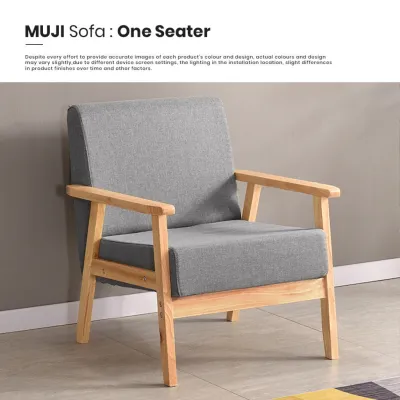
7 Lazada user ratings
Ordering process was smooth. The staff even helped me to install the sofa, which was nice. I tipped them for it.
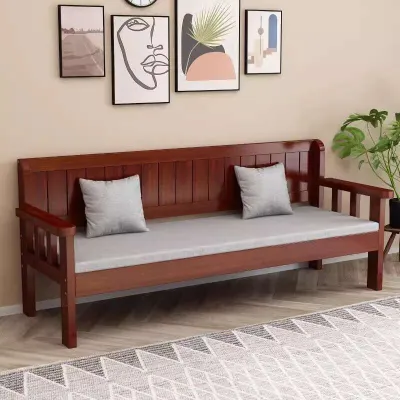
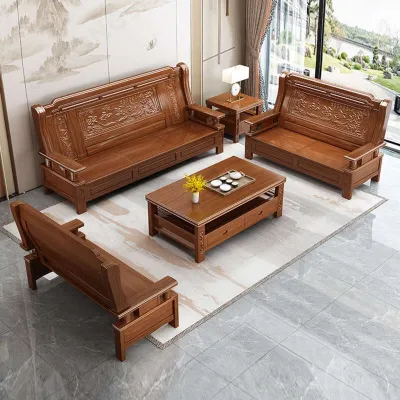
5 Lazada user ratings
The solid wood frame is sturdy and stable, with an old-fashioned classic style. It offers a solid sitting experience and is suitable for bot…Read full reviewShow less
The solid wood frame is sturdy and stable, with an old-fashioned classic style. It offers a solid sitting experience and is suitable for both household use and decoration. It is durable and elegant for daily use at home.
The wooden materials are solid and heavy, with excellent load-bearing capacity. It is durable and suitable for daily use at home, providing …Read full reviewShow less
The wooden materials are solid and heavy, with excellent load-bearing capacity. It is durable and suitable for daily use at home, providing a very comfortable experience for the family.
The construction is thick and stable without any shaking. It is traditional, simple, and attractive. It is loved by elders and is suitable f…Read full reviewShow less
The construction is thick and stable without any shaking. It is traditional, simple, and attractive. It is loved by elders and is suitable for placement in the living room.
The solid wood has a stable texture, fine workmanship, and is not prone to deformation. It is practical, cost-effective, and suitable for da…Read full reviewShow less
The solid wood has a stable texture, fine workmanship, and is not prone to deformation. It is practical, cost-effective, and suitable for daily use at home.
The style is simple and traditional, with a stable and reliable structure. It has good ventilation. It is just the right size for the family…Read full reviewShow less
The style is simple and traditional, with a stable and reliable structure. It has good ventilation. It is just the right size for the family to sit and use.
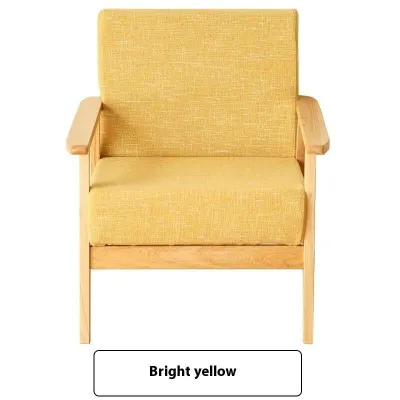
5 Lazada user ratings
The style is simple and versatile. It bounces back and remains comfortable to sit on for a long time. It looks beautiful when placed in a sm…Read full reviewShow less
The style is simple and versatile. It bounces back and remains comfortable to sit on for a long time. It looks beautiful when placed in a small apartment and has strong practicality.
The size is just right for small apartments. The fabric is soft and skin-friendly, providing a comfortable sitting experience. The living ro…Read full reviewShow less
The size is just right for small apartments. The fabric is soft and skin-friendly, providing a comfortable sitting experience. The living room is simple yet cozy.
The texture is fine and the workmanship is good. The overall feel is light and not heavy. It is easy to maintain and is suitable for both re…Read full reviewShow less
The texture is fine and the workmanship is good. The overall feel is light and not heavy. It is easy to maintain and is suitable for both renting and home use.
The space utilization is high. The appearance is simple and elegant. The softness and hardness are moderate. It fits perfectly in a small li…Read full reviewShow less
The space utilization is high. The appearance is simple and elegant. The softness and hardness are moderate. It fits perfectly in a small living room.
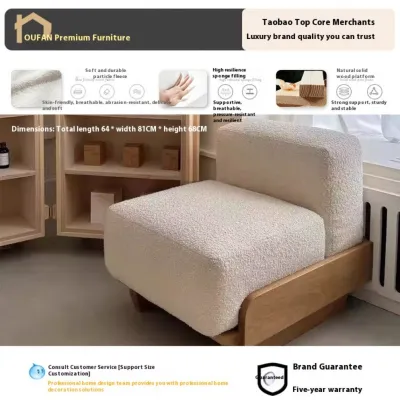
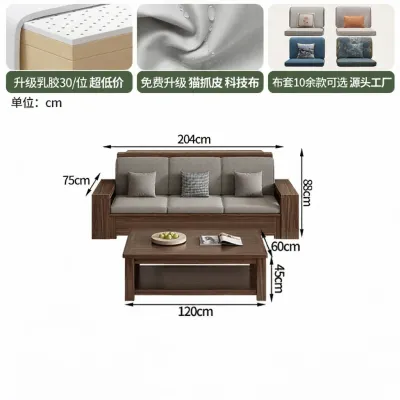
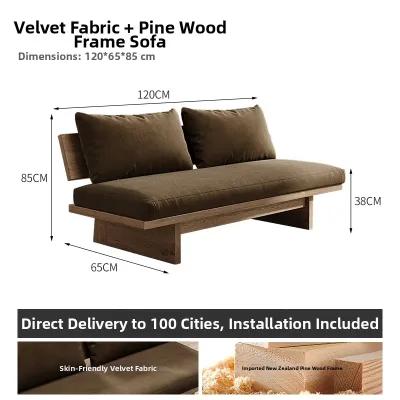
Prices are valid at publication and may change. Please refer to the product page for the latest price.
The height of the wooden legs and the resulting clearance beneath the frame also influence both the visual weight of the furniture and its practical maintenance. A wooden sofa with legs that elevate the frame at least 12 to 15 centimeters off the floor creates an airy, open look by keeping more of the floor tiles visible. This elevation also provides practical benefits, allowing standard robot vacuums to pass underneath unobstructed, which prevents dust accumulation in tight corners. Additionally, a raised frame reduces the visual bulk of the sofa, making a small room feel significantly larger than it would with a solid, floor-skimming design.
Which wooden sofa styles suit specific small living room layouts?
Matching a wooden sofa style to your specific room layout requires balancing visual minimalism with physical comfort while selecting wood tones that complement the room’s natural light. In narrow, rectangular living rooms, a linear two-seater or a compact three-seater with a clean, straight-backed wooden frame helps maintain a clear path from the entryway to the balcony. Avoid ornate carvings or heavy, dark-stained wood frames that draw the eye downward and make the ceiling feel lower. Instead, focus on simple, geometric lines that align with the walls to create a sense of order and spaciousness.

The choice of wood species and finish significantly impacts the perceived volume of the room. Light-colored woods with subtle grain patterns, such as ash, beech, or light oak, reflect more ambient light and contribute to a bright, breezy atmosphere suitable for smaller HDB units. Conversely, darker woods like walnut or stained teak offer a rich, grounding effect but are best reserved for layouts with abundant natural light or paired with light-colored cushions to prevent the space from feeling cramped or gloomy.
When should you choose low-profile Japanese-style wooden frames?
Low-profile Japanese-style wooden frames are highly suitable for rooms with low ceilings or those where you want to maintain unobstructed views across large windows or open-plan areas. By sitting closer to the ground, these frames maximize the vertical distance between the seating surface and the ceiling, creating an illusion of greater height and openness. This style is particularly effective in modern apartments where maximizing natural light from sliding balcony doors is a priority.
However, low-profile designs come with distinct physical trade-offs. The lower seating height—often between 35 and 40 centimeters from the floor—requires more physical effort when sitting down and standing up, which may not be comfortable for older adults or individuals with mobility concerns. Additionally, because the frame is low, the cushions must be dense and supportive to prevent you from feeling the hard wooden slats underneath. Before choosing this style, verify that the cushion density is sufficient to provide lasting support without bottoming out.
When are minimalist designs with integrated storage the better choice?
Minimalist wooden sofas with integrated storage are excellent options when your living room lacks built-in cabinetry or closet space. These designs utilize the otherwise empty volume beneath the seat cushions or within the armrests to store household items like extra linens, cushions, or media accessories. By consolidating seating and storage into a single footprint, you reduce the need for additional storage chests or shelving units that would otherwise clutter the room.
When considering a storage-integrated wooden sofa, pay close attention to the accessibility of the compartments and the overall weight of the piece. Some designs feature pull-out drawers on floor casters, while others use flip-up wooden slats under the cushions. Ensure that the storage mechanisms are smooth and do not scrape your flooring. Furthermore, a solid wood frame filled with stored items can become exceptionally heavy; check that the floor structure can support the concentrated weight and recognize that moving the sofa for cleaning or redecorating will require significant effort.
When do modular or customizable wooden configurations make sense?
Modular or customizable wooden configurations are highly practical when dealing with irregular architectural features, such as bay windows, structural pillars, or L-shaped open-concept layouts. Instead of trying to force a standard rectangular sofa into an awkward corner, modular wooden pieces allow you to arrange individual seats, corner units, or footstools to fit the exact contours of your room. This flexibility is also beneficial if you anticipate moving to a different home in the future, as the pieces can be reconfigured to suit a new layout.
When evaluating modular wooden options, it is critical to inspect the connection mechanisms that hold the individual frames together. Without secure, heavy-duty brackets or interlocking joints, the modular sections can slide apart during daily use, creating uncomfortable gaps and potential safety hazards. Examine the stability of the joints and ensure that the legs of each module align evenly on your floor to prevent wobbling or uneven wear on the wooden frame.
How do you accurately measure your space for a new wooden sofa?
Accurately measuring your space involves mapping out the physical footprint of the sofa, calculating essential clearance zones for daily movement, and verifying the entire delivery path from the building entrance to your living room. Begin by marking the proposed dimensions of the wooden sofa on your living room floor using masking tape. This physical outline allows you to visualize how much floor space the frame will occupy and helps you assess the remaining clearance. Maintain a minimum walkway clearance of 60 to 75 centimeters around the sofa to ensure comfortable movement. If you plan to place a coffee table in front of the sofa, leave at least 30 to 45 centimeters of space between the edge of the seat cushion and the table to allow for legroom and easy access.
Next, verify the delivery access route, which is a common bottleneck for high-rise HDB and condominium living. Measure the height, width, and diagonal clearance of your building’s lift doors and interior cabin, as well as any tight turns in stairwells or corridors. Compare these measurements against the maximum packaged dimensions of the wooden sofa frame. Many solid wood sofas are delivered fully assembled or in large, non-flexible frame sections; failing to check lift and doorway clearances can result in costly delivery failures or damage to your walls and the furniture.
Finally, check the specific conditions of your installation site. Verify that the sofa legs will not block floor traps, electrical outlets, or air conditioning access panels. If your room has prominent skirting boards, measure their thickness to determine if the sofa frame can sit flush against the wall, or if you need to account for a small gap that increases the overall depth projection. If you plan to place the wooden sofa on an area rug, ensure the rug is large enough so that either all sofa legs or at least the front legs rest securely on it, which helps stabilize the frame and prevents it from sliding on polished flooring.
How can you evaluate furniture brands for small-space wooden sofas in Singapore?
To evaluate furniture brands effectively, you must look past stylized lifestyle photography and focus on the availability of detailed technical specifications, customization options, and practical delivery services. When browsing brand websites or catalogs, prioritize companies that provide comprehensive dimensional drawings, including exact seat heights, armrest widths, and backrest angles. Reliable brands should also clearly specify the wood species used—such as solid oak, teak, or rubberwood—along with the type of protective finish applied, whether it is a water-based polyurethane, oil, or wax. Avoid brands that use vague terms like ‘hardwood solids’ or ‘wood finishes’ without clarifying whether the core structure is solid timber or veneered engineered wood, as this directly affects the long-term durability and repairability of the frame.
Customization is another crucial factor when shopping for tight spaces. Evaluate whether a brand offers options to adjust the overall length of the sofa in small increments, or if they allow you to choose from different cushion firmness levels and fabric types. A brand that permits minor structural modifications can help you maximize every centimeter of an awkward wall. Additionally, check if they offer removable and washable cushion covers, which are essential for maintaining hygiene and extending the lifespan of the sofa in Singapore’s humid climate.
Furthermore, assess the practical services provided by the brand. High-rise living requires professional handling, so look for brands that offer comprehensive delivery services, including on-site assembly by trained technicians who understand how to secure wooden joints properly. Inquire about their policy regarding old furniture disposal, as disposing of a bulky sofa in a condominium or HDB estate often requires coordination with local town councils or private waste contractors.
Lastly, always plan a physical visit to the brand’s local showroom before making a final decision. Sit on the sofa for at least ten to fifteen minutes to evaluate the ergonomic support, seat depth, and ease of getting up. Physically inspect the joinery of the wooden frame—look for sturdy mortise-and-tenon joints or heavy-duty metal brackets rather than simple staples or glue. Run your hand over the wood surfaces to check for smooth sanding and consistent finishing, ensuring there are no rough edges or exposed hardware that could snag clothing or cause scratches.

Community discussion
Share your experience or ask a question. Comments are reviewed before publication.