
Maximizing the utility of a compact Singapore Housing & Development Board (HDB) flat requires a strategic approach to vertical space and furniture layouts. The most effective modular bookshelf configurations for small HDB flats are tall vertical stacks, L-shaped corner wraps, and open-back freestanding room dividers. These layouts allow homeowners to reclaim underutilized vertical and corner space, preserve crucial floor area, and maintain a seamless visual flow throughout the home.
In modern HDB Build-To-Order (BTO) flats, where floor plans are increasingly streamlined, standard bulky furniture can quickly overwhelm a room. Modular shelving systems offer a highly customizable alternative, allowing you to adapt the height, width, and depth of your storage to match the exact dimensions of your space. By selecting the right configuration, you can transform a cramped living room, study nook, or bedroom into an organized, multi-functional environment.
Choosing the ideal configuration involves balancing storage capacity with spatial comfort. A poorly planned layout can block natural light, disrupt walkways, or even pose safety hazards. To find the perfect fit for your home, you must evaluate your specific spatial constraints, understand the structural characteristics of your walls, and select modular components that align with your daily habits.
Products mentioned in this guide
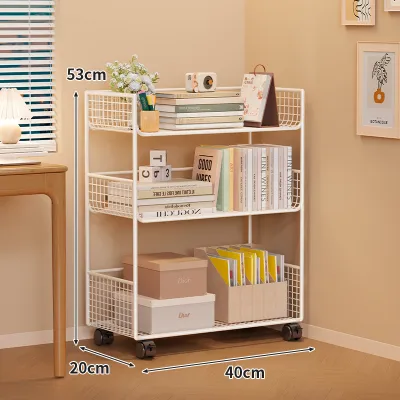
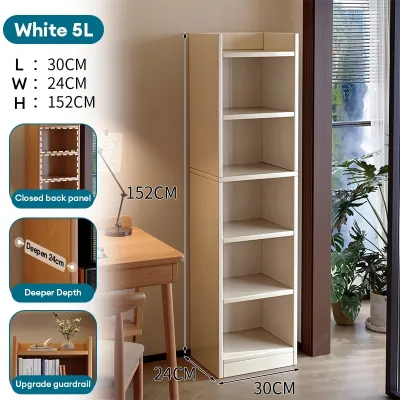
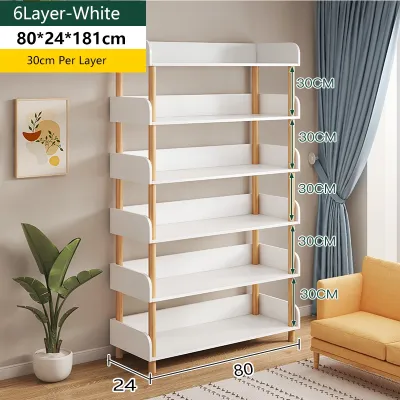
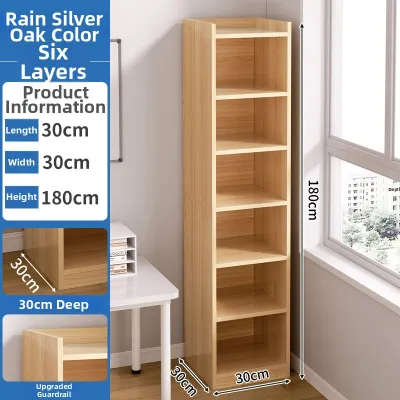
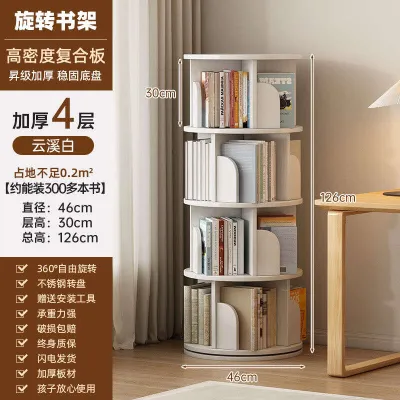
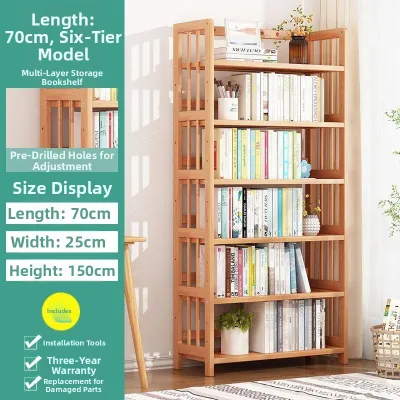
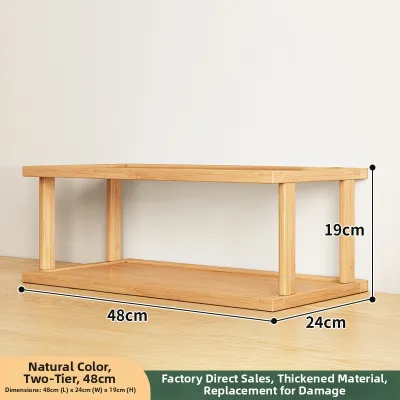
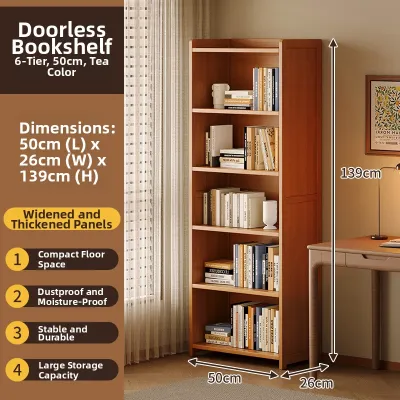
Prices are valid at publication and may change. Please refer to the product page for the latest price.
Assessing Your HDB Space Before Choosing a Configuration
Before purchasing any modular bookshelf components, taking precise measurements of your designated space is essential. Start by measuring the exact floor footprint and the floor-to-ceiling height of the room. It is critical to account for the thickness of your skirting boards, which typically project 10 to 15 millimeters from the wall. If your modular unit does not feature a base cutout to accommodate these boards, the entire unit will be pushed forward, leaving an awkward gap behind the shelves and preventing a flush, stable wall placement.
Next, evaluate the clearance required for daily movement and existing architectural features. Open doors, swinging windows, built-in wardrobes, and main walkways must remain completely unobstructed. Ensure that the depth of the bookshelf leaves at least 60 to 90 centimeters of walking clearance in high-traffic zones. If the bookshelf is placed near a doorway, verify that the door can open fully without striking the edge of the unit.
Identifying your wall types is another crucial step that dictates what kind of modular system you can install. HDB flats feature a mix of structural concrete walls, precast internal partition walls, and lightweight drywall. Structural walls—including the thick concrete walls surrounding your household shelter (bomb shelter)—are incredibly dense and require a masonry drill to penetrate; note that drilling into household shelter walls is strictly prohibited by HDB regulations. Lightweight partition walls, on the other hand, cannot support heavy, wall-hung modular units unless you secure the mounting brackets directly into the internal metal studs or use specialized heavy-duty wall plugs.
Finally, map out the locations of all wall sockets, data points, light switches, and air-conditioning units. Blocking these utilities with a massive bookshelf limits your access to electricity and internet connectivity, and can restrict the airflow of your air-conditioner. Ensure your modular configuration either leaves these areas completely open or features open-back modules that allow easy access to your wall outlets.
Top Space-Efficient Modular Bookshelf Layouts for Compact Rooms
Selecting the right layout depends on the specific room shape and your storage priorities. By matching the modular configuration to the room’s natural layout, you can maximize storage capacity without sacrificing precious floor space.

Vertical and Floor-to-Ceiling Stacks
Building upward is one of the most effective ways to reclaim dead air space in a small HDB flat. Vertical and floor-to-ceiling modular stacks utilize the high volume of a room while occupying a minimal floor footprint, making them ideal for narrow study rooms or compact bedrooms. By drawing the eye upward, these tall units can also create the illusion of higher ceilings, making a tight space feel more open.
Because tall, narrow structures are inherently top-heavy, stability is a paramount concern. Any modular stack exceeding 1.2 meters in height must be securely anchored to a solid wall using appropriate brackets and wall plugs. If you are mounting onto concrete, ensure you use high-quality masonry anchors; for partition walls, locate the structural studs or use heavy-duty toggle bolts to prevent the unit from pulling away from the wall.
To optimize a vertical stack, organize your items by frequency of use and weight. Store heavy items, such as large reference books, storage boxes, or files, on the lowest shelves to lower the unit’s center of gravity and improve stability. Reserve the eye-level shelves for everyday reading materials and decorative items, while placing infrequently used items, seasonal decor, or archival documents on the highest, hard-to-reach shelves.
Corner and L-Shaped Wraps
Corners are often neglected or underutilized in standard HDB layouts, yet they offer excellent potential for high-capacity storage. An L-shaped modular configuration wraps seamlessly around a corner, turning an awkward intersection into a cohesive storage zone. This layout works exceptionally well in the corners of living rooms, dining areas, or home offices where two walls meet.
To achieve a clean L-shaped setup, look for modular systems that offer specialized corner connection brackets or dedicated corner shelf modules. These components allow you to join two straight runs of shelving at a perfect 90-degree angle without leaving gaps. Ensure that the protruding outer edges of the L-shape do not encroach on walkways or create sharp, hazardous corners in narrow pathways.
Deep corner spaces can sometimes be difficult to access, making them prone to becoming cluttered or forgotten. Use these deep corner sections to store bulky, infrequently accessed items, or insert custom-fit storage bins to keep the area organized. Utilizing pull-out baskets or rotating organizers within the corner shelves can also make retrieving items much easier.
Freestanding Room Dividers
Open-concept BTO flats often benefit from a clear division of zones, such as separating the living room from the dining area or creating a dedicated study nook. A freestanding modular bookshelf can double as a stylish room divider, defining distinct functional zones without the need to build permanent, light-blocking walls.
When using a bookshelf as a room divider, opt for an open-back modular design. Open-back shelves allow natural light to filter through from windows, keeping both sides of the divided room bright and airy. This configuration also preserves cross-ventilation, which is essential for maintaining a cool and comfortable indoor climate in Singapore’s humid weather.
To balance the need for privacy with the desire for an open feel, mix open shelves with closed-back modules, drawer inserts, or decorative storage boxes. Place closed storage units at the bottom of the divider to anchor it visually and conceal clutter, while keeping the upper shelves open to maintain sightlines. Because freestanding dividers are not supported by a wall, they must have a wide, stable base, or be secured using ceiling-tension poles designed specifically for modular furniture systems.
Maximizing Storage: Modular Add-Ons and Adjustments
To make the most of your modular bookshelf in a small HDB flat, you must look beyond standard flat shelves. Incorporating smart add-ons and adjustable features allows you to customize the system to your changing storage needs while keeping visual clutter to a minimum.
Integrating closed storage elements at the base of your modular unit is highly recommended. Adding closed cabinets, drawers, or drop-down doors near the floor level provides a designated space to hide unsightly items like cables, chargers, and documents. Keeping these items out of sight creates a sense of visual calm, preventing a small room from feeling chaotic and overcrowded.
Adjustable shelving is another critical feature for small-space storage. Fixed-height shelves often result in wasted vertical space, leaving empty gaps above shorter novels or paperbacks. By selecting a modular system with closely spaced pre-drilled peg holes, you can adjust the height of each shelf to match the exact dimensions of your books, maximizing the number of shelves you can fit into a single vertical unit.
To keep loose items organized, utilize compatible storage accessories such as fabric bins, rattan baskets, or clear acrylic boxes. These containers are perfect for corralling small stationery, children’s toys, or electronic accessories that would otherwise look messy on open shelves. Ensure you measure the interior dimensions of your modular shelves before buying storage bins to guarantee a snug, flush fit.
When styling your modular bookshelf, aim for a balanced mix of open display zones and concealed storage. A solid wall of books can look heavy and oppressive in a compact room. Leave some shelves partially empty, using them to display small potted plants, framed photographs, or art pieces, which breaks up the visual weight and allows the room to breathe.
Installation, Safety, and HDB-Specific Considerations
Installing furniture in a compact HDB flat requires careful attention to structural safety and property guidelines. Because Singapore’s high humidity can affect both wall integrity and furniture materials over time, taking proper installation precautions is essential.
First and foremost, always install anti-tip anchoring kits on any modular bookshelf that is tall, narrow, or top-heavy. This safety measure is non-negotiable, particularly in households with young children, elderly residents, or pets who might pull on or climb the shelves. Most reputable modular furniture manufacturers include anti-tip brackets with their units; if yours did not, purchase compatible heavy-duty furniture straps or L-brackets separately.
Before drilling into any HDB wall to mount brackets, you must check for concealed electrical conduits, water pipes, or internet data lines. In HDB flats, electrical wiring is often run through conduits embedded in the concrete walls, particularly near light switches and power sockets. Use a reliable multi-detector or stud finder with a live-wire warning feature to scan the drilling area thoroughly before proceeding.
Proper weight distribution is critical to maintaining the structural integrity of your modular bookshelf. Always place your heaviest items—such as encyclopedias, heavy storage boxes, or printers—on the bottom shelves. This lowers the center of gravity of the entire unit, making it significantly more stable and reducing the risk of a tip-over accident.
Finally, always verify the manufacturer’s specified weight limits for both individual shelves and the overall unit before loading them. Overloading a shelf can cause it to bow, warp, or fail entirely, potentially damaging your property or causing injury. If you plan to store exceptionally heavy items, look for modular systems constructed from solid wood or reinforced metal frames, and check the joints regularly for signs of stress or loosening.
Common Sizing and Layout Mistakes to Avoid
When planning a modular bookshelf layout for a small HDB flat, minor oversight can lead to significant daily inconveniences. Avoiding common pitfalls during the planning stage will save you time, money, and frustration.
One of the most frequent mistakes is ignoring the depth of the skirting boards when measuring your floor space. If you fail to account for this, your bookshelf will not sit flush against the wall, which can cause the unit to lean forward slightly or leave an unsightly gap that constantly collects dust. Look for modular units designed with a skirting board cutout at the back of the side panels, or choose wall-mounted shelves that hang completely above the skirting line.
Another critical error is blocking essential home fixtures. Ensure your bookshelf does not obstruct the airflow of your air-conditioning unit, block access to window grilles, or cover electrical switchboards and DB boxes. Blocking an air-conditioner can restrict air circulation and cause condensation issues, while covering your main electrical DB box is a serious safety hazard that prevents quick access during a power trip.
Avoid overloading upper shelves beyond the manufacturer’s stated weight capacities. In Singapore’s humid climate, engineered wood materials like particleboard can absorb moisture from the air, making them more susceptible to sagging under heavy loads over time. If you notice any bowing in the middle of a shelf, immediately redistribute the weight to prevent permanent damage to the unit.
Lastly, remember to leave adequate clearance for opening adjacent doors, drawers, and cabinets. A bookshelf placed too close to a wardrobe, kitchen entrance, or bedroom door can restrict its swing angle, making daily tasks awkward. Ensure there is enough finger-space and physical clearance to comfortably access nearby drawers and cabinets without scraping your hands against the edge of the bookshelf.
Frequently Asked Questions (FAQ)
Can I install tall modular bookshelves in a rented HDB flat?
Yes, you can install modular bookshelves in a rented HDB flat, but you must prioritize non-invasive installation methods if your tenancy agreement prohibits drilling into the walls. To secure tall shelves without drilling, look for heavy-duty tension-pole modular systems that wedge securely between the floor and the ceiling, providing excellent stability without leaving permanent marks.
If tension systems are not viable, opt for lower-profile modular configurations—such as units under 1.2 meters in height—that feature a wide, deep base for natural stability without wall anchoring. You can also use adhesive wall protectors or felt pads on the back of the furniture to prevent the unit from scuffing the landlord’s wall paint or leaving marks on the flooring.
How much weight can a standard modular cube shelf hold?
The weight capacity of a standard modular cube shelf varies significantly based on the materials used and the quality of construction. Generally, a standard cube shelf made of particleboard or medium-density fibreboard (MDF) can support between 5 to 10 kilograms of evenly distributed weight. High-quality solid wood or reinforced steel modular shelves can often support 15 to 25 kilograms or more per cube.
Always consult the manufacturer’s official specifications to verify the exact load rating for your specific model. To prevent structural damage, avoid placing concentrated heavy loads, such as dense stacks of heavy textbooks or heavy electronics, directly in the center of wide, unsupported shelf spans, as this is where the shelf is most vulnerable to bending.
Community discussion
Share your experience or ask a question. Comments are reviewed before publication.