
Choosing the right conference table for your home office requires balancing daily productivity, room aesthetics, and long-term maintenance. The ideal material depends on how you work, the size of your space, and your willingness to perform routine upkeep. While solid wood brings unmatched warmth and structural longevity, glass creates an airy, modern feel that opens up smaller rooms, and laminate offers a highly practical, budget-friendly surface resistant to daily wear.
To make the best investment, you must look beyond surface aesthetics and evaluate how each material handles the physical demands of your daily workflow. A table that hosts heavy dual-monitor setups, frequent paperwork, and video calls has different structural and surface requirements than one used primarily for light laptop work. By examining the specific characteristics of solid wood, glass, and laminate, you can select a centerpiece that enhances both your productivity and your home’s interior design.
Evaluating Your Home Office Space and Usage
Before comparing specific materials, you must assess the physical constraints of your home office. Start by measuring the available floor space, leaving at least 90 to 120 centimeters of clearance on all sides of the table to allow chairs to slide out comfortably and permit easy passage. You must also measure the width of your doorways, hallways, and stairwells to ensure the table frame and tabletop can be safely transported into the room during delivery.
Products mentioned in this guide
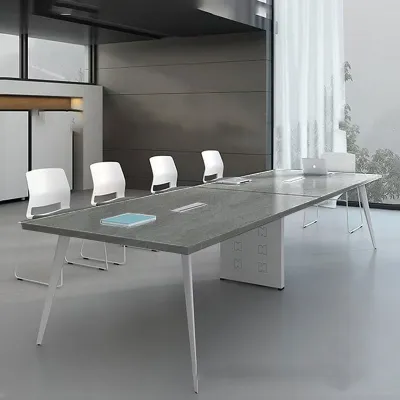
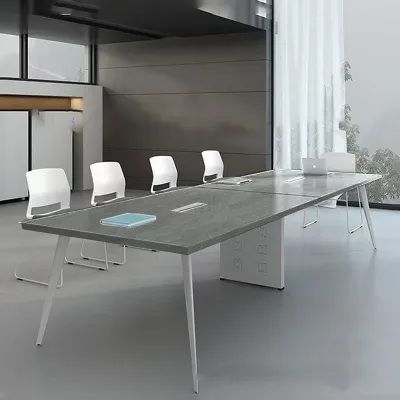
2 Lazada user ratings
Item received in good condition very helpful and pleasant transaction highly recommended seller will buy again
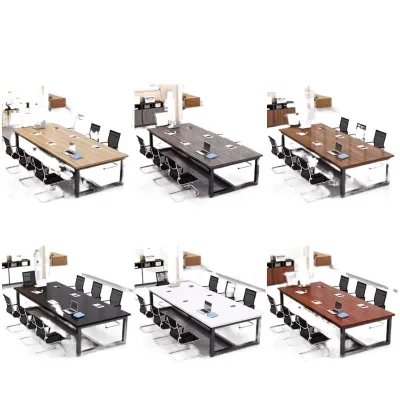
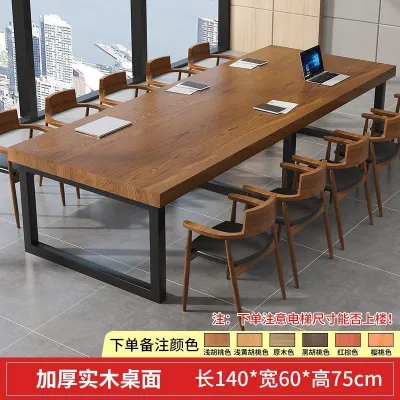

1 Lazada user ratings
Today I have received the item. However, there was a dent on the surface of the table that was resulted from the impact on the box during sh…Read full reviewShow less
Today I have received the item. However, there was a dent on the surface of the table that was resulted from the impact on the box during shipment or delivery. The seller responded promptly by making some compensation.

3 Lazada user ratings
The board is particularly thick, I like this table now, I feel like I won't use it for a lifetime 😊
It feels great, I will continue to visit in the future
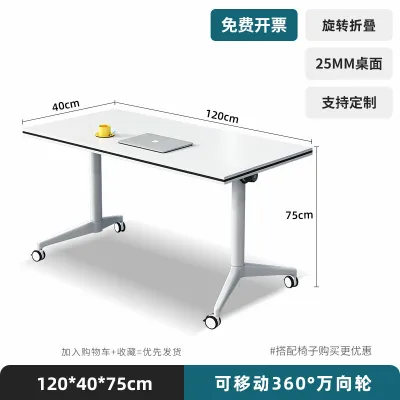
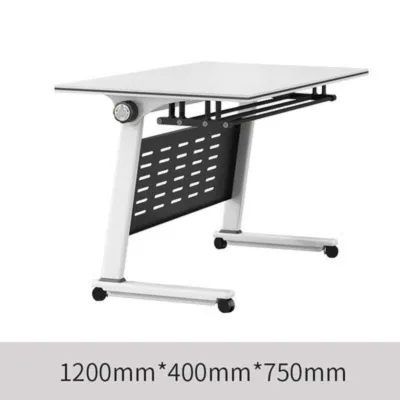
1 Lazada user ratings
This shopping trip was flawless! The user experience is smooth and comfortable, impeccable. Excellent product quality, first-class quality.
Prices are valid at publication and may change. Please refer to the product page for the latest price.
Your daily usage patterns dictate the size and structural stability your table requires. If your home office doubles as a collaborative meeting space or a place for reviewing physical documents with clients, you will need a larger surface area and a higher seating capacity than a solo remote worker. Consider the weight of your primary work equipment, such as desktop computers, heavy books, or multi-function printers, as this will influence the load capacity you need from the table’s support structure.
Ambient lighting is another critical factor that interacts directly with your choice of tabletop material. Rooms with large windows or bright overhead fixtures can create intense glare on highly reflective surfaces, leading to eye strain during long working hours. Conversely, matte or textured surfaces diffuse light more evenly, making them more comfortable for screen-based work under direct lighting conditions.
Material Breakdown: Solid Wood, Glass, and Laminate
To choose the right conference table, you must understand the distinct physical properties, care requirements, and design roles of each material. Rather than relying on general assumptions about durability, it is essential to evaluate each option based on manufacturer specifications, finish quality, and structural construction.

Solid Wood Conference Tables
Solid wood conference tables are highly valued for their natural grain patterns, structural stability, and classic aesthetic appeal. When evaluating a solid wood table, check the manufacturer’s specifications regarding the type of wood, the thickness of any protective sealants, and the overall construction of the joints. High-quality polyurethane or lacquer finishes help protect the underlying wood from minor scratches and moisture penetration, preserving the natural beauty of the material over time.
Maintaining a solid wood surface requires adherence to specific care instructions to prevent warping, cracking, or discoloration. You must review the manufacturer’s care label for approved cleaning agents, as harsh chemical cleaners or excessive water can strip the protective finish and damage the wood fibers. Using coasters, felt pads under equipment, and writing mats is highly recommended to protect the organic surface from heat, moisture rings, and pressure marks.
From an aesthetic standpoint, solid wood brings a sense of warmth, authority, and permanence to a home office. It is particularly well-suited for executive setups, traditional design schemes, or homes where the office is integrated into a shared living space. While solid wood requires a higher initial investment and consistent maintenance, its ability to be sanded down and refinished over the years provides exceptional long-term value.
Glass Conference Tables
Glass conference tables offer a sleek, minimalist aesthetic that can transform the visual dynamics of a home office. When shopping for a glass table, you must verify that the glass is tempered and meets safety standards for thickness and impact resistance. Tempered glass is designed to resist thermal stress and impact, and in the rare event of breakage, it fractures into small, relatively harmless granular pieces rather than sharp shards.
While glass provides a clean and modern look, it demands a high level of daily maintenance to keep it looking pristine. Fingerprints, dust, skin oils, and smudges are highly visible on transparent surfaces, requiring frequent cleaning with a soft microfiber cloth and a streak-free glass cleaner. Additionally, the clattering sound of keyboards, mice, and mugs on a hard glass surface can be distracting, often necessitating the use of large desk pads or felt mats to dampen noise.
The primary spatial benefit of a glass table is its transparency, which allows light to pass through and prevents the furniture from visually dominating the room. This makes glass an excellent choice for compact, narrow, or dimly lit home offices where a solid, dark table would make the space feel cramped. The reflective surface can also help bounce natural light around the room, creating a brighter and more inviting work environment.
Laminate Conference Tables
Laminate conference tables are engineered for high-traffic use, offering a practical combination of durability, design versatility, and cost-effectiveness. When inspecting a laminate table, pay close attention to the quality of the edge banding, as this is where moisture or physical impact can cause the laminate layers to peel or chip. High-pressure laminate (HPL) surfaces generally offer greater resistance to impact, scratches, and wear compared to low-pressure alternatives.
Although laminate is highly resistant to daily wear, it has specific physical limits regarding heat and moisture exposure. You should consult the manufacturer’s care guide to understand these limits, as placing hot coffee mugs directly on the surface or allowing standing water to pool near the seams can weaken the adhesive backing. Cleaning is remarkably simple, usually requiring nothing more than a damp cloth and a mild, non-abrasive household detergent.
Laminate tables are available in an extensive range of printed patterns, including realistic wood grains, stone textures, and solid contemporary colors. This versatility allows you to achieve the look of premium materials without the associated cost or delicate maintenance requirements. It is an ideal option for multi-purpose home offices, creative studios, or spaces where the table will be subjected to heavy, daily utility.
Matching Material Traits to Your Daily Workflow
To select the right table, you must align the physical characteristics of each material with your specific daily tasks and habits. If your workflow involves heavy desktop equipment, multiple monitors, or frequent physical writing, surface hardness and structural stability are paramount. A solid wood or high-quality laminate table provides a stable, forgiving surface for writing and can easily support heavy monitor arms, whereas a glass table requires specialized mounts and protective pads to prevent localized stress fractures.
Your aesthetic preferences and the existing decor of your home should also guide your material choice. A classic solid wood table complements traditional, rustic, or transitional home interiors, creating a warm and inviting atmosphere. A glass table fits seamlessly into ultra-modern, industrial, or minimalist spaces, emphasizing clean lines and open areas. Laminate tables offer the flexibility to match almost any style, making them highly adaptable if you plan to update your home office decor in the future.
Consider how much time you can realistically dedicate to routine furniture maintenance and preservation. If you prefer a low-maintenance setup where you can work without worrying about coasters, special cleaners, or immediate spill cleanups, laminate is the most practical choice. If you enjoy the process of caring for fine furniture and appreciate the aging character of natural materials, solid wood is a rewarding option. Glass sits in the middle, requiring minimal structural preservation but demanding constant surface cleaning to maintain its aesthetic appeal.
Cable management is another critical operational factor in a modern home office. Solid wood and laminate tables can be easily customized, drilled, or ordered with pre-installed power grommets, under-desk cable trays, and surface-mounted power strips. Glass tables, however, present a unique challenge, as cables cannot be easily hidden beneath the transparent surface, and drilling custom holes is not possible after the glass has been tempered. If you choose glass, you must plan for specialized cable management spines that attach to the metal frame or legs to keep cords organized and out of sight.
Final Decision Framework for Your Conference Table
To make your final decision, evaluate your priorities against the unique strengths and trade-offs of each material. Choose a solid wood conference table if you want a premium, long-lasting centerpiece, appreciate natural materials, and are committed to using protective pads and manufacturer-approved wood care products. This choice represents a long-term investment in craftsmanship and timeless style.
Opt for a glass conference table if your home office is small or lacks natural light, and you want to maximize the visual space. This option is ideal if you prefer a sleek, modern aesthetic and do not mind wiping down the surface regularly to keep it free of dust and fingerprints. Ensure you pair it with appropriate desk mats to manage acoustics and protect the surface from scratches.
Select a laminate conference table if you prioritize budget-friendly utility, low-maintenance durability, and a wide variety of design options. Laminate is the most practical choice for high-traffic home offices, multi-purpose spaces, or shared work areas, where the table must withstand daily wear without requiring specialized care.
Before finalizing your purchase, always verify the manufacturer’s structural warranty, return policy, and assembly requirements. Some solid wood and glass tables are exceptionally heavy and may require professional delivery and installation to ensure they are safely assembled and positioned. Checking these details beforehand ensures a smooth setup process and long-term satisfaction with your new home office centerpiece.
Frequently Asked Questions (FAQ)
Can I place heavy monitors directly on a glass conference table?
You should always verify the manufacturer’s maximum load capacity and weight distribution guidelines before placing heavy equipment on a glass surface. While tempered glass is highly durable, concentrated weight can cause localized stress. To prevent damage, use monitor stands with wide bases or protective felt pads to distribute the weight evenly across the surface, and avoid clamping heavy monitor arms directly to the glass edge unless the table is explicitly rated for such attachments.
How do I repair minor scratches on a laminate surface?
Unlike solid wood, which can be sanded down and refinished, deep scratches or chips on a laminate surface cannot be easily repaired through sanding. For minor surface scratches, check your product warranty terms or consult the manufacturer to see if they offer approved, color-matched laminate repair paste or touch-up kits. For significant damage, you may need to contact a professional furniture repair service or explore replacing the affected tabletop panel.
Community discussion
Share your experience or ask a question. Comments are reviewed before publication.