
Deciding whether to invest in a solid wood shoe cabinet or opt for an engineered wood alternative comes down to how you balance upfront cost against long-term durability, maintenance, and your home’s environmental conditions. Solid wood shoe cabinets command a premium because they offer exceptional structural longevity, natural aesthetic variations, and the ability to be sanded and refinished over decades of use. Conversely, engineered wood cabinets provide a highly cost-effective, lightweight, and visually uniform solution that suits temporary living arrangements or budget-conscious interior updates. For homeowners in Singapore, where high relative humidity can accelerate wear on poorly sealed materials, understanding these structural and environmental trade-offs is essential before making a purchase.
Core Differences in Structure and Load Capacity
To make an informed choice, you must first understand the physical differences between these materials and how they behave under weight. Solid wood refers to natural timber cut directly from trees, resulting in a dense, continuous fiber structure. Engineered wood, on the other hand, is a composite material made by binding wood fibers, particles, or thin veneers together using synthetic adhesives under high pressure. Common types of engineered wood include medium-density fibreboard (MDF), particleboard, and plywood.
These structural differences directly impact how much weight a cabinet can support without bowing or warping. Solid wood generally possesses high natural tensile strength, allowing long shelves to carry heavy loads without bending. However, you should never assume a cabinet is strong based on the material name alone. A poorly constructed solid wood cabinet with thin shelves can still sag over time under heavy use.
Products mentioned in this guide
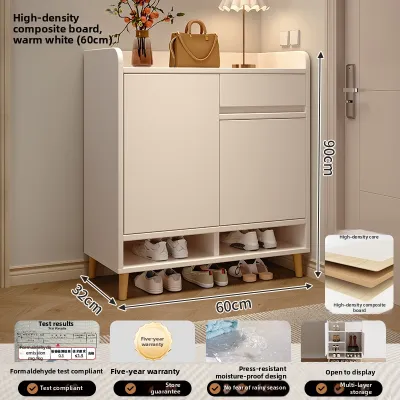
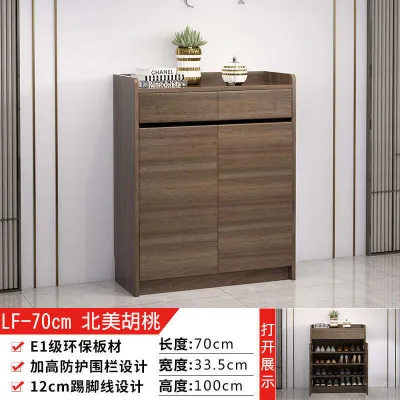
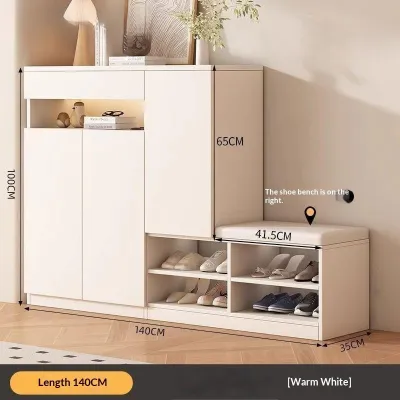
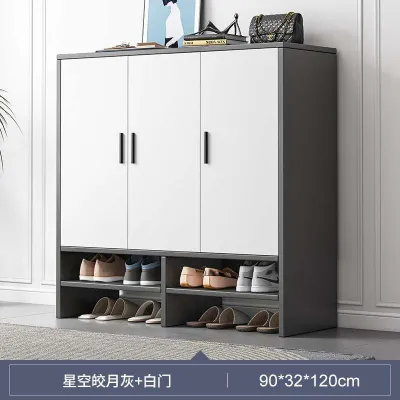
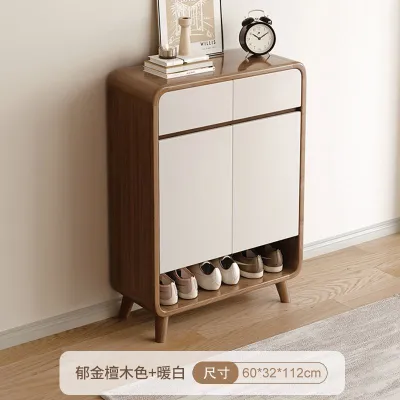
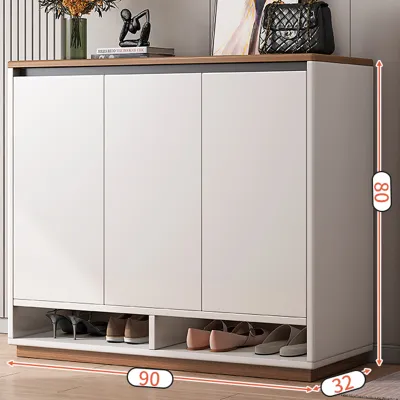
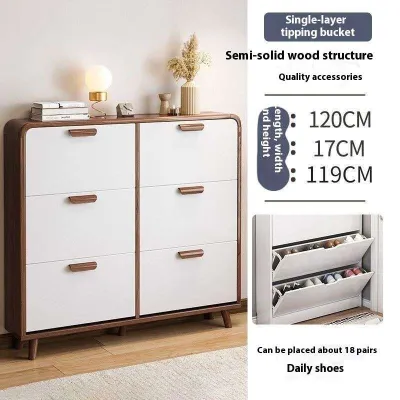
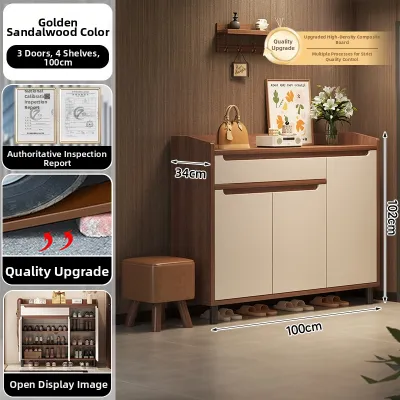
Prices are valid at publication and may change. Please refer to the product page for the latest price.
When evaluating any shoe cabinet, inspect the shelf thickness and the overall span of the shelving units. For storing heavy footwear, look for shelves that are at least 15mm to 18mm thick. If a shelf span exceeds 80 centimeters without a central support bracket, it is highly susceptible to bowing, regardless of whether it is made of solid or engineered wood.
Additionally, examine the joint construction of the cabinet. High-quality cabinets utilize robust joinery methods such as dowels, wood screws, or mortise-and-tenon joints. Budget engineered wood options often rely on basic metal cam-lock fasteners, which can loosen over time if the cabinet is moved frequently. Always verify the manufacturer’s specified weight limits per shelf to ensure the unit can safely support your collection.
Aesthetics, Surface Finishes, and Refinishing Potential
The visual appeal and tactile feel of your shoe cabinet play a major role in how well it integrates into your home’s interior design. Solid wood cabinets are celebrated for their unique grain patterns, natural knots, and subtle color variations. No two solid wood pieces are identical, which adds character and a sense of warmth to an entryway.

One of the greatest advantages of solid wood is its refinishing potential. If the surface becomes scratched by high heels, dented by dropped keys, or scuffed by daily use, you can sand down the damaged area. Once sanded, the wood can be re-stained, oiled, or painted to look brand new. This capability significantly extends the lifespan of the furniture.
Engineered wood cabinets achieve their look through synthetic laminates, paper foils, or thin natural wood veneers glued over the composite core. This manufacturing process ensures a highly consistent appearance, free from natural blemishes. This uniformity is often preferred for minimalist, modern, or industrial interior styles where clean lines are paramount.
However, engineered wood has virtually no deep refinishing potential. If a laminate surface is deeply scratched or chipped, you cannot sand it down without exposing the underlying composite core, which is highly unsightly and vulnerable to moisture. While minor surface scratches on wood veneer can sometimes be touched up with specialized markers, deep structural damage usually cannot be repaired.
Because of this limitation, you must carefully inspect the quality of the edge banding on engineered wood cabinets. The edge banding is the thin strip of material used to seal the exposed edges of the composite board. High-quality, heat-activated edge banding protects the core from physical impact and prevents moisture from entering the board, while cheap, poorly applied banding can peel away over time.
Humidity, Maintenance, and Placement in Singapore
Singapore’s tropical climate, characterized by high relative humidity and warm temperatures, directly affects how furniture ages. Solid wood is a hygroscopic material, meaning it naturally absorbs and releases moisture from the air. This process causes the wood to expand and contract slightly throughout the year, which can lead to warping or hairline cracks if the timber was not properly kiln-dried by the manufacturer.
Engineered wood, particularly standard particleboard and MDF, is highly sensitive to moisture. If humid air or wet shoes introduce moisture to an unsealed edge, the wood fibers inside the board will swell. Once engineered wood swells and water damage occurs, the structural integrity of the board is permanently compromised, causing it to crumble or sag.
To protect your investment, always check the manufacturer’s specifications for moisture resistance ratings. Some engineered wood cabinets utilize High Moisture Resistant (HMR) boards or marine-grade plywood, which are specifically treated to withstand humid environments. For solid wood, ensure the piece has been treated with a high-quality protective sealant or polyurethane topcoat.
Your placement of the shoe cabinet also dictates its lifespan. Avoid placing any wooden cabinet in direct sunlight, as UV rays can fade finishes and dry out solid wood, leading to cracking. Keep the cabinet away from wet zones, such as open balconies prone to rain splashes, or damp walls adjacent to bathrooms.
Proper ventilation is crucial for preventing mold growth on both the cabinet and your shoes. Opt for shoe cabinets designed with slatted doors, mesh panels, or built-in ventilation cutouts on the back panel. These features allow air to circulate freely, preventing humid air from becoming trapped inside the dark compartments.
For routine maintenance, avoid using soaking wet cloths to clean either material. Wipe down the surfaces with a slightly damp microfiber cloth and dry them immediately with a clean towel. Always check the manufacturer’s care labels before applying any commercial wood polishes, waxes, or cleaning agents, as harsh chemicals can strip away protective sealants.
Cost Drivers and Long-Term Value Assessment
When comparing prices, it is important to look beyond the initial tag and evaluate the total cost of ownership over a five- to ten-year horizon. Solid wood shoe cabinets generally require a higher initial investment, with prices often starting around S$400 and scaling upward depending on the wood species. Premium hardwoods like teak, oak, or walnut are highly durable but carry a significant price premium, while plantation-grown softwoods or rubberwood offer a more accessible entry point.
Engineered wood shoe cabinets are widely available at lower price points, often ranging from S$100 to S$300. This makes them highly attractive for budget-conscious buyers, students, or those living in temporary rental spaces. However, if an engineered wood cabinet suffers water damage or structural sagging after three years, the cost of replacing it entirely can quickly surpass the one-time cost of a durable solid wood piece.
Beyond the core material, hardware quality is a major cost driver that affects long-term value. High-quality cabinets feature soft-close hinges, full-extension drawer runners, and sturdy metal handles. These components prevent doors from slamming and drawers from jamming, reducing physical stress on the cabinet frame and extending its overall service life.
Ultimately, the premium for solid wood is justified if you plan to stay in your home long-term and view the cabinet as a permanent fixture. The ability to repair, sand, and repaint solid wood means it can adapt to future home renovations. Conversely, engineered wood offers excellent utility and value if you prefer to update your decor every few years or need a lightweight, easily transportable solution.
Decision Framework: Choosing the Right Material for Your Home
To finalize your decision, evaluate your household’s specific needs against the characteristics of each material.
Choose a solid wood shoe cabinet if:
- You want a long-term investment that can last for decades.
- You appreciate natural wood grain variations and want the option to refinish or repaint the cabinet in the future.
- You need to store heavy footwear, boots, or sports equipment that require high load-bearing capacity.
- You can place the cabinet in a well-ventilated, dry area of your home.
Choose an engineered wood shoe cabinet if:
- You are working within a strict budget or furnishing a temporary rental space.
- You prefer a highly uniform, modern, or minimalist aesthetic with consistent finishes.
- You want a lightweight piece of furniture that is easy to move, rearrange, or assemble yourself.
- You select a model made with moisture-resistant boards (like HMR) and high-quality edge banding.
Before making any purchase, measure your entryway carefully to ensure the finished dimensions of the cabinet allow for comfortable walkway clearance. If you live in an apartment or HDB flat, check the dimensions of your building’s lift and doorways to ensure the delivery team can safely transport the unit. Finally, confirm the assembly requirements and ensure the cabinet includes a wall-anchoring kit to secure the unit firmly, preventing tip-over accidents and ensuring household safety.
Frequently Asked Questions (FAQ)
Can engineered wood shelves hold heavy winter boots or equipment?
Yes, engineered wood shelves can support heavy items, but their capacity depends on construction details rather than the material name alone. Look for shelves with a thickness of at least 15mm, a shorter horizontal span, and robust metal support brackets. Always check the manufacturer’s specified weight limit per shelf before loading heavy gear.
What are the signs of moisture damage to look for during delivery?
When your shoe cabinet is delivered, inspect it thoroughly before signing off. Look for swollen or uneven edges, peeling or bubbling veneer, discoloration along the joints, or a musty odor. If you observe any of these signs, it indicates moisture exposure during storage or transit, and you should contact the retailer for a replacement.
Community discussion
Share your experience or ask a question. Comments are reviewed before publication.