
Finding a suitable display cabinet to showcase your treasured collectibles, books, or dinnerware often comes down to choosing between solid wood and engineered wood, a decision that forces you to balance long-term durability against immediate budget constraints. The right choice depends on your specific display needs: solid wood offers excellent longevity, natural character, and repairability for heavy heirloom pieces, while engineered wood provides a highly stable, cost-effective, and visually uniform alternative for modern, lightweight storage.
When planning your living space, the material of your cabinet affects not only its initial visual appeal but also how it handles weight, environmental changes, and daily wear. Selecting the wrong material can lead to sagging shelves, warped doors, or unexpected replacement costs within a few years. By understanding the structural integrity, aesthetic differences, and long-term value of each option, you can confidently invest in a piece that complements your home and protects your belongings.
What are the core differences between solid wood and engineered wood cabinets?
Solid wood cabinets are constructed from natural timber cut directly from trees, whereas engineered wood cabinets are made from composite materials created by binding wood fibers, veneers, or particles with adhesives. This fundamental difference in composition dictates how each material behaves under physical stress, environmental changes, and daily handling.
Products mentioned in this guide
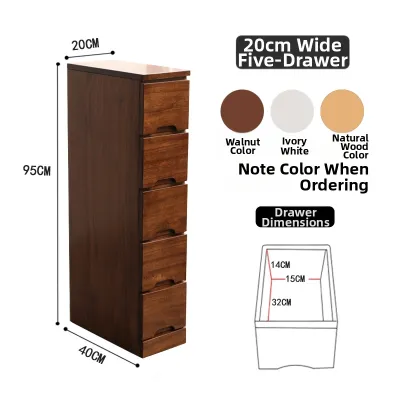
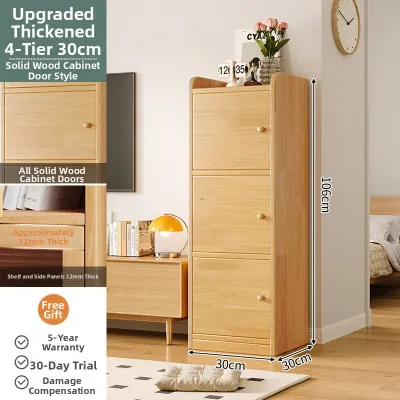
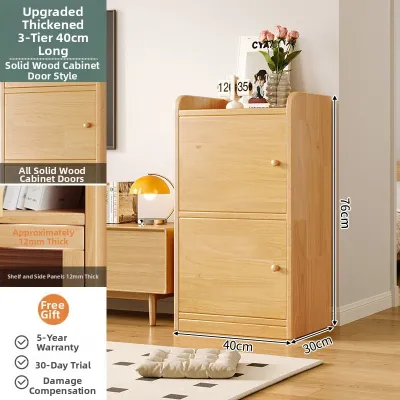
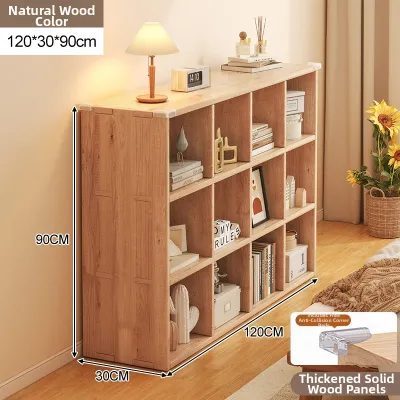
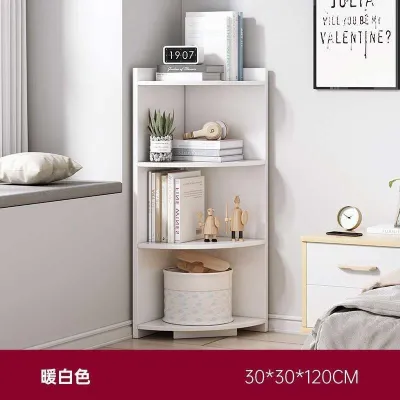
1 Lazada user ratings
The appearance material of the board is very thick, with a large capacity, and the overall appearance is very beautiful. Color consistency w…Read full reviewShow less
The appearance material of the board is very thick, with a large capacity, and the overall appearance is very beautiful. Color consistency without color difference, intuitive feeling of high-end craftsmanship, good installation, neat and seamless after installation, smooth surface, no odor
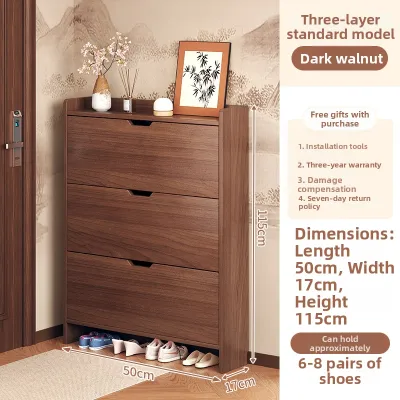
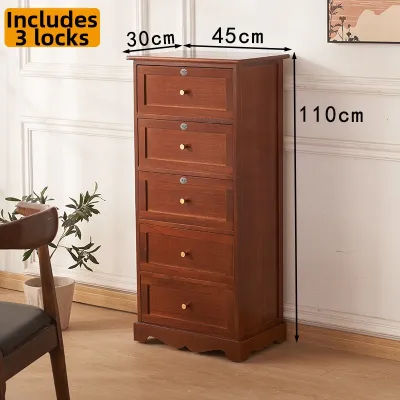
Prices are valid at publication and may change. Please refer to the product page for the latest price.
Solid wood is milled from single pieces of natural lumber, such as oak, teak, mahogany, or pine. Because it is a natural product, it retains the organic cell structure of the tree, meaning it expands and contracts in response to changes in humidity and temperature. This natural variation gives each solid wood cabinet unique grain patterns, knots, and color tones, ensuring that no two pieces are identical. However, this organic nature also means the material is heavy, requires careful joinery to allow for natural movement, and can be susceptible to warping if exposed to extreme environmental shifts.
Engineered wood encompasses a variety of manufactured materials, including Medium-Density Fiberboard (MDF), particleboard, and plywood. MDF is produced by breaking down hardwood or softwood residuals into fine wood fibers, combining them with wax and a resin binder, and forming panels under high temperature and pressure. Particleboard uses larger wood chips and shavings, making it lighter but less dense than MDF. Plywood consists of thin layers of wood veneer glued together in alternating grain directions, which provides excellent dimensional stability.
These manufacturing processes directly influence how you handle and position the display cabinet. Engineered wood panels are highly uniform, lacking the natural knots, voids, or grain directions found in solid timber. This consistency makes engineered wood easier to cut precisely and assemble with standard cam-lock systems, which is why it is widely used in flat-pack furniture. However, because engineered wood relies on adhesives and compressed fibers, it is generally denser and heavier in the case of high-quality MDF, or structurally weaker and prone to crumbling if low-grade particleboard is subjected to excessive moisture or stress.
How do solid wood and engineered wood compare in durability and moisture resistance?
Solid wood offers excellent long-term durability and repairability but is highly sensitive to moisture fluctuations, whereas engineered wood provides excellent resistance to warping and swelling in humid conditions but cannot be easily repaired once structurally damaged. Your choice should depend on the weight of your display items and the humidity levels of your room.

When evaluating load-bearing capacity for display cabinets, shelf thickness and support mechanisms are critical. Solid wood shelves possess high tensile strength, allowing them to support heavy books, ceramic collections, or glassware over long spans without sagging. Engineered wood, particularly particleboard, has lower structural bending strength and can sag permanently under heavy loads over time. To prevent this, engineered wood cabinets often require thicker shelves, shorter spans, or robust metal support brackets. Always verify the manufacturer’s stated weight limits for individual shelves before loading them with heavy items.
Moisture resistance is another vital consideration, especially in humid climates. Solid wood can absorb atmospheric moisture, leading to minor swelling, sticking doors, or joint separation if the wood is not properly seasoned or sealed. Engineered wood, particularly MDF and particleboard, is highly vulnerable to direct water contact; if moisture penetrates the surface finish, the compressed fibers can swell rapidly and disintegrate. To mitigate this risk, inspect the cabinet’s edge banding, surface laminates, and manufacturer seals to ensure there are no exposed composite edges where moisture can enter.
The long-term lifespan of these materials is heavily influenced by their maintenance requirements and repairability. Solid wood is exceptionally resilient because it can be sanded down, filled, and refinished multiple times to erase scratches, dents, or water rings, allowing it to last for generations. In contrast, engineered wood cabinets covered in thin paper foils or plastic laminates cannot be sanded or refinished. If the veneer chips or peels away from the underlying composite board, repairing it is extremely difficult, often requiring the replacement of the entire panel or cabinet.
Which wood cabinet material offers better aesthetics and finish options?
Solid wood provides an organic aesthetic characterized by unique grain variations and a natural patina that develops over time, while engineered wood offers highly uniform surfaces with a vast range of painted, laminated, or wood-veneer finishes. The ideal choice depends on whether you prefer the rustic charm of natural imperfections or the clean, consistent look of modern designs.
The visual appeal of solid wood lies in its natural imperfections. Every piece of timber features distinct grain patterns, growth rings, mineral streaks, and knots that tell the story of the tree’s life. Over years of exposure to light and air, solid wood undergoes a natural aging process known as developing a patina, which deepens its color and enhances its visual warmth. This organic character makes solid wood highly desirable for traditional, rustic, or mid-century modern interior styles where the natural material is meant to be celebrated.
Engineered wood excels in providing design versatility and surface consistency. Because manufactured boards have no natural grain, they provide a flat, smooth substrate for high-quality paint finishes, decorative laminates, or real wood veneers. A wood-veneer finish involves gluing a thin slice of genuine hardwood onto an MDF or plywood core, offering the appearance of solid wood at a lower weight and cost. For contemporary or minimalist spaces, engineered wood allows for seamless, ultra-matte, or high-gloss painted surfaces that are impossible to achieve on solid wood due to the latter’s natural movement.
When inspecting a display cabinet, pay close attention to the edge detailing and joint construction. Solid wood allows for intricate craftsmanship, such as carved moldings, routed edges, and traditional joinery like dovetail or mortise-and-tenon joints, which add structural strength and visual interest. Engineered wood is limited to simpler edge profiles because cutting deeply into composite cores reveals the raw fibers inside. Ensure that any engineered wood cabinet you evaluate has thick, high-quality edge banding that matches the surface finish perfectly, with no visible glue lines or peeling corners.
How does the cost of solid wood compare to engineered wood display cabinets?
Solid wood display cabinets represent a premium upfront investment due to the cost of raw timber and specialized craftsmanship, whereas engineered wood cabinets offer a highly budget-friendly alternative that reduces initial purchasing costs. Understanding the long-term value proposition of each material helps you determine which option aligns best with your financial planning.
The price hierarchy between these materials is distinct. Solid wood cabinets sit at the top of the market, with prices driven by the scarcity of specific wood species (such as teak, oak, or walnut), the complexity of the joinery, and the labor-intensive manufacturing process. Engineered wood cabinets are significantly more affordable because they utilize wood byproducts, automated manufacturing, and flat-pack shipping methods. However, high-end engineered wood cabinets featuring premium hardwood veneers and heavy-duty hardware can sometimes approach the price of entry-level solid wood pieces.
When calculating the true cost of ownership, consider the expected lifespan and potential maintenance of the cabinet. A solid wood cabinet can easily last for decades, and its ability to be repaired or refinished means you are unlikely to need a replacement, making its high initial cost highly economical over time. An engineered wood cabinet, while saving you money upfront, may have a shorter functional lifespan if subjected to heavy use or humid conditions, potentially requiring replacement within five to ten years.
When browsing retail listings, remember to factor in secondary expenses that can impact your total budget. In Singapore, display cabinets often require professional delivery and assembly due to their size and weight. Solid wood cabinets are exceptionally heavy and typically arrive fully assembled, which may incur higher delivery fees, especially if your home requires navigating narrow corridors or stairs. Engineered wood cabinets often arrive flat-packed, reducing initial shipping costs, but you must factor in either your own time for assembly or the fee for professional installation services to ensure the unit is built securely.
How should you choose the right wood cabinet for your specific needs?
To choose the right wood cabinet, you must evaluate what you intend to display, the environmental conditions of your room, and your long-term budget. Balancing these practical factors ensures you select a piece that is both functional and durable for your living space.
Begin by matching the material to your specific display requirements. If you plan to showcase a heavy collection of books, heavy ceramic plates, or dense glassware, solid wood is the safer choice due to its high load-bearing capacity and resistance to sagging. For displaying lightweight decorative items, framed photos, or small collectibles, an engineered wood cabinet with adjustable shelves offers more than enough structural support while keeping your investment modest.
Consider the environmental conditions of the room where the cabinet will stand. In spaces with high humidity, frequent air conditioning cycles, or direct sunlight, solid wood will experience continuous expansion and contraction, which can cause doors to misalign or finishes to fade unevenly. Engineered wood with high-quality laminate or veneer is more dimensionally stable under temperature fluctuations, making it a practical choice for air-conditioned living rooms, provided it is kept away from direct water sources.
Before making a final purchase, use this practical checklist to evaluate product listings:
- Dimensions and Access: Measure your available floor space, ceiling height, and the clearance of your doorways, lifts, and stairwells to ensure the cabinet can be delivered safely.
- Material Composition: Read the product specifications carefully to identify exactly what materials are used; look for terms like "solid oak" versus "oak veneer on MDF."
- Weight Capacity: Check the stated weight limits per shelf to ensure they can safely support your intended display items.
- Stability and Anchoring: Verify if the cabinet includes wall-anchoring hardware, which is essential for preventing tip-overs, especially for tall, narrow display units.
If you are planning a custom built-in display, require heavy-duty wall mounting on drywall, or need specialized lighting integrated into the cabinet, consult the manufacturer’s guidelines or hire a professional installer. A qualified professional can assess your wall structure, ensure secure anchoring, and help you customize the shelving layout to safely accommodate your most valuable collections.

Community discussion
Share your experience or ask a question. Comments are reviewed before publication.