
Choosing the right display cabinet involves balancing visual appeal, structural strength, and long-term durability. The decision ultimately comes down to how you plan to use the cabinet, your budget, and the environmental conditions of your living space. While solid wood offers unmatched longevity and natural character, engineered wood provides excellent design versatility and cost-effectiveness.
To make an informed investment, you must look beyond surface aesthetics. A display cabinet is a functional piece of furniture that must safely support your valued possessions, whether those are heavy ceramic dinnerware, delicate glassware, or extensive book collections. Understanding how these materials behave under load and in response to environmental factors will help you select a piece that remains beautiful and stable for years to come.
Understanding Solid Wood and Engineered Wood Structures
Solid wood refers to furniture constructed from natural, single-piece timber harvested directly from trees. This material retains the organic cellular structure of the wood, meaning it expands and contracts naturally in response to changes in atmospheric moisture. Common varieties used in cabinetry include hardwoods like oak, teak, and walnut, as well as softwoods like pine. Because it is a natural product, each solid wood panel features unique grain patterns, knots, and color variations that cannot be perfectly replicated.
Products mentioned in this guide
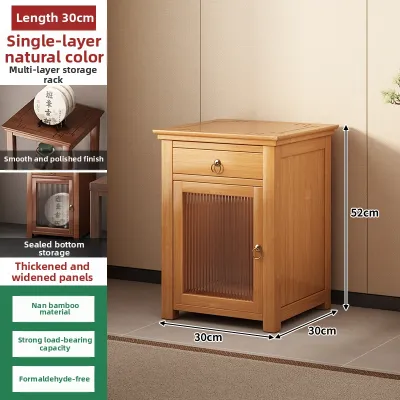
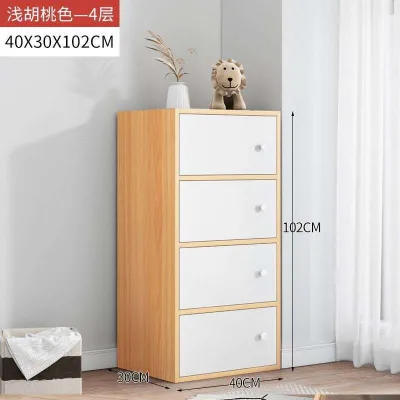
Prices are valid at publication and may change. Please refer to the product page for the latest price.
Engineered wood, on the other hand, is a composite material manufactured by binding wood fibers, particles, or thin veneers together with adhesives under high pressure. Common types include Medium-Density Fibreboard (MDF), particleboard, and plywood. To achieve a finished look, manufacturers typically apply a thin layer of natural wood veneer, laminate, or melamine over the engineered core. This construction method results in highly uniform panels that do not possess the natural directional grain of solid timber.
The manufacturing process directly influences the weight and structural consistency of the cabinet. Engineered wood panels are highly stable and do not warp or split as easily as solid wood when exposed to temperature fluctuations. However, the overall density and weight can vary significantly depending on the specific composite used. For instance, high-quality MDF can be remarkably dense and heavy, while low-grade particleboard is lighter but more fragile.
It is important to remember that material names alone do not guarantee superior performance. A cabinet labeled as wood may contain a mix of solid timber frames and engineered wood side panels. When shopping, you should carefully inspect product labels, ask about the core density of the panels, and review the specific construction details to understand exactly what you are buying.
Comparing Durability, Weight Capacity, and Maintenance
When evaluating a display cabinet, weight capacity is a primary safety and functional consideration. If you plan to display heavy items such as heavy books, sculpture collections, or dense stoneware, you must verify the shelf thickness and span limits. Solid wood shelves generally offer higher load-bearing capacity over longer spans without sagging. Engineered wood shelves, particularly those made of particleboard, can sag over time if they are too long or overloaded without adequate center support brackets.

Environmental factors, particularly humidity, play a major role in the lifespan of your furniture. In tropical climates like Singapore, high humidity levels can cause solid wood to swell or contract, which may lead to sticking doors or minor joint separation if the timber was not properly seasoned. Conversely, engineered wood is highly stable in terms of expansion, but if moisture penetrates the protective laminate or veneer layer, the underlying composite core can swell, crumble, and lose its structural integrity. To prevent this, always check the manufacturer’s care instructions and verify that all edges are fully sealed.
Repairability is a major differentiator between the two material types. Solid wood is highly forgiving; if the surface gets scratched, dented, or stained, it can usually be sanded down, filled, and refinished to look like new. This makes solid wood cabinets highly resilient against daily wear and tear. Engineered wood surfaces are much harder to repair. If a laminate or veneer layer chips, peels, or suffers deep water damage, repairing the core is rarely feasible, and you may need to replace the entire panel or the cabinet itself.
Regardless of the primary material, the overall stability of a display cabinet depends heavily on joint construction and hardware quality. Look for robust joinery methods such as dowels, mortise-and-tenon joints, or heavy-duty cam locks rather than simple glued or stapled seams. High-quality hinges, drawer slides, and shelf support pins are essential to ensure that doors remain aligned and shelves stay securely in place under load.
Evaluating Aesthetics, Finishes, and Design Flexibility
The visual character of your display cabinet sets the tone for the entire room. Solid wood cabinets are prized for their organic beauty, featuring natural grain variations, mineral streaks, and knots that ensure no two pieces are identical. Over time, solid wood also develops a rich patina, subtly changing color as it is exposed to light and air. This aging process adds character and depth, making the furniture feel like a living part of your home.
Engineered wood offers a different kind of aesthetic appeal, characterized by uniformity and precision. Because veneers and laminates are manufactured, they provide consistent color and pattern matching across all panels of the cabinet. This makes engineered wood highly suitable for minimalist, modern, or industrial interior styles where clean lines and flawless surfaces are preferred. Additionally, engineered wood can be finished in a vast array of colors, high-gloss lacquers, and textured patterns that are difficult or impossible to achieve with solid timber.
Design flexibility is another area where engineered wood excels. It can be easily cut, routed, and shaped into complex modern profiles, curved panels, and seamless integrated handles. Solid wood, while highly workable by skilled artisans, is more constrained by its natural grain direction and the need to accommodate wood movement. This often results in more traditional, classic, or substantial designs that celebrate the thickness and weight of the timber.
Before making a purchase, it is highly recommended to inspect physical material samples or view high-resolution images of the cabinet. Pay close attention to the quality of the edge banding on engineered wood pieces, as poorly applied banding can show visible seams or peel away over time. For solid wood, check the consistency of the protective topcoat and ensure that the natural variations in the wood grain complement your existing decor.
Assessing Budget and Long-Term Value
The initial purchase price is often the most visible difference between these two options. Solid wood display cabinets generally command a higher upfront investment. This premium reflects the cost of sourcing quality timber, the longer drying and seasoning processes required, and the skilled craftsmanship needed to construct stable joints that accommodate natural wood movement. For many homeowners, this higher cost is justified by the cabinet’s potential to last for generations.
Engineered wood cabinets are typically much more budget-friendly, making them highly accessible for temporary living arrangements, rental properties, or homeowners who like to update their decor frequently. The manufacturing process utilizes wood byproducts and fast-growing timber, which lowers material costs. However, a lower retail price does not always equate to better value. If a cheap cabinet needs to be replaced after a few years due to sagging shelves or damaged laminate, the long-term cost can quickly surpass that of a single, durable solid wood piece.
When calculating the total cost of ownership, you should also consider potential maintenance and relocation factors. Solid wood cabinets may require occasional oiling or waxing to maintain their finish, but their structural integrity remains intact during moves. Engineered wood cabinets, especially those assembled at home using flat-pack hardware, can suffer joint wear or structural weakening if they are disassembled and reassembled multiple times during relocations.
Ultimately, you should weigh the initial retail price against the expected lifespan of the furniture. Whether you are looking at a budget-friendly option of a few hundred S$ or a premium custom piece, understanding how hardware quality, finish durability, and structural integrity influence the overall lifespan is key. If you view the display cabinet as a long-term investment that will anchor your living space for decades, investing in solid wood offers excellent long-term value.
Decision Framework: Choosing the Right Display Cabinet
To finalize your decision, evaluate how your specific household needs align with the characteristics of each material.
Choose a solid wood display cabinet if:
- You view the furniture as a long-term investment or a potential family heirloom.
- You plan to display heavy items like large book collections, heavy sculptures, or complete dinnerware sets.
- You appreciate the unique, natural variations of wood grain and want a piece that develops character as it ages.
- You want the ability to sand, repair, or completely refinish the cabinet in the future to match changing decor styles.
Choose an engineered wood display cabinet if:
- You are working within a specific budget and want to maximize your storage capacity per dollar spent.
- You prefer a highly uniform, modern aesthetic with consistent colors and clean, minimalist lines.
- You plan to display lighter decorative items, photo frames, or lightweight collectibles.
- You want a lighter piece of furniture that is easier to move or transport if you relocate frequently.
Verify first before making any purchase:
- Measure your available floor space carefully, ensuring there is adequate clearance for cabinet doors and drawers to open fully.
- Check the dimensions of your doorways, hallways, stairwells, and lift doors to ensure the cabinet can be safely delivered into your home.
- Confirm the weight capacity of your flooring, especially if you are placing a very heavy solid wood cabinet filled with dense items in an upper-floor room.
- Inspect the quality of the hardware, hinges, and shelf supports in person or via detailed specifications to ensure they meet your standards for daily use.

Community discussion
Share your experience or ask a question. Comments are reviewed before publication.