
Quick Answer: Which Coffee Table Material Fits Your Needs?
Selecting the perfect coffee table for your living room involves balancing aesthetics, longevity, and your household’s daily habits. In tropical climates with high relative humidity, environmental factors play an equally critical role alongside design preferences.
If you are looking for a lifelong heirloom that can withstand scratches, can be sanded down and refinished, and showcases unique, organic grain patterns, solid wood is the ideal choice. This material represents a higher upfront financial investment but offers unmatched durability and a classic, premium tactile feel.
Conversely, if you are working with a tighter budget, prefer a sleek, minimalist aesthetic with uniform patterns, or move homes frequently, engineered wood provides an excellent, highly practical alternative. It is lighter, resists climate-induced warping, and fits seamlessly into modern interior designs. Your decision ultimately hinges on your budget, your aesthetic goals, and how long you plan to keep the piece.
Products mentioned in this guide
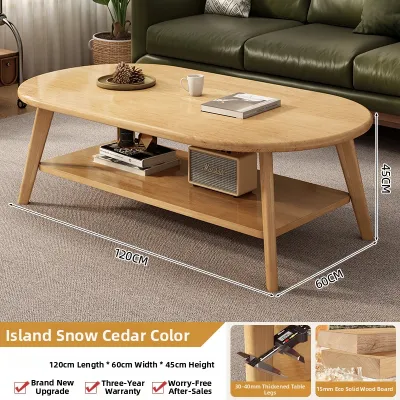
![[3S FURNITURE] Modern Rustic Simple Solid Rubber Wood Foldable Coffee Table * FREE DELIVERY * (1Yr Local Warranty)](https://img.lazcdn.com/g/p/204cfe405828c8ecbaeacf2b4c69c93d.jpg_400x400q80.jpg_.webp)
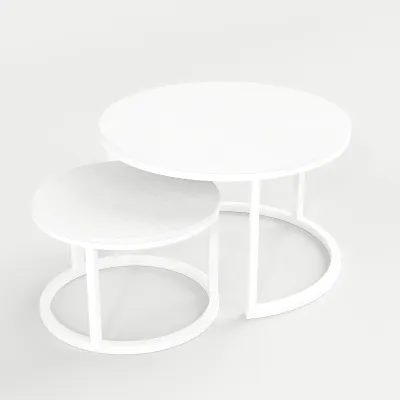
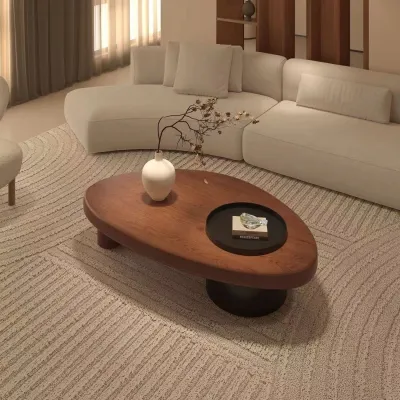
![[OKLIFE. SG]Round Coffee Table Home Small Apartment Round Combination Coffee Table Scandinavian Round Wooden Coffee Table](https://img.lazcdn.com/g/p/0207946615e582ee7b90fe6b86cd2c24.jpg_400x400q80.jpg_.webp)
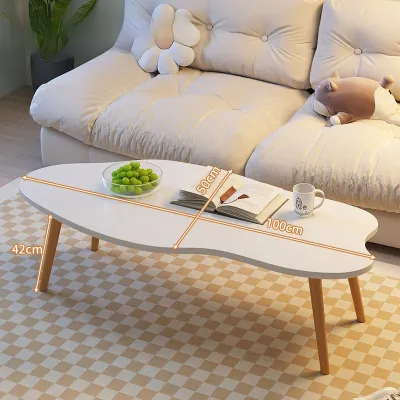
Prices are valid at publication and may change. Please refer to the product page for the latest price.
Understanding the Core Differences in Wood Construction
To make an informed decision, it is essential to look beyond marketing labels and understand how these two materials are actually constructed. The term “wood” covers a wide spectrum of manufacturing techniques, each with distinct structural behaviors, density profiles, and environmental tolerances.

Solid Wood Construction
Solid wood refers to furniture manufactured entirely from natural timber cut directly from harvested trees. Each slab, board, or leg is a continuous piece of organic material, preserving the natural cell structure, growth rings, and grain patterns of the original tree. Because no two trees are identical, every solid wood coffee table is a unique piece of functional art, featuring distinct variations in color, knots, and texture.
When shopping for a solid wood coffee table, always check the manufacturer’s specifications for the exact wood species used. Hardwoods like oak, walnut, teak, and mahogany are highly prized for their dense grain structures, exceptional scratch resistance, and long-term durability. Softwoods or fast-growing plantation timbers, such as rubberwood or pine, offer a more accessible entry point to solid wood furniture. However, these species have different hardness levels and structural properties, meaning they may be more susceptible to surface indentations or require specific protective finishes to withstand daily wear.
Engineered Wood Construction
Engineered wood is a composite material manufactured by binding wood fibers, particles, chips, or thin veneers together using industrial adhesives under high pressure and heat. This category includes several distinct core materials, each offering different levels of density, strength, and moisture resistance. Medium-density fiberboard (MDF), particleboard (often called chipboard), and plywood are the most common engineered cores found in modern coffee tables.
The structural core of an engineered wood table is almost always covered by an outer layer that determines its final appearance and surface performance. When evaluating these tables, always check the product label to identify both the core material and the surface finish. High-quality engineered tables often feature a real wood veneer—a paper-thin slice of genuine hardwood glued onto the core—which provides the tactile warmth of real timber. Alternatively, synthetic finishes like melamine or high-pressure laminates offer exceptional resistance to scratches and stains, presenting a highly uniform, modern aesthetic at a lower cost.
Durability and Longevity: How They Hold Up Over Time
A coffee table sits at the center of daily life, serving as a footrest, a tea station, a display for heavy art books, and sometimes a play surface. Evaluating how solid wood and engineered wood handle these physical demands over years of use is crucial to determining their true value.
Solid wood is renowned for its exceptional structural integrity and potential to last for generations. Because it is solid throughout, any surface damage—such as deep scratches, glass rings, or minor dents—can be sanded down, repaired, and refinished. This ability to undergo restoration means a solid wood coffee table can adapt to changing decor styles or be revived after years of heavy family use. However, natural wood is an active organic material; it expands and contracts in response to changes in ambient temperature and humidity. In highly humid climates, solid wood can warp, cup, or split if it is not properly seasoned, sealed, or constructed with joinery that allows for natural wood movement.
Engineered wood excels in dimensional stability because its cross-grain construction and adhesive bonding prevent it from warping or cracking when exposed to humidity fluctuations. It remains flat and stable even in challenging environmental conditions. However, its main limitation lies in its lack of repairability. If the outer veneer or synthetic laminate layer chips, peels, or sustains a deep scratch, it cannot be sanded down or refinished like solid wood. Once the underlying composite core is exposed to air or moisture, the damage is usually permanent and difficult to conceal.
It is vital to remember that material classification alone does not guarantee load-bearing strength or structural stability. Before committing to a purchase, always verify the manufacturer’s stated weight capacity, the thickness of the tabletop, and the design of the leg joints. Look for robust joinery methods such as mortise-and-tenon joints, dowels, or heavy-duty metal brackets. Avoid tables that rely solely on simple glue and staples, as these joints can loosen over time under the weight of heavy decor or accidental pressure.
Aesthetics and Design: Visual and Tactile Differences
The visual and tactile qualities of your coffee table will set the tone for your entire living room. Choosing between the organic warmth of solid wood and the clean consistency of engineered wood is a matter of aligning the material’s natural characteristics with your interior design theme.
Solid wood coffee tables bring a sense of warmth, character, and organic luxury to a space. The natural grain variations, subtle color shifts, and unique imperfections like knots or mineral streaks ensure that no two tables are alike. Touching a solid wood surface reveals a rich, tactile texture that synthetic materials struggle to replicate. This organic aesthetic makes solid wood highly compatible with traditional, rustic, mid-century modern, or Scandinavian interior styles, where natural materials are celebrated as focal points.
Engineered wood coffee tables offer a highly uniform, consistent, and controlled appearance. Because synthetic laminates and printed foils are manufactured in precise batches, they are free from the natural imperfections, color variations, and knots found in real timber. This consistency makes engineered wood an excellent match for sleek, minimalist, industrial, or ultra-modern living rooms that prioritize clean lines and monochromatic palettes.
When assessing the visual quality of an engineered wood table, pay close attention to the edge banding. The edges are where the laminate sheets meet, and poorly executed edge banding can leave visible seams, rough corners, or areas prone to peeling. For solid wood tables, embrace the natural variations as a sign of authenticity rather than defects. Understanding these visual trade-offs will help you select a piece that complements your existing sofas, rugs, and lighting.
Maintenance and Daily Care: What to Expect
To preserve the beauty and structural soundness of your coffee table, you must understand the daily maintenance routines each material demands. Neglecting proper care can lead to premature aging, surface discoloration, or irreversible structural damage.
Solid wood coffee tables require attentive, ongoing care to maintain their natural luster and protect them from environmental stressors. Because natural wood is porous, it is highly sensitive to liquid spills, heat, and direct sunlight. To prevent unsightly water rings or heat marks, you must consistently use coasters, placemats, and trivets under hot mugs, cold drinks, and serving dishes. Cleaning should be done with a soft, slightly damp microfiber cloth, followed immediately by a dry cloth to prevent moisture from sitting on the surface. Depending on the finish—whether oiled, waxed, or lacquered—solid wood may require periodic reapplying of furniture oil or wax to keep the timber hydrated and protected against drying or cracking.
Engineered wood coffee tables are generally much lower maintenance on a day-to-day basis. Surfaces finished with synthetic laminates or melamine are non-porous, making them highly resistant to liquid stains, minor spills, and daily dust. They can be easily wiped clean with a damp cloth and mild soap without the need for specialized oils or polishes.
However, engineered wood has a critical vulnerability: water seepage. If liquid spills are left unattended and manage to penetrate the seams, joints, or chipped areas of the edge banding, the moisture will seep directly into the absorbent MDF or particleboard core. This causes the core fibers to swell, bubble, and disintegrate, a form of damage that cannot be reversed. Regardless of the material you choose, always consult and strictly follow the specific cleaning and care instructions provided by your furniture manufacturer to safeguard your warranty and protect your investment.
Budget and Value: Upfront Cost vs. Lifespan
Analyzing the financial aspect of your purchase requires looking beyond the initial price tag to evaluate the long-term value, replacement cycles, and cost-per-year of ownership.
Solid wood coffee tables command a higher upfront price, reflecting the cost of raw timber, specialized harvesting, and skilled craftsmanship required for construction. In Singapore, a high-quality solid hardwood coffee table represents a significant financial commitment. However, when viewed as a long-term investment, the value proposition becomes clear. Because solid wood can be repaired, refinished, and structurally maintained, a single table can easily last for thirty years or more, spanning multiple home moves and design trends. The cost-per-year of ownership is exceptionally low, making it a highly sustainable and financially sound choice for permanent homes.
Engineered wood coffee tables offer a highly accessible, budget-friendly entry point, making them ideal for young professionals, renters, or those furnishing temporary living spaces. The lower cost of raw composite materials and automated mass-production techniques allow manufacturers to offer stylish, modern designs at a fraction of the price of solid wood. While the initial savings are substantial, engineered wood tables typically have a shorter overall lifespan. If the table is subjected to heavy daily use, frequent moves, or accidental liquid damage, it may need to be replaced within five to ten years. When deciding, evaluate your current budget against your long-term housing plans to determine which material offers the best financial fit for your lifestyle.
Decision Framework: Which Coffee Table Should You Buy?
To help you finalize your choice, use this structured decision framework to match your specific household needs, living conditions, and lifestyle patterns with the right material.
Choose Solid Wood if:
- You view your furniture as a long-term investment and want a piece that can last for decades.
- You appreciate the unique, organic beauty of natural wood grain and want a tactile, premium feel.
- You are willing to perform routine maintenance, such as using coasters and occasionally applying furniture oil.
- You want the flexibility to sand down, repair, or completely refinish your table in the future.
- You reside in a permanent home and do not plan to relocate frequently.
Choose Engineered Wood if:
- You are working within a strict budget and want a stylish, functional table at an accessible price.
- You prefer a highly uniform, clean, and minimalist aesthetic without natural wood imperfections.
- You want a low-maintenance surface that is easy to wipe clean without specialized care products.
- You rent your home, move frequently, and require lightweight furniture that is easy to transport.
- You want a stable material that will not warp or crack due to ambient humidity changes.
Verify First if:
- You are unsure of how the table will fit in your living room. Always measure your available floor space, leaving at least 30 to 45 centimeters of clearance between the coffee table and your sofa to ensure comfortable movement.
- You have tight entryways, corridors, or lift access. Solid wood tables are often delivered fully assembled and can be heavy and bulky; verify the finished dimensions and weight against your home's access points.
- You plan to place heavy items on the table. Always check the manufacturer's specified weight limits and joint construction to ensure the table can safely support your intended use.
Frequently Asked Questions (FAQ)
Is engineered wood safe for heavy items like large books or decor?
The safety and load-bearing capacity of an engineered wood coffee table depend entirely on the density of its core material, the overall thickness of the tabletop, and the design of its supporting frame. High-density fiberboard (MDF) and high-quality plywood offer excellent structural strength and can easily support heavy books, decorative trays, and daily items when properly supported by robust legs. However, low-density particleboard can sag or bend under sustained heavy loads. To prevent structural failure or bowing, never assume strength based on material name alone; always verify the manufacturer’s specified weight capacity before placing heavy objects on the table.
Can I repair deep scratches on an engineered wood coffee table?
Unlike solid wood, which can be sanded down and refinished, deep scratches on an engineered wood table are highly difficult to repair seamlessly. If a scratch penetrates through the outer wood veneer or synthetic laminate layer, it exposes the underlying composite core, which is highly absorbent and visually distinct from the finish. For minor surface blemishes, you can use manufacturer-approved touch-up markers, wax filler sticks, or specialized repair kits that match the color of your table’s finish. For severe structural damage or peeling laminate, consult the product care guide or contact a professional furniture repair service, as DIY sanding will strip away the thin outer layer and ruin the table’s appearance.
Community discussion
Share your experience or ask a question. Comments are reviewed before publication.