
Selecting the right solid wood cabinet for your wardrobe storage system depends on balancing dimensional stability, moisture resistance, and load-bearing capacity. While premium hardwoods like teak and oak offer excellent structural integrity and natural resistance to wear, more accessible options like rubberwood provide practical value when properly sealed. The ideal choice is not a single universal species, but rather the wood that matches your local climate, budget, and specific storage demands.
Wardrobes face unique physical challenges. Unlike open shelving, enclosed cabinets trap air, making them highly sensitive to internal microclimates. Understanding how different wood species behave under these conditions is the first step toward investing in a wardrobe that remains functional and beautiful for decades.
Key Factors When Choosing Solid Wood for Closets
Dimensional stability is the most critical factor for any closet cabinet. Wood naturally expands and contracts with changes in relative humidity. In enclosed closet spaces, this movement can cause doors to warp, frames to misalign, and drawers to stick. Choosing species with low volumetric shrinkage, or ensuring the wood has been thoroughly kiln-dried, minimizes these alignment issues.
Products mentioned in this guide
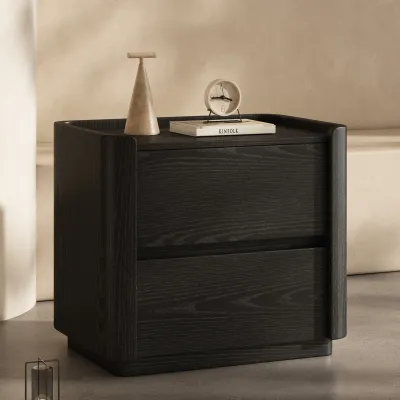
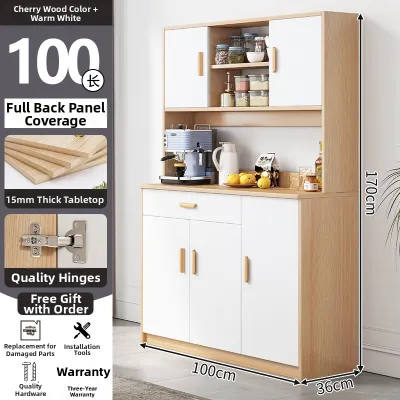
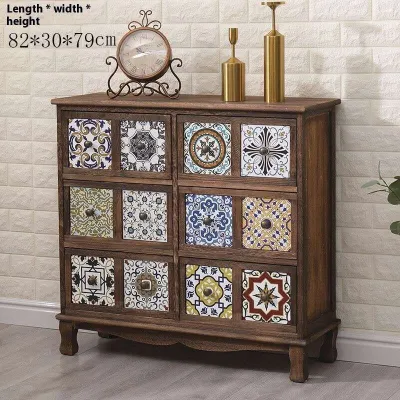
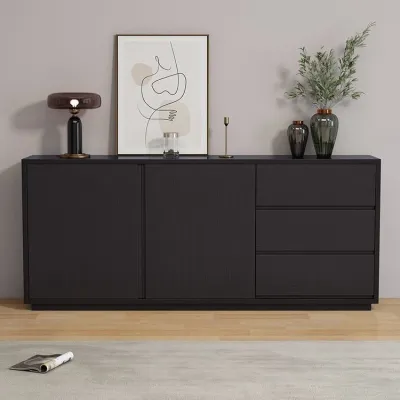
Prices are valid at publication and may change. Please refer to the product page for the latest price.
Hardness determines how well the cabinet resists daily wear, dents, and scratches. Wardrobe interiors endure constant contact with hangers, heavy bags, and metal hardware. Harder woods resist these impacts better than softwoods, preserving the pristine look of your storage system over years of active use.
Weight and structural load limits must also be carefully evaluated. Solid wood is inherently heavy, and a fully loaded wardrobe adds significant stress to shelves and hanging rods. You must verify the manufacturer’s recommended load limits and ensure the cabinet’s vertical supports can handle the weight without bowing over time.
Finally, consider the visual characteristics of the wood. The natural grain patterns, color variations, and how the surface accepts stains or clear protective coats will define the aesthetic of your bedroom. Some woods feature prominent, rustic grains, while others offer a smooth, uniform texture suitable for minimalist designs.
Comparing Common Wood Species for Wardrobe Cabinets
When evaluating specific wood types, it is important to balance your aesthetic preferences with practical maintenance requirements. No single wood species is perfect for every home; instead, the right choice depends on your budget and the environment where the cabinet will be placed.

Some woods possess natural oils that guard against moisture, while others rely entirely on robust factory-applied sealants. Understanding these differences helps you select a material that will thrive in your specific living space.
Oak (Red and White)
Oak is a highly durable choice for a solid wood cabinet, favored for its prominent grain patterns and exceptional density. White oak is slightly more water-resistant and has tighter pores than red oak, making it highly stable in humid environments.
When selecting oak, assess how the prominent grain will look under different finishes. Darker stains can highlight the deep pores, while clear coats preserve its natural, warm tone. Because oak is exceptionally heavy, always check the manufacturer’s specifications for shelf span limits and ensure your flooring can support the completed unit.
Verify that the finish is smooth and fully sealed. A high-quality lacquer or polyurethane coating is essential to prevent moisture from penetrating the open grain of the wood, especially in less ventilated closet spaces.
Teak
Teak is highly regarded for premium closet storage, particularly in tropical climates like Singapore where humidity is a constant factor. It contains natural oils that provide inherent resistance to moisture, rot, and pests.
While teak offers exceptional durability and a rich, golden-brown aesthetic that matures beautifully over time, it represents a significant financial investment. Evaluate the cost-to-value ratio based on how long you plan to keep the furniture and whether the wardrobe will be placed in a high-humidity zone.
Be cautious when shopping; check product labels and specifications carefully to distinguish between 100% genuine solid teak and furniture that merely features a teak-finished veneer over a different core material.
Rubberwood
Rubberwood has become a highly popular, cost-effective option for modern solid wood cabinets. As a hardwood harvested from rubber plantation trees at the end of their latex-producing cycle, it is both accessible and environmentally conscious.
Because rubberwood is naturally susceptible to moisture absorption and warping in its raw state, proper kiln-drying and factory-applied protective sealants are absolutely critical. Check with the retailer to confirm that the wood has undergone these stabilizing treatments.
In terms of density, rubberwood is moderately hard and offers reliable load-bearing capacity for standard wardrobe needs, though it may be more prone to surface scratches than oak or teak. Routine maintenance, such as keeping the cabinet dry and avoiding harsh chemical cleaners, is essential to preserve the protective finish.
Walnut and Cherry
Walnut and cherry are prized for their fine, elegant grain patterns and luxurious appearance. Walnut offers a deep, rich chocolate tone, while cherry is known for its warm, reddish undertones.
Both woods undergo natural color shifts over time. Cherry darkens significantly when exposed to natural light, while walnut tends to lighten slightly. Anticipate these changes when planning your room’s color palette.
While these woods are moderately hard, they are slightly softer than oak. Take care to avoid denting the surfaces with heavy metal belt buckles, hangers, or drawer pulls. Aligning the premium cost of these materials with a long-term design plan ensures your investment remains a centerpiece of your home for years.
Construction and Finish: Beyond the Wood Species
The durability of a solid wood cabinet depends as much on how it is built and finished as it does on the species of wood used. First, distinguish between 100% solid wood construction and engineered cores with thick solid wood veneers. While 100% solid wood offers unmatched repairability and prestige, high-quality veneers over stable cores can sometimes offer better resistance to warping in highly volatile climates.
Inspect the joinery methods used in the cabinet’s construction. High-quality wardrobes utilize traditional joinery like dovetail joints for drawers and mortise-and-tenon joints for the main frame. Avoid cabinets held together solely by staples, nails, or cheap glue, as these joints can loosen under the weight of heavy clothing.
Evaluate the protective finish. A robust sealant, such as a high-quality polyurethane, lacquer, or specialized wood oil, acts as a barrier against moisture and makes the surfaces easier to wipe clean.
Finally, check the hardware compatibility. Solid wood doors and drawers are heavy; they require heavy-duty, adjustable hinges and smooth, ball-bearing drawer runners to operate reliably without sagging or sticking over time.
Practical Checklist for Selecting Your Cabinet
Before purchasing a solid wood cabinet, measure your available space precisely, taking into account door clearances, baseboard projections, and ceiling heights. Because solid wood furniture is heavy and often delivered fully assembled or in large sections, verify lift access, doorway widths, and stairwell clearances. Ensure your flooring can support the concentrated weight of a fully loaded solid wood wardrobe.
Assess the ventilation and typical humidity levels of the room where the cabinet will stand. If the room is prone to dampness, prioritize woods with high natural moisture resistance or ensure the piece has a comprehensive, moisture-resistant factory finish.
Review the manufacturer’s warranty, care instructions, and material origin disclosures. Reliable manufacturers will provide clear guidelines on how to clean and maintain the wood.
Whenever possible, request physical wood samples or inspect the furniture in person. This allows you to verify the grain pattern, feel the texture of the finish, and test the structural rigidity of the doors and drawers firsthand.
Frequently Asked Questions (FAQ)
Is solid wood better than engineered wood for closet cabinets?
Solid wood offers superior longevity, structural strength, and the ability to be sanded down and refinished if scratched or damaged. However, it is heavier and more sensitive to humidity fluctuations. Engineered wood, such as high-quality plywood or medium-density fibreboard (MDF) finished with a natural wood veneer, provides excellent dimensional stability, meaning it is less likely to warp or shrink in humid conditions, often making it a practical and cost-effective alternative for built-in closet systems.
How do I protect a solid wood wardrobe in a humid climate?
To protect your solid wood cabinet in humid environments, maintain consistent indoor air circulation and use dehumidifiers or moisture-absorbing sachets inside the wardrobe. Avoid placing the cabinet directly against external walls where condensation can build up, and keep it away from direct heat sources or air conditioning vents. Follow the manufacturer’s specific care instructions, which may recommend periodic application of specialized furniture wax or oil to maintain the protective moisture barrier.
Can solid wood closet cabinets be refinished or painted?
Yes, one of the greatest advantages of solid wood is that it can be refinished, stained, or painted to match changing decor styles. Before starting, identify the existing finish, as oil-based, lacquer, or polyurethane coatings require different stripping and sanding preparation. Sanding down to the raw wood is necessary for new stains to penetrate properly, while painting requires a high-quality primer to prevent wood tannins from bleeding through. For complex designs, antique pieces, or cabinets with delicate veneer details, consulting a professional furniture refinisher is recommended.
Community discussion
Share your experience or ask a question. Comments are reviewed before publication.