
Replacing a damaged or worn-out component of your furniture with a new solid wood board is an excellent way to extend its lifespan and upgrade its structural integrity. The exact thickness and dimensions you need depend entirely on the specific component you are replacing, the load it must carry, and the overall span of the piece. For instance, heavy-use surfaces like tabletops generally require a thickness of 25mm to 40mm, while standard shelving ranges from 18mm to 25mm depending on the length. Delicate or enclosed parts like drawer bottoms can be much thinner, typically between 5mm and 12mm.
How to Measure and Match Dimensions for Replacement Parts
To ensure a seamless fit, you must measure the physical space, the old part, and any associated mounting hardware with high precision. Start by measuring the length and width of the existing component using a reliable steel tape measure. If the original part is missing or too damaged to measure, measure the internal opening of the furniture frame where the new board will sit.
Pay close attention to how the board attaches to the frame. If it must slide into routed grooves, such as rabbets or dados, you must add the depth of those grooves to your final length and width measurements. For shelves resting on pins, measure the exact distance between the inner walls of the cabinet and subtract a small clearance of about 1.5mm to 2mm on each side to prevent the board from scraping the sides during installation.
Products mentioned in this guide

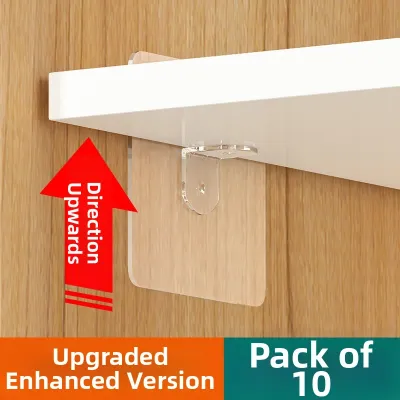
Prices are valid at publication and may change. Please refer to the product page for the latest price.
Additionally, solid wood naturally expands and contracts across its grain in response to relative humidity fluctuations, which are particularly pronounced in Singapore’s tropical climate. Unlike engineered wood, which remains relatively stable, a solid wood board needs a small expansion gap of 2mm to 3mm within its mounting slots or frames to prevent buckling, warping, or splitting over time.
Choosing the Right Thickness by Furniture Component
Selecting the correct thickness is a balancing act between structural stability and weight management. Using a board that is too thin will result in bowing, sagging, or structural failure, while a board that is excessively thick can add unnecessary weight and strain the furniture’s joints, hinges, or slides.

Tabletops, Countertops, and Desks
Tabletops and desk surfaces require thicker boards—typically between 25mm and 40mm—to provide structural rigidity across large, unsupported spans. This thickness provides enough material to carve elegant edge profiles, withstand daily impacts, and securely hold heavy leg mounting plates or brackets.
Before purchasing your solid wood board, examine the existing support structure, such as the apron or metal underframe. Ensure that the thickness of the replacement board matches the length of the mounting screws you plan to use; screws must penetrate deeply enough to secure the legs firmly without risk of puncturing the finished top surface.
Shelves and Bookcases
For shelves and bookcases, the required thickness of your solid wood board is directly tied to the span of the shelf and the weight of the items it will hold. A standard 18mm thick board is highly suitable for shorter spans of up to 700mm carrying moderate loads like novels or decorative items.
However, if your shelf span extends between 700mm and 900mm, or if you plan to store heavy textbooks or kitchenware, you should upgrade to a 25mm thick board to prevent noticeable bowing over time. Before finalizing your purchase, verify the size of your existing shelf pin holes, adjustable clips, or brackets. A thicker board may require you to replace the existing mounting hardware or adjust the pin placement to ensure the shelf sits perfectly level.
Drawer Bottoms and Cabinet Backs
Unlike load-bearing shelves or tabletops, drawer bottoms and cabinet backs do not require thick, heavy wood. These components typically use thin solid wood panels ranging from 5mm to 12mm in thickness, which helps keep the overall weight of the furniture manageable.
Using a thick board for a drawer bottom adds unnecessary bulk, making the drawer difficult to pull and putting excessive wear on the drawer slides or runners. When replacing these panels, the new board’s thickness must precisely match the width of the routed grooves in the drawer sides or cabinet frame. A board that is even slightly too thick will not slide into the grooves, while a board that is too thin will rattle, compromise the dust seal, and fail to support the drawer’s contents securely.
Wood Species and Construction Specifications That Matter
The physical properties of the wood species and how the board is constructed play a massive role in determining the required thickness for your project. Hardwoods such as teak, oak, and mahogany have a high density, allowing them to support heavier loads at thinner profiles compared to softer woods. If you choose a softwood like pine or fir for a shelf or tabletop, you will likely need to increase the board’s thickness by 5mm to 10mm to match the stiffness and load capacity of a hardwood equivalent.
Additionally, consider the board’s construction; edge-glued panels, which are made by joining narrower strips of solid wood side-by-side, are far more stable and resistant to warping than single wide boards. Finally, always allow your new wood to acclimate to your indoor environment for at least 48 to 72 hours before cutting or installing it. This is crucial in Singapore, where the transition from a humid outdoor workshop to an air-conditioned living room can cause rapid moisture loss and wood movement.
Pre-Installation Checks and Safety Boundaries
Before committing to any cuts, finishes, or adhesives, perform a comprehensive dry-fit of the replacement board. Slide it into its designated space, check the alignment of all grooves, and test the fit of the hardware to ensure everything aligns perfectly.
It is also vital to assess the weight of the new solid wood board. If you are replacing a lightweight engineered wood component with heavy solid wood, you must verify that the existing hinges, drawer slides, or wall anchors can support the added load without sagging or failing.
Always check the applied product’s label and the treated item’s manufacturer instructions before proceeding with installation. If the instructions conflict, or if you find that the structural integrity of the main furniture frame is compromised, stop immediately and consult a professional carpenter to avoid safety hazards or irreversible damage.
Frequently Asked Questions (FAQ)
Can I Replace Particleboard or MDF with Solid Wood?
Yes, you can replace engineered wood with solid wood, but you must plan for three key differences: weight, thickness tolerances, and wood movement. Solid wood is significantly heavier than particleboard or MDF, so you must verify that your existing hinges, drawer slides, and wall mounts can support the extra weight.
Additionally, engineered boards are manufactured to exact, uniform metric thicknesses, whereas solid wood boards often have slight nominal variations; you may need to plane or sand the edges of your solid wood board to get it to fit into existing slots.
Finally, unlike stable engineered boards, solid wood expands and contracts with humidity changes, meaning you must modify the installation—such as using slotted screw holes or clips—to allow the wood to move freely without cracking.
Community discussion
Share your experience or ask a question. Comments are reviewed before publication.