
A sofa gap filler is a specialized foam, fabric, or rigid wedge designed to block the void between your sofa and the wall or adjacent furniture. If you have ever lost a television remote, a smartphone, or a child’s toy to the dark abyss behind your couch, you have likely considered this simple accessory. While it seems like a straightforward fix, its success depends heavily on your specific sofa type, wall structure, and home environment.
Before purchasing a filler from an online marketplace, it is essential to understand what these accessories can realistically achieve, where they fall short, and how to select the right option for your home. By evaluating your living room’s layout and measuring your space accurately, you can determine if a sofa gap filler is the right solution for your specific household needs.
Identifying the Gap: Why the Space Behind Your Sofa Becomes a Problem
The space behind a sofa often becomes a magnet for clutter and dust, but understanding why that gap exists is the first step toward solving the issue. In most living rooms, furniture cannot sit completely flush against the wall due to structural elements or functional requirements. Recognizing these factors helps you determine whether a simple filler can resolve the issue or if a more comprehensive layout change is necessary.
Products mentioned in this guide
Prices are valid at publication and may change. Please refer to the product page for the latest price.
Common Symptoms of a Problematic Gap
- Lost Personal Items: The most common sign of a problematic gap is the frequent disappearance of small household objects. Items like phones, pens, remotes, and loose change easily slip off the back cushions and slide into the hard-to-reach space below.
- Dust and Allergen Accumulation: Air currents in a home naturally carry dust, pet dander, and hair into stagnant zones. The gap behind a heavy sofa is a prime target, often turning into a breeding ground for dust bunnies that are difficult to reach with a standard vacuum cleaner.
- Pet and Child Hazards: Small pets, such as curious kittens or puppies, can easily squeeze into the tight space behind a sofa. This area often contains exposed electrical cords or dust, making it a potentially hazardous environment for pets and toddlers alike.
Structural and Layout Causes
- Skirting Boards and Baseboards: Most homes feature skirting boards at the bottom of the walls. These boards typically protrude by one to two centimeters, preventing the flat back of a sofa frame from touching the wall directly.
- Electrical Outlets and Plugs: Wall-mounted power sockets are frequently located behind living room seating. If you have bulky plugs or adapters inserted for lamps, chargers, or entertainment systems, you must leave a gap to avoid bending or damaging the cables.
- Reclining Mechanisms: Motion sofas and recliners require physical clearance behind them to tilt backward safely. Pushing these sofas directly against a wall prevents them from operating and can damage both the upholstery and the drywall.
How to Measure Your Sofa Gap
To determine if a commercial gap filler will fit your setup, you must take precise measurements rather than guessing. Use a metal tape measure to find the horizontal distance from the backmost part of your sofa frame to the wall. Because walls and floors are rarely perfectly straight, take this measurement at three different points: the left side, the center, and the right side of the sofa.
Next, measure the vertical depth of the gap. This is the distance from the top of the sofa’s backrest down to the top of the skirting board or the floor. Note these dimensions carefully, as they will dictate the length, width, and shape of the gap filler you need to search for.
What Problems a Sofa Gap Filler Can Actually Solve
When chosen and installed correctly, a sofa gap filler acts as a highly effective barrier that improves both the functionality and cleanliness of your living room. It is designed to address several daily inconveniences without requiring you to rearrange your entire room layout.

Preventing Lost Items
A properly fitted gap filler creates a physical bridge between the sofa and the wall. When a phone or remote slips off the back cushions, the filler catches it, keeping it within arm’s reach on top of the wedge. This simple barrier saves you from the physical strain of sliding heavy furniture forward, which can scratch delicate vinyl, laminate, or hardwood flooring.
Reducing Dust and Debris Accumulation
By sealing the top of the void, a gap filler prevents larger debris, hair, and crumbs from settling in the hard-to-reach space below. While it does not eliminate dust entirely, it keeps airborne particles on a visible, easily accessible surface. This makes routine cleaning much simpler, as you can quickly run a vacuum attachment over the top of the filler rather than moving the entire couch.
Deterring Pets and Children
For households with small pets or toddlers, a gap filler serves as an excellent safety barrier. It blocks access to the dark, dusty, and cord-filled space behind the sofa, keeping your loved ones safe from electrical hazards and preventing pets from getting stuck in tight corners.
Improving Visual Continuity
A dark, empty gap behind a beautifully styled sofa can look unfinished and disrupt the flow of your living room. A gap filler that matches the color of your sofa upholstery or your wall paint creates a seamless transition. This simple addition makes the entire living room layout look more organized, cohesive, and polished.
Limitations: When a Sofa Gap Filler Will Not Work
While sofa gap fillers are highly versatile, they are not a universal cure-all. There are several physical and environmental conditions where a standard commercial filler will fail to perform or may even cause damage.
Excessive Gap Widths
Most commercial gap fillers are designed for narrow spaces, typically ranging from 5 to 15 centimeters. If your sofa sits 20 to 30 centimeters away from the wall to accommodate a radiator, a large structural column, or architectural features, a standard foam wedge will not work. It will either fall through the gap or sag under its own weight, failing to provide a stable surface.
Reclining and Motion Furniture
If you own a reclining sofa, the back of the seat moves dynamically whenever the footrest is extended. A static gap filler cannot accommodate this movement. The shifting frame will constantly compress, displace, or damage the filler, rendering it useless and potentially interfering with the sofa’s mechanical parts.
Irregular Wall Features and Obstructions
Protruding columns, decorative wall moldings, surface-mounted conduit pipes, or uneven plastering prevent a straight gap filler from sitting flush. Trying to force a rigid or semi-rigid filler into these spaces will leave unsightly gaps and may put unnecessary pressure on your wall fixtures.
Moisture and Humidity Risks
In tropical, high-humidity environments like Singapore, air circulation behind large furniture pieces is crucial for preventing mold and mildew. Placing a dense, non-breathable foam filler tightly against a concrete wall can trap moisture in the stagnant air pocket below. Over time, this lack of ventilation can lead to mold growth on both the wall paint and the back of your sofa fabric, resulting in costly remediation needs.
How to Choose and Install the Right Gap Filler
If you have determined that your living room setup is suitable for a gap filler, the next step is selecting a product that matches your dimensions, aesthetic preferences, and maintenance capabilities.
Key Dimensions to Check
- Length: Match the length of the filler to the width of your sofa's backrest. If your sofa is exceptionally long, you may need to purchase two smaller fillers and place them end-to-end.
- Width: Ensure the width of the wedge matches your measured gap at its widest point. A filler that is too narrow will slip down, while one that is too wide will bulge upward and look untidy.
- Height/Thickness: Choose a thickness that aligns with the top of your sofa cushions to maintain a clean, level surface line.
Material Considerations
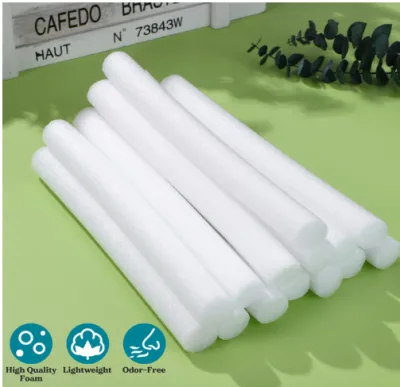
- High-Density Polyurethane Foam: This is the most common and affordable option. It is lightweight, offers excellent support, and can be easily trimmed with household scissors to fit around minor obstructions. However, ensure it comes with a removable, washable cover to simplify cleaning.
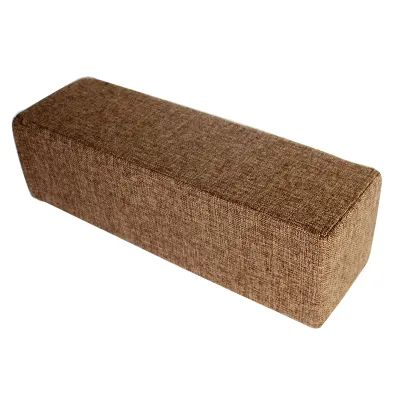
- Upholstered Fabric Cushions: These fillers look like long, firm bolster pillows. They offer a softer, more premium aesthetic that blends beautifully with fabric sofas, though they may sag over time if the gap is relatively wide.
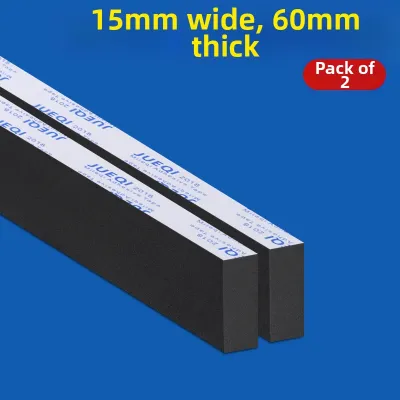
- Rigid Wood or Plastic Shelves: Some fillers are designed as slim, long shelves that rest on top of the gap, supported by brackets or the sofa frame. These are excellent for holding small decorative items or a cup of tea, but they require a stable support system and are less forgiving of uneven walls.
Installation Prerequisites
Before installing your new gap filler, pull the sofa forward and thoroughly clean the area. Vacuum the floor, wipe down the skirting boards, and dust the back of the sofa frame. Ensure the wall and floor surfaces are completely dry before placing the filler to prevent trapping any moisture.
Safety and Maintenance Checks
Never cover active electrical outlets or block ventilation paths for electronic devices with a gap filler. If you have extension cords running behind the sofa, ensure they are not pinched or tightly compressed by the filler, as restricted airflow around power cables can pose a fire hazard. Regularly check that the filler is not putting pressure on wall-mounted plugs.
Alternative Solutions for Managing Sofa Gaps
If your living room measurements or wall conditions make a standard gap filler impractical, there are several alternative methods to manage the space behind your sofa effectively.
Using a Console Table
For gaps wider than 15 centimeters, a slim console table (often called a sofa table) is an excellent alternative. It fills the physical void, provides a convenient surface for table lamps, books, and drinks, and adds functional storage to your living room without requiring heavy furniture rearrangement.
Floating the Sofa
Instead of trying to push your sofa as close to the wall as possible, embrace a “floating” layout. Pull the sofa 50 to 100 centimeters away from the wall to create a clear, intentional walkway behind the seating area. This layout works exceptionally well in larger, open-concept living spaces and completely eliminates the awkward, hard-to-reach gap.
Custom DIY Solutions
For irregular walls, unique sofa shapes, or specific aesthetic preferences, you can create a custom filler. Wrap a sturdy piece of wood or high-density foam in a fabric that matches your sofa upholstery. This allows you to cut custom notches for pipes, columns, or electrical outlets, ensuring a perfect, flush fit that commercial products cannot provide.
Frequently Asked Questions (FAQ)
Can a sofa gap filler damage my wall or baseboard?
Yes, under certain conditions. If the filler is made of a rough, abrasive material and the sofa shifts frequently when people sit down, the constant friction can scuff or rub away wall paint. Additionally, in humid climates, a dense, non-breathable foam filler can trap moisture against the wall, leading to peeling paint, plaster damage, or mold. To prevent this, choose a filler with a soft, non-abrasive cover, ensure the wall is completely dry before installation, and pull the sofa out occasionally to let the area air out.
How do I clean a sofa gap filler without moving the heavy sofa?
For routine maintenance, you can clean the top surface of the filler using a vacuum cleaner equipped with an upholstery brush attachment or a lint roller. If the filler has a removable fabric cover, unzip it and wash it according to the manufacturer’s care instructions. However, to maintain a truly clean living room, you should still plan to pull the sofa forward a few times a year to clean the floor underneath and check for any dust or small items that may have bypassed the filler.
Community discussion
Share your experience or ask a question. Comments are reviewed before publication.