
Maximizing limited square footage in compact apartments requires a strategic approach to vertical storage. A modular display shelf offers the flexibility to adapt to tight layouts, allowing you to customize heights, widths, and configurations as your storage needs evolve. By utilizing vertical space efficiently, these systems keep floor areas clear while showcasing books, plants, and personal items without making a room feel cramped.
Before purchasing any modular system, precise measurements of your physical space are essential. Start by measuring the exact floor-to-ceiling height in multiple spots, as concrete ceilings in high-rise apartments can sometimes have slight variations. Take note of the height and thickness of your skirting boards, which can prevent a shelving unit from sitting completely flush against the wall. Additionally, map out the positions of power outlets, light switches, and internet ports to ensure your planned configuration does not block access to vital utilities.
Logistical constraints extend beyond the walls of your living room. You must verify the dimensions of your apartment building’s elevator, corridors, and entry doorways to ensure that long upright supports or wide modular panels can be safely transported to your unit. Many modern developments have strict delivery windows and tight corridor corners that make maneuvering oversized flat-packs or pre-assembled frames challenging.
Products mentioned in this guide
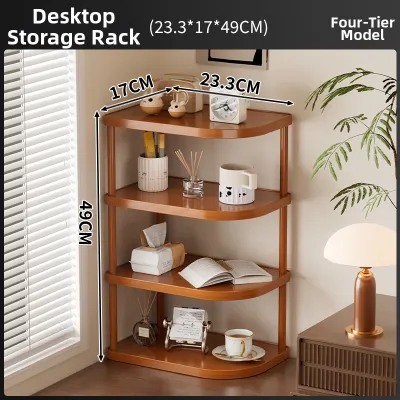
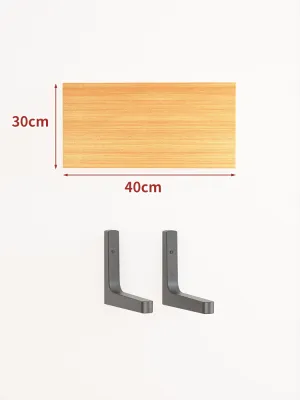
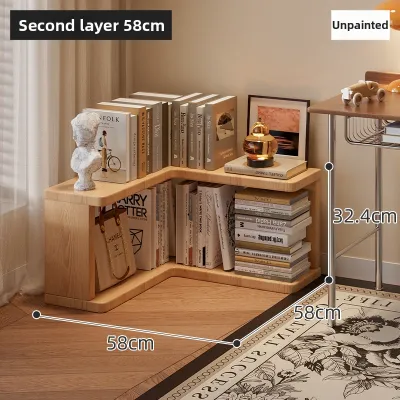
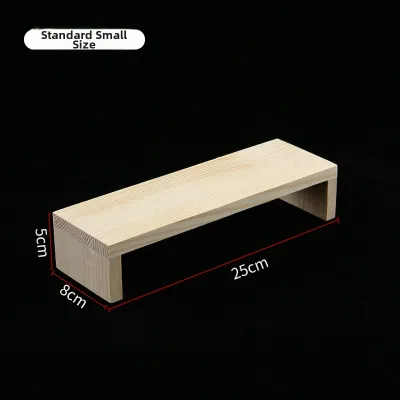
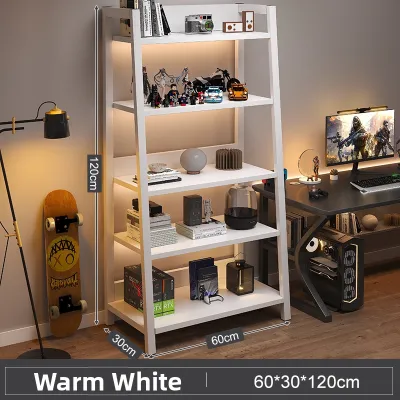
![[SG Stock] Bookcase Shelves Household Living Room Shelves Random Combination Of Storage /Complimentary Backplane](https://img.lazcdn.com/g/p/c313bdfd869b14a5fe998a47c37bbbc3.jpg_webp_400x400q80.jpg_.webp)
Prices are valid at publication and may change. Please refer to the product page for the latest price.
If you are renting your apartment or living in a condominium with strict estate guidelines, review your tenancy agreement or building management rules before making any structural modifications. Some agreements strictly prohibit drilling into walls, which will immediately narrow your choices to freestanding or tension-based modular systems. Understanding these boundaries early prevents costly security deposit deductions or structural damage to partition walls.
Space-Saving Modular Configurations for Compact Layouts
Selecting the right layout for your modular display shelf depends on the specific architectural quirks of your apartment. Different configurations address distinct spatial challenges, whether you need to exploit vertical height, reclaim unused corners, or keep the floor completely clear.
Floor-to-Ceiling Vertical Towers
Floor-to-ceiling vertical towers are highly effective for maximizing storage capacity on a minimal footprint. By extending the shelving unit upward, you draw the eye toward the ceiling, creating an illusion of height in compact living areas. When planning this configuration, ensure there is sufficient top clearance to assemble and position the final upper modules without scraping the ceiling plaster.
Stability is the primary concern for any tall, narrow structure. You must verify that the base of the tower sits on a perfectly level floor surface, adjusting any leveling feet according to the manufacturer’s instructions. Because tall units are inherently top-heavy when loaded, securing them with anti-tip anchoring hardware is a critical safety step that should never be bypassed, regardless of how stable the unit feels during initial assembly.
Corner and L-Shaped Wraps
Awkward corners and alcoves often become dead space in small apartments, but an L-shaped modular configuration can transform these areas into functional display zones. When designing a corner wrap, measure the angle of the walls carefully, as older buildings may not have perfectly square ninety-degree corners. Adjust the depth of the intersecting shelves so they do not protrude too far into high-traffic walkways.
Maintaining natural light and ventilation is crucial for keeping a small room feeling open and airy. Position your corner modules so they do not obstruct windows, block natural light paths, or interfere with the airflow from air-conditioning units. Leaving a clear gap between the edge of the shelf and any window frames also ensures that curtains or blinds can operate smoothly without getting caught on the structure.
Floating and Wall-Mounted Modules
Wall-mounted modular shelves offer a weightless aesthetic that keeps your floor area completely clear, making routine floor cleaning much easier. This configuration is particularly useful in narrow hallways or small bedrooms where floor space is at a premium. By elevating the storage, you create room underneath for low-profile furniture or simply leave the floor open to enhance the sense of spaciousness.
Before mounting any shelves, you must identify the composition of your walls. Solid masonry or concrete walls require heavy-duty wall plugs and masonry drill bits, whereas hollow drywall or partition walls require specialized toggle bolts or stud-finding tools to locate structural supports. Always check the manufacturer’s specified load limits for both the brackets and the shelves, and use a digital detector to avoid drilling into areas with hidden electrical wiring or water pipes.
Choosing Durable Materials and Finishes for Local Conditions
The tropical climate in Singapore, characterized by high humidity and warm temperatures, requires careful consideration of materials to ensure your display shelf remains durable over time. Standard particleboard or untreated wood can easily absorb moisture from the air, leading to swelling, warping, or mold growth.

Look for modular systems constructed from powder-coated steel, anodized aluminum, or high-density fiberboard with moisture-resistant sealants. Powder-coated metal frames resist rust and are exceptionally easy to wipe down, making them ideal for long-term durability. If you prefer the warmth of natural wood, ensure that all surfaces, including the undersides and edges of the shelves, are fully sealed with a polyurethane or water-resistant lacquer.
The thickness of the shelves must match the weight of the items you plan to display. Thin, unsupported shelves will sag over time under the weight of heavy books or ceramic ornaments, ruining the clean lines of your modular setup. Refer to the manufacturer’s product specifications to find the maximum weight capacity per shelf, and distribute heavier items evenly across the lower levels to maintain structural integrity.
Routine maintenance is straightforward if you follow the manufacturer’s care instructions. Avoid using harsh chemical cleaners or abrasive scrubbing pads, which can strip away protective coatings and expose the underlying material to moisture. A soft, slightly damp microfiber cloth is usually sufficient to remove dust, followed immediately by a dry cloth to prevent water spots or moisture absorption.
Ensuring Safe Assembly and Long-Term Stability
Assembling a modular display shelf requires patience and strict adherence to the provided instructions to ensure the structure remains safe and stable. Rushing the process or skipping steps can compromise the integrity of the joints, leading to wobbling or eventual structural failure.
Always follow the exact assembly sequence outlined in the product manual, using the correct screws, dowels, and brackets for each specific step. Avoid over-tightening fasteners, as this can strip the threads in metal components or split wood panels. If a component does not seem to fit easily, double-check the orientation of the adjacent pieces rather than forcing them together.
Installing anti-tip kits is a non-negotiable safety measure, particularly in households with young children or pets who might attempt to climb the shelves. These kits typically consist of straps or brackets that anchor the top of the shelving unit directly to the wall. Ensure that the wall anchors you use are specifically rated for your wall type, as standard plastic plugs may pull out of drywall under sudden tension.
Over time, daily use and environmental changes can cause joints to loosen slightly. Schedule periodic inspections every six months to check for loose screws, sagging shelves, or any signs of structural warping. If you notice any significant defects, such as cracked joints or a noticeable lean, stop using the shelf immediately, remove all items, and consult a professional or the manufacturer for repair options.
Frequently Asked Questions (FAQ)
Can I install a modular display shelf without drilling into HDB walls?
Yes, you can use tension-pole modular systems, which secure themselves between the floor and the ceiling using spring-loaded or screw-threaded tension mechanisms. These systems are highly popular among renters because they require zero drilling and leave no permanent marks on the walls. However, you must ensure that both your floor and ceiling are flat, solid, and structurally sound; suspended plaster ceilings or uneven tiled floors may not provide the stable resistance needed to hold the tension poles securely. Always check the manufacturer’s weight limits for tension-based units, as they generally support less weight than wall-anchored systems.
How do I prevent a tall modular shelf from tipping over?
To prevent a tall modular shelf from tipping, always install the manufacturer-approved anti-tip straps or brackets directly into a solid wall structure. Never rely on improvised solutions like double-sided tape or heavy objects placed on top to hold the unit back. Additionally, organize your display strategically by placing your heaviest items, such as large books, storage boxes, or heavy ceramic pots, on the lowest shelves. This lowers the overall center of gravity of the unit, making it significantly more stable and less prone to tipping if accidentally bumped.
Community discussion
Share your experience or ask a question. Comments are reviewed before publication.