
To fit comfortably in a typical Singapore Housing & Development Board (HDB) living room, a small sofa bed should generally have a closed width of 120 cm to 150 cm and a closed depth of 80 cm to 90 cm. When fully extended, the total length should ideally not exceed 190 cm to 200 cm. These dimensions ensure the furniture functions as a practical two-seater sofa during the day while leaving enough room to walk around when it is converted into a sleeping surface at night.
Balancing space in an HDB flat requires careful planning. Because living rooms in modern BTO (Build-To-Order) flats and older resale units often serve multiple purposes, every centimeter counts. Selecting a sofa bed that is too large can block vital walkways, restrict access to balconies, or make the entire room feel cramped.
By understanding how to measure your space, calculating necessary clearances, and choosing the right folding mechanism, you can find a versatile piece of furniture that accommodates overnight guests without compromising your daily comfort.
Products mentioned in this guide
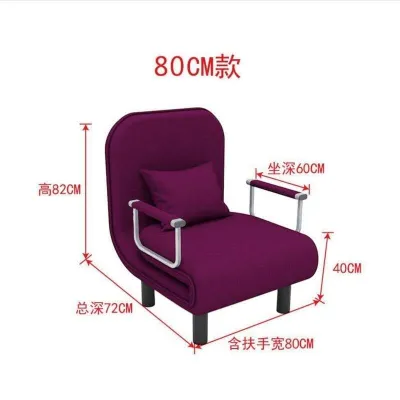
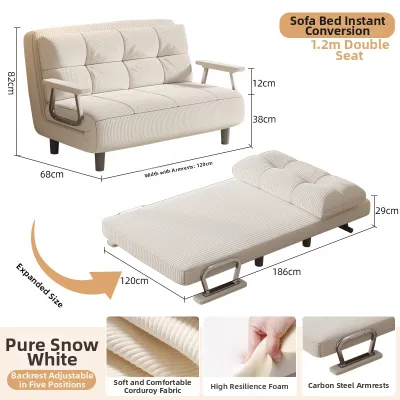
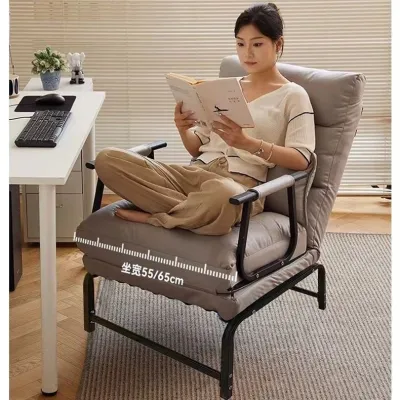
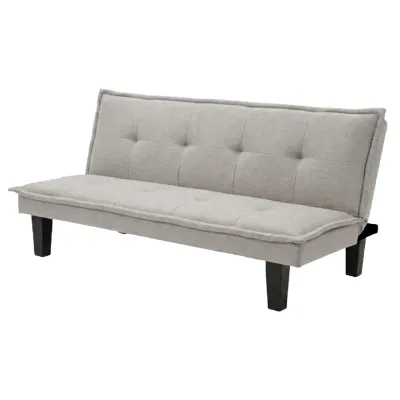
![[CozyNest ]Folding Bed Single Lounge Chair Office Nap Dual-Use Small Sofa Bed Easy Home Use](https://img.lazcdn.com/g/p/4d3b19115997d88be7410da5a46516bb.jpg_400x400q80.jpg_.webp)
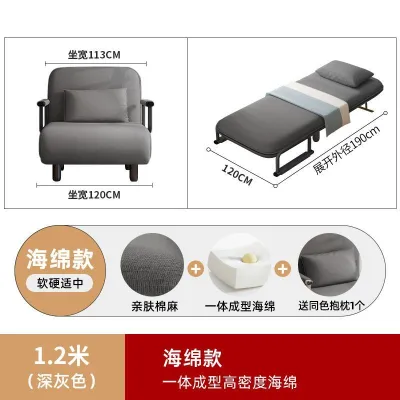
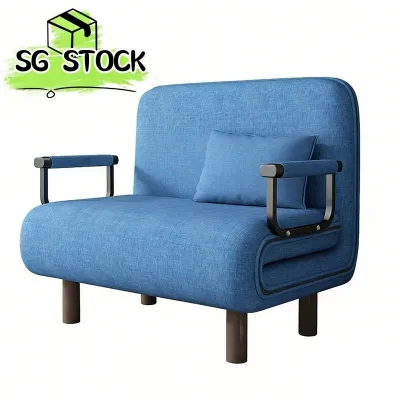
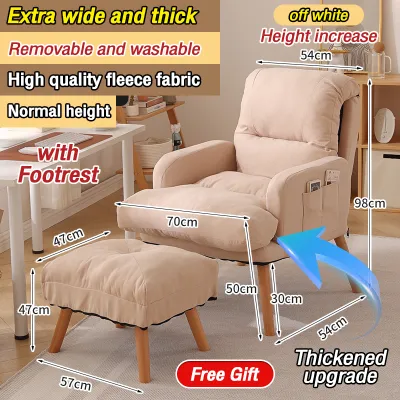
Prices are valid at publication and may change. Please refer to the product page for the latest price.
How to Measure Your HDB Living Room for a Sofa Bed
Before browsing furniture catalogs, establish the precise boundaries of your living room’s layout. Use a metal measuring tape to map out the floor area where you plan to place the sofa bed. Measure both the length and the depth of this designated zone, and sketch a quick floor plan to visualize how the piece will sit in relation to the rest of the room.
Note any architectural features that could restrict placement. Windows, low-hanging air conditioning units, wall-mounted power outlets, and light switches can all limit where a sofa bed can go. If the backrest of the sofa bed is exceptionally high, it might block a window or interfere with curtains. Ensure that the fully opened bed does not obstruct the swing of nearby doors, such as those leading to bedrooms, household shelters, or balconies.
Finally, map out the primary traffic paths through your living room. A successful layout maintains a clear, unobstructed route from the entryway to the kitchen, bedrooms, and bathrooms. Mark these pathways on your floor plan to ensure that even when the sofa bed is fully extended, family members can still move through the home safely and comfortably without having to squeeze past the mattress.
Calculating the Maximum Sofa Bed Footprint and Clearances
To maintain a comfortable and functional living room, calculate the maximum allowable footprint for both the closed and open states of the sofa bed. The key to a spacious feel is leaving adequate clearance around your furniture. Aim to maintain a walkway clearance of at least 60 cm to 75 cm between the edge of the sofa bed and any facing obstacles, such as a TV console, coffee table, or wall.

To find your maximum closed depth, measure the distance from the back wall to the edge of your desired walkway, then subtract the required clearance. For example, if the distance from your wall to the edge of the main walkway is 150 cm, subtracting a 60 cm clearance leaves you with a maximum closed sofa depth of 90 cm. Apply the same logic to the length of the sofa, ensuring there is enough space on either side for side tables or breathing room near adjacent walls.
Beyond physical measurements, consider the visual weight of the sofa bed. In compact HDB living rooms, bulky furniture can make the space feel visually crowded, even if it technically fits. Look for designs with slim track arms or armless profiles, which maximize the usable seating and sleeping area without adding unnecessary width. A lower backrest can also help keep sightlines open, making your living room appear larger and airier.
Matching Sofa Bed Mechanisms to Your Available Space
The way a sofa bed opens determines how much floor space it consumes during the transformation process. Different mechanisms have distinct spatial requirements, and choosing the wrong one can lead to layout conflicts when it is time to set up the bed.
Click-clack models operate on a simple hinge system where the backrest folds flat to align with the seat. While these are often highly compact, they typically require a clearance gap between the back of the sofa and the wall to allow the mechanism to click into place. If you choose a click-clack design, you must be prepared to either leave a permanent gap behind the sofa or physically slide the unit away from the wall every time you convert it.
Pull-out and drawer-style mechanisms extend forward into the room. These designs are excellent for preserving wall space, but they require a significant amount of clear floor area in front of the sofa. Before purchasing a pull-out model, verify the fully extended length from the backrest to the foot of the bed. Ensure this extension does not collide with your TV console or block access to balcony doors and corridors.
Futons and A-frame mechanisms fold outward and often have a more casual appearance. Because they tend to have a wider frame to accommodate the mattress structure, you must carefully check the total outer width. Always verify the manufacturer’s specific instructions regarding the clearance needed both in front of and behind the unit to operate the folding action safely and smoothly.
Choosing Designs and Fabrics for Compact Spaces
When selecting a small sofa bed for an HDB flat, structural design and material choices play a significant role in both aesthetics and longevity. To enhance the perception of space, opt for low-profile designs with exposed legs. Elevating the base of the sofa off the floor allows light to pass underneath, creating a sense of visual lightness. This design also offers a practical benefit: it makes daily floor cleaning and vacuuming much easier, preventing dust from accumulating in hard-to-reach areas.
Fabric selection is equally critical, especially given Singapore’s warm and humid climate. Rather than assuming a fabric is durable or breathable based solely on its name, review the manufacturer’s care labels and material specifications. Look for breathable weaves that resist moisture buildup and are easy to spot-clean. If you plan to use the sofa bed frequently, prioritize fabrics with high rub counts and clear care instructions for stain removal.
Additionally, do not overlook the structural integrity of the piece. Because sofa beds contain moving parts and serve dual purposes, they experience more wear and tear than standard sofas. Check the manufacturer’s specifications for weight capacity and frame stability. A sturdy frame, often constructed from kiln-dried hardwood or reinforced metal, is essential to ensure the mechanism operates smoothly over years of use without warping or sagging.
Common Sizing and Placement Mistakes to Avoid
One of the most common and frustrating mistakes homeowners make is forgetting to measure the delivery route. A sofa bed might fit perfectly in your living room, but if it cannot clear the HDB lift doors, tight corridor corners, or your front doorway, the delivery will fail. Always measure the height, width, and diagonal clearance of every doorway, lift, and stairwell along the delivery path, and compare these to the product’s packaged dimensions.
Another frequent oversight is neglecting the storage space required for bedding. Many compact sofa beds do not include built-in storage compartments. If you choose a model without storage, you will need to allocate space in your wardrobes or nearby cabinets to store pillows, sheets, and blankets when the bed is not in use.
Finally, avoid pushing the sofa bed completely flush against the wall. Leaving a small gap of 5 cm to 10 cm not only protects your wall paint from scuffs caused by the movement of the frame but also promotes proper air circulation. Good ventilation is crucial in humid environments to prevent moisture from trapping behind the furniture, which can lead to mold growth and fabric deterioration.
Frequently Asked Questions (FAQ)
Will the sofa bed fit through standard HDB lift doors and corridors?
Yes, provided you verify the packaged dimensions before purchasing. Standard HDB passenger lifts and corridors have specific height and width limitations that can make maneuvering long or bulky furniture difficult. Always ask the retailer for the exact dimensions of the shipping boxes. If your entryway or lift access is particularly tight, look for modular sofa beds or flat-pack options that can be assembled directly inside your living room, minimizing the risk of delivery damage.
How much clearance is needed between the sofa bed and other furniture?
For daily comfort, maintain a minimum clearance of 60 cm between the closed sofa and other furniture like coffee tables. When the sofa bed is fully extended, you should still aim for at least 40 cm to 50 cm of space around the perimeter of the mattress to allow for comfortable movement and bed-making. To make this transition easier in a compact HDB living room, consider using lightweight, nesting, or wheeled coffee tables that can be easily rolled out of the way when deploying the bed.

Community discussion
Share your experience or ask a question. Comments are reviewed before publication.