
Finding the right furniture for a compact Singapore living room requires balancing style with spatial efficiency. A small round coffee table with a slender, leggy profile and a minimalist design is the most effective choice for these tight layouts. By eliminating sharp corners and reducing visual bulk, these tables keep walkways clear while providing a functional surface.
Why a Small Round Coffee Table Fits Compact Layouts
In typical HDB flats and condominium apartments, the living room walkway between the sofa and the television console is often narrow. Rectangular or square tables with sharp corners present constant bumping hazards in these high-traffic zones. A round table naturally softens these pathways, allowing family members to navigate the space smoothly without stubbing toes.
Furthermore, curved edges offer incredible flexibility when it comes to seating arrangements. Unlike rectangular tables that dictate a rigid, parallel alignment with the sofa, a round shape accommodates angled armchairs, floor cushions, or L-shaped configurations without blocking access. This adaptability is essential for hosting guests in a limited area.
Products mentioned in this guide
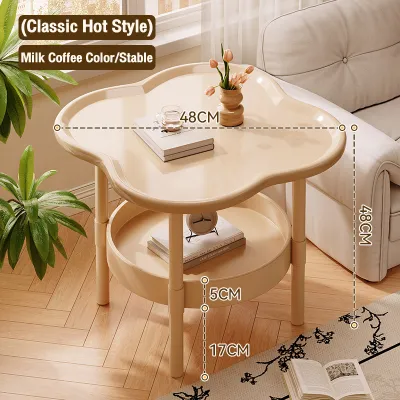
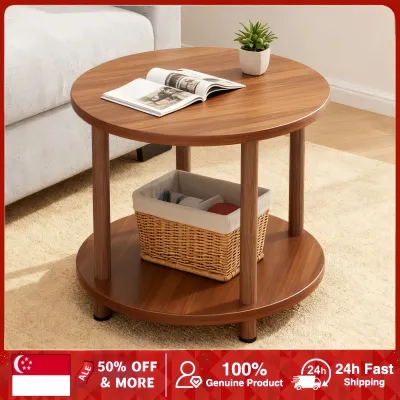
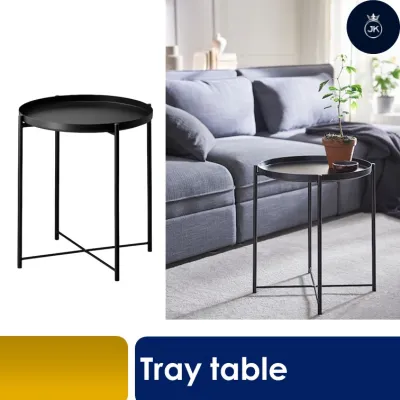
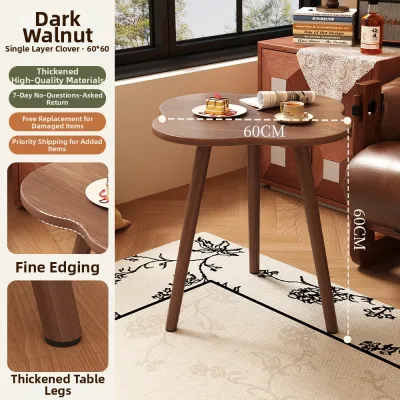
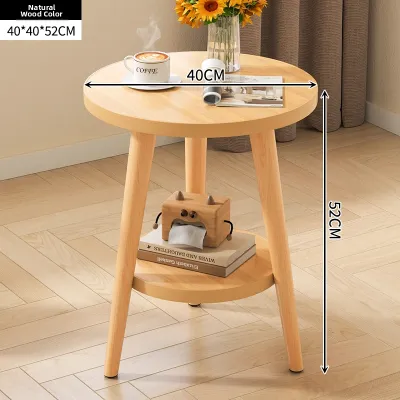
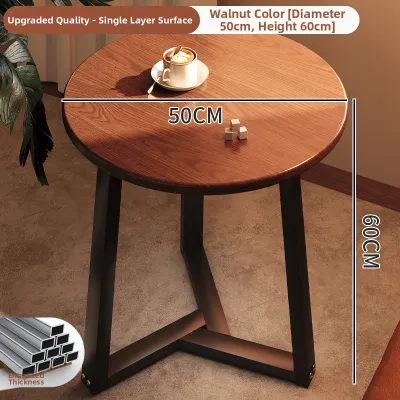
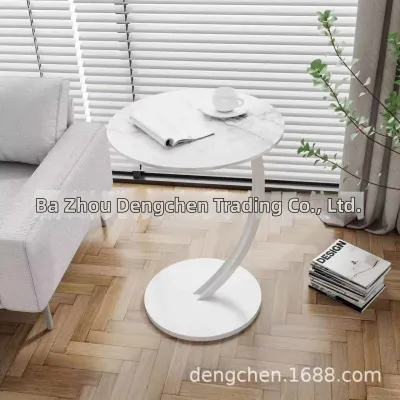
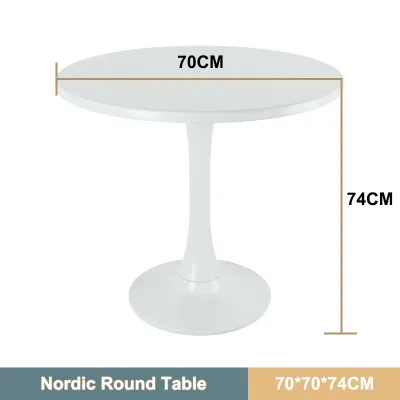
Prices are valid at publication and may change. Please refer to the product page for the latest price.
From a visual perspective, the continuous curve of a round tabletop tricks the eye into perceiving more open floor space. Because the corners are carved away, more of the rug or flooring remains visible beneath and around the table. This simple optical effect instantly makes a small room feel less cramped and more inviting.
Matching Coffee Table Styles to Your Living Room Aesthetic
Selecting a coffee table style is not just about matching colors; it is about managing how much visual space the piece occupies. Different design movements offer unique ways to keep a compact living room looking organized and open.

Scandinavian and Minimalist Designs
Scandinavian designs are characterized by light-toned woods like oak or ash, matte finishes, and clean, unadorned silhouettes. These designs are highly effective for rooms with limited natural light or lower ceilings, as the pale wood tones reflect light rather than absorbing it. The simplicity of a minimalist round table ensures it blends into the background rather than demanding attention.
When choosing a Scandinavian piece, always check the wood tone against your existing laminate, vinyl, or parquet flooring. Matching the undertones—whether warm, cool, or neutral—creates a cohesive look that visually expands the room. Avoid heavy, solid-sided wooden drums, opting instead for tables with slender, tapered legs.
Modern and Mid-Century Modern
Modern and mid-century modern styles feature tapered legs, organic curves, and richer wood finishes like walnut or warm teak. These designs are excellent for adding organic warmth to neutral or contemporary condominium interiors. The iconic splayed legs of mid-century furniture create an airy base that lets light pass through.
To keep the footprint small, verify that the leg spread does not flare out wider than the tabletop diameter. A wide leg stance can easily become a tripping hazard in tight spaces. Look for designs where the legs remain tucked neatly beneath the tabletop surface.
Industrial and Mixed Materials
Utilizing slim metal frames paired with glass or thin stone tops, industrial styles excel at creating an airy, transparent feel. The open-frame structure allows light to pass straight through the table, making the furniture almost disappear visually. This style works well in modern apartments that favor clean lines and metallic accents.
However, you should avoid heavy, solid metal drum bases or thick, dark distressed wood slabs. These elements visually anchor and shrink the room by blocking the line of sight. Instead, look for thin powder-coated steel frames paired with a clear glass or light-colored ceramic top.
How to Measure Your Space for the Right Proportions
To ensure your small round coffee table functions well without crowding the room, you must measure your layout carefully before purchasing. The first step is calculating the ideal table diameter based on your sofa’s length. As a general rule, the diameter of a round coffee table should be between one-half and two-thirds of your sofa’s total seating width. For example, if your sofa seating area is 150cm wide, look for a table with a diameter between 75cm and 100cm.
Next, consider the clearance distance around the table. To move comfortably around the seating area, maintain a clearance of 30cm to 45cm between the edge of the sofa cushions and the edge of the coffee table. This provides enough legroom to sit comfortably while keeping the table close enough to reach for a drink or a book. If your living room is exceptionally narrow, aim for the lower end of this range, but try not to drop below 30cm.
Finally, check the height of the table relative to your sofa’s seat cushion. For optimal ergonomics, the tabletop should sit at the same height as your sofa cushions or up to 5cm lower. A table that is too high will block your line of sight and feel imposing, while one that is too low requires awkward bending to use.
Managing Visual Weight Through Materials and Base Designs
Visual weight refers to how heavy an object looks, regardless of its actual physical weight. In a compact living room, managing this visual weight is crucial to maintaining an open atmosphere. Materials like clear glass and acrylic have almost zero visual weight, making them excellent choices for the smallest spaces. Light-colored woods and thin metal frames also keep the look breezy, whereas dark stone, solid marble, or thick concrete tops carry heavy visual weight and should be used sparingly.
The base design of the table plays an equally important role. A pedestal base is highly efficient because it centralizes the support structure, leaving maximum legroom and floor space visible around the table. Hairpin legs offer a retro, airy aesthetic that lets light pass through effortlessly. Multi-leg configurations can also work, provided the legs are slim and tapered; however, avoid complex, crisscrossed leg designs that create visual clutter near the floor.
Additionally, look for finishes that reflect light. A satin wood finish, a polished stone top, or a metallic frame can bounce ambient light around the room, subtly enhancing the sense of spaciousness.
Placement and Clearance Rules for Small Floor Plans
In compact HDB and condo layouts, standard furniture placement rules often need adjustment. Instead of centering the coffee table in the exact middle of the living room, center it relative to the main seating area. This ensures that the table remains functional for those sitting on the sofa, even if the overall layout is asymmetrical.
For multi-functional spaces, such as open-concept living and dining areas, choose a table that can easily be shifted. If you frequently need to clear the floor for exercise, play, or hosting guests, a lightweight round table can be moved to the side of the room without disrupting the flow.
If your floor plan is extremely constrained, consider nesting tables or C-tables as alternatives. Nesting tables allow you to tuck the smaller table under the larger one when not in use, expanding your surface area only when needed. C-tables slide over the arm of the sofa, requiring virtually no floor space in front of the seating area.
Frequently Asked Questions (FAQ)
Can a small round coffee table work with a large sectional sofa?
Yes, a small round coffee table can work with a large sectional, but you must consider the reach from the corner seats. Because sectionals have an L-shape, guests sitting in the deep corner may find it difficult to reach a single, centrally placed round table. To solve this, you can pair the round table with a matching side table, or use a set of nesting tables that can be separated and placed at different ends of the sectional when hosting.
Are glass coffee tables safe for homes with young children?
Glass tables can be used in family homes, but they require specific safety checks. Always verify that the product specifications state the use of tempered or laminated safety glass, which is designed to resist impacts and crumble into dull pieces rather than sharp shards if broken. Additionally, inspect the edge treatments to ensure they are rounded or beveled rather than sharp, and choose a sturdy, wide-set base that prevents the table from tipping over if a child leans on the edge.
Community discussion
Share your experience or ask a question. Comments are reviewed before publication.