
Maximising space in compact living environments requires smart, functional furniture choices. When floor space is limited, a small hanging rack serves as an essential organizational tool for entryways, bedrooms, and narrow hallways. However, choosing the right brand and model involves navigating a wide range of price points and construction standards. A rack that looks perfect in an online catalog might wobble under the weight of a few heavy bags or deteriorate quickly in a humid climate.
Understanding the relationship between price and build quality is key to making an investment that lasts. While some shoppers prioritize low upfront costs, others look for premium materials that withstand daily wear and tear. By evaluating the structural elements, material properties, and assembly methods of different brand categories, you can identify which option offers the best value for your specific household needs.
Quick Answer: Finding the Best Small Hanging Rack for Your Budget
The ideal brand for a small hanging rack depends entirely on the trade-off between your budget constraints and your long-term structural requirements. There is no single brand that suits every household, as different manufacturing philosophies cater to distinct user needs. Mass-market flat-pack brands offer the lowest entry prices but often compromise on joint stability, using thinner materials that can degrade under heavy, daily use over several years.
Products mentioned in this guide
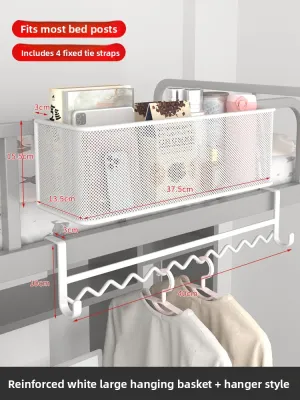
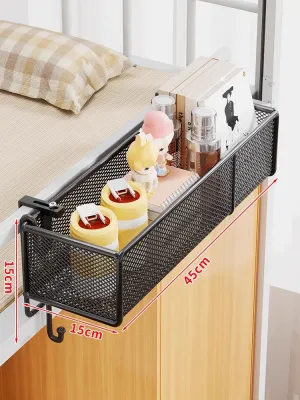
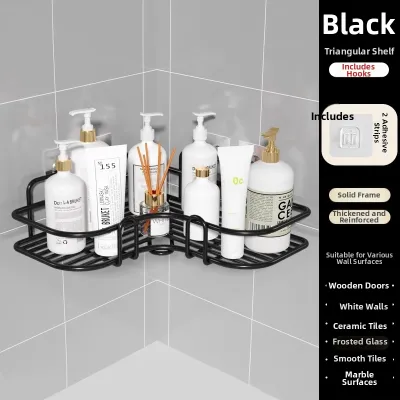

Prices are valid at publication and may change. Please refer to the product page for the latest price.
Conversely, specialty minimalist and lifestyle brands charge a premium for solid hardwoods, thicker metal frames, and refined finishes. These premium options are designed to serve as focal points in your home while maintaining structural integrity. For utilitarian spaces where aesthetics are secondary to raw strength, heavy-duty commercial brands offer maximum weight capacities at a mid-range price point.
To make the right choice, consider your specific use case. Choose mass-market options for temporary living arrangements, guest rooms, or light-duty storage of items like scarves and hats. Opt for specialty or heavy-duty brands if you require a daily-use organizer for heavy bags, damp rain gear, or heavy outerwear, especially in high-traffic entryways of compact Singaporean homes.
What Actually Defines Build Quality in Small Hanging Racks?
To evaluate a small hanging rack objectively, you must look beyond brand names and marketing claims. Build quality is determined by verifiable physical characteristics, including material composition, joint engineering, and overall stability. Understanding these metrics allows you to assess any rack’s durability before making a purchase.

Materials and Environmental Resilience The base material of a hanging rack dictates its strength and lifespan. Solid hardwoods like oak, rubberwood, and beech offer excellent natural density and resistance to bending. These woods hold screws securely and are less prone to stripping at connection points. In contrast, engineered woods such as medium-density fibreboard (MDF) or particleboard are highly susceptible to moisture absorption. In humid tropical climates like Singapore, unsealed engineered wood can swell, warp, and grow mold if exposed to damp towels or high ambient humidity.
When evaluating metal racks, pay close attention to the alloy and finish. Thin-walled aluminum is lightweight and rust-resistant but bends easily under concentrated loads. Powder-coated steel is the preferred choice for durable metal frames. The powder-coating process creates a thick, baked-on barrier that resists scratches, chipping, and rust far better than standard wet paint. Always check the manufacturer’s specifications for the thickness of the metal tubing; a wall thickness of 1.2mm or greater indicates a sturdy, commercial-grade frame.
Joints, Fasteners, and Hardware The joints of a hanging rack bear the brunt of daily physical stress. In flat-pack furniture, manufacturers often use cam lock fasteners or direct-thread wood screws. While these components lower manufacturing costs, they tend to loosen over time as the rack is loaded and unloaded. Direct screws into engineered wood are particularly fragile; if the joint wobbles and is tightened repeatedly, the wood fibers strip, permanently compromising the structure.
High-quality wooden racks utilize threaded metal inserts embedded within the wood. This allows metal bolts to secure the joints, creating a highly stable metal-to-metal connection that can be tightened indefinitely without damaging the wood. For metal racks, fully welded joints offer the highest level of stability, eliminating the risk of loosening hardware. If the rack requires assembly, look for models that use heavy-duty hex bolts and locking washers rather than simple hand-tightened screws.
Stability, Footprint, and Floor Protection A small hanging rack must balance a compact footprint with a low center of gravity to prevent tipping. Freestanding racks require a weighted base or a wide, stable leg configuration to offset the leverage of items hung near the top. A cast-iron or heavy steel base plate provides excellent stability without taking up excessive floor space. Tripod or four-legged bases should have a wide enough stance to distribute weight evenly, preventing the rack from tilting when loaded on only one side.
The contact points between the rack and your floor are also critical. Hard plastic feet can scratch delicate flooring materials like luxury vinyl tiles (LVT) or polished parquet. Look for racks equipped with soft rubber caps, felt pads, or adjustable leveling feet. Leveling feet are particularly valuable for compensating for minor floor unevenness, ensuring the rack remains perfectly vertical and stable on tiled surfaces.
Comparing Brand Categories: Price Tiers and Quality Trade-offs
To simplify your search, hanging rack brands can be grouped into three distinct categories based on their manufacturing standards, design philosophies, and price points. Each category serves a specific market segment and involves clear trade-offs.
Mass-Market and Flat-Pack Brands
Mass-market flat-pack brands dominate the entry-level segment, with prices typically ranging from S$15 to S$50 in Singapore. These brands focus on high-volume production, flat packaging for easy transport, and straightforward self-assembly. They are widely accessible online and in major home furnishing retail stores.
To achieve these low price points, manufacturers rely on lightweight materials, such as thin-walled steel tubes, plastic corner connectors, and engineered wood shelving. The finishes are often paper foil laminates or thin paint coats that can chip if struck by metal coat hangers or bag buckles. While these racks are highly convenient and easy to assemble, their structural integrity is limited. The plastic connectors can become brittle over time, and the joints may begin to wobble under heavy loads. They are best suited for light, low-impact storage in guest bedrooms or temporary rentals.
Specialty Minimalist and Lifestyle Brands
Specialty minimalist and lifestyle brands target design-conscious consumers who view furniture as a long-term investment. Prices in this category generally range from S$80 to S$250 or more. These brands place a heavy emphasis on aesthetic appeal, space-saving profiles, and premium materials that complement modern interior design themes like Scandinavian, Japandi, or industrial chic.
These manufacturers typically use solid hardwoods, thick powder-coated steel, and high-grade brass hardware. The construction features concealed fasteners, seamless welded joints, and hand-sanded wood finishes that feel premium to the touch. Because these brands design specifically for compact urban living, their small hanging racks often feature ultra-slim profiles, wall-leaning designs, or multi-functional elements like integrated shoe benches. The primary trade-off is the higher upfront cost, but this is offset by superior durability, better resistance to tropical humidity, and a refined appearance that enhances your home’s entryway.
Heavy-Duty and Commercial-Style Brands
Heavy-Duty and commercial-style brands prioritize utility, strength, and longevity over delicate aesthetics. Prices generally fall into a moderate mid-range tier, typically between S$50 and S$150. These brands cater to users who need to store heavy gear, large winter wardrobes, or damp outerwear without worrying about structural failure.
The hallmark of this category is the use of industrial-grade materials, such as thick steel pipes, threaded iron fittings, and reinforced steel crossbars. The joints are often fully welded or secured with heavy-duty industrial bolts. These racks are built to withstand significant physical abuse and carry much higher weight capacities than mass-market or minimalist options. While they lack the soft, warm aesthetic of wooden minimalist racks, they offer unmatched stability and durability. They are ideal for placement in service yards, utility closets, or entryways where functional strength is the primary requirement.
Side-by-Side Evaluation Checklist for Shoppers
When comparing different models online or in physical showrooms, use this structured checklist to evaluate their construction features and determine if the price aligns with the build quality.
| Feature | Mass-Market Flat-Pack | Specialty Minimalist | Heavy-Duty / Industrial |
|---|---|---|---|
| Typical Materials | Thin steel tubes, plastic connectors, MDF | Solid hardwood, thick powder-coated steel | Industrial steel pipes, iron fittings |
| Joint Construction | Direct screws, plastic push-fits, cam locks | Threaded metal inserts, welded joints | Threaded iron joints, heavy-duty bolts |
| Base Stability | Lightweight, prone to tipping if overloaded | Weighted base plates or wide engineered legs | Wide, heavy-duty base, often with casters |
| Aesthetic Finish | Basic paint, paper foil laminates | Premium powder coating, hand-sanded wood | Raw metal, industrial matte black/chrome |
| Best Use Case | Temporary rentals, light-duty bedroom storage | Main entryways, modern living rooms, tight spaces | Heavy winter wear, backpacks, utility rooms |
| Price Range (SGD) | S$15 – S$50 | S$80 – S$250+ | S$50 – S$150 |
Keep this table handy when reading product descriptions on online marketplaces or inspecting floor models in local furniture showrooms. Verifying these physical attributes will help you avoid overpaying for a rack that may not meet your structural needs.
Decision Framework: Which Brand Type Fits Your Space and Budget?
Selecting the right small hanging rack requires matching the brand category to your household’s specific physical space, usage habits, and budget. Use the following guidelines to make an informed decision.
Choose Mass-Market Brands if:
- Your budget is strictly limited, and you need an immediate, low-cost organizational solution.
- The rack will be used exclusively for light accessories, such as hats, keys, umbrellas, and summer jackets.
- You live in a temporary rental property and prefer lightweight furniture that is easy to transport or discard when moving.
Choose Specialty Minimalist Brands if:
- The rack will be placed in a highly visible area, such as your main entryway, where it must match your home's interior design.
- You have a very narrow hallway or compact foyer that requires a slim, space-saving silhouette to avoid blocking walkways.
- You value premium tactile details, such as smooth solid wood finishes and concealed hardware.
Choose Heavy-Duty Brands if:
- You need to hang heavy items daily, such as loaded backpacks, motorcycle jackets, or thick winter coats.
- The rack will be placed in a utility room, service yard, or garage where aesthetic integration is secondary to raw load capacity.
- You want a highly durable piece of furniture that will not wobble, bend, or require replacement for many years.
Verify First if You Choose Wall-Mounted Options: If you decide on a wall-mounted small hanging rack to save floor space, you must verify your wall type before installation. Singapore HDB flats typically feature solid concrete or precast internal walls. Mounting a rack to concrete requires a rotary hammer drill, masonry drill bits, and high-quality plastic wall plugs to ensure the screws hold securely under load.
Conversely, if you are mounting onto drywall partition walls—which are common in newer condominium units or customized home renovations—standard wall plugs will not suffice. Drywall lacks the structural density to support heavy hanging loads directly. You must locate the wooden or metal studs behind the drywall using a stud finder, or use specialized hollow-wall anchors (such as toggle bolts). Always consult the manufacturer’s installation manual and, if you are unsure of your wall’s load-bearing capacity, seek professional handyperson assistance to prevent structural damage or injury.
Frequently Asked Questions (FAQ)
Are wall-mounted hanging racks safer than freestanding ones in small spaces?
Wall-mounted hanging racks are generally safer in tight or high-traffic areas because they completely eliminate the risk of tipping over. Because they are anchored directly to the wall, they do not occupy valuable floor space, reducing tripping hazards in narrow entryways. However, their safety is entirely dependent on the quality of the installation. A wall-mounted rack that is poorly anchored into drywall can pull away from the wall under load, causing significant damage and safety hazards. Ensure you use the correct anchors and follow the manufacturer’s weight guidelines.
How can I prevent a small freestanding rack from tipping over?
To prevent a freestanding rack from tipping, always load it from the bottom up. Hang your heaviest items, such as heavy bags, coats, or umbrellas, on the lowest hooks or shelves to keep the overall center of gravity as low as possible. Avoid hanging all your items on one side of the rack; distribute the weight evenly around the frame. Finally, ensure the rack is placed on a flat, level surface, and utilize adjustable leveling feet or non-slip rubber pads to prevent the base from sliding or wobbling on smooth tile or vinyl floors.
Community discussion
Share your experience or ask a question. Comments are reviewed before publication.