
Protecting your home’s flooring from the daily wear of sliding chairs is a simple yet critical maintenance task. Every time a chair is moved, the friction between the leg and the floor can cause micro-scratches, deep gouges, or unsightly scuff marks. Over time, these minor damages accumulate, leading to costly floor repairs or refinishing projects. Choosing the right chair leg protector is the most effective way to prevent this damage, but finding the perfect match for your furniture and lifestyle requires a closer look at how different styles perform.
The three primary options available are slip-on caps, adhesive pads, and sock covers. While all three create a barrier between the furniture leg and the floor, they rely on completely different attachment mechanisms, materials, and designs. A protector that works beautifully on a heavy wooden dining chair might fail on a slender metal bar stool, just as a protector designed for smooth tile floors might cause issues on textured vinyl or delicate hardwood.
To make an informed decision, you must evaluate how these protectors handle lateral movement, how they look once installed, and how well they match the specific dimensions of your furniture. By understanding the mechanical differences and practical trade-offs of slip-on caps, adhesive pads, and sock covers, you can select a solution that keeps your floors pristine while maintaining the stability of your seating.
Products mentioned in this guide
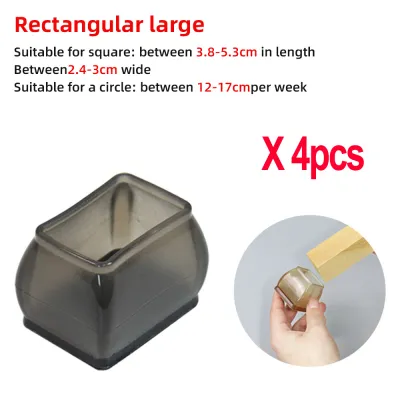
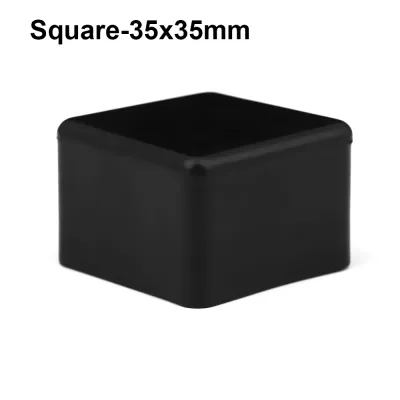
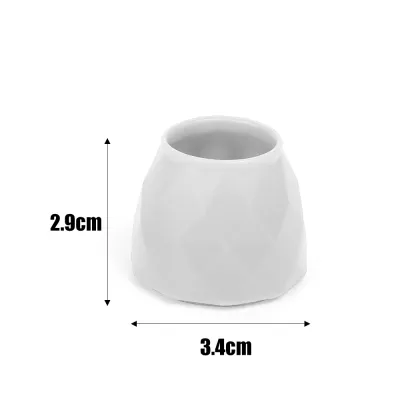
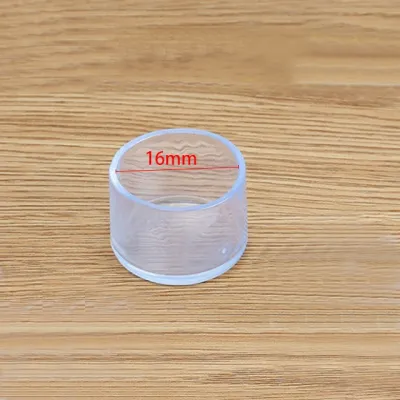
Prices are valid at publication and may change. Please refer to the product page for the latest price.
How Each Attachment Style Works
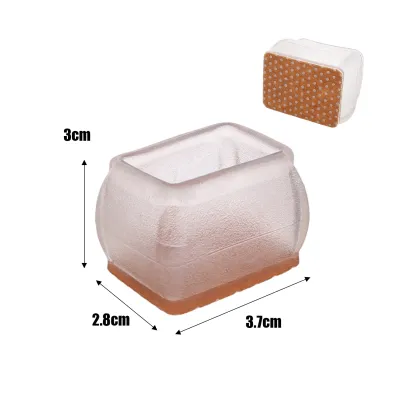
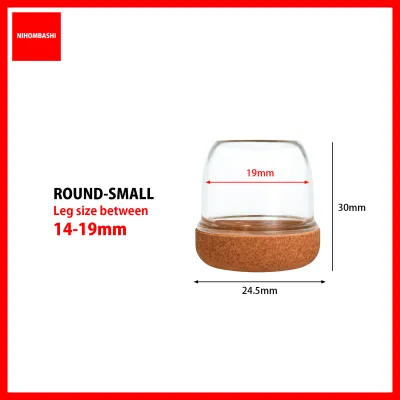
Slip-on caps are molded sleeves, typically made of flexible rubber or silicone, designed to stretch over the bottom of the chair leg. They wrap around the lower perimeter of the leg, utilizing material tension and friction to stay securely in place. The base is usually reinforced with a thicker layer of rubber or an integrated felt pad to absorb impact and resist wear. Because they cover the bottom few centimeters of the leg, they provide a secure physical barrier that cannot easily slide off during lateral movement.
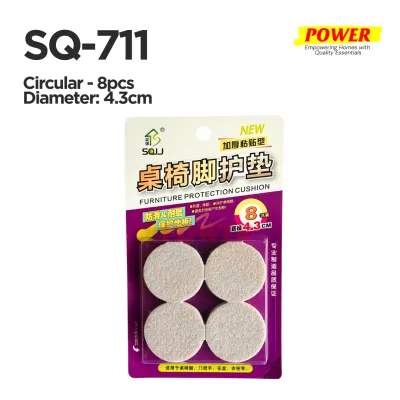
Adhesive pads are flat discs or strips that stick directly to the bottom surface of the chair leg. These pads are constructed from dense felt, solid rubber, or a hybrid combination of both, with one side coated in a high-strength adhesive backing. To install them, peel off the protective paper and press the sticky side firmly against the flat underside of the leg. Because they do not wrap around the sides of the leg, they remain completely hidden from view when the chair is upright, preserving clean furniture lines.
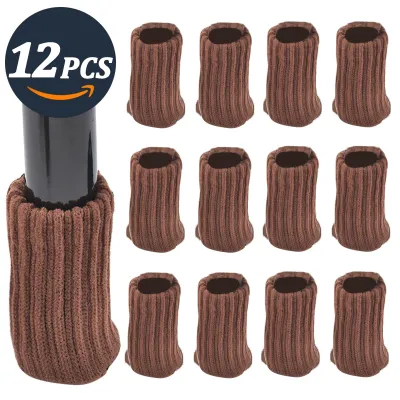
Sock covers combine a knitted or woven fabric sleeve with a rubberized or felt base. These protectors function like socks for your furniture, slipping over the leg and staying upright due to the elastic tension woven into the fabric. The bottom of the sock is typically coated with a durable rubberized pattern or fitted with a solid rubber pad to provide grip and prevent the fabric from wearing through. This design offers a soft, flexible fit that easily conforms to various leg shapes while providing a cushioned barrier.
Comparing Stability, Floor Protection, and Aesthetics
When evaluating stability, slip-on caps offer the most reliable performance under heavy use. Because the sleeve grips the sides of the chair leg, the protector remains firmly attached even when the chair is subjected to significant lateral force, such as when sliding back from a dining table. In contrast, adhesive pads are vulnerable to shearing forces. Over time, constant sliding can cause the adhesive to shift, leading to the pad sliding off-center, exposing the bare leg, and leaving a sticky residue on your floor. Sock covers offer moderate stability; while they do not slide off the bottom, the fabric can stretch out over time, causing the socks to slip down or bunch up.

Floor protection and noise reduction depend heavily on the protector’s base material. Thick rubber bases, common in slip-on caps, excel at absorbing impact and preventing chairs from sliding too quickly on slick surfaces. However, soft or dark rubber can leave scuff marks on light-colored tiles or vinyl if dragged forcefully. Hybrid adhesive pads with a felt face glide silently across hardwood floors, making them ideal for noise-sensitive households. Sock covers also provide exceptional noise dampening, as the soft fabric sleeve prevents clattering sounds, while the rubberized bottom ensures the chair does not slide uncontrollably.
Aesthetics are a major consideration, and the three types offer vastly different visual profiles. Adhesive pads are ideal for minimalist or formal spaces, as they are completely concealed beneath the chair leg. Slip-on caps are visible, wrapping around the bottom of the leg; even clear silicone caps can catch the light or accumulate dust inside the sleeve, making them noticeable. Sock covers are highly conspicuous and add a distinct, casual look to a room. While some appreciate the playful touch of patterned furniture socks, they may clash with modern or formal interior designs.
Matching Protectors to Your Chair Legs and Floors
Selecting the right protector requires assessing your chair leg shapes and dimensions. Slip-on caps are highly shape-specific, designed to fit precise round or square profiles. If your chair legs are hexagonal, rectangular, or highly tapered, finding a slip-on cap that fits snugly without tearing can be challenging. Adhesive pads offer far greater versatility. Because they are flat, they can be easily trimmed with scissors to match any irregular shape, angled bottom, or thin metal leg, providing a custom fit regardless of the furniture’s design.
Before purchasing, check the manufacturer’s specifications regarding leg diameter limits and load-bearing capacities. Heavy wooden dining chairs or reclining armchairs exert substantial downward pressure. If you install a thin, low-quality silicone cap on a heavy chair, the sharp edges of the leg can quickly cut through the material. Ensure the protector you select is rated for the weight of your furniture and that you have measured the leg dimensions accurately using a caliper or tape measure.
Floor type compatibility is another critical factor. Different rubber compounds and protector materials interact uniquely with various flooring surfaces. For instance, soft rubber bases provide excellent grip on ceramic tiles but can stick too firmly to polished concrete or vinyl planks, making chairs difficult to move. Conversely, felt-bottomed protectors glide effortlessly on hardwood but can trap grit and pet hair, which can scratch delicate wood finishes if not cleaned regularly. Always refer to both your flooring manufacturer’s care instructions and the protector’s product labels to ensure compatibility.
Decision Framework: Which Type Should You Choose?
To simplify your selection process, you can use a conditional decision framework based on your specific household priorities, furniture styles, and flooring types.
Choose slip-on caps if your chairs have standard round or square legs, are subjected to heavy daily use, and you prioritize long-term durability over complete invisibility. They are particularly well-suited for straight-legged dining chairs on tile or laminate floors, where their secure grip prevents them from peeling off under constant movement.
Choose adhesive pads if your furniture features angled, tapered, or highly irregular legs that cannot accommodate a sleeve, or if you want to preserve the clean, uninterrupted aesthetic of high-end wood or metal furniture. They are the ideal choice for formal dining rooms or minimalist spaces where visible protectors would detract from the room’s design.
Choose sock covers if your primary goal is noise reduction, such as in a home office, a child’s playroom, or a multi-story apartment where sliding chairs disturb neighbors below. They are also excellent if you prefer a washable, easily replaceable option and enjoy a cozy, casual aesthetic.
Before making a final purchase, always verify the environment in which the chairs will be used. If your chairs are placed in high-moisture areas like kitchens, bathrooms, or covered patios, or if they are heavily used and frequently dragged, adhesive backings are highly likely to fail quickly. In these demanding conditions, mechanical slip-on caps or durable sock covers are generally the more reliable choice.
Installation and Long-Term Maintenance Checks
Proper installation and routine maintenance are vital to ensure your chair leg protectors function safely and protect your floors effectively. For adhesive pads, thorough surface preparation is the key to longevity. Clean the bottom of the chair leg with a damp cloth and mild detergent to remove dust, grease, or old wax. Scrape off any old adhesive residue completely. Allow the surface to dry entirely before peeling the backing and pressing the new pad firmly into place, applying pressure for a few seconds to activate the bond.
Once installed, perform a quick fit verification check. For slip-on caps and sock covers, ensure there are no gaps between the bottom of the chair leg and the inside base of the protector. A loose fit can cause the protector to wobble, stretch out prematurely, or trap abrasive dust and grit underneath. If grit becomes trapped inside a loose cap, it will act like sandpaper against your floor every time the chair moves, defeating the purpose of the protector.
Finally, establish a routine inspection schedule every few months. Examine the protectors for signs of wear, such as rubber cracking, flattening of felt layers, peeling adhesive edges, or accumulated pet hair and debris. Rubber can degrade and harden over time, losing its protective elasticity. If you observe any degradation, replace the protectors immediately to prevent the hard edges of the chair legs from making direct contact with your floors.
Frequently Asked Questions (FAQ)
Can I use rubber chair leg protectors on outdoor furniture?
Standard indoor rubber chair leg protectors are not designed to withstand outdoor environmental conditions. Exposure to direct sunlight and ultraviolet (UV) radiation can cause standard rubber to dry out, crack, and degrade rapidly, while rain and humidity can break down adhesive backings or cause mold to grow inside sock covers. Before using protectors outdoors, check the manufacturer’s labels specifically for outdoor suitability, UV resistance, and weatherproofing. If you notice the material becoming brittle, sticky, or discolored, stop use immediately to prevent staining or damaging your patio surface.
How do I remove adhesive residue left by chair leg pads?
When adhesive pads shift or wear out, they often leave a sticky, stubborn residue on the bottom of the chair leg or on the floor itself. To clean this residue safely without damaging the furniture finish or flooring, use a mild solvent such as rubbing alcohol, mineral oil, or a dedicated adhesive remover applied to a soft microfiber cloth. Gently rub the sticky area until the residue dissolves and lifts away. Always test the solvent on a small, inconspicuous area of the chair leg or floor first to ensure it does not strip the paint, varnish, or protective sealant, and stop immediately if you observe any discoloration or surface damage.
Community discussion
Share your experience or ask a question. Comments are reviewed before publication.