
Finding the right entrance shoe cabinet for a compact Singapore home requires balancing a slim physical footprint with practical storage capacity. In many HDB flats and condominiums, the entryway is a narrow corridor where every centimeter counts. Choosing the wrong cabinet can block your front door, restrict foot traffic, or fail to fit your footwear collection. By focusing on precise spatial measurements, smart internal configurations, and secure installation methods, you can keep your entryway organized and welcoming.
Assessing Your Entryway Space and Clearance
Before browsing online marketplaces or visiting local furniture showrooms, you must establish the exact physical boundaries of your entryway. Use a metal measuring tape to record the maximum width, depth, and height available for the cabinet. Do not rely on floor plans alone, as actual built dimensions often vary slightly due to plastering and construction tolerances.
Pay close attention to architectural details that might obstruct a flush installation. Look for skirting boards along the base of the wall, which can push the top of a tall cabinet forward if not accounted for. Check the placement of electrical outlets, light switches, fiber termination points, and distribution boards to ensure the cabinet will not block access to essential utilities.
Products mentioned in this guide
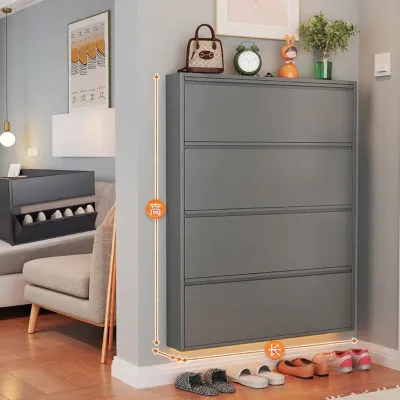
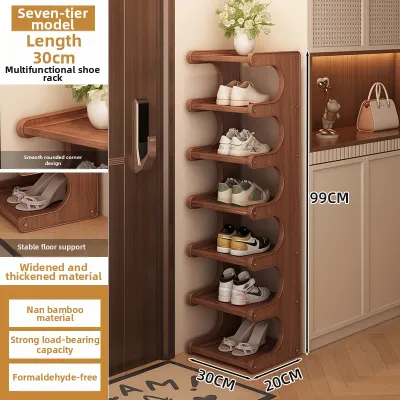
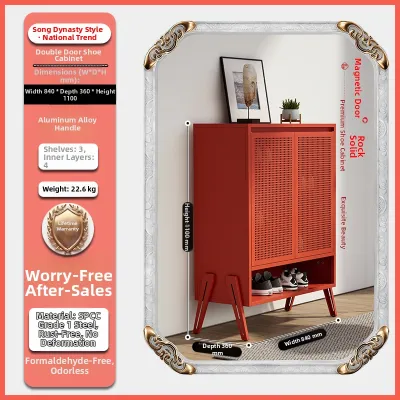
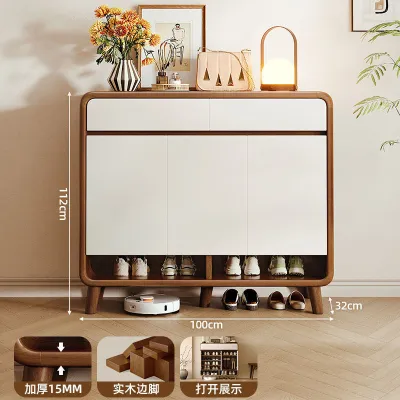
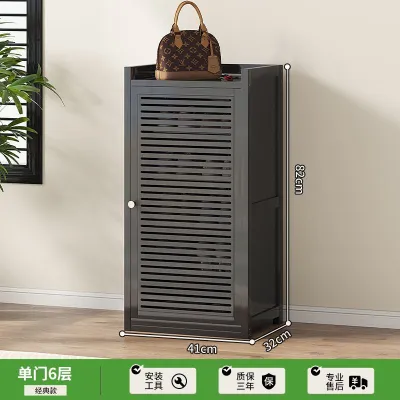
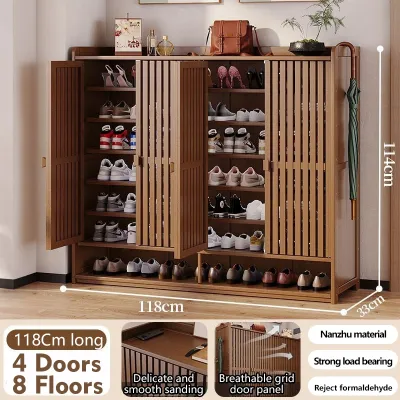
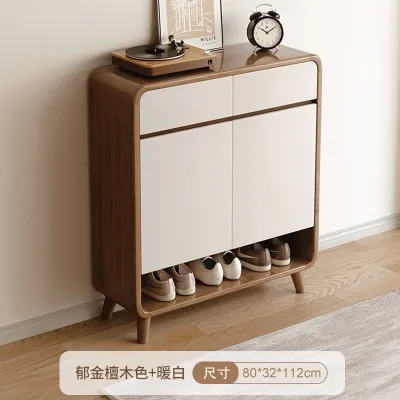
Prices are valid at publication and may change. Please refer to the product page for the latest price.
The swing radius of your main door is a critical factor that dictates the maximum depth of your furniture. Open your front door fully and measure the clearance between the door edge and the adjacent wall. If you have a metal gate installed outside, ensure its lock mechanism or handle does not strike the cabinet when opened inward.
Do not forget to plan for the delivery and assembly process. Measure the height and width of your home’s entryway door, as well as the dimensions of your building’s lift and stairwells. Ensuring that a fully assembled cabinet or its flat-pack packaging can safely clear these entry points prevents costly delivery failures or returns.
For those living in HDB estates or private condominiums, communal space regulations must guide your planning. Singapore’s fire safety guidelines require a minimum clear escape passage along common corridors, typically at least 1.2 meters wide. Placing bulky furniture outside your unit can lead to warnings or fines from town councils or estate management, making an indoor, slim-profile cabinet the safest and most compliant choice.
Balancing Slim Profiles with Storage Capacity
Standard shoe cabinets usually feature a depth of 30 to 35 centimeters, which allows shoes to sit flat on horizontal shelves. However, in a narrow entryway, this depth can severely restrict the walkway. To save space, look for ultra-slim tilt-out designs, which store shoes vertically or at an angle, reducing the external cabinet depth to as little as 15 to 20 centimeters.

While tilt-out cabinets offer an exceptionally slim profile, they introduce specific compatibility limits regarding shoe sizes and styles. High-top sneakers, platform heels, and boots may not fit within the narrow tilting compartments. Before purchasing, check the manufacturer’s specified maximum shoe size and internal compartment height to ensure your household’s footwear will actually fit.
If you have a large shoe collection but limited floor depth, vertical storage is your most effective strategy. A tall, narrow cabinet that extends upward utilizes underused wall space without expanding the footprint. Look for models with adjustable or removable internal shelves, which allow you to customize the height of individual compartments to accommodate both flat sandals and taller footwear.
You can also maximize a slim cabinet’s capacity by using space-saving accessories like shoe slots or stackers. These small organizers allow you to stack one shoe directly above its pair, effectively doubling the storage capacity of a single flat shelf. This is particularly useful for low-profile footwear like flats, sandals, and slippers.
When evaluating storage capacity, do not rely solely on generic claims like “holds 20 pairs.” This estimate is often based on small, flat shoes. Instead, measure the width of your typical footwear pairs and compare them to the internal shelf width to calculate how many pairs can realistically sit side-by-side on each level.
Ensuring Stability and Safety for Tall, Slim Cabinets
Tall, slim cabinets inherently possess a high and narrow center of gravity, making them susceptible to tipping forward when multiple drawers or tilting compartments are opened simultaneously. This risk increases significantly when the top compartments are loaded with heavy shoes while the bottom shelves remain empty.
To prevent tipping hazards, secure the cabinet directly to the wall behind it. Most reputable manufacturers supply wall-anchoring kits, which may include brackets, straps, or direct-mount screws. Always inspect your wall type before installation; concrete or brick walls common in Singapore HDB flats require masonry wall plugs, while drywall partitions in some condos require specialized toggle bolts.
Examine the physical base of the cabinet for structural stability. Models with a recessed base or a cutout at the back can sit flush against the wall over your skirting boards, which improves stability by eliminating the gap between the cabinet and the wall. Avoid placing heavy decorative items on top of a slim cabinet, as this further compromises its center of gravity.
Regularly inspect your cabinet for structural warning signs that indicate a safety risk. If you notice the cabinet wobbling when opened, the doors or drawers becoming misaligned, or a slight forward lean, stop using the unit immediately. Check the wall anchors to ensure they have not pulled loose, and tighten any loose joints or hardware before resuming use.
Materials, Door Styles, and Daily Usability
The mechanism you choose for accessing your shoes directly impacts how easily you can move through your entryway. Traditional swing doors require significant clearance in front of the cabinet, which can block the corridor entirely when open. Sliding doors, bi-fold doors, or open-front racks are excellent alternatives that allow you to retrieve shoes without obstructing the walkway.
You must also decide between a floor-standing cabinet and a wall-mounted floating design. Floating cabinets leave the floor underneath completely clear, which makes cleaning easier and provides a convenient spot to tuck away everyday slippers. However, floating units have strict load capacity limits and must be anchored to a solid, load-bearing wall to prevent structural failure.
Singapore’s warm, humid climate presents unique challenges for enclosed shoe storage. Dark, unventilated spaces can trap moisture from sweaty or rain-soaked shoes, leading to mold growth and unpleasant odors. Look for cabinets featuring ventilated doors, such as those with louvers, mesh panels, or cut-out handles that promote natural airflow.
When selecting materials, prioritize finishes that are easy to clean and maintain in a high-traffic zone. While solid wood offers a classic look, it requires careful humidity control to prevent warping. Engineered wood with a high-quality melamine or laminate finish provides excellent resistance to daily scuffs and is easy to wipe down with a damp cloth, though you should check the manufacturer’s care instructions to avoid water damage at the joints.
Consider the assembly and installation requirements before making your final decision. Flat-packed cabinets require careful assembly to ensure all panels are square and stable, which is crucial for the smooth operation of tilt-out mechanisms. If you are not confident in your DIY skills, check if the retailer offers professional assembly and wall-mounting services to guarantee a safe and secure setup.
Frequently Asked Questions (FAQ)
How do I prevent odors in a closed, slim shoe cabinet?
To maintain a fresh entryway, never place wet or damp shoes directly into a closed cabinet. Allow your footwear to air out in an open space for at least a few hours after wearing them. You can also place active charcoal bags, silica gel packs, or commercial moisture absorbers inside the compartments to capture excess humidity and neutralize odors. Regularly wiping down the interior shelves with a mild disinfectant and leaving the cabinet doors open during dry days will also help prevent mold buildup.
Can I place a shoe cabinet outside my HDB or condo unit door?
Before placing any furniture in the common corridor, you must consult your town council’s guidelines or your condominium’s management corporation (MCST) rules. In Singapore, fire safety regulations strictly prohibit any obstruction that reduces the common corridor’s clear width to less than 1.2 meters. Even if your corridor meets this requirement, some estates ban external shoe cabinets entirely to maintain aesthetic consistency and prevent fire hazards, so always verify the local rules first.

Community discussion
Share your experience or ask a question. Comments are reviewed before publication.