
Choosing between a sleeping chair and a lounger for your living room comes down to how you plan to use the piece and the physical limits of your floor plan. While both options promise a dedicated spot to unwind, they serve fundamentally different purposes in terms of posture, spatial footprint, and mechanical versatility. A sleeping chair is a compact, mechanically adjustable seat designed to transition from an upright position to a completely flat or near-flat surface. In contrast, a lounger is a longer, often fixed or slightly adjustable chaise-style seat designed for semi-reclined relaxation.
Modern living rooms are no longer just formal spaces for hosting guests; they serve as home offices, entertainment hubs, and occasional guest rooms. This shift in how we use our homes has made multi-functional furniture a necessity rather than a luxury. When space is at a premium, every square meter must be optimized, forcing homeowners to choose pieces that offer maximum utility without cluttering the physical environment.
Because furniture terminology can vary widely across retail catalogs, you cannot rely solely on product names. A piece labeled as a “lounger” might actually function as a sleeper, while a “sleeping chair” might only recline to a partial angle. To avoid layout mistakes, you must look past the marketing labels and verify the actual mechanism, frame construction, and fully extended dimensions on the manufacturer’s specification sheet. Understanding these differences is the first step toward selecting a piece that enhances your living room without obstructing daily movement.
Products mentioned in this guide
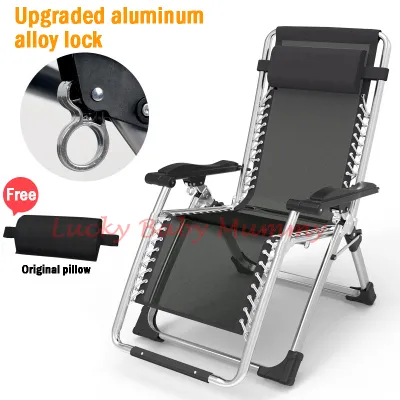
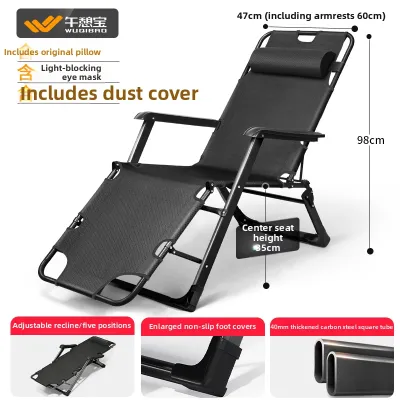
20 Lazada user ratings
Order on 21/10 item receive on 23/10 very fast delivery, item box its seem to be old and some hole but the chair and the quality definitely …Read full reviewShow less
Order on 21/10 item receive on 23/10 very fast delivery, item box its seem to be old and some hole but the chair and the quality definitely is good. item box packaging: 6/10 chair and quality: 9.5/10 price - reasonable overall: 9/10 definitely worth to buy. Thanks alot seller.
easy to use, comfortable & durable material, simple design, buy at promotion, value for money, fast delivery
Unisex and all-ages, Durable aluminum frame, Soft fabric seating, Unisex and all-ages, fast delivery
The chair is comfortable but the mesh is not very strong
Easy to assemble, Lightweight and portable,
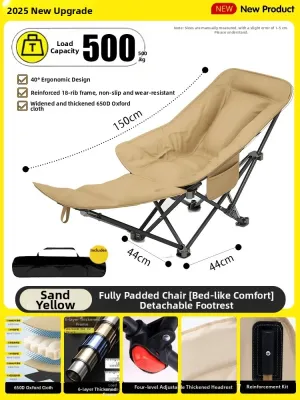
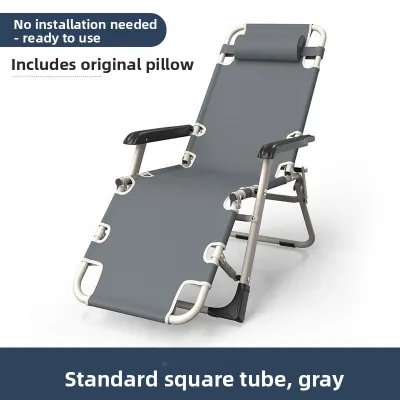
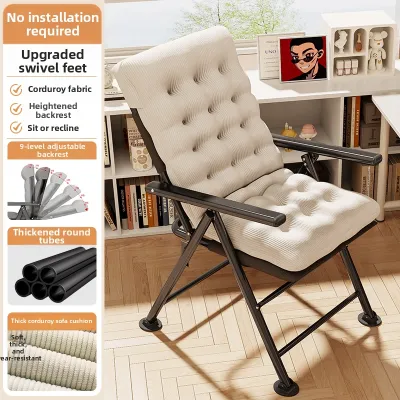
33 Lazada user ratings
The item has arrived. I opened it and felt great about it; it was a pleasant shopping experience!
The chair is really nice and super comfy to lie on. It's perfect for taking a nap!
The quality is great, everything is really good, and the installation is easy.
The lounge chair is really comfy to lie on, and I absolutely love it.
The lounge chair is great quality and super comfy to lie on.
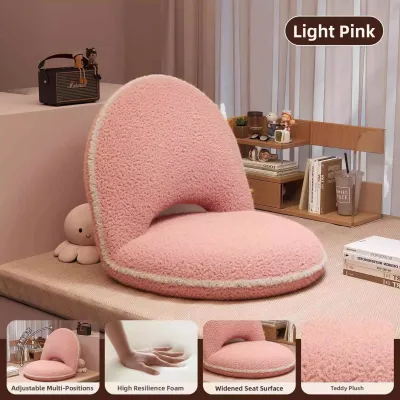
1 Lazada user ratings
Received in good condition. Comfortable and seems good value for the price.
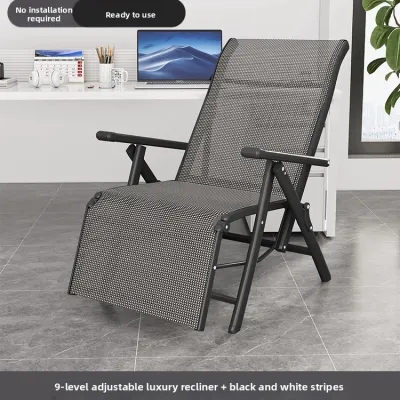
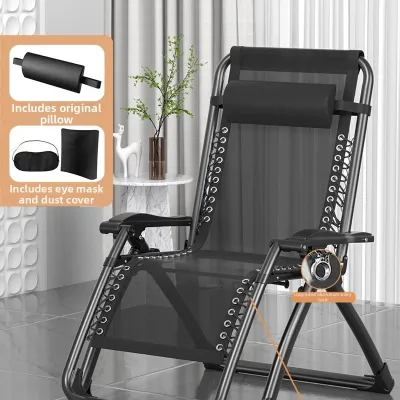
10 Lazada user ratings
Quality is acceptable for the price paid. Size is just right and the seat is comfortable.
Very nice product over my expectations Soft and cozy cushion, Modern simple design,
Good quality material,
Prices are valid at publication and may change. Please refer to the product page for the latest price.
Space and Footprint: Measuring for Your Living Room
Integrating new furniture into a living room requires precise spatial planning, especially when dealing with pieces that change shape. A sleeping chair often appears compact when upright, but its footprint expands dramatically when fully extended. Before making a decision, you must measure your available floor space in two distinct states: the closed, upright position and the fully reclined, flat position. This ensures that the chair does not block essential pathways or collide with existing furniture when you transition it into a bed.
Walkway clearance is a critical factor that homeowners frequently overlook. In a standard living room layout, you should maintain a clear path of at least 60 to 75 centimeters around the furniture to allow for comfortable movement. If your sleeping chair extends directly into a high-traffic zone, it can create a constant physical bottleneck. You must also account for the placement of coffee tables, side tables, and media consoles, ensuring that these items do not need to be constantly rearranged whenever you want to lie down.
When measuring for a sleeping chair, you must also consider the mechanism type. Some models fold out like a traditional camp bed, requiring substantial space in front of the chair. Others utilize a click-clack backrest that folds flat, requiring more space behind the chair. Understanding how the specific mechanism unfolds allows you to position other furniture, such as rugs and side tables, in a way that does not interfere with the transition.
Wall proximity is another spatial constraint that dictates which mechanism will work in your room. Standard sleeping chairs require a significant amount of rear clearance to allow the backrest to tilt backward. If you plan to place the chair against a wall, you will need to pull it forward every time you use it, which can scratch your flooring and become a daily chore. To avoid this, look for models specifically designated as “wall-huggers,” which slide forward on their tracks as they recline, minimizing the required rear clearance to just a few centimeters.
For a lounger, the spatial challenge is different but equally demanding. Because a lounger features a fixed, elongated frame, its footprint is static and cannot be tucked away when not in use. You must ensure that the permanent length of the chaise does not cut off the visual flow of the room or block access to balconies, windows, or adjacent dining areas. A practical way to assess this is to map out the maximum extended dimensions of both options on your living room floor using painter’s tape, leaving it in place for a few days to experience how the physical boundary affects your daily routine.
Comfort and Recline Range: Daytime Lounging vs Extended Rest
The ergonomic design of your chosen seat directly influences how comfortable it will feel during different activities. Loungers are engineered primarily for daytime relaxation, offering a fixed, gentle slope that supports the natural curve of your spine while keeping your head slightly elevated. This posture is ideal for reading, watching television, or working on a laptop, as it keeps you engaged with the room while relieving pressure on your lower back. However, because most loungers do not lay completely flat, they are generally unsuitable for overnight sleeping or side-sleepers who require a level surface.

The ergonomics of sitting versus sleeping are fundamentally different. When you sit or lounge, your body weight is concentrated on your pelvis and lower back, requiring targeted lumbar support and a contoured seat cushion. A high-quality lounger is designed with these contours built into the frame, providing continuous support that reduces muscle fatigue during long reading sessions. However, these same contours can make sleeping highly uncomfortable, as a flat sleeping posture requires even weight distribution across the entire body to prevent pressure points on the shoulders and hips.
Sleeping chairs, on the other hand, prioritize mechanical adaptability to accommodate both upright sitting and deep sleep. These chairs typically feature multi-position mechanisms, such as click-clack joints, pull-out drawer frames, or power recliners, allowing you to select the exact angle of repose. If your primary goal is to accommodate overnight guests or to take long, flat naps in the living room, a sleeping chair is the superior choice. The trade-off is that the joints and seams required for these transitions can sometimes be felt through the upholstery, which may require an additional mattress topper for extended rest.
A sleeping chair solves this by transitioning into a flat plane, but this transition requires a compromise in cushion design. To function as both a seat and a mattress, the cushions must be relatively firm and uniform. If the cushions are too soft, you will sink through to the metal frame when sleeping; if they are too firm, the chair may feel uninviting for casual daytime sitting. When reviewing specifications, look for medium-firm high-resiliency foam, which offers a balanced compromise for both sitting and sleeping.
To verify comfort claims before buying, you must carefully examine the manufacturer’s specifications for seat depth, cushion density, and lumbar support. A seat depth that is too deep can cause your knees to bend awkwardly, while a cushion that is too soft may lack the structural support needed for long-term spinal health. Look for high-density polyurethane foam or pocket spring systems, which retain their shape and provide consistent support over years of use. If you have specific physical needs, such as chronic back pain or difficulty standing up from low surfaces, pay close attention to the seat height and the firmness of the armrests, which provide necessary leverage.
Aesthetics and Visual Bulk in Apartment Living
In compact apartment living rooms, such as those commonly found in Singapore, the visual weight of your furniture is just as important as its physical dimensions. Visual bulk refers to how heavy, solid, or imposing a piece of furniture appears within a space. A room filled with bulky, floor-reaching furniture can feel cramped and dark, even if there is technically enough floor space to walk around. Balancing this visual weight is key to maintaining an airy, welcoming atmosphere.
Loungers often excel in preserving a sense of openness because of their design silhouettes. Many modern loungers feature raised legs, slender profiles, and open bases that allow light to pass underneath. This gap between the bottom of the seat and the floor creates the illusion of more space, making the living room feel larger than it is. Additionally, because loungers do not require heavy internal motors or folding metal frames, their upholstery can be tailored more tightly, resulting in clean lines that complement minimalist or contemporary interior styles.
For loungers, the frame material is a key aesthetic driver. Loungers with exposed wooden frames or slim steel legs offer a mid-century modern or industrial aesthetic that feels light and sophisticated. These designs elevate the seating area off the ground, allowing your flooring to remain visible, which naturally makes the room feel more spacious. If your living room features a lot of solid, heavy furniture, adding a leggy lounger can introduce a welcome contrast and restore visual balance to the space.
Sleeping chairs, by contrast, tend to carry more visual bulk due to the mechanical hardware housed within their bases. To conceal the folding frames, pull-out tracks, or electrical motors, these chairs often feature solid, boxy bases that sit directly on the floor. This solid silhouette can dominate a small room and make it feel cluttered. To mitigate this effect, you should carefully evaluate your upholstery choices and color palettes. Opting for light, neutral fabrics like linen, light gray, or beige can soften the appearance of a heavy chair, while choosing a model with slim, sturdy armrests can reduce its overall width and visual impact.
The choice of upholstery material also plays a significant role in how bulk is perceived. Heavy, dark fabrics like charcoal velvet or thick brown leather can make a sleeping chair look like a massive block in the corner of your room. In contrast, textured woven fabrics, light linens, or bouclé in soft cream or pastel tones can make the same physical frame look significantly lighter and more integrated into the decor. If you choose a sleeping chair with a solid base, selecting a fabric that matches your wall color can help it blend into the background, reducing its visual impact.
Decision Framework: Which Should You Choose?
To determine which option is the right fit for your home, you must weigh your spatial limitations against your lifestyle habits. This decision framework is designed to help you identify the most practical choice based on how you live and the specific constraints of your living room layout.
Choose a Sleeping Chair If:
- You require a fully flat surface: Your primary goal is to accommodate overnight guests or to have a dedicated, flat sleeping surface for afternoon naps.
- Your living room has limited width: You have a narrow layout where a permanently long piece of furniture would block the main walkway, but you have enough temporary clearance to extend a chair when needed.
- You prioritize multi-functional versatility: You want a single piece of furniture that can serve as an upright armchair for social gatherings, a partial recliner for reading, and a bed for sleeping.
Choose a Lounger If:
- You prefer a fixed, relaxed posture: Your main activities involve reading, watching television, or lounging with your feet up, and you rarely or never need to sleep completely flat.
- You want to maintain an airy aesthetic: You live in a compact apartment and want to avoid heavy, solid-to-the-floor furniture in favor of a lighter, leggy silhouette.
- You have a dedicated, static space: Your living room layout has an underutilized corner or a natural alcove that can permanently accommodate a long, stationary footprint without disrupting traffic flow.
Verify First: Delivery and Access Constraints
Before finalizing any purchase, you must verify that the physical dimensions of the furniture will allow it to reach your living room. Many homeowners focus entirely on the final placement space while forgetting to measure the delivery path. You must check the height and width of your apartment’s entry door, any hallway corners, and the internal dimensions of your building’s elevator. If a large, fully assembled lounger or a heavy, mechanical sleeping chair cannot clear these tight spaces, you may face costly return fees or delivery cancellations.
Final Checklist Before You Buy
To ensure a seamless purchase and installation process, complete this practical checklist before placing your order:
- Measure the fully extended footprint: Use painter's tape on your living room floor to mark the exact length and width of the furniture when fully reclined or extended, ensuring a minimum of 60 centimeters of clearance for walkways.
- Check the weight capacity and frame materials: Review the product label or manufacturer's spec sheet to confirm that the frame is constructed from durable materials, such as kiln-dried hardwood or steel, and that its weight capacity meets your household's needs.
- Verify delivery access routes: Measure the clearance of all doorways, elevator cabins, stairwells, and tight corridor turns along the delivery path to guarantee the item can be safely brought into your home.
- Review the warranty and return policy: Confirm the manufacturer's warranty terms for mechanical parts, frames, and upholstery, and check the retailer's return policy to ensure you can return or exchange the item if it does not meet your comfort expectations.

Community discussion
Share your experience or ask a question. Comments are reviewed before publication.