
A sleep mat firmness rating is a numerical guide used by manufacturers to describe how soft or hard a sleeping surface feels when you lie down. Finding the right firmness is not just about personal preference; it directly dictates how well your spine stays aligned and how effectively the mat relieves pressure on your joints throughout the night. Choosing the wrong level can lead to chronic morning backaches, stiff shoulders, and disrupted sleep cycles.
Understanding the Sleep Mat Firmness Scale
The bedding industry typically rates sleep mats on a scale from 1 to 10, with 1 representing an ultra-plush, cloud-like surface and 10 representing an incredibly rigid, board-like feel. In practice, you will rarely find mats at the extreme ends of this spectrum. Most high-quality sleep mats on the market fall between 3 (soft) and 8 (extra firm), as these levels accommodate the vast majority of human body shapes and sleeping preferences.
It is vital to distinguish between “firmness” and “support,” as these two terms are often mistakenly used interchangeably. Firmness refers strictly to the initial feel of the top layers against your body—whether it feels cushiony, springy, or hard. Support, on the other hand, refers to the underlying core structure’s ability to keep your spine in a neutral, healthy alignment, regardless of how soft or hard the comfort layers feel on top.
Products mentioned in this guide
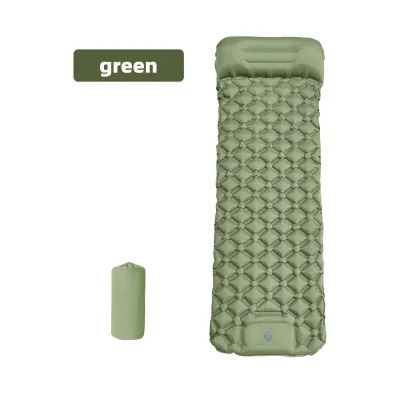
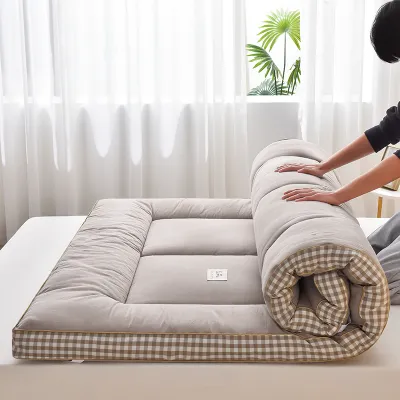
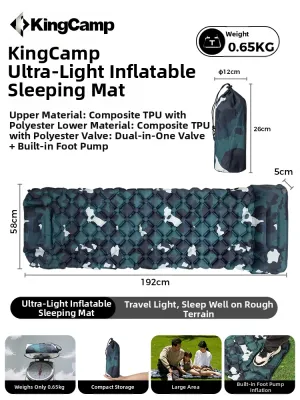
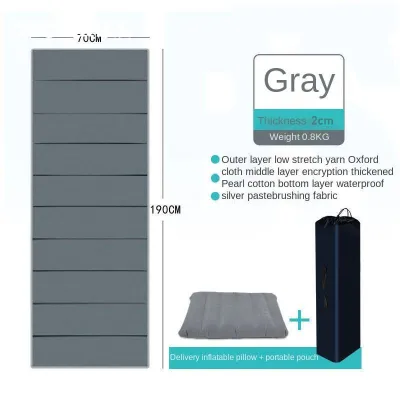
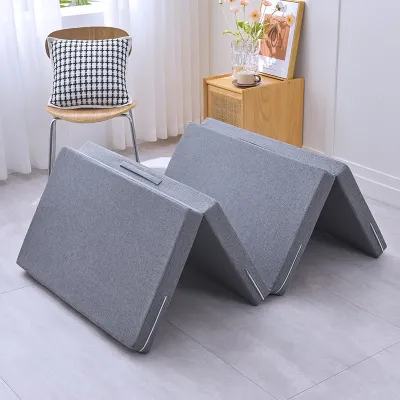
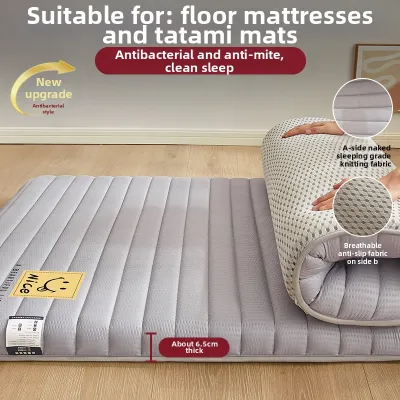
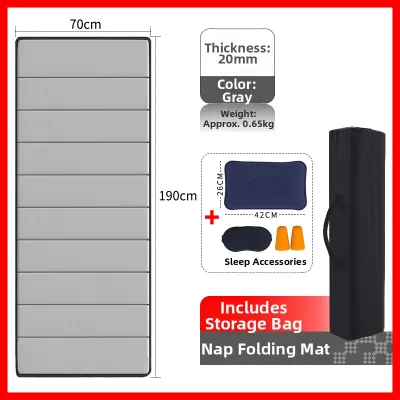
Prices are valid at publication and may change. Please refer to the product page for the latest price.
A common misconception is that a soft sleep mat cannot be supportive, or that a hard mat is automatically better for your back. In reality, a plush mat with a robust, high-density foam or pocketed coil base can offer exceptional support while cradling your pressure points. Conversely, an exceptionally firm mat with poor structural design might feel hard to the touch but fail to keep your pelvis and spine properly aligned, leading to muscle strain.
How Firmness Affects Different Sleeping Positions
Your primary sleeping posture determines where your body weight concentrates and how a sleep mat must react to keep your skeletal frame aligned. Matching the firmness level to your preferred position is the first step toward pain-free sleep.

Side Sleepers
For those who sleep primarily on their sides, a soft to medium-soft rating—typically between 3 and 5 on the standard scale—is generally the most suitable choice. When you lie on your side, your shoulders and hips protrude significantly, concentrating your body weight onto these two primary contact zones.
A softer surface allows these wider areas to sink comfortably into the mat, preventing the joints from absorbing excessive pressure. If the mat is too rigid, it forces the spine to curve unnaturally upward at the shoulders and hips, which often results in poor circulation, tossing and turning, and morning shoulder stiffness.
Back and Stomach Sleepers
Back and stomach sleepers require a completely different level of surface resistance, typically finding comfort in the medium-firm to firm range of 6 to 8. Back sleepers need a surface that supports the natural S-curve of the spine. A mat that is too soft allows the heavier thoracic and lumbar regions to sink too deeply, creating a bowing effect that strains the lower back muscles over time.
Stomach sleepers require even greater resistance to keep their body in a safe, flat alignment. Lying on your stomach on a soft mat causes the pelvis to sink deep into the core, arching the lower spine backward into an unnatural position. To prevent chronic lower back pain, stomach sleepers should select a firm mat that keeps the hips level with the shoulders.
Matching Firmness Levels to Body Weight
The way a sleep mat feels is highly subjective and depends heavily on the physical force your body exerts on the surface. A mat rated as a “medium 5” will feel entirely different to a lighter individual than it does to someone with a heavier build.
Lighter sleepers, typically those weighing under 60 kilograms, exert very little downward force on a mattress. Because they do not compress the comfort layers deeply, standard medium mats can feel surprisingly hard and unyielding to them. To achieve proper pressure relief and body contouring, lighter individuals often need to select a lower firmness rating, such as a 3 or 4, to experience the intended cushioning.
Conversely, heavier sleepers exert more downward pressure, which can cause them to sink straight through thin comfort layers and bottom out against the firm support core. This “hammocking” effect compromises spinal alignment and can cause painful pressure points. Heavier individuals generally benefit from firmer ratings, typically between 7 and 9, combined with high-density foam or robust coil bases that offer active upward resistance.
Because the standard 1-10 scale is calibrated around an average body weight, it is always wise to check the manufacturer’s specific weight capacity guidelines. Many brands provide tailored weight-to-firmness recommendations, helping you identify if a specific model will deliver the correct balance of comfort and structural integrity for your unique physical profile.
Key Comfort Factors Beyond the Firmness Number
While the numerical rating is an excellent starting point, other physical characteristics of a sleep mat can dramatically alter how that firmness feels in real-world conditions.
The material composition of the mat plays a massive role in dynamic comfort. For instance, memory foam is known for its slow-conforming, contouring “hug,” which can make a medium-firm rating feel softer and more enveloping. In contrast, natural latex is highly responsive and bouncy, pushing back against your body weight and making the exact same numerical rating feel noticeably firmer and more buoyant.
In warm and humid climates like Singapore, material choice also impacts thermal comfort. Traditional memory foam tends to trap body heat, which can soften the foam layers further during the night and alter the perceived firmness. If you sleep hot, opting for open-cell foam, gel-infused layers, or breathable latex can help maintain a consistent firmness feel and prevent the mat from becoming overly soft as it absorbs ambient heat.
Because personal comfort is deeply subjective, relying solely on specification sheets can be risky. Prioritizing brands that offer risk-free sleep trials—ideally 90 nights or more—allows you to test the mat’s true feel in your own home environment. Additionally, if you share a bed, consider secondary specifications like edge support, which prevents a rolling-off sensation near the perimeter, and motion isolation, which ensures you are not disturbed by a partner’s movements.
If you are purchasing a larger sleep mat or a foldable guest mat, remember to measure your available space, doorways, and lift clearance in your home. In high-rise apartments or HDB flats, ensuring the packaged or unfolded mat can navigate tight corridors and lift doors is just as important as selecting the right firmness rating.
Frequently Asked Questions (FAQ)
Can a sleep mat be too firm for my joints?
Yes, a sleep mat that is excessively firm can create severe localized pressure points, especially on the hips, shoulders, and knees. When the surface does not yield to your body’s natural contours, it restricts blood flow and compresses sensitive nerves. If you regularly wake up with numb limbs, tingling sensations, or stiff, aching joints, your sleeping surface is likely too hard and is failing to provide adequate pressure relief.
Will a mattress topper change the firmness rating of my sleep mat?
A mattress topper will alter the immediate surface feel and pressure relief of your sleeping setup, but it cannot change the underlying structural rating of the sleep mat itself. Adding a soft topper can make a rigid mat feel more cushioned and comfortable on your pressure points. However, if your existing sleep mat is sagging, worn out, or structurally compromised at its core, a topper will simply sink into the depression and fail to restore proper spinal support.
Community discussion
Share your experience or ask a question. Comments are reviewed before publication.