
Finding the right kids’ table and chair set for a compact Singapore home requires balancing your child’s developmental needs with the physical realities of modern floor plans. A successful setup provides a dedicated surface for drawing, writing, or sensory play while preserving precious floor space and maintaining clear walkways. By focusing on precise measurements, ergonomic proportions, and smart configurations, you can create an inviting activity zone that supports your child’s growth without cluttering your living area.
Selecting furniture for a smaller apartment means looking beyond the product catalog photos. A set that appears compact in a spacious showroom can easily overwhelm a cozy living room corner or a shared bedroom. Taking the time to measure your space, evaluate standard dimensions, and understand safety features ensures you make a practical purchase that serves your family well for years.
Measure Your Available Floor Space
Before browsing online marketplaces or visiting local furniture showrooms, you must establish the exact boundaries of your designated activity area. Start by using a physical measuring tape to map out the length and width of the intended spot. Whether you plan to place the set in a living room corner, a bedroom nook, or a study alcove, knowing the precise floor dimensions prevents costly purchasing mistakes. Marking the footprint on the floor with masking tape can help you visualize how much physical space the furniture will occupy.
Products mentioned in this guide
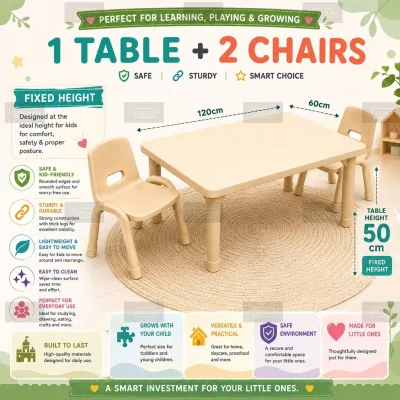
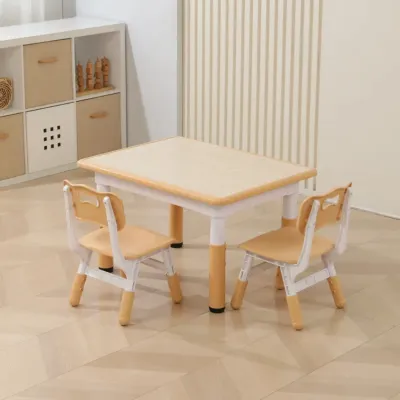
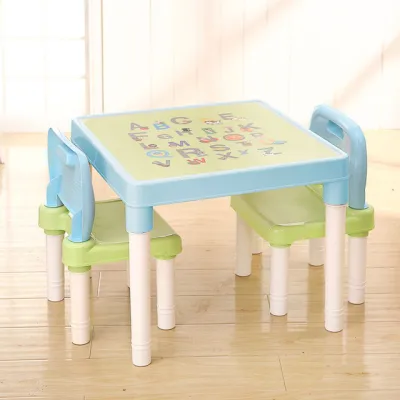
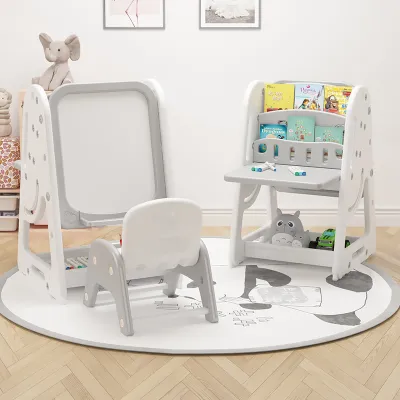
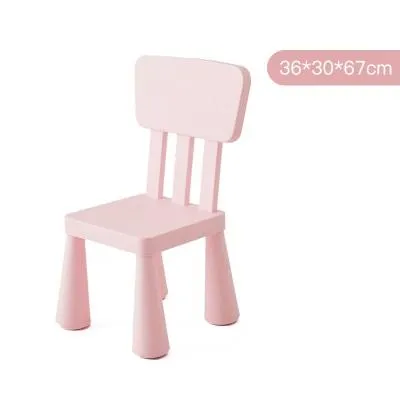
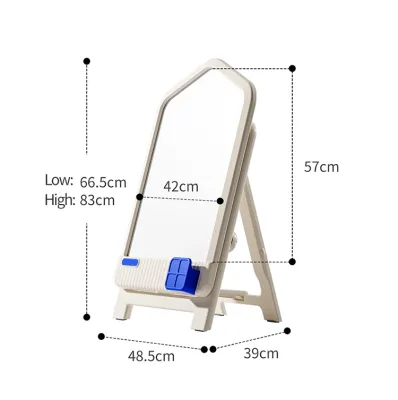
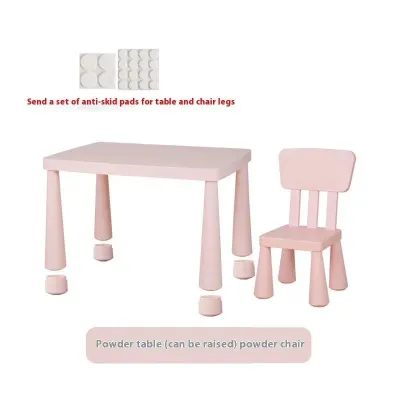
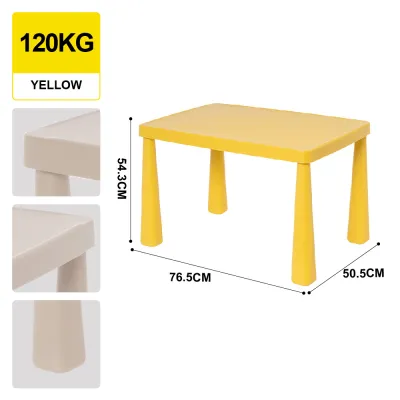
Prices are valid at publication and may change. Please refer to the product page for the latest price.
Measuring the static footprint of the table is only the first step. You must also account for the clearance space required when your child actually uses the furniture. Chairs need to be pulled out for sitting and standing, which requires additional floor area behind the table. Leaving insufficient space can make the area feel cramped and discourage your child from using their dedicated workspace.
Finally, evaluate the surrounding traffic flow to ensure the furniture does not block daily pathways. In compact HDB flats or condominium units, a poorly placed table can obstruct walkways, swing doors, built-in wardrobe access, or balcony entryways. Ensure there is a clear path around the activity zone so family members can move safely through the room without tripping over small chairs or table legs.
Evaluate Standard Dimensions and Ergonomics
When reviewing product specifications, pay close attention to the total footprint of the set. This includes the dimensions of the table itself and the space occupied by the chairs when they are fully pushed in. Many compact sets are designed so the chairs fit flush against or entirely underneath the table frame, which is highly beneficial for saving space when the set is not in active use.

Ergonomics play a critical role in your child’s comfort and physical development. To find a suitable fit, check the table height and chair seat height relative to your child’s current size. Ideally, your child should be able to sit with their feet flat on the floor, their knees bent at a comfortable 90-degree angle, and their elbows resting naturally on the tabletop without slouching or raising their shoulders. If the set is too large, your child may struggle to climb onto the chair safely; if it is too small, they may experience discomfort during longer activities.
Compare these ergonomic requirements with your measured clearance to find a balanced solution. If you are choosing between sizes, look for height-adjustable tables and chairs. These versatile designs allow you to raise the tabletop and seat levels as your child grows, extending the lifespan of the furniture while maintaining a compact footprint in your home.
Space-Saving Configurations for Compact Homes
For highly restricted floor plans, alternative furniture designs can maximize utility without permanently occupying valuable floor space. Foldable tables and chairs are excellent options for multi-purpose rooms. You can easily set them up for afternoon crafts or homework sessions, then fold them flat and store them behind a sofa, inside a utility closet, or under a bed when the activities are finished.
Another practical configuration involves stackable chairs or low benches that tuck completely underneath the table edge. Benches are particularly useful for accommodating multiple children while maintaining a clean, streamlined look when tucked away. Choosing a set where the seating aligns perfectly with the table frame ensures that the entire assembly takes up minimal space when idle.
Multi-functional designs offer excellent space efficiency for compact apartments. Look for activity tables that feature built-in storage solutions, such as removable plastic bins suspended beneath the tabletop, built-in drawers, or double-sided tabletops that flip to reveal a chalkboard or building-block base. These integrated storage compartments keep art supplies, toys, and books organized and out of sight, eliminating the need for separate storage units in an already crowded room.
Safety and Stability in Tight Spaces
In a compact living environment, furniture safety is paramount. Active toddlers and young children frequently lean, climb, or pull themselves up using furniture edges. To prevent tipping accidents, verify the base width and weight distribution of both the table and the chairs. A wider, flared leg design generally offers greater stability, preventing the furniture from tipping over even if a child leans heavily on one side.
Physical safety features also protect your child and your home’s interior. Look for sets with rounded corners and smooth edges to minimize the risk of bumps and bruises in tight walkways. Additionally, check for non-slip foot pads on the bottom of the table and chair legs. These pads prevent the furniture from sliding during active play and protect your apartment’s flooring, whether you have vinyl, laminate, or polished parquet.
Because kids’ activities often involve paints, markers, clay, or snacks, the surface materials must be easy to clean and maintain. Check the manufacturer’s specifications to ensure the tabletop finish is water-resistant and scratch-resistant. Avoid delicate finishes that require specialized cleaning agents; instead, opt for durable, wipe-clean surfaces that can withstand daily scrubbing with a damp cloth and mild soap.
Common Sizing and Purchasing Mistakes
One of the most common errors when buying a kids’ table and chair set is forgetting to account for the “active footprint.” Buyers often measure only the table’s dimensions, forgetting that the chairs must be pulled out significantly when a child is sitting. This oversight can result in a set that fits perfectly on paper but blocks a vital walkway or door swing in reality.
Another frequent mistake is selecting a set that is too large for the child’s current developmental stage in an attempt to make the purchase last longer. While buying for growth is understandable, an oversized table and chair set can lead to poor posture, fatigue, and safety hazards if the child struggles to climb onto a high seat. Prioritize a set that fits their current needs, or invest in a highly adjustable model that grows with them.
Finally, do not ignore the delivery and assembly pathway. Even if a table fits beautifully in your living room, a bulky, pre-assembled piece might struggle to clear narrow apartment corridors, tight HDB lift doors, or your main entryway. Always check the packaging dimensions and assembly requirements before purchasing to ensure you can easily transport the furniture into your home.
Frequently Asked Questions (FAQ)
How much clearance should I leave around the table?
As a general guideline, aim to leave at least 50 to 60 centimeters of open space around the sides of the table where chairs will be used. This clearance allows enough room for your child to pull the chair out, sit down comfortably, and push the chair back in without bumping into walls or other furniture. Be sure to check the specific chair design, as chairs with armrests or wide, flared bases may require slightly more room to maneuver.
Are foldable kids' tables stable enough for daily use?
Many high-quality foldable kids’ tables are designed with robust locking mechanisms and sturdy frames that provide excellent stability for daily activities like drawing, writing, and dining. When shopping for a foldable option, always verify the manufacturer’s specified weight limits and check that the locking hinges are secure to prevent accidental collapsing. For heavy sensory play or activities involving significant downward pressure, a solid, non-folding table with a wide base remains the sturdier choice.
Community discussion
Share your experience or ask a question. Comments are reviewed before publication.