
Choosing a dining table surface involves balancing daily practicalities, aesthetic preferences, and long-term durability. While natural marble represents classic luxury and engineered quartz offers reliable consistency, sintered stone has emerged as a modern alternative designed to address the vulnerabilities of both traditional materials. Deciding between a sintered stone dining table, marble, or quartz ultimately depends on how you weigh scratch resistance, maintenance habits, and your budget against the unique tactile feel of natural versus engineered surfaces.
What Is Sintered Stone and How Is It Manufactured for Dining Tables?
Sintered stone is an engineered surfacing material made entirely from natural minerals that are bonded together using extreme heat and pressure without any added plastic resins. This advanced manufacturing process, known as sintering, mimics the geological formation of natural stone but accelerates it to a matter of hours. The resulting slab is incredibly dense, compact, and virtually non-porous, making it highly suitable for demanding household applications like dining surfaces.
To understand how sintered stone differs from its competitors, it is helpful to look at how each material is formed. Natural marble is a metamorphic rock created over millions of years under the Earth’s crust through intense heat and pressure acting on limestone, resulting in a unique, porous structure with natural veins and fissures. Engineered quartz, on the other hand, consists of crushed natural quartz crystals bound together with polymer resins and pigments. Because quartz relies on these synthetic resins to hold the minerals together, its physical properties differ significantly from materials made purely of stone and minerals.
Products mentioned in this guide
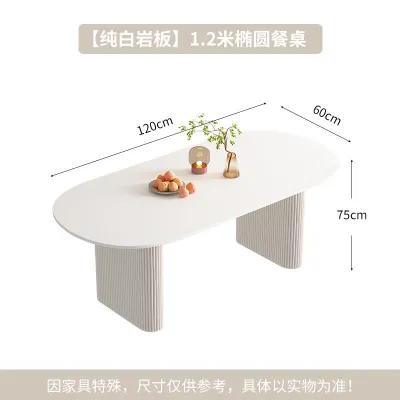
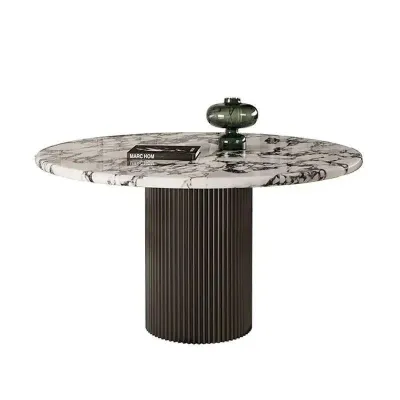
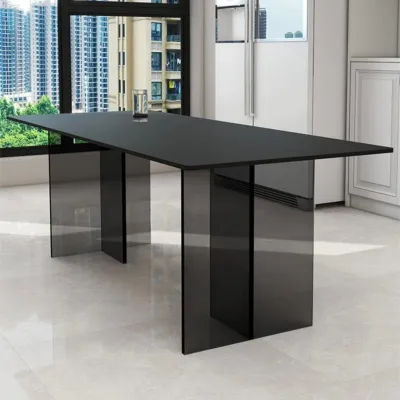
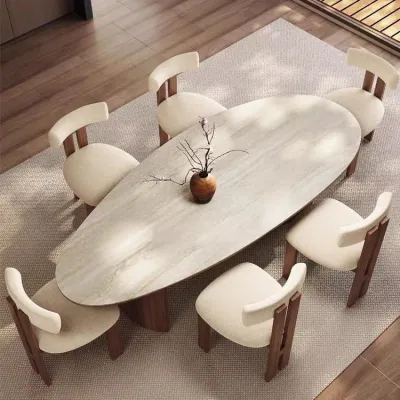
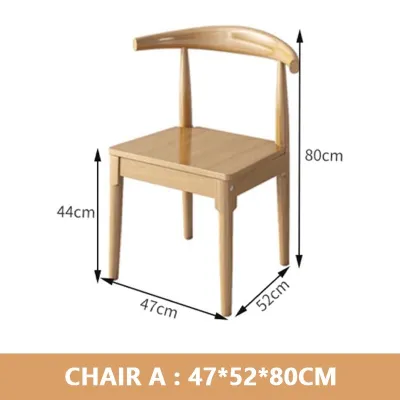
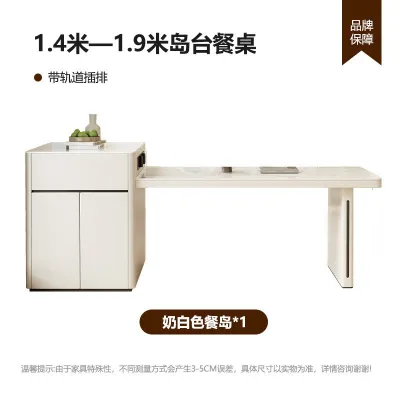
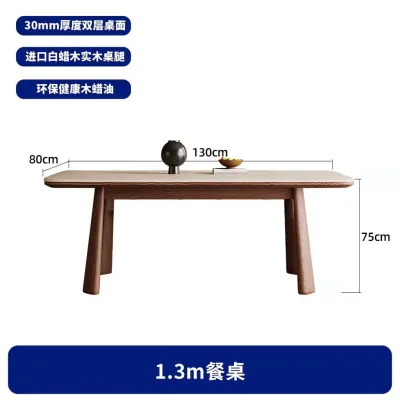
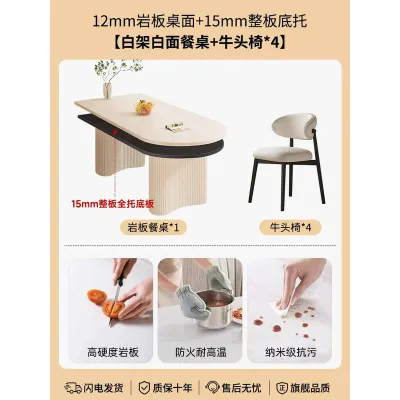
Prices are valid at publication and may change. Please refer to the product page for the latest price.
The visual and tactile characteristics of these materials also stem directly from their manufacturing processes. Sintered stone slabs achieve their realistic stone, wood, or industrial patterns through high-definition inkjet printing applied to the surface before firing. While this allows for incredible design variety and consistency, the pattern on standard slabs is often only surface-deep, meaning the edge profile might not show the same veining as the top surface unless you opt for premium “through-body” slabs. In contrast, natural marble features deep, organic veining that runs entirely through the stone, ensuring that any cut or edge profile displays the exact same pattern.
When shopping for a dining table, it is important to remember that material names alone do not guarantee specific performance levels. Different manufacturers use proprietary mineral blends and pressing techniques, which can affect the final density and durability of the slab. Buyers should always check individual product labels and technical specifications to verify the exact composition and origin of the material.
How Do Sintered Stone, Marble, and Quartz Compare in Scratch and Heat Resistance?
Sintered stone offers exceptional scratch and heat resistance that generally outperforms both natural marble and resin-bound quartz under normal household conditions. Because it is fired at temperatures exceeding 1200°C and contains no polymer resins, it can withstand direct contact with hot cookware and resists scratching from everyday metal utensils. However, the extreme hardness of sintered stone also makes it rigid, meaning it carries specific trade-offs regarding impact resistance.

In terms of scratch resistance, sintered stone ranks very high on the Mohs hardness scale, making it highly resistant to daily hazards like ceramic plate drag, sliding heavy serving dishes, and accidental knife slips. Engineered quartz also offers excellent scratch resistance, but its resin binder can sometimes be marred by heavy abrasives or specialized metal tools. Natural marble is comparatively soft and easily scratched by keys, rough-bottomed ceramics, or cutlery, requiring constant vigilance or the protective use of placemats.
Heat tolerance is another area where the differences between these materials are stark. Sintered stone can handle direct contact with hot pots, pans, or warming trays without scorching, melting, or releasing toxic fumes, though using a trivet is still recommended to prevent localized thermal shock. Quartz is highly vulnerable to heat damage because the polymer resins binding the quartz crystals can scorch, discolor, or even crack when exposed to temperatures above 150°C. Natural marble can tolerate moderate heat, but sudden temperature changes can cause thermal shock, leading to fine cracks or structural weakness over time.
Despite their hardness, both sintered stone and quartz are susceptible to chipping if subjected to sharp, heavy impacts, particularly along the exposed edges of the dining table. Because sintered stone is highly rigid and brittle, a hard blow from a heavy cast-iron pot or a chair buckle can chip the edge. Quartz has a slight advantage in impact resistance because its resin content provides a tiny amount of flexibility, while natural marble is prone to both chipping and “bruising,” where heavy impacts leave permanent white marks within the stone structure.
To ensure you choose a table that matches your durability expectations, always verify the exact heat thresholds, Mohs hardness ratings, and warranty conditions via the manufacturer’s official specifications. Do not rely solely on general material claims, as slab thickness and fabrication quality play a major role in how well a table resists daily wear and tear.
What Are the Stain Resistance and Daily Maintenance Requirements for Each Material?
Sintered stone and engineered quartz are virtually non-porous surfaces that require minimal daily maintenance and do not need sealing, whereas natural marble is highly porous and demands regular sealing alongside careful handling of acidic substances. This difference in porosity directly dictates how quickly you must clean up dining spills to prevent permanent staining or chemical damage. For busy households, the ease of daily cleanup is often the deciding factor when choosing a dining table.
Natural marble contains microscopic pores that readily absorb liquids, meaning that spills like red wine, coffee, citrus juices, and acidic sauces can quickly penetrate the surface and leave permanent stains. To mitigate this, marble tables must be treated with a penetrating sealer every six to twelve months, which slows down absorption but does not make the stone completely stain-proof. Sintered stone and engineered quartz have an absorption rate close to zero, meaning liquids sit on the surface and can be wiped away easily without the need for chemical sealers.
Acid resistance is another critical factor during daily dining. Sintered stone is completely inert and unaffected by acidic foods, meaning vinegar, lemon juice, and tomato sauce will not damage the finish. Quartz is also highly resistant to acids, though extremely harsh chemical cleaners can dull the resin binder over time. Natural marble, however, is composed of calcium carbonate, which reacts chemically with acids in a process called etching. Even a brief spill of lemon juice or salad dressing can dissolve the surface minerals of marble, leaving a dull, matte spot that cannot be wiped away and requires professional polishing to repair.
Daily cleaning routines reflect these material properties. Sintered stone and quartz tables can be cleaned easily with warm water, mild dish soap, and a soft microfiber cloth, requiring no specialized products. Natural marble requires pH-neutral cleaners specifically formulated for natural stone, as standard household sprays and abrasive scrubbing pads will strip the sealer and etch the surface.
Regardless of the material you choose, always follow the specific care instructions provided by the table manufacturer. Using unapproved cleaning agents or abrasive tools can void your warranty and permanently alter the appearance of your table’s finish.
How Do the Upfront Costs and Long-Term Value of These Dining Tables Compare?
Sintered stone and high-quality quartz dining tables generally occupy a premium price tier, often starting around S$1,200 to S$3,500 depending on size and slab thickness, while natural marble tables can range from S$1,500 to well over S$6,000 for rare stone varieties. The long-term value of each material depends on how well its aesthetic holds up to your household’s daily wear and whether you prefer a surface that ages dynamically or one that remains pristine.
The aging process affects the long-term value of these materials in very different ways. Sintered stone is highly stable and UV-resistant, meaning it will maintain its original color, pattern, and finish indefinitely, even if placed near a sunny window. Quartz tables maintain their appearance well but can yellow or discolor over time if exposed to direct sunlight due to UV degradation of the polymer resins. Natural marble ages dynamically, developing a patina of fine scratches, minor etches, and color shifts over years of use, which some homeowners cherish as a mark of authentic luxury, while others view it as unwanted damage.
Repairability is a crucial consideration for long-term value. If a sintered stone table chips, repairing it is highly challenging; while color-matched epoxy resins can fill the chip, the repair is often visible, especially on patterned surfaces. Quartz chips can be filled with color-matched acrylic or epoxy resins with reasonable success. Natural marble, despite its vulnerability, is the most repairable of the three; a professional stone restorer can grind down, polish, and re-seal a marble table to erase years of scratches, etches, and minor chips, restoring its original luster.
When budgeting for a stone dining table in Singapore, the final cost must account for structural support requirements, delivery logistics, and professional installation fees. Sintered stone slabs, particularly thinner ones, require a solid sub-top (such as high-quality plywood or a metal frame) to distribute weight and prevent cracking under pressure. Additionally, transporting heavy, rigid stone slabs through tight HDB or condominium doorways and elevators requires specialized handling, which can add to the delivery cost.
To avoid unexpected expenses, buyers should always request itemized quotes that detail the cost of the slab, fabrication, sub-top support, delivery, and installation. This ensures you are comparing the true cost of ownership rather than just the retail price of the tabletop.
Which Dining Table Material Best Fits Your Household's Lifestyle and Needs?
Choosing the right dining table material requires matching the physical properties of each surface with your household’s daily habits, aesthetic preferences, and tolerance for maintenance. A busy family home with young children demands a very different surface than a formal dining room used primarily for elegant entertaining. By evaluating how you use your dining space, you can select a material that offers the right balance of beauty and utility.
Sintered stone is highly suited for active households, families, and avid home cooks who want a worry-free, highly durable surface that handles hot pots, spills, and heavy use without constant vigilance. Quartz is an excellent choice for those seeking a uniform, modern aesthetic with low maintenance, provided they are diligent about using trivets and avoiding direct sunlight. Natural marble remains the ultimate choice for design purists who appreciate the unmatched, organic beauty of natural stone and are willing to invest the time and effort into regular sealing, careful cleaning, and accepting the natural patina that comes with age.
Before finalizing your purchase, use this physical verification checklist in the showroom or upon delivery:
- Slab Thickness: Check if the slab is solid (typically 12mm or 15mm) or a thinner slab (such as 6mm) laminated to a glass or wood backing, which affects weight and edge durability.
- Edge Profile Finishing: Inspect the edges for smoothness and consistent polishing, ensuring that mitered joints are seamless and free of sharp, uneven transitions.
- Table Base Stability: Gently shake the table to ensure the base is heavy and stable enough to support the substantial weight of the stone top without wobbling.
- Under-Table Support: Look underneath to verify that a proper sub-top or support frame is installed to prevent the slab from flexing or cracking under pressure.
Spatial and structural considerations are also vital when purchasing a heavy stone table. Measure your dining space, doorways, and lift dimensions carefully, as heavy stone tables cannot be easily disassembled or flexed to fit through tight corners. For exceptionally large or thick stone tables, verify the weight with the retailer to ensure it complies with standard residential floor load capacities. If you require custom sizing, complex edge profiles, or integrated power outlets, stop and consult a qualified furniture specialist or interior designer to ensure structural integrity is maintained.
Community discussion
Share your experience or ask a question. Comments are reviewed before publication.