
Finding a suitable single-seater leather sofa requires looking beyond brand names and focusing on how a chair’s physical design interacts with your body. In Singapore’s warm, humid climate, the choice of a sofa single is not just about aesthetics; it is a balance of ergonomic support, material breathability, and spatial compatibility. Because individual body proportions and comfort preferences vary, there is no single model that suits everyone. Instead, the right choice depends on evaluating key structural elements—such as cushion density, leather grade, and frame suspension—to match your specific daily routine.
Core Dimensions for Evaluating Single-Seater Comfort
To assess the ergonomic design of a single-seater sofa, you must look closely at the cushion filling. High-density polyurethane foam offers consistent support and retains its shape over time, whereas low-density foam may sag quickly under daily use. Pocketed spring coils wrapped in foam provide a responsive, bouncy feel similar to a high-quality mattress, distributing weight evenly across the seat. Down or fiber wraps add a plush, sink-in softness but require regular fluffing to maintain their loft and prevent a deflated appearance.
The backrest height and angle are equally critical for maintaining a healthy seated posture. A well-designed backrest should support the natural S-curve of your spine, particularly the lumbar region. Look for integrated lumbar cushioning or a contoured backrest that fills the gap between your lower back and the chair. The angle of the backrest also matters; an angle of 100 to 110 degrees is generally suitable for relaxed reading, while a more upright angle is better for active sitting or working.
Products mentioned in this guide
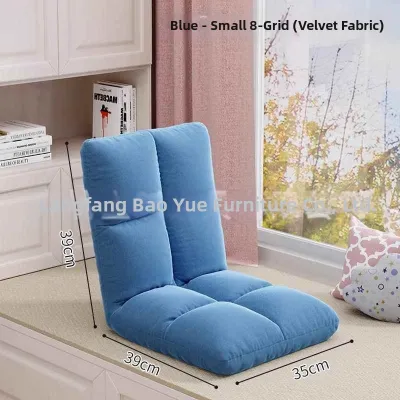
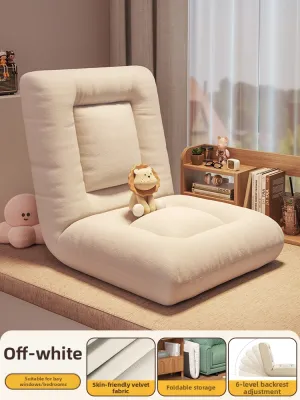

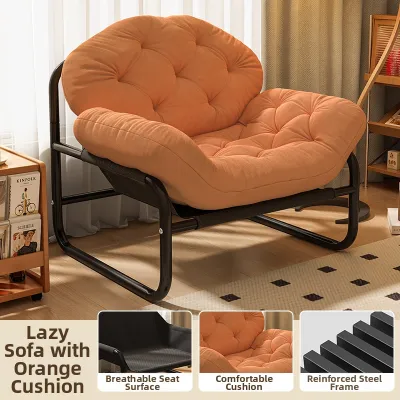
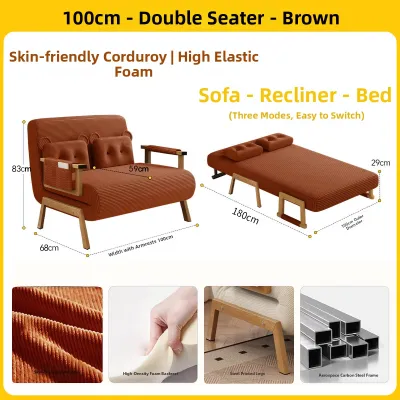
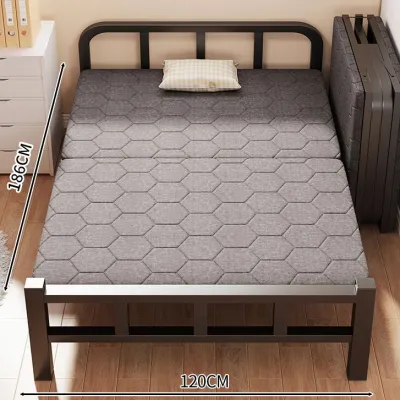
Prices are valid at publication and may change. Please refer to the product page for the latest price.
Seat depth and width must be evaluated relative to your height and thigh length. The seat depth should allow you to sit fully back against the backrest with your feet flat on the floor, leaving a small gap of about two to three fingers wide between the edge of the seat and the back of your knees. If the seat is too deep, your legs will dangle, causing you to slouch forward; if it is too shallow, your thighs will lack adequate support, leading to uncomfortable pressure points over time.
Leather Quality and Its Impact on Seating Feel
The grade of leather used on a single-seater sofa directly influences its tactile comfort and how it adapts to your body. Full-grain leather, which retains the natural hide’s outermost layer, offers notable durability and develops a unique patina over time, though it can feel stiff initially. Top-grain leather is slightly sanded to remove imperfections, making it softer and more pliable from day one while retaining good structural strength. Corrected-grain or split leather is heavily processed and coated, which often results in a more uniform look but a stiffer, less breathable feel.

In a tropical environment, breathability is paramount to prevent discomfort during extended seating. High-quality aniline or semi-aniline finishes use minimal surface coatings, allowing the leather’s natural pores to breathe and regulate temperature, preventing that sticky, hot sensation. Heavily pigmented or polyurethane-coated leathers block these pores, trapping body heat and moisture against your skin. When testing a sofa, check how quickly the surface adapts to your body temperature.
Balancing leather thickness with initial softness is key to long-term satisfaction. Thicker leathers generally offer reliable longevity and structural resistance to stretching, but they require a longer break-in period to soften. Thinner leathers provide immediate, enveloping comfort but may develop wrinkles or sag more rapidly under daily use. Inspect the manufacturer’s care instructions to understand how the specific leather type responds to humidity and routine maintenance.
Structural Support and Frame Stability
The longevity and safety of a single-seater sofa depend heavily on its internal skeleton. Kiln-dried hardwoods, such as oak or birch, resist warping and cracking caused by humidity fluctuations. Look for joints that are double-dowelled, glued, and reinforced with corner blocks rather than simply stapled or glued, as robust joinery prevents the frame from wobbling or squeaking over time. Metal frames offer good stability but should be checked for smooth welds and rust-resistant coatings.
The suspension system beneath the cushions determines the seat’s firmness and resilience. Sinuous springs, which are S-shaped wires running across the frame, offer a firm, resilient bounce and are highly durable when properly spaced and secured. Elastic webbing provides a quieter, slightly softer support system that conforms gently to the body, though it may stretch over years of heavy use. A combination of both systems often yields a balanced seating experience.
Before finalizing a purchase, check the manufacturer’s specified weight capacity to ensure it meets your household’s needs. Perform a physical stability test by gently rocking the sofa from side to side or lifting one front corner; a well-constructed frame should feel rigid and grounded without flexing or making creaking noises. If the sofa has legs, verify that they are securely integrated into the frame rather than merely screwed into the bottom fabric.
Spatial Fit and Practical Dimensions
A common oversight when purchasing a sofa single is assuming it will easily fit through entryways. In high-rise apartment living, you must measure the clear width and height of your front door, hallway corners, and especially the lift car dimensions. A single-seater with a wide, fixed base or high backrest may require specific maneuvering or even disassembly to clear tight lift doors and narrow entryways.
Measure the designated floor area carefully, keeping in mind that a single-seater needs breathing room. Maintain at least 30 to 45 centimeters of clearance around the sides to allow for comfortable foot traffic and to prevent the living room from feeling cramped. Compare the finished dimensions of the sofa against your existing furniture to ensure a balanced visual proportion and functional layout.
If you are considering a reclining leather single-seater or a model with a swivel base, factor in the extra clearance required. Recliners need substantial wall clearance behind the backrest and open space in front for the footrest to extend fully without striking coffee tables or media consoles. Swivel bases require a clear circular radius to rotate freely without scraping against walls or adjacent furniture.
Decision Framework: Matching Comfort to Your Daily Routine
To choose the right single-seater leather sofa, align its design features with your primary daily activities. If your goal is relaxed lounging, watching movies, or taking afternoon naps, prioritize a sofa single with a deeper seat, plush down-wrapped cushions, and lower, padded armrests that can double as a pillow. This configuration encourages a reclined, informal posture that helps you unwind.
If you plan to use the chair for reading, working on a laptop, or if you have difficulty rising from deep seats, opt for a firmer, high-density foam cushion with an upright backrest and higher, structured armrests. This design provides the necessary leverage to stand up easily and keeps your spine aligned during long periods of focused sitting. A firmer seat also prevents the leather from stretching excessively under concentrated weight.
Always verify the manufacturer’s detailed specifications, care instructions, and warranty terms before finalizing your purchase. Confirm the return or exchange policy, particularly regarding comfort satisfaction, as a sofa’s true feel can only be fully assessed after several hours of continuous use in your own home environment. Taking the time to check these details helps ensure your investment provides lasting comfort and support.
Community discussion
Share your experience or ask a question. Comments are reviewed before publication.