
Selecting a mattress is not merely a matter of choosing the softest or the firmest model on a showroom floor; it is a critical decision that directly impacts spinal alignment, muscle recovery, and overall sleep quality. For those investing in a Simmons mattress, finding the right firmness level is the single most important step in preventing morning stiffness and chronic back pain. The ideal firmness level is not universal; instead, it depends heavily on your primary sleeping position, body weight, and physical build.
Side sleepers generally require a medium-soft to medium surface to cushion protruding pressure points like the shoulders and hips. Back sleepers benefit most from a medium to medium-firm surface that fills the lumbar gap while keeping the pelvis stable. Stomach sleepers require a medium-firm to firm mattress to prevent the pelvis from sinking, which can hyperextend the lower spine. By understanding how your sleep posture interacts with Simmons’ proprietary pocketed coil systems and comfort layers, you can choose a model that supports your body naturally throughout the night.
Understanding Simmons Mattress Firmness Levels
To navigate the diverse offerings of Simmons mattresses, you must first master the brand’s specific vocabulary of comfort and support. Simmons categorizes its mattresses using standardized firmness labels, typically ranging from Plush (very soft) to Cushion Firm or Medium, and up to Firm and Extra Firm. These labels describe the initial feel of the top comfort layers when you first lie down. However, a common mistake is conflating this surface feel with the mattress’s underlying structural support.
Products mentioned in this guide
![[Bulky] Simmons® Beautysleep® Discovery I](https://img.lazcdn.com/g/p/7ec071dd749cce8553fcf52354aac050.jpg_400x400q80.jpg_.webp)
![[Bulky] Simmons® BeautySleep® Essential Three](https://img.lazcdn.com/g/p/4cbb10d1d14e543fc3e2d3d66b68b105.jpg_400x400q80.jpg_.webp)
![[Bulky] Simmons® BeautySleep® Essential One](https://img.lazcdn.com/g/p/3a50756fad479be8e2ce8f209588dd8f.jpg_400x400q80.jpg_.webp)
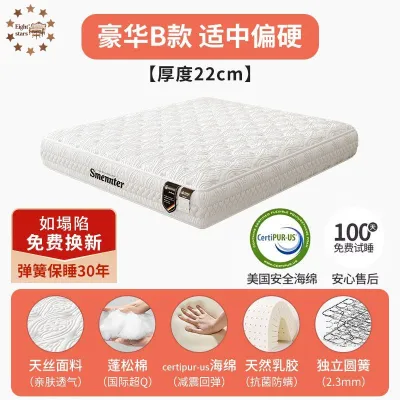
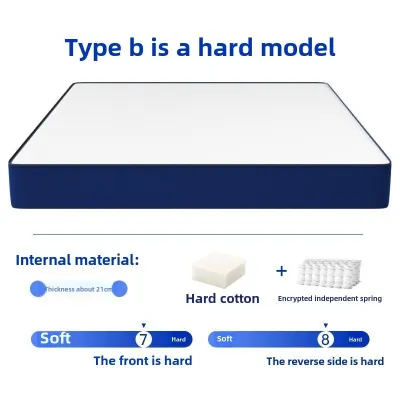
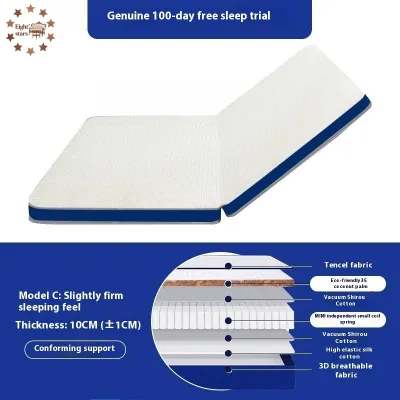
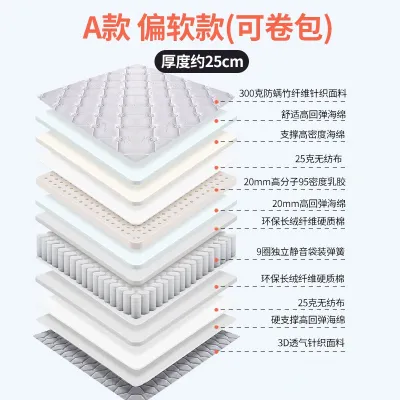
Prices are valid at publication and may change. Please refer to the product page for the latest price.
Surface firmness and core structural support are two distinct engineering elements. The surface firmness is determined by the comfort layers, which may consist of memory foam, gel-infused latex, or quilted fiber tops. These layers are designed to contour to your body shape and relieve surface pressure. In contrast, the structural support is provided by the underlying spring core. In a Simmons mattress, this core is composed of their signature Beautyrest Pocketed Coil technology. These high-carbon steel coils are individually wrapped in fabric sleeves, allowing them to compress independently. This independent movement ensures that the mattress conforms to the natural curves of your body and provides targeted upward resistance, regardless of whether the comfort layers on top are plush or firm.
Because of this design, a “Plush” Simmons mattress can offer the same level of deep spinal support as an “Extra Firm” model. The difference lies entirely in how much your body sinks into the comfort layers before meeting the resistance of the pocketed coils.
It is also important to note that naming conventions and firmness scales can vary significantly between different Simmons collections. For instance, the Simmons Beautyrest series focuses heavily on luxurious comfort layers and motion isolation, often utilizing terms like Luxury Firm or Plush. On the other hand, the Simmons BackCare series is engineered specifically for orthopedic support, featuring targeted lumbar zones and generally firmer profiles designed to assist with spinal alignment. Because a “Medium” in a Beautyrest model may feel quite different from a “Medium” in a BackCare model, you should never rely solely on the collection name. Always check the physical specification tag on the mattress or consult an authorized retailer to understand the exact construction and coil tension of the specific model you are considering.
Best Firmness for Side Sleepers
Side sleeping is the most common sleep posture, but it presents unique biomechanical challenges. When you lie on your side, your body weight is concentrated on a relatively small surface area, specifically the shoulders and the hips. If the mattress surface is too rigid, these areas experience high pressure, which can restrict blood circulation, cause numbness, and lead to frequent tossing and turning. Furthermore, an unyielding surface forces the spine to curve laterally, placing immense strain on the neck and lower back muscles.

To prevent these issues, side sleepers should generally look for a Medium-Soft to Medium firmness level. This range provides the necessary surface “give” to accommodate the contours of the shoulder and hip joints. By allowing these wider parts of the body to sink slightly into the mattress, the comfort layers help maintain a straight, horizontal line from the base of your skull down to your tailbone.
When shopping for a Simmons mattress, side sleepers should pay close attention to the construction of the comfort layers. Look for models featuring thick pillow tops, Euro tops, or substantial layers of memory foam and latex. Simmons models equipped with specialized pressure-relieving foams, such as their gel-infused memory foams, are highly beneficial because they conform closely to the body’s curves while dispersing heat. These plush comfort layers work in tandem with the pocketed coils beneath, which compress under the heavy shoulder and hip zones while remaining supportive under the waist and lower back.
However, individual body weight plays a significant role in how you perceive these firmness levels:
- Lighter Side Sleepers (Under 60 kg): Individuals with a lighter frame do not exert enough force to compress firm foams or high-tension coils. For these sleepers, a Medium mattress may feel like a Firm. A Plush or Medium-Soft model is highly recommended to ensure they receive adequate pressure relief.
- Average-Weight Side Sleepers (60 kg to 80 kg): A standard Medium or Cushion Firm model typically offers the ideal balance of contouring and support, preventing excessive sinking while cushioning the joints.
- Heavier Side Sleepers (Over 80 kg): Heavier individuals exert more downward force and risk sinking straight through soft comfort layers, bottoming out against the support coils. They should look for a structured Medium or Medium-Firm model that features a robust, high-density foam comfort layer over a high-gauge pocketed coil system to prevent deep sinking.
Best Firmness for Back Sleepers
Back sleeping is highly recommended by physiotherapists because it distributes body weight evenly across the largest possible surface area. This natural distribution minimizes pressure points on the joints. However, back sleepers face a distinct challenge: maintaining the natural S-curve of the spine. When you lie on your back, there is a natural gap between your lower back (the lumbar region) and the mattress. If this gap is not properly supported, the lower back muscles must remain tense all night to hold the spine in place, leading to chronic lower back pain.
For most back sleepers, a Medium to Medium-Firm mattress (often labeled as Cushion Firm, Luxury Firm, or Medium) provides the optimal balance of comfort and support. This firmness level offers just enough surface deflection to cradle the gluteal muscles and fill the lumbar gap, while the underlying coil system provides the necessary push-back to keep the pelvis from sinking too deep.
Simmons mattresses are particularly well-suited for back sleepers due to the zoned support systems found in many of their models, especially within the BackCare line. These mattresses are engineered with varying coil tensions or reinforced foam zones in the middle third of the bed. This targeted design provides extra support under the hips—where the bulk of a person’s weight is concentrated—while allowing the shoulders and legs to rest on slightly softer zones. This prevents the “hammock effect,” a common issue in overly soft or sagging mattresses where the hips sink too far down, pulling the spine out of alignment and compressing the lumbar discs.
If you prefer a slightly softer feel but sleep primarily on your back, a Simmons model with a thin Euro top over a Medium-Firm coil base can offer the perfect compromise. This setup provides a touch of surface plushness without compromising the structural integrity needed to keep your spine aligned. Conversely, avoid extremely firm or rigid mattresses; if the surface has no give, your hips will sit entirely on top of the mattress, leaving the lumbar curve completely unsupported and suspended in the air.
Best Firmness for Stomach Sleepers
Stomach sleeping is generally considered the most taxing position for the human body. When you sleep on your stomach, gravity naturally pulls your midsection and pelvis downward. Because most of our body weight is concentrated in the torso, a mattress that is too soft will allow the hips to sink deeply into the bed. This sinking forces the lower spine into an unnatural forward arch, a condition known as hyperextension or lordosis. Over time, this posture compresses the facet joints of the spine, leading to persistent lower back pain and morning stiffness.
To mitigate these risks, stomach sleepers require a Medium-Firm to Firm mattress. A rigid, highly supportive surface is essential to keep the pelvis elevated and aligned with the shoulders and chest, keeping the spine as flat and neutral as possible.
When evaluating Simmons mattresses, stomach sleepers should steer clear of thick pillow tops, deep Euro tops, or ultra-plush memory foam comfort layers. These soft, thick layers allow too much sinkage before you reach the supportive pocketed coils. Instead, look for tight-top models or mattresses with thin, high-density foam comfort layers. The goal is to have your body rest on top of the mattress rather than in it. Simmons models featuring high-tension pocketed coils or a higher coil count are ideal, as they provide a stiff, stable foundation that resists the downward pressure of the hips.
While health professionals generally advise stomach sleepers to try transitioning to side or back sleeping to protect their neck and spine, changing a lifelong sleep habit can be incredibly difficult. If you cannot sleep comfortably in any other position, investing in a firm Simmons mattress is the most effective way to protect your back. To further reduce spinal strain, consider placing a thin, flat pillow under your pelvis to help keep your lower spine in a neutral position, and use an extremely thin pillow (or no pillow at all) under your head to prevent neck hyperextension.
How to Test and Verify Your Ideal Simmons Mattress
Once you have determined the theoretical firmness level for your sleeping position, the next step is physical verification. Testing a mattress in person is crucial because comfort is highly subjective, and a mattress that looks perfect on paper may feel entirely different in reality. When testing mattresses at an authorized Simmons Gallery or department store counter in Singapore, following a structured protocol will help you make the right choice.
First, prepare for your visit by wearing comfortable, loose-fitting clothing that allows you to move freely. If possible, bring your own sleeping pillow from home. The height and loft of your pillow directly affect your spinal alignment; testing a mattress with a showroom pillow that is too thick or too thin can distort how the mattress feels under your shoulders and neck.
When you lie down on a candidate mattress, do not simply sit on the edge or lie on your back for a few seconds. Transition into your primary sleeping position and remain there for at least 10 to 15 minutes. It takes time for your muscles to relax and for your body heat to interact with the foam comfort layers. During this time, pay close attention to how your body feels:
- For Side Sleepers: Check if you feel any pressure or throbbing in your shoulder or hip. Your spine should feel straight, and your shoulder should sink comfortably without hitting a hard barrier.
- For Back Sleepers: Slide your hand flat under the small of your back. If there is a large gap and your hand slides through easily, the mattress may be too firm. If you feel like you are climbing out of a hole when you try to roll over, the mattress is too soft.
- For Couples: If you share a bed, you must test the mattress together. This allows you to evaluate motion isolation—one of the primary benefits of Simmons' pocketed coils. Have one partner roll over or get in and out of bed while the other partner lies still to ensure motion transfer is minimal. If you have vastly different firmness preferences, ask the retailer about split-tension options or customized configurations.
In Singapore, the local climate can also influence how a mattress feels. High humidity and ambient temperatures can cause polyurethane and memory foams to soften. If you plan to sleep in a non-air-conditioned room, keep in mind that a mattress tested in a highly air-conditioned showroom may feel slightly softer in your naturally ventilated bedroom. Conversely, if you keep your air conditioning running at a cool temperature overnight, memory foam layers will retain their firmer, more supportive characteristics.
Before finalizing your purchase, inquire about the specific terms and conditions offered by authorized Simmons retailers in Singapore. While some online-only brands offer lengthy sleep trials, traditional luxury mattress brands like Simmons often have different policies. Clarify whether they offer a comfort exchange window, what administrative or delivery fees apply if you need to swap the mattress for a different firmness, and the exact terms of the manufacturer’s warranty.
Additionally, verify your bed frame compatibility. High-quality pocketed coil mattresses require a stable, unyielding foundation. If you are using a slatted bed frame, the gap between the slats should not exceed 5 to 7 centimeters. Gaps wider than this can cause the individual pocketed coils to push downward between the slats, leading to premature sagging, a loss of support, and the potential voiding of your warranty. Ensure your frame has a strong center support beam with feet that touch the floor, especially for Queen and King sizes.
Finally, consider delivery logistics. High-end Simmons mattresses are exceptionally heavy and structurally rigid due to their high coil counts and dense foam borders. Before purchasing, measure your doorways, hallways, and lift access in your HDB or condominium. If the delivery team cannot fit the mattress into the lift, navigating tight stairwells can be difficult and may incur additional manual handling charges.
Frequently Asked Questions (FAQ)
Can I change the firmness of my Simmons mattress later?
Yes, you can modify the surface feel of your Simmons mattress after purchase, but your options are largely limited to making a firm mattress feel softer. If your mattress feels too firm, adding a high-quality mattress topper made of memory foam, latex, or down can provide the extra cushioning and pressure relief your joints need.
However, you cannot make a soft mattress firmer using a topper. Adding a firm topper to a soft or sagging mattress will not resolve the lack of underlying support; the topper will simply sink along with the layers beneath it. Furthermore, a topper cannot fix a mattress that has suffered structural failure or coil fatigue. If you decide to use a third-party mattress topper, always check the terms of your Simmons warranty to ensure that the topper does not interfere with proper ventilation or void your coverage.
Does a firmer Simmons mattress always mean better back support?
No, a firmer mattress does not automatically equate to better back support. This is one of the most common myths in the bedding industry. True support is defined by spinal alignment, which is achieved when your spine rests in its natural, neutral curve.
If a mattress is too firm for your body weight and sleeping position, it will act as a flat board, creating high-pressure zones at your shoulders and hips while leaving your waist and lumbar spine completely unsupported. This forces your back muscles to remain contracted throughout the night to support your skeletal structure, leading to morning stiffness and back spasms. The most supportive mattress is one that is tailored specifically to your body weight and sleeping position, allowing your joints to sink just enough to keep your spine perfectly aligned.
Community discussion
Share your experience or ask a question. Comments are reviewed before publication.