
Selecting the right dining chair leg cover is essential for preserving your floors and maintaining a quiet home. Because different flooring materials react uniquely to friction, pressure, and moisture, no single protector material is universally suitable for every household.
To make the right choice, you must evaluate your specific flooring type, how often your dining chairs are moved, and your home’s environmental conditions. For instance, flexible silicone covers excel on smooth, non-porous surfaces like ceramic tiles, particularly in areas prone to spills. Dense felt pads are highly effective for sealed hardwood or parquet floors, where smooth gliding and noise dampening are the primary goals. Meanwhile, lightweight fabric covers offer a simple, decorative solution for low-traffic areas or carpeted rooms. Before purchasing, always measure your chair legs precisely and consult your flooring manufacturer’s care guidelines.
Comparing Silicone, Felt, and Fabric Chair Leg Covers
To choose the right protector, it helps to understand the physical properties, advantages, and limitations of the three primary materials available. Each material interacts differently with floor surfaces and chair legs.
Products mentioned in this guide
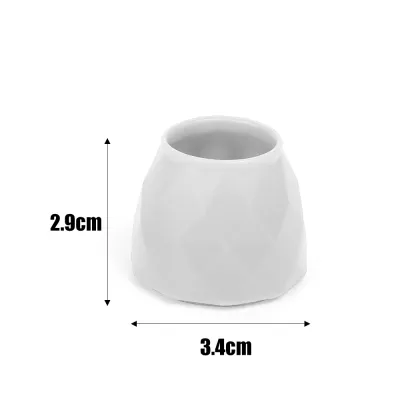
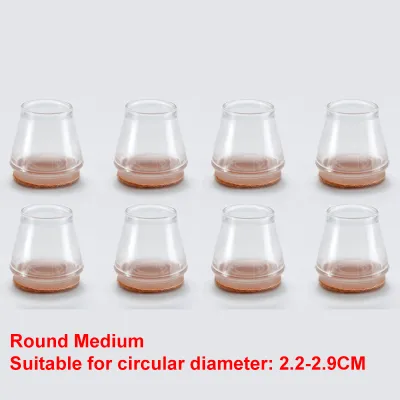
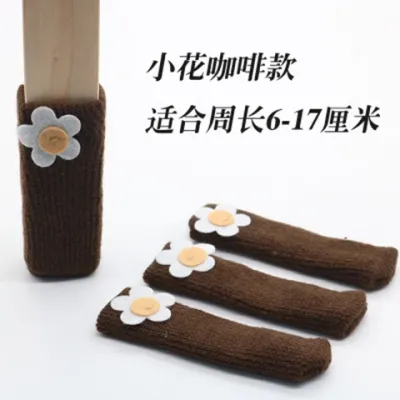
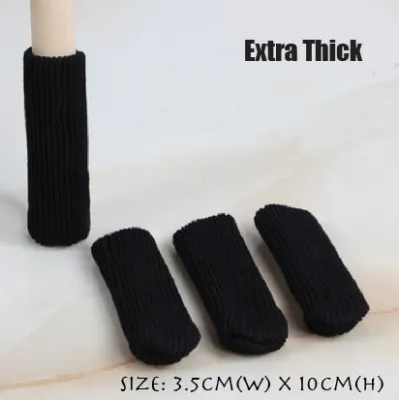
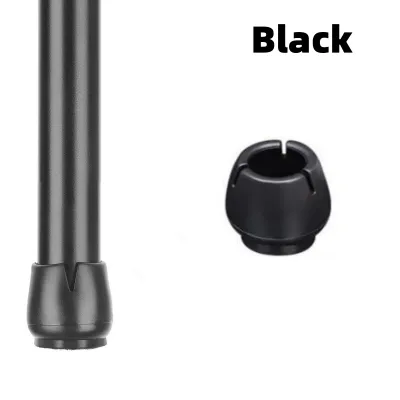
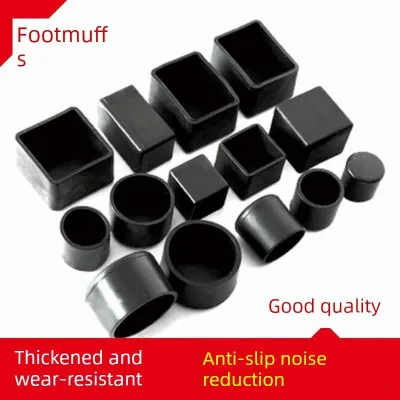
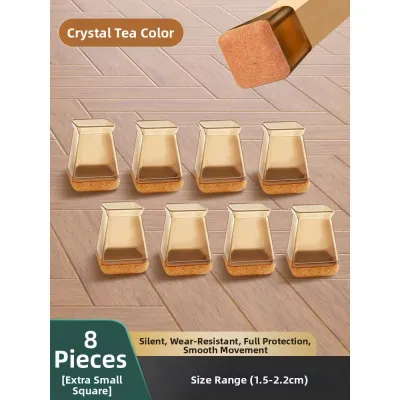
Prices are valid at publication and may change. Please refer to the product page for the latest price.
Silicone Covers: Grip and Moisture Resistance
Silicone chair leg covers are typically designed as flexible, sleeve-like caps that stretch over the bottom of the chair leg. Because silicone is naturally elastic, these covers conform tightly to the leg’s shape, providing a secure fit without the need for messy adhesives. Their transparent or semi-translucent appearance allows them to blend in with various wood tones and metal finishes, preserving the original look of your furniture.
These covers are highly water-resistant and non-porous, making them exceptionally durable in dining rooms adjacent to kitchens or in households where wet mopping is frequent. They do not absorb liquids, so accidental spills will not compromise their structure or cause them to slip off.
However, silicone has a high coefficient of friction. When dragged across certain delicate floor finishes, silicone can grip too firmly, leading to scuff marks or making the chair difficult to slide smoothly. Additionally, the exterior of silicone caps tends to attract dust, pet hair, and static-charged debris over time, requiring occasional wiping to maintain a clean appearance.
Felt Pads: Noise Reduction and Smooth Gliding
Felt is a classic and widely used material for furniture protection, valued for its soft, compressed fibrous texture. These pads are available in various formats, including peel-and-stick adhesive discs, nail-on glides, and slip-on caps with felt bases. The thickness and density of the felt determine its ability to cushion the weight of heavy dining chairs and distribute pressure evenly.
The primary strength of felt lies in its low-friction surface, which allows heavy chairs to glide effortlessly and silently across hard floors. This makes felt pads highly suitable for open-plan living and dining areas where chair movement can otherwise create disruptive scraping noises.
Despite these benefits, felt pads require careful monitoring. In humid environments, the adhesive backing on peel-and-stick felt can degrade, causing the pads to slide out of alignment and leave sticky residue on your floors. Felt is also highly absorbent; it can soak up water from mopping or spills, leading to mold growth or peeling. Furthermore, the fibrous texture easily traps abrasive particles like sand, grit, or small crumbs, which can act like sandpaper against your floor finish if not cleaned regularly.
Fabric Covers: Aesthetics and Light-Duty Protection
Fabric chair leg covers, often referred to as chair socks, are knitted or woven sleeves made from elasticated yarn blends. They slide easily over the chair legs and are held in place by integrated elastic bands. These covers are available in a wide range of colors and patterns, making them a popular choice for homeowners who want to add a cozy, decorative touch to their dining space.
These covers are best suited for lightweight dining chairs, occasional seating, or rooms with carpeted floors. Because they are soft and flexible, they do not scratch delicate surfaces and can easily conform to unusually shaped or highly tapered chair legs.
However, fabric covers offer limited impact absorption, making them less suitable for heavy solid-wood or metal dining chairs. Over time, the elastic fibers can stretch out, causing the socks to slip down or bunch up at the bottom of the leg. They are also prone to fraying and snagging on rough surfaces, and they accumulate dust quickly, meaning they must be removed and washed regularly to remain hygienic and functional.
How to Match the Cover to Your Specific Floor Type
Selecting the wrong cover material can lead to unexpected floor damage. Matching the protector to your specific flooring material is the most reliable way to ensure long-term protection.

Hardwood and Parquet Floors
Natural wood floors are highly susceptible to scratches, dents, and moisture damage. In warm, humid climates, wood can expand and contract, and its protective sealant can be sensitive to trapped moisture. For these floors, high-density felt pads are generally the most suitable option because they allow the wood to breathe and prevent friction scratches. Avoid tight, non-breathable silicone sleeves on natural wood, as they can trap ambient moisture against the wood grain, potentially causing discoloration or warping over time. If you do use silicone, ensure it has a ventilated design or a felt-lined base.
Ceramic Tile and Polished Stone
Tile and stone floors are incredibly durable but can be exceptionally noisy when chairs are dragged across them. The main challenge with tile flooring is the presence of grout lines. Constant sliding over recessed grout can quickly shred thin felt pads or cause fabric socks to snag and tear. Silicone covers with reinforced, thick bottoms are highly effective for tile floors. They damp the sharp scraping sounds, resist moisture from frequent floor cleaning, and provide enough grip to prevent chairs from sliding too easily on polished, slippery surfaces.
Vinyl and Laminate Flooring
Luxury vinyl tiles and laminate floors are popular for their water resistance and durability, but they can still suffer from scuffing and chemical discoloration. Some adhesives used on cheap felt pads contain plasticizers that can chemically react with the vinyl wear layer, leaving permanent yellow stains or sticky residues. For these floors, adhesive-free options are highly recommended. Slip-on silicone covers or wrap-around felt protectors that secure with hook-and-loop fasteners are excellent choices that avoid adhesive contact entirely. Always check your flooring manufacturer’s warranty, as some specifically warn against using certain rubber or plastic protectors.
Key Fit and Installation Checks Before You Buy
Even a well-made cover will fail to protect your floors if it does not fit your chair legs properly. Taking precise measurements and checking the leg profile before purchasing will save time and prevent damage.
Accurate Measurements
Never estimate the size of your chair legs by eye. Use a precise measuring tool, such as a vernier caliper or a flexible sewing tape, to measure the exact dimensions. For round legs, measure the diameter at the very bottom where the leg contacts the floor. For square or rectangular legs, measure both the width and the depth. If your chair legs are tapered, measure the bottom-most point, as this is where the cover must grip securely.
Evaluating the Leg Bottom Profile
Inspect the bottom surface of each chair leg. Many modern dining chairs have legs that meet the floor at an angle rather than sitting perfectly flat. If your chair legs are angled, standard flat felt pads will wear down unevenly on one edge, exposing the wood or metal of the leg to the floor. In this scenario, flexible silicone caps or fabric socks are more suitable because they can conform to the angle. Additionally, check for existing metal domes, plastic glides, or worn-out nail-on pads. These must be completely removed using a flathead screwdriver or pliers before installing new protectors to ensure a flat, stable foundation.
Checking Internal Structure
When shopping for covers, look closely at their internal design. Well-designed silicone covers often feature internal non-slip bumps or gel layers that prevent the cover from twisting or sliding off the leg during use. Some advanced designs feature a dual-material construction, where a silicone sleeve is permanently bonded to a felt base. This hybrid design offers the secure, adhesive-free fit of silicone with the smooth, silent glide of felt.
Maintenance and When to Replace Your Chair Leg Covers
Furniture protectors are wear-and-tear items that require regular maintenance to remain effective. Neglecting them can lead to gradual floor damage that is costly to repair.
Routine Inspection
Establish a routine to inspect the underside of your dining chairs at least once every three to six months. Tilt the chairs over and examine the condition of the covers. Look for signs of thinning felt, cracked or tearing silicone, or stretched-out fabric. Run your fingers over the bottom of the covers to check for embedded grit, sand, or pet hair. If the surface feels rough or abrasive, it is already acting as a hazard to your floor finish.
Material-Specific Cleaning
To extend the lifespan of your covers, clean them according to their material properties. Silicone covers can be wiped clean with a damp microfiber cloth to remove dust and restore their grip. Fabric covers should be removed and washed in a mesh laundry bag on a gentle cycle to clear out accumulated dust and dirt. Felt pads cannot be washed; however, you can use a stiff brush or a vacuum attachment to gently remove loose dust and pet hair from the surface.
Clear Replacement Signals
You should replace your chair leg covers immediately if you observe any of the following warning signs:
- The felt has compressed to a paper-thin layer, exposing the hard plastic or metal glide underneath.
- The silicone sleeve has developed tears or split along the seams.
- The adhesive on felt pads has failed, causing the pad to slide off center and expose sticky glue to the floor.
- Fabric socks constantly slip down the leg or have developed holes at the toe.
- The chair begins to make a scraping or squeaking noise when moved across the floor.
Frequently Asked Questions (FAQ)
Do silicone chair leg covers leave marks on hardwood floors?
Silicone itself is a stable, non-reactive material that does not typically leave chemical marks on hardwood finishes. However, physical marks can occur if fine dust, moisture, or grit becomes trapped between the inside of the silicone cap and the floor surface. As the chair is moved, this trapped debris is pressed against the wood finish, acting like an abrasive medium that can dull or scratch the protective sealant. To prevent this, ensure both the chair legs and the floor are thoroughly cleaned and dried before installing the covers, and remove the caps occasionally to wipe away any accumulated dust.
Can I use felt pads on tile floors with grout lines?
You can use felt pads on tile floors, but they will wear out much faster than they would on smooth surfaces. The recessed grout lines between ceramic or stone tiles act like a grater, constantly scraping against the felt fibers every time the chair is moved. This accelerated friction causes the felt to thin rapidly and can pull adhesive-backed pads off the chair legs. If you prefer the quiet glide of felt on tile, look for heavy-duty, extra-thick felt pads or hybrid silicone caps with integrated felt bottoms, and be prepared to inspect and replace them more frequently.
Community discussion
Share your experience or ask a question. Comments are reviewed before publication.