
Selecting the right anti-slip chair leg pad for your home in Singapore requires balancing floor protection, stability, and ease of movement. In our tropical, high-humidity climate, choosing the wrong material can lead to sticky adhesive failures, floor discoloration, or trapped moisture that ruins parquet and vinyl. Silicone offers strong friction for keeping chairs in place, felt provides a low-friction surface to prevent scratches during movement, and rubber delivers heavy-duty traction. Before making a selection, you must verify your floor manufacturer’s care guidelines and the chair leg’s exact dimensions to ensure compatibility and prevent finish damage.
Key Factors for Choosing Chair Leg Pads
Protecting your floors begins with understanding how different materials interact under pressure. The sensitivity of your floor finish is the primary factor to evaluate. For instance, polyurethane coatings on parquet are highly susceptible to scratching from trapped grit, while the glazed surfaces of ceramic or porcelain tiles can easily chip if heavy furniture is dragged across them without adequate cushioning.
Chair weight and leg diameter also dictate which pad will perform reliably over time. Heavy dining chairs or solid wood furniture exert significant downward force, which can compress thin pads quickly and cause them to fail. You should always measure the exact diameter or width of your chair legs and compare these measurements against product sizing charts to ensure even load distribution.
Products mentioned in this guide
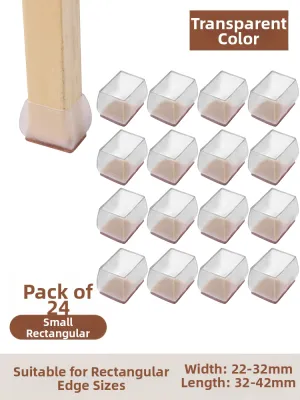
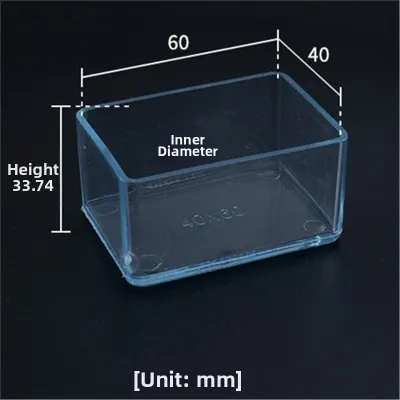
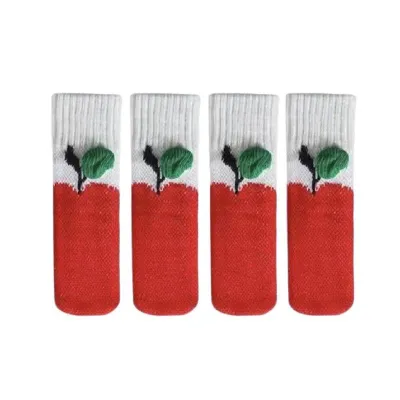
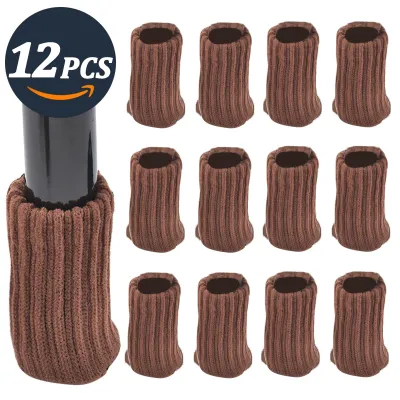
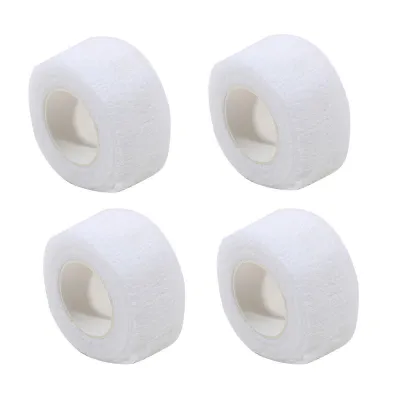
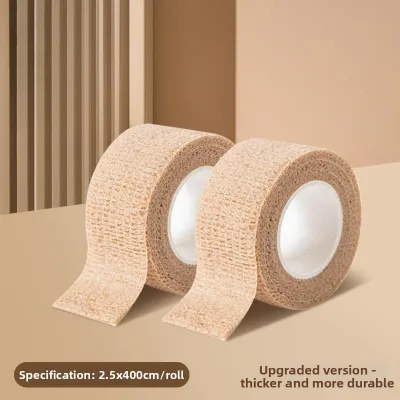
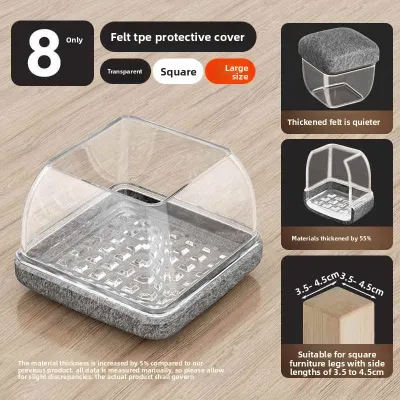
Prices are valid at publication and may change. Please refer to the product page for the latest price.
Your primary functional need will determine whether you require high-friction grip or smooth gliding. If you want to keep a study chair or a bar stool firmly in place on a slick surface, a high-grip material is necessary. Conversely, dining chairs that are pulled out and pushed in multiple times a day require a low-friction material that glides smoothly to prevent surface abrasions.
Finally, consider the attachment method of the pad. Adhesive pads are easy to apply but can slide off under lateral pressure, especially in warm, humid environments. Slip-on caps offer a secure, wrap-around fit for round or square legs but may look bulky. Nail-on or screw-on pads provide the most permanent attachment but are only suitable for wooden chair legs and require careful installation to avoid splitting the wood.
Silicone vs. Felt vs. Rubber: Material Breakdown
To choose the right protection, you must understand how material density and surface texture dictate floor interaction. Each material behaves differently under load, and relying on manufacturer specifications rather than general assumptions will help you avoid costly floor repairs.

Silicone Pads
Silicone pads are highly valued for their flexibility and excellent grip on smooth surfaces. This material naturally exhibits high friction, making it ideal for keeping lightweight to medium-weight chairs stationary on slick floors. Because silicone is elastic, many designs feature slip-on cups that stretch over the chair leg, eliminating the need for messy adhesives.
However, these slip-on designs require an exact match with your chair leg’s diameter. If the cup is too loose, dust and moisture can slip inside, trapping humidity against the chair leg and floor, which can damage wood finishes over time. If it is too tight, the silicone may tear under the stress of daily use.
Maintaining silicone pads involves regular inspections for dust and hair accumulation. Over time, debris clings to the silicone surface, significantly reducing its anti-slip properties. You can easily restore the grip by wiping the pads with a damp cloth and mild, non-abrasive soap, allowing them to dry completely before placing them back on the floor.
Felt Pads
Felt pads are the traditional choice for chairs that require frequent movement, such as dining room chairs. The soft, compressed fibers create a low-friction barrier that allows furniture to glide effortlessly across hard surfaces, virtually eliminating the risk of scrape marks during daily use.
While highly effective for gliding, felt pads rely heavily on adhesive backings. In humid climates, this adhesive can soften, causing the pad to slide off-center and expose the hard chair leg to the floor. Furthermore, adhesive felt pads do not adhere well to textured, porous, or uneven chair leg bottoms, requiring a completely flat and clean surface for proper bonding.
The primary risk with felt is its tendency to collect grit. Small particles of dust, sand, or pet hair can become embedded in the felt fibers, turning the soft pad into a rough surface that acts like sandpaper against your floor finish. You must check these pads regularly and replace them immediately when the fibers become permanently compressed, hard, or dirty.
Rubber Pads
Rubber pads provide heavy-duty traction and are designed for maximum stability. If you have heavy furniture or stationary seating that must not budge, rubber offers the resistance needed to keep the legs firmly anchored, even on highly polished surfaces.
Despite their excellent grip, rubber pads carry a risk of chemical interaction with certain floor finishes. Some rubber formulations contain plasticizers that can migrate into vinyl flooring or react with polyurethane coatings on parquet, leaving permanent dark stains or sticky residues. To prevent this, you must verify that the product label explicitly states the rubber is “non-marking” or certified safe for your specific floor type.
Additionally, rubber is subject to environmental degradation. Over time, exposure to air, warmth, and light can cause rubber to undergo dry rot, leading to hardening, cracking, or permanent deformation. Inspecting these pads annually ensures they retain their cushioning properties and do not crumble under pressure.
Matching Materials to Tiles, Vinyl, and Parquet
Different flooring materials require specific protective characteristics to prevent long-term wear. By matching the physical properties of your chair pads to the unique vulnerabilities of your floor, you can maintain both your furniture and your home’s interior surfaces.
For ceramic or porcelain tiles, the main challenges are grout lines and surface texture. Smooth, glazed tiles benefit from silicone or rubber pads, which provide the necessary grip to prevent sliding. However, if your tiles have deep grout lines or a textured, rustic finish, sliding a chair with rubber pads can cause catching and vibration; in this case, thick felt pads are preferred to allow the chair to glide smoothly over the uneven joints.
Vinyl flooring, including luxury vinyl tiles (LVT) and sheet vinyl, is highly sensitive to chemical staining and scratching of its wear layer. You should avoid standard black rubber pads, as they frequently cause yellowing or dark marks that cannot be buffed out. Instead, prioritize high-quality felt pads or silicone caps that are verified as non-marking to protect the delicate vinyl surface.
Parquet and solid wood floors are highly vulnerable to pressure dents, scratches, and moisture. Heavy chairs can cause point-loading, where the weight is concentrated on a tiny area, crushing the wood fibers. Thick, wide-base felt pads are excellent for distributing this weight across a larger surface area, while wide silicone caps can prevent moisture from reaching the wood if you mop the floors frequently.
| Floor Type | Recommended Pad Material | Preferred Attachment Style | Pre-Purchase Verification Steps |
|---|---|---|---|
| Ceramic / Porcelain Tiles | Silicone or Rubber (for grip); Felt (for gliding) | Slip-on cups or heavy-duty adhesive | Measure leg diameter; check grout line depth |
| Vinyl (LVT / Sheet) | Felt or Non-marking Silicone | Slip-on cups or adhesive | Verify "non-marking" label; avoid dark rubber |
| Parquet / Solid Wood | Thick Felt or Wide-base Silicone | Screw-on (wood legs) or wide slip-on | Check wood hardness; ensure adhesive is floor-safe |
Installation Checks and Ongoing Maintenance
Proper installation is just as important as choosing the right material. Before applying any adhesive pad, you must prepare the surface of the chair leg thoroughly. Clean the bottom of the leg with a mild solvent, such as rubbing alcohol, to remove old adhesive residue, dust, and oils, and allow it to dry completely to ensure a strong bond.
When applying the pad, verify that it aligns precisely with the contact area of the chair leg. The pad should cover the entire bottom surface without overhanging the edges. Overhanging edges can catch on floor textures, grout lines, or rugs, causing the pad to peel off prematurely and leaving sticky adhesive exposed to collect dirt.
Establish a routine inspection schedule to check the condition of your chair pads every few months. Look for signs of pad displacement, embedded grit, or adhesive lifting at the edges. If you notice any of these issues, replace the pads immediately to prevent the exposed chair legs or trapped debris from scratching your floors.
You must establish clear stop conditions for your chair pads. If a pad begins to leave dark marks on your floor, emits a strong chemical odor, or repeatedly fails to adhere, remove it immediately. In such cases, clean the floor surface gently and consult your floor or furniture manufacturer to find a compatible, alternative protective solution.
Frequently Asked Questions (FAQ)
Can I use anti-slip pads on chairs with angled or tapered legs?
Using standard flat adhesive pads on angled or tapered chair legs often leads to failure because the weight of the chair is not distributed flatly across the pad. This uneven pressure causes the pad to slide off-center quickly, exposing the sharp edge of the chair leg to your floor. For angled legs, flexible slip-on silicone cups are highly recommended, as they can stretch and conform to the angle of the leg while keeping the protective base flat against the floor. Before purchasing, always check the manufacturer’s specifications to ensure the cup is rated for tapered or angled installations.
How do I remove adhesive residue left by old chair pads?
To remove sticky adhesive residue without damaging your floor, you should always consult your floor manufacturer’s cleaning guidelines first. For a safe, general approach, apply a small amount of a mild, oil-based remover or mineral oil to a soft microfiber cloth and gently rub the residue. Use a plastic scraper or an old plastic card to lift the softened adhesive, taking care not to gouge the surface. Avoid harsh chemical solvents like acetone or paint thinner, as these can permanently strip polyurethane coatings from parquet or dissolve the wear layer of vinyl flooring.

Community discussion
Share your experience or ask a question. Comments are reviewed before publication.