
Sihoo has established a prominent presence in Singapore’s home office landscape, primarily recognized for offering highly adjustable ergonomic chairs at accessible price points. For many remote workers and gamers in Singapore, the brand represents an entry point into ergonomic seating, promising features like multi-directional armrests, dynamic lumbar support, and adjustable headrests that are typically associated with much more expensive office furniture. However, determining whether a Sihoo chair is the right fit for your workspace requires looking beyond the initial appeal of its feature list. You must evaluate how its materials perform in Singapore’s humid climate, how its structural components hold up over years of daily use, and how its overall value compares to both entry-level alternatives and premium legacy brands.
To make a practical decision, you need to assess your personal physical proportions, your daily seating duration, and your long-term durability expectations. While some users find that these chairs provide excellent immediate comfort and sufficient adjustability for a standard work-from-home setup, others may prioritize the refined engineering, extended warranties, and local showroom support offered by higher-end brands. By systematically comparing build specifications, adjustment mechanisms, and warranty terms, you can determine whether to invest in a Sihoo model or explore other ergonomic options available in the local market.
Where Sihoo Fits in the Ergonomic Chair Market
In the broader ergonomic chair ecosystem, Sihoo occupies a distinct segment often described as the entry-to-mid-tier value bracket. Unlike legacy ergonomic manufacturers that focus on minimalist, self-adjusting designs backed by decades of proprietary research, Sihoo emphasizes feature density. This means their chairs are packed with manual adjustment points—such as independent headrests, depth-adjustable lumbar support, and multi-axis armrests—at a fraction of the cost of high-end commercial office chairs. This positioning appeals directly to budget-conscious professionals, students, and home office users in Singapore who want comprehensive physical support without committing to a major financial investment.
Products mentioned in this guide
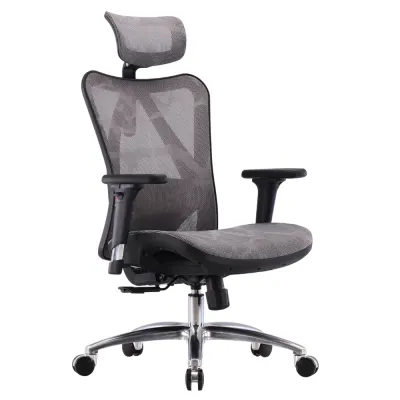
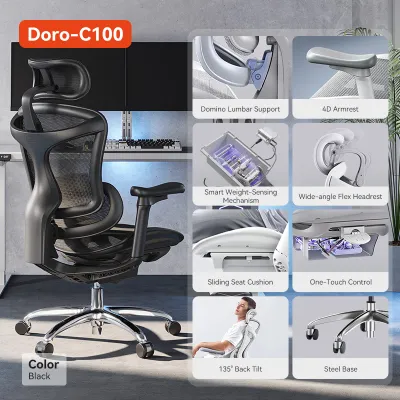
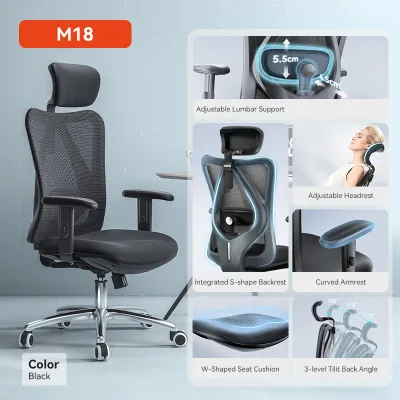
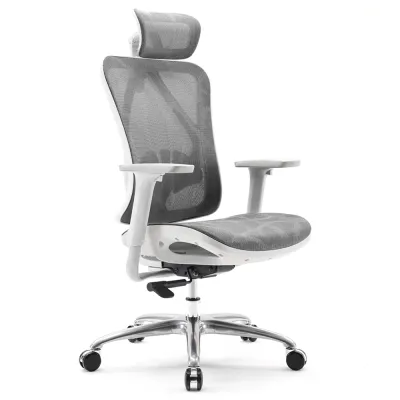
![[Pre-Order] SIHOO B300 Pro Ergonomic Office Chair Mesh Chair Adjustable Lumbar Support Home Office 6D Armrests 3 Years Warranty](https://img.lazcdn.com/g/p/37ff8cc85f5bb87bf21cfe9c333bf327.png_400x400q80.png_.webp)
Prices are valid at publication and may change. Please refer to the product page for the latest price.
Availability in Singapore is highly decentralized, with these chairs widely distributed through various online marketplaces, local ecommerce platforms, and independent home furniture retailers. While this widespread digital presence makes purchasing highly convenient, it also means that the buying experience can vary significantly depending on the specific seller you choose. Some local distributors offer assembled delivery and localized warranty support, while others ship the chair flat-packed directly from overseas warehouses, leaving the assembly and initial quality checks entirely to you. Understanding this market positioning is crucial, as it highlights the trade-off between immediate cost savings and the streamlined customer service typically associated with premium, single-brand showrooms.
Core Features to Compare Across Brands
When comparing ergonomic chairs, the range and precision of adjustability should be your primary focus. A truly ergonomic chair must adapt to your body shape, rather than forcing your body to adapt to the chair. Look closely at the lumbar support mechanism: some brands offer passive, self-adjusting lumbar tension, while Sihoo and similar value-focused brands often utilize manual dials or sliders to adjust the height and depth of the lumbar pad. You should verify whether these manual adjusters lock securely into place, as lower-quality mechanisms can slip under constant back pressure. Additionally, examine the armrests; look for three-dimensional (3D) or four-dimensional (4D) adjustments that allow you to align the armrests with your desk height to prevent shoulder strain, and check if the adjustment increments are fine enough to match your natural resting posture.

Material selection is another critical factor, particularly given Singapore’s year-round warm and humid climate. Mesh backrests and seats are highly popular locally because they promote airflow and prevent heat buildup. However, not all mesh is created equal. Premium brands often use elastomeric mesh that retains its tension and shape over years of use, whereas budget-friendly models may use polyester-blend mesh that can sag over time, leading to a loss of support. If you prefer a cushioned seat, compare the density of the foam. High-density molded foam provides firm, resilient support that distributes weight evenly, while low-density cut foam tends to bottom out quickly, causing discomfort during long working hours.
Finally, always verify the physical dimensions of the chair against your body measurements and your workspace constraints. Check the seat width, seat depth, and the overall height range of the gas lift. In Singapore, where home office spaces in HDB flats or condominiums can be compact, you must ensure the chair’s base diameter fits comfortably under your desk and does not obstruct walkways. Furthermore, measure your desk’s clearance height to confirm that the chair’s armrests can slide underneath when not in use, which helps save valuable floor space.
How to Verify Build Quality and Durability Claims
To look past marketing descriptions and assess a chair’s actual durability, you must inspect the structural materials and safety certifications. The base of the chair bears the entirety of your weight and undergoes significant stress whenever you recline or move. High-quality chairs typically feature a heavy-duty aluminum alloy base or a highly reinforced nylon base. While reinforced nylon can be exceptionally durable, aluminum bases offer superior rigidity and are less prone to structural fatigue over time. Inspect the caster wheels as well; larger, polyurethane-coated casters glide more smoothly and are less likely to scratch common Singaporean flooring materials like vinyl, laminate, or polished tiles.
The gas lift cylinder is the most critical safety and functional component of any ergonomic chair. To verify its quality, look for the certification class stamped directly onto the metal cylinder. A reputable ergonomic chair should utilize a Class 3 or Class 4 gas lift, which indicates thicker cylinder walls and higher pressure tolerance, ensuring smooth height adjustments and preventing sudden sinking. These cylinders are typically certified by independent testing bodies such as SGS or TUV, and verifying these markings on the product specification sheet provides a reliable indicator of safety and longevity.
Warranty terms offer the most honest reflection of a manufacturer’s confidence in their product’s lifespan. When comparing brands, do not just look at the headline warranty duration, which might boast five to ten years. Read the fine print to understand what is actually covered. Often, a long warranty period only applies to the steel frame, while the moving parts, mesh, foam, and gas lift—the components most likely to wear out or fail—are covered for a much shorter duration. Additionally, clarify the warranty claim process: determine whether you are responsible for transporting the heavy chair back to a local service center, or if the distributor provides on-site parts replacement.
Assessing Price, Warranties, and True Value
Calculating the true value of an ergonomic chair requires balancing the initial purchase price against the expected years of trouble-free use. Entry-level chairs under S$200 often provide basic height adjustments but may compromise on material durability and ergonomic customization. Mid-tier options, where many Sihoo models sit, typically range from S$250 to S$600, offering a comprehensive suite of adjustable features and decent build quality. Premium chairs, which can easily exceed S$1,000, prioritize advanced materials, proprietary ergonomic research, and extensive warranties that often cover both parts and labor for a decade or more.
When purchasing online, be mindful of hidden costs that can quickly inflate the final price. Shipping fees for heavy, bulky furniture can be substantial, especially if the item is dispatched from an overseas warehouse. Some sellers on online marketplaces list low base prices but charge extra for essential services like home delivery, professional assembly, or extended local warranties. If you choose a flat-packed model to save money, ensure you have the necessary tools, physical strength, and time to assemble the chair correctly, as improper assembly can compromise the chair’s stability and safety.
To estimate long-term value, divide the total cost of the chair (including shipping and assembly) by the number of years covered under the functional warranty. A premium chair with a high upfront cost but a comprehensive ten-year warranty may actually cost less per year of use than a budget chair that needs to be replaced every two years due to sagging mesh or a failing gas lift. This calculation helps you decide whether a mid-tier option like Sihoo aligns with your financial strategy and comfort requirements over the long run.
Final Decision Framework: Sihoo or Alternatives?
To finalize your decision, align your choice with your primary workspace priorities, budget constraints, and physical needs. A Sihoo chair is highly suitable if you are working within a strict budget but require a high degree of physical adjustability to manage discomfort. If you need specific features like an adjustable headrest for reclining during breaks, or highly customizable lumbar support, and you want to keep your investment moderate, Sihoo offers a compelling feature-to-price ratio that is difficult to match in the entry-level market.
Conversely, you should consider established premium alternatives if you view your office chair as a long-term investment in your health and productivity. If you prefer a minimalist design that automatically adjusts to your movements without constant manual tweaking, or if you require the peace of mind that comes with a comprehensive, decade-long warranty and a dedicated local showroom where you can test different models before buying, saving up for a premium brand is often the wiser choice.
Before making any purchase on an online marketplace, perform a final physical check. Measure your body height, weight, and the dimensions of your current desk setup. Compare these measurements against the detailed specification sheet of the chair model you are considering. Ensure that the seat depth allows your lower back to contact the lumbar support while leaving a small gap behind your knees, and verify that the maximum weight capacity provides a safe margin of error for your body type.
Frequently Asked Questions (FAQ)
Does Sihoo offer local warranty support in Singapore?
Warranty support for Sihoo chairs in Singapore depends entirely on the specific retailer or distributor you purchase from. Because Sihoo products are sold by multiple independent merchants on various online marketplaces, there is no single, centralized brand warranty. Some local distributors offer their own localized warranties covering parts replacement for a specified period, while other cross-border sellers may require you to ship defective parts back to an overseas factory at your own expense. Always read the seller’s warranty terms carefully before completing your purchase to ensure you have accessible local support.
How do I know if an ergonomic chair fits my body type before buying online?
To verify the fit of an ergonomic chair without testing it in person, you must compare your personal body measurements against the chair’s published specifications. Sit on a flat surface with your back straight and measure the distance from your lower back to the back of your knees; this represents your ideal seat depth. Next, measure your elbow height while seated to determine the required armrest height range. Compare these figures to the chair’s seat depth, seat height, and armrest adjustment ranges, ensuring the chair’s dimensions accommodate your body proportions with room to spare.

Community discussion
Share your experience or ask a question. Comments are reviewed before publication.