
Determining whether you need a plastic bed cover depends entirely on your household’s specific risks and comfort preferences. While traditional plastic covers offer absolute liquid blockage, modern alternatives provide varying levels of breathability and noise reduction. This guide helps you diagnose your mattress protection needs, evaluate your current bed condition, and choose the right waterproof solution based on observable household factors rather than guesswork. Protecting your mattress is a practical step toward extending its lifespan, maintaining hygiene, and preserving your sleep quality.
4 Key Signs Your Mattress Needs Waterproof Protection
Identifying whether your household requires a waterproof barrier involves assessing daily activities and environmental factors. A mattress is a significant investment, and exposure to liquids can quickly degrade its internal comfort layers. By recognizing the specific risks in your home, you can make an informed decision on the level of protection required.
First, households with young children undergoing toilet training or prone to frequent spills are prime candidates for waterproof protection. Nighttime accidents are common during early development, and even a single major spill from a bedside cup can seep deep into foam or spring layers. Once liquid penetrates the mattress core, extracting it completely is nearly impossible, often leading to deep-seated stains and hygiene issues.
Products mentioned in this guide
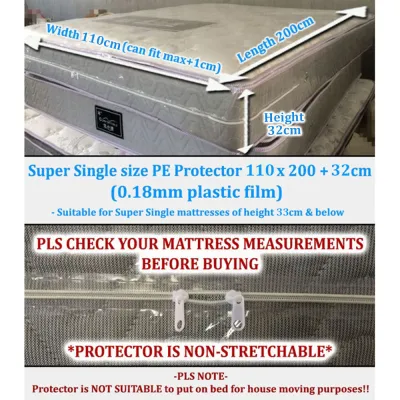
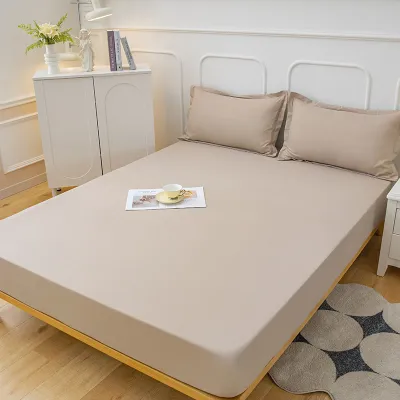
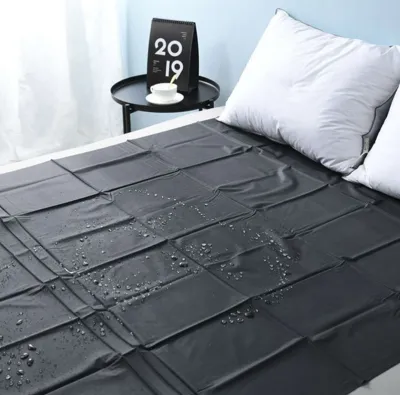
Prices are valid at publication and may change. Please refer to the product page for the latest price.
Second, pet owners frequently deal with unique mattress hazards. Even well-behaved dogs and cats can introduce outdoor dirt, dander, and moisture to your bed sheets. Occasional accidents, shedding, or wet paws after a rainy day walk can compromise the cleanliness of your sleeping surface. A waterproof layer acts as a reliable shield against these organic materials, preventing them from settling into the fabric fibers.
Third, caring for elderly family members often requires reliable incontinence protection. Managing adult incontinence demands a solution that can handle larger volumes of liquid without allowing any moisture to reach the mattress. In these scenarios, a highly dependable waterproof barrier is essential to maintain a sanitary sleeping environment and simplify daily caregiving routines.
Finally, high-humidity environments and heavy sleepers present a constant threat of moisture buildup. In tropical climates, ambient humidity combined with nightly sweat can accumulate within the mattress layers over time. This persistent moisture creates an ideal breeding ground for dust mites and mildew, which can trigger allergies and degrade the structural integrity of the bed.
Plastic Bed Covers vs. Modern Waterproof Protectors
When choosing a waterproof solution, you will generally encounter two main categories: traditional plastic covers and modern fabric-backed protectors. Understanding the material differences, performance trade-offs, and comfort implications of each will help you select the right option for your bed.

Traditional plastic covers, typically made of vinyl, PVC, or polyethylene, offer complete liquid blockage. They are highly effective at preventing any form of liquid penetration, making them excellent for severe incontinence or long-term storage. However, these non-porous materials come with notable trade-offs, including significant heat retention and a distinct crinkling noise whenever you move.
Modern fabric-backed protectors address these comfort issues by combining a soft top layer with a breathable waterproof membrane, such as polyurethane. These membranes feature microscopic pores that are small enough to block liquid droplets but large enough to allow air and water vapor to escape. This design provides a much quieter sleeping experience and helps regulate temperature by preventing heat from becoming trapped.
To choose the right option, you should match your specific household risks to the appropriate protector type. For heavy liquid spills, severe incontinence, or temporary bedwetting phases, a heavy-duty plastic cover or a fully encased zippered protector offers maximum security. For daily sweat, high humidity, and light spills, a breathable fabric-backed protector is generally preferred to maintain sleep comfort.
How to Inspect Your Mattress for Existing Moisture Damage
Before applying any waterproof cover, it is essential to evaluate the current state of your mattress. Installing a waterproof barrier over an already damaged or damp mattress can trap moisture inside, accelerating mold growth and structural decay.
Begin with a thorough visual check of the mattress surface, edges, and seams. Look for yellowing, dark spots, or localized discoloration, which are common indicators of past liquid spills or mold development. Pay close attention to the seams and underside of the mattress, as these areas are prone to trapping moisture and dust.
Next, perform an odor check by smelling different areas of the mattress closely. A musty, earthy, or persistent damp smell indicates that moisture has penetrated the comfort layers and biological growth may be present. If the odor remains even after airing out the room, the internal materials are likely compromised.
Follow this with a tactile check, pressing your hands firmly across the surface to feel for dampness, uneven sagging, or clumping in the foam layers. Moisture can cause certain foams to soften prematurely or clump together, leading to a loss of support. If you observe severe structural sagging, deep mold infestation, or persistent dampness that cannot be dried, halt use immediately and consult the manufacturer or a qualified mattress professional to determine if a replacement is necessary.
Essential Checks Before Buying a Waterproof Bed Cover
Selecting the right waterproof bed cover requires verifying several practical specifications to ensure proper fit, functionality, and ease of maintenance. Taking these steps beforehand prevents common issues like slipping, bunching, or accidental damage during cleaning.
First, verify the exact dimensions of your mattress, paying close attention to the depth or pocket size. Mattresses vary widely in thickness, especially those with built-in pillow tops or added toppers. A cover with insufficient pocket depth will slip off the corners, while one that is too large will bunch up and create uncomfortable ridges under your sheets.
Second, evaluate the securing mechanism of the cover against your specific bed frame and mattress setup. Fitted-sheet style protectors feature elastic skirts that make them easy to remove and wash, making them ideal for regular maintenance. Zippered encasements cover all six sides of the mattress, providing comprehensive protection against bed bugs and allergens, though they require more effort to install and remove.
Finally, review the manufacturer’s care label for washing temperature limits and drying restrictions. Waterproof membranes, particularly polyurethane, are sensitive to high heat, which can cause them to crack, melt, or delaminate. Ensure the care instructions align with your household cleaning routine, as some covers require low-temperature washes and air-drying to preserve their waterproof integrity.
Frequently Asked Questions (FAQ)
Can a plastic bed cover cause you to sweat at night?
Yes, traditional plastic bed covers can cause increased sweating because they are made from non-porous materials that trap body heat and restrict airflow. To avoid this issue, look for modern waterproof protectors that feature breathable polyurethane membranes or cooling top fabrics like bamboo or Tencel, which help wick away moisture and allow better ventilation.
How often should you wash a waterproof mattress protector?
You should consult the manufacturer’s recommended washing schedule on the product tag, but a general guideline is to wash it every one to two months. However, if you have pets, suffer from severe allergies, or experience frequent spills, you may need to wash the protector more frequently to maintain a clean and hygienic sleeping environment.
Will using a plastic cover void my mattress warranty?
Using a protective cover will not void your warranty; in fact, most mattress manufacturers require you to keep the mattress free of stains and liquid damage to keep the warranty valid. You should read your specific mattress warranty document to confirm the approved protector types and ensure you are meeting all maintenance conditions.
Community discussion
Share your experience or ask a question. Comments are reviewed before publication.